Quick Answer
To keep your espresso cups looking new, rinse them immediately after use, hand wash with mild soap, dry them thoroughly, and store them safely. Avoid abrasive cleaners and sudden temperature changes to prevent cracks and fading.
Espresso cups are more than just vessels for your daily shot—they're part of the ritual. Whether you've invested in a designer set or a simple ceramic pair, proper care keeps them looking fresh and performing well for years.
In this guide, we'll walk you through practical steps to clean, maintain, and store your espresso cups. You'll also learn common mistakes to avoid, so your cups stay as beautiful as the day you bought them.
Why Espresso Cups Need Special Care
Espresso cups are often made from delicate materials like porcelain, bone china, or hand-glazed ceramic. They're designed to withstand heat, but they're not indestructible. Over time, coffee oils can build up, leaving stains and dulling the finish. Abrasive scrubbing can scratch the glaze, making cups more prone to staining and harboring bacteria.
Understanding the material of your cups is the first step. Most espresso cups are dishwasher-safe, but hand washing is gentler and preserves the glaze. If you're unsure about your cup's material, check the manufacturer's instructions. When in doubt, hand washing is always the safest choice.
- Check the care label or manufacturer's website for specific instructions.
- If you have a set with metallic accents, avoid the microwave and dishwasher.
Daily Cleaning Routines
The best way to keep espresso cups looking new is to clean them soon after use. Coffee oils dry quickly and become harder to remove. Rinse the cup with warm water immediately after finishing your shot. This simple habit prevents stains and makes the next cleaning easier.
For a deeper clean, use a soft sponge and mild dish soap. Gently scrub the inside and outside, paying attention to the rim and any textured areas. Rinse thoroughly with warm water to remove all soap residue. Avoid using steel wool or abrasive pads, as they can scratch the glaze.
- Use a bottle brush for hard-to-reach areas inside the cup.
- If you notice stubborn stains, try a paste of baking soda and water—apply gently and rinse.
Dealing with Stubborn Stains
Even with regular cleaning, espresso cups can develop brown stains from tannins in coffee. To remove these, fill the cup with warm water and add a teaspoon of baking soda. Let it sit for 15–20 minutes, then scrub gently with a soft sponge. Rinse thoroughly.
Another effective method is using a denture tablet. Drop one tablet into the cup with warm water and let it fizz for about 30 minutes. This works well for deep-set stains without scratching the surface. Always rinse thoroughly after any cleaning treatment.
- Avoid using bleach or harsh chemicals, as they can damage the glaze.
- For white cups, a paste of lemon juice and baking soda can help brighten the surface.
Drying and Storage Tips
After washing, dry your espresso cups with a soft, lint-free cloth. Air drying can leave water spots, especially if your water is hard. Drying immediately also prevents mineral deposits from forming.
Store cups in a dry, stable place. If you stack them, place a soft cloth or paper towel between each cup to prevent scratches. Avoid storing them near heat sources or in direct sunlight, as prolonged exposure can fade colors and weaken the material.
- Consider using a cup rack or hanging hooks if you have the space.
- Keep cups away from the edge of shelves to prevent accidental knocks.
5 Steps to Keep Your Espresso Cups Looking New
- Rinse immediately after use: Run warm water through the cup right after finishing your espresso. This prevents coffee oils from drying and forming stains. Checkpoint: If you can't rinse right away, at least fill the cup with water to soak until you can.
- Hand wash with mild soap: Use a soft sponge and gentle dish soap. Avoid abrasive pads that can scratch the glaze. Checkpoint: If your cup has metallic trim, never put it in the dishwasher—hand washing is essential.
- Remove stains with baking soda: For stubborn stains, make a paste of baking soda and water, apply gently, and rinse thoroughly. Checkpoint: Test on the bottom of the cup first to ensure the paste doesn't discolor the glaze.
- Dry with a soft cloth: Dry immediately with a lint-free cloth to prevent water spots and mineral deposits. Checkpoint: If you see spots, they're likely from hard water—try wiping with a drop of white vinegar.
- Store safely: Store cups in a dry, stable place, using soft cloths between stacked cups to avoid scratches. Checkpoint: Avoid storing near heat or direct sunlight to prevent fading and cracking.
Caring for Your Petite Friture Cups
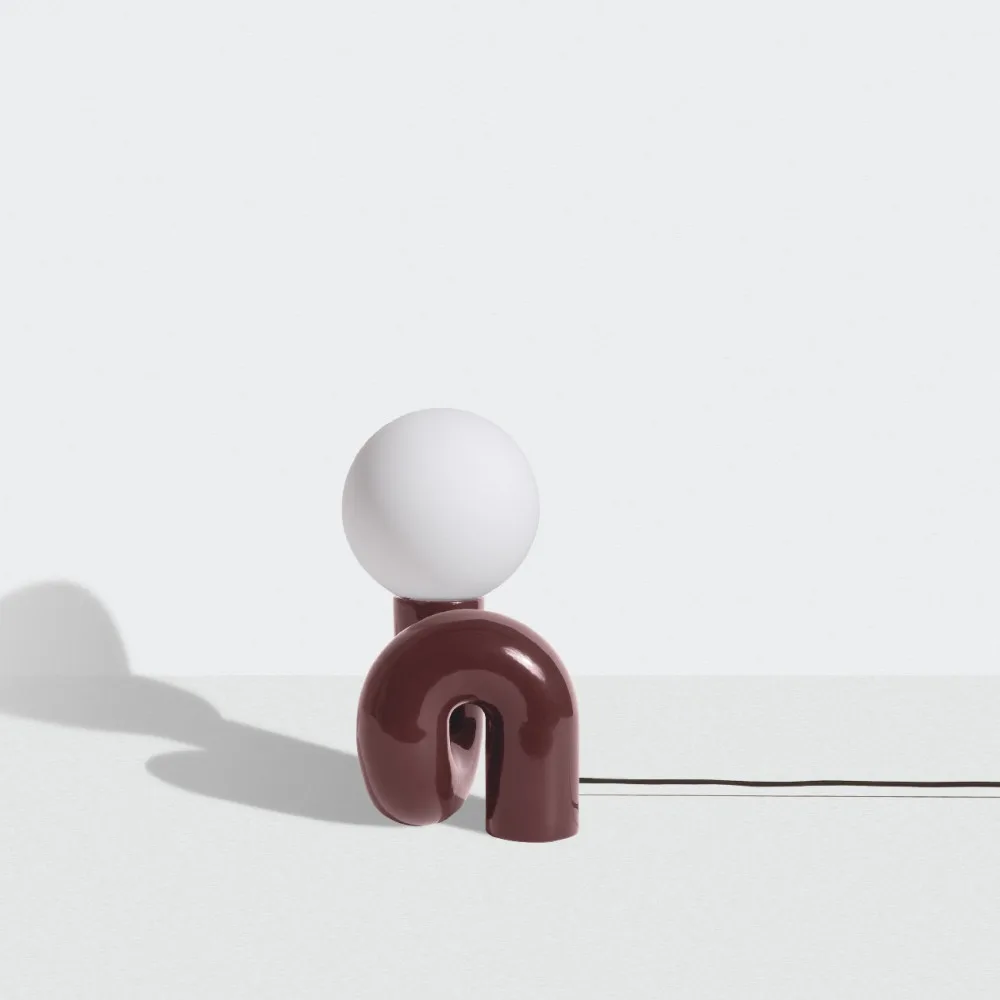
- Neotenic Small Table Lamp Green: Part of the Neotenic collection, reflecting playful yet refined design. Just like the Neotenic lamp adds a pop of color to a room, your espresso cups can be a design accent. Proper care preserves their vibrant finish, so they continue to brighten your coffee ritual.
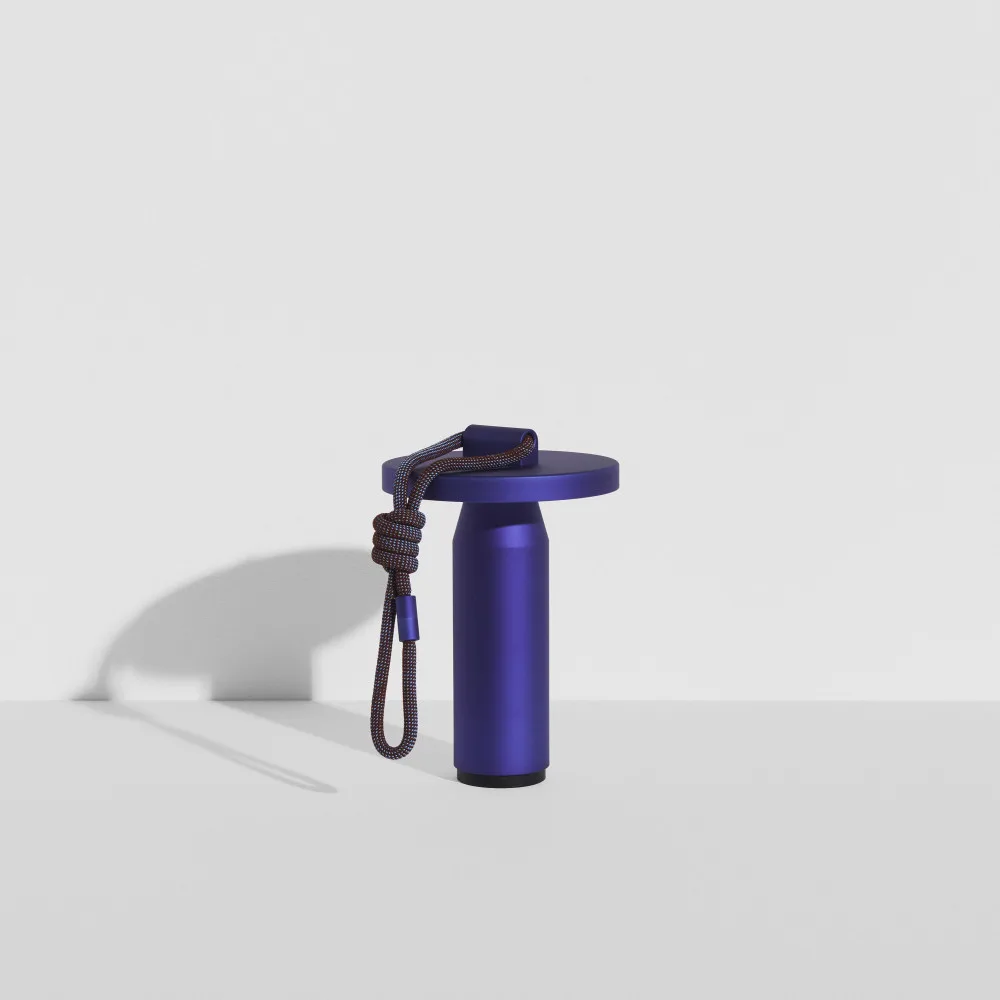
- Quasar Large Portable Lamp Grey: Contemporary grey finish adds a modern touch to your decor. A neutral finish like grey is versatile, but it still needs care to avoid dulling. The same principle applies to your espresso cups—gentle cleaning keeps their color and shine intact.
Caring for your espresso cups doesn't have to be complicated. With a few simple habits—rinsing, gentle washing, and proper storage—you can keep them looking new for years. Remember, a little care goes a long way in preserving both the beauty and function of your favorite cups.