Resurfacing treatments, like chemical peels or exfoliating compounds, are powerful ways to reveal fresher, smoother skin. But the results you see depend heavily on how you care for your skin afterward. Proper after resurfacing care not only speeds up recovery but also maximizes the benefits of your treatment while minimizing the risk of irritation or complications.
In this guide, we'll walk you through a step-by-step post peel skincare routine, what to avoid, and how to soothe and protect your skin during the critical recovery window. Whether you're a seasoned pro or new to resurfacing, these tips will help you achieve the glowing complexion you're after.
Why After Resurfacing Care Matters
After a resurfacing treatment, your skin's barrier is temporarily compromised. The outermost layer, which normally protects against environmental stressors, has been exfoliated away, leaving your skin more sensitive and vulnerable. This is why after resurfacing care is crucial: it supports your skin's natural healing process, reduces the risk of post-inflammatory hyperpigmentation, and ensures you get the full benefits of your treatment.
Without proper care, you might experience excessive dryness, redness, or even breakouts. On the other hand, a well-planned post peel skincare routine can calm irritation, maintain hydration, and promote cell turnover, leading to a radiant, even-toned complexion.
- Always follow the specific aftercare instructions provided by your dermatologist or the product manufacturer.
- Keep your skin clean and moisturized to support the healing barrier.
Immediate Aftercare: The First 24 Hours
The first 24 hours after resurfacing are the most critical. Your skin is at its most sensitive, and what you do (or don't do) can significantly impact your recovery. The golden rule is to be gentle. Avoid washing your face with hot water or using any harsh cleansers. Instead, rinse with lukewarm water and pat dry with a soft towel.
During this time, you should also avoid any active ingredients like retinoids, alpha hydroxy acids (AHAs), or beta hydroxy acids (BHAs). Your skin needs a break from exfoliation to focus on healing. Stick to a gentle cleanser and a basic moisturizer that contains soothing ingredients like ceramides or hyaluronic acid to help restore the skin barrier.
- Use a fragrance-free, gentle cleanser to avoid irritation.
- Apply a thick, barrier-repairing moisturizer to lock in hydration.
Days 2-3: Soothe and Hydrate
As the initial redness subsides, your skin may start to feel tight, dry, or flaky. This is a normal part of the skin recovery process. During this phase, your focus should be on deep hydration and soothing inflammation. Look for products with ingredients like panthenol, allantoin, or centella asiatica, which are known for their calming properties.
You might also consider using a hydrating serum or a facial oil to replenish moisture. For example, The SUPER Intensive Face Oil is formulated with nourishing oils that can help restore your skin's lipid barrier and provide lasting comfort. Remember to apply products with clean hands and avoid any rubbing or tugging.
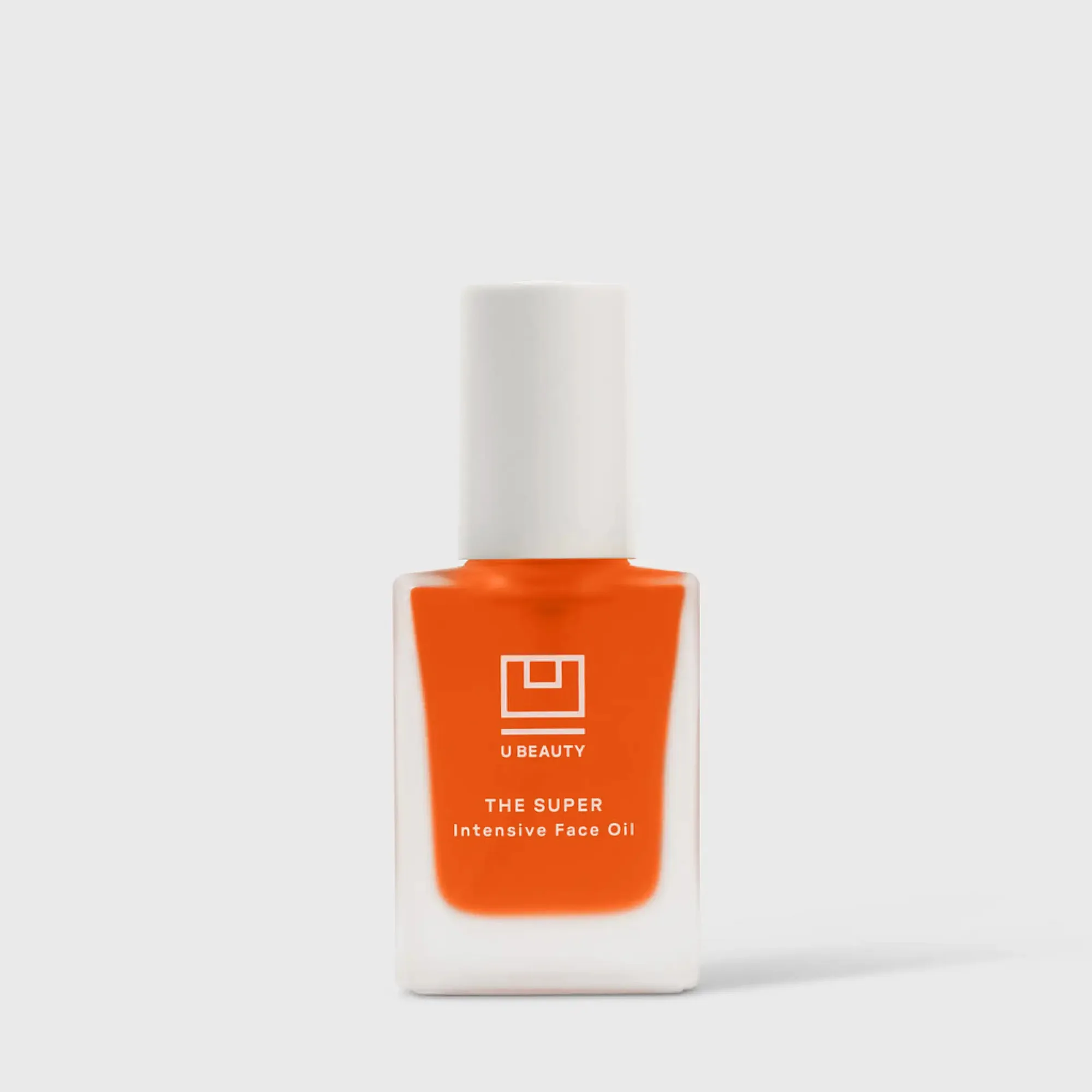
The SUPER Intensive Face Oil
- Incorporate a hydrating serum with hyaluronic acid to attract moisture.
- Avoid picking or peeling any flaking skin—let it shed naturally.
Days 4-7: Protect and Restore
By day four, your skin is usually past the most delicate stage, but it's still recovering. Now is the time to focus on protecting your new skin from environmental damage. Sunscreen is non-negotiable—your fresh skin is highly susceptible to UV damage, which can lead to dark spots and uneven tone. Opt for a broad-spectrum sunscreen with at least SPF 30, like the Multimodal Sheer Mineral Sunscreen Broad Spectrum SPF 25, and reapply every two hours if you're outdoors.
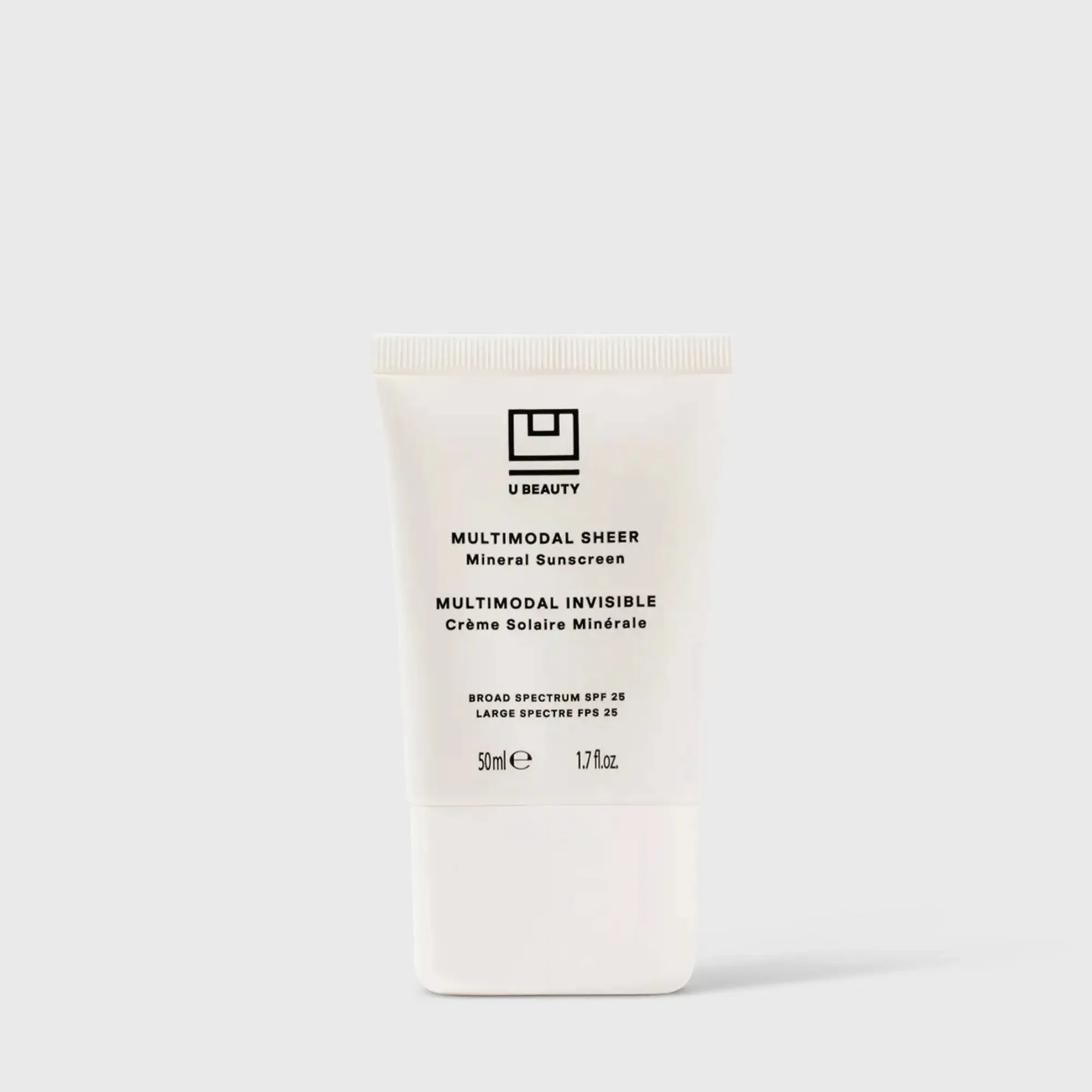
Multimodal Sheer Mineral Sunscreen Broad Spectrum SPF 25
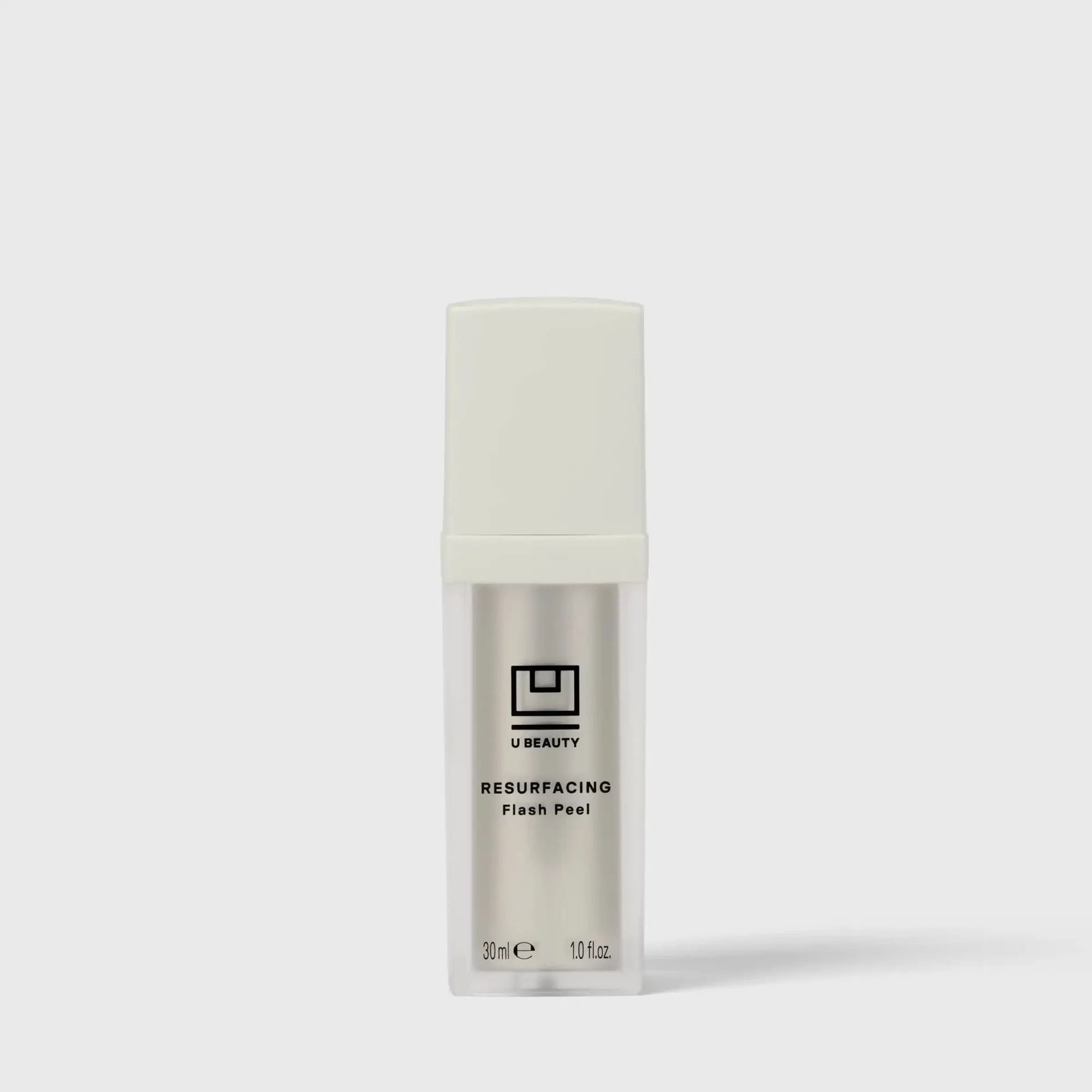
You can also start reintroducing gentle skincare products, but avoid anything with strong active ingredients until your skin is fully healed. Consider using a barrier-supporting moisturizer and a gentle antioxidant serum to help repair and protect. If you're using a resurfacing product like the Resurfacing Compound, always follow the recommended frequency and never overdo it.
- Wear sunscreen daily, even indoors, to prevent hyperpigmentation.
- Gradually reintroduce active ingredients only after your skin feels comfortable.
What to Avoid During Skin Recovery
To ensure a smooth recovery, there are certain things you should avoid during the post-peel period. First, skip any physical exfoliants like scrubs or brushes—your skin is too sensitive. Also, avoid saunas, steam rooms, and intense workouts that cause excessive sweating, as they can irritate the skin.
You should also avoid using any products that contain alcohol, fragrance, or essential oils, as these can sting and cause inflammation. And while it's tempting to try new skincare products, resist the urge—stick to a simple routine that you know your skin tolerates well.
- Avoid direct sun exposure and always wear a wide-brimmed hat if you go outside.
- Do not use any exfoliating tools or harsh scrubs until your skin is fully healed.
Long-Term Care: Maintaining Your Results
Once your skin has fully recovered, you can gradually return to your regular skincare routine. To maintain the benefits of your resurfacing treatment, continue using a gentle cleanser, a moisturizer, and daily sunscreen. You may also want to incorporate a vitamin C serum in the morning to brighten and protect, and a retinoid at night to support cell turnover.
Remember that consistency is key. Regular, gentle exfoliation—once a week or as directed—can help maintain your glow without over-stressing your skin. And if you're using professional-grade products, always follow the instructions and consult with a dermatologist if you have any concerns.
- Use a gentle exfoliating product no more than once a week to avoid over-exfoliation.
- Stay hydrated and maintain a healthy diet to support skin health from within.
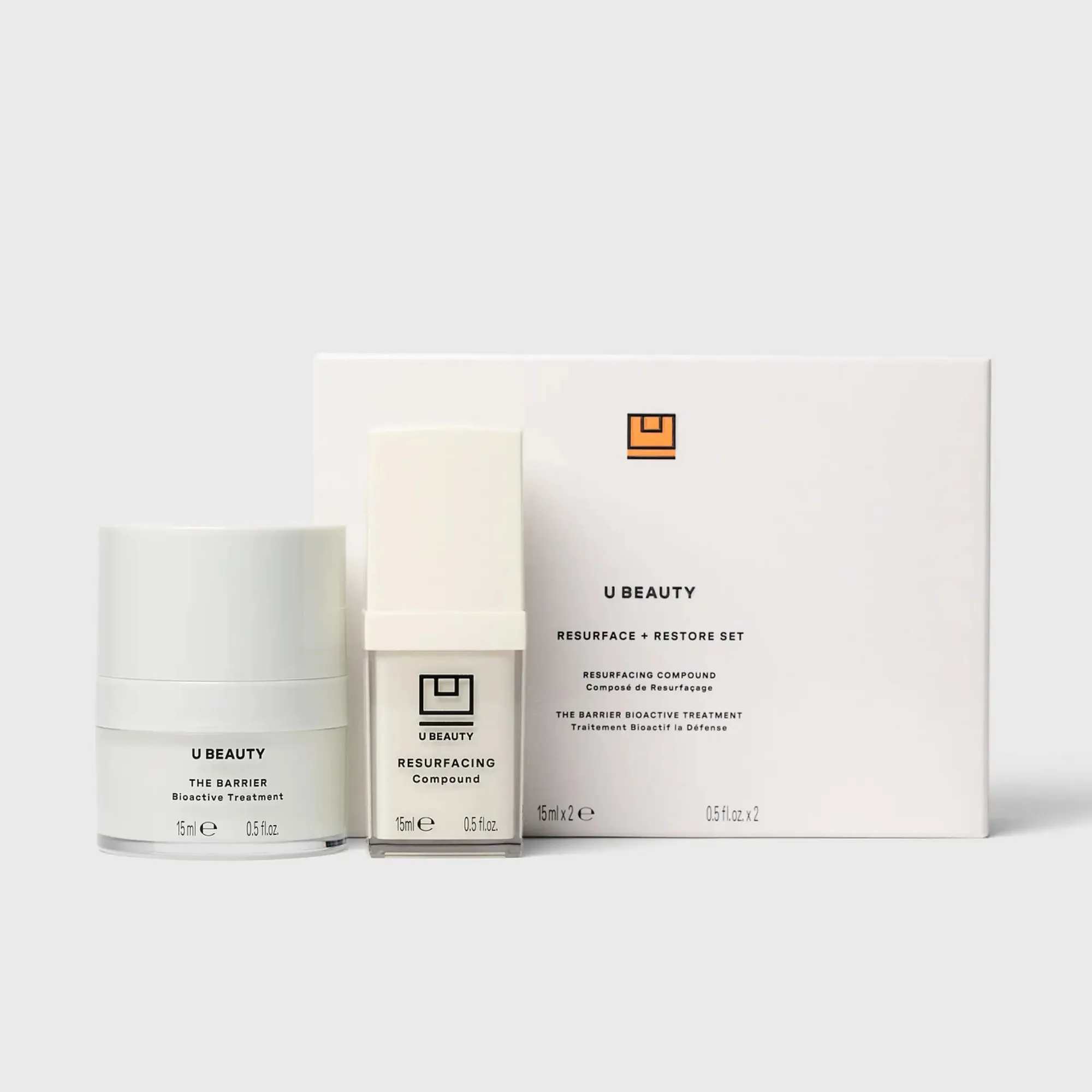
Caring for your skin after resurfacing is just as important as the treatment itself. By following a gentle, hydrating, and protective routine, you can ensure a smooth recovery and enjoy lasting results. Remember to listen to your skin and adjust your routine as needed. For a complete post-resurfacing regimen, consider exploring The Resurface + Restore Set, which is designed to support your skin's recovery and enhance your glow.