Quick answer
Look for an adjustable seat height that matches your child's inseam, a lightweight frame, and air-filled or foam tires for stability. For toddlers 10–36 months, choose a bike with a low step-over height and no pedals so they can focus on balancing.
Why adjustable height matters most
A balance bike should let your child's feet rest flat on the ground while seated. This gives them the confidence to push off and stop safely. Adjustable seat posts accommodate growth spurts, so you won't need a new bike every season.
Check the minimum seat height against your child's inseam. Most toddlers start with a seat height of about 12 inches. A bike that adjusts up to 16 inches or more will last longer.
Weight: lighter is better for young riders
Toddlers have limited strength. A heavy balance bike can be frustrating to maneuver. Look for a bike under 5 pounds when possible. Steel frames are durable but heavier; aluminum or composite frames save weight.
If the bike weighs more than 30% of your child's body weight, they may struggle to control it. That's especially important for children under 18 months.
Tire type: foam vs. air vs. plastic
Air tires offer the smoothest ride and best grip on pavement, grass, or gravel. Foam tires never go flat and require no maintenance. Solid plastic tires are cheapest but provide less traction and a bumpier ride.
For indoor or flat sidewalk use, foam or plastic tires work fine. If your child will ride on uneven terrain, air tires are worth the extra cost.
Brakes: when to consider them
Most balance bikes for toddlers under 3 years old don't have hand brakes. Children this age learn to stop by putting their feet down. Hand brakes can be confusing and may not fit small hands well.
If your child is closer to 3 years old and rides at higher speeds, a bike with a simple rear coaster brake can help them transition to a pedal bike later.
How to choose the right balance bike: decision rules
- Measure your child's inseam: Have your child stand with shoes off. Measure from the floor to their crotch. The bike's minimum seat height should be at or below this measurement. If the seat can't go low enough, your child won't be able to place both feet flat.
- Choose the right tire type for your terrain: Air tires for mixed outdoor use (pavement, grass, gravel). Foam tires for low-maintenance riding on smooth surfaces. Solid plastic tires only for indoor or very flat sidewalks.
- Check the bike's weight: Weigh the bike before buying. A bike under 5 pounds is ideal for toddlers 18 months and younger. For older toddlers, up to 7 pounds is acceptable if the bike has air tires or a durable frame. Heavier bikes can slow down learning and make the bike harder to control.
- Decide on brakes: Skip brakes for children under 3. They stop naturally with their feet. For older or faster riders, a rear coaster brake can help, but avoid hand brakes until the child is ready for a pedal bike. No brakes = simpler learning curve for young toddlers.
- Consider the handlebar grip and turn limit: Look for rubber grips that fit small hands. A steering limiter prevents the front wheel from turning too sharply, reducing the chance of tipping. A steering limiter is especially helpful for beginners under 2 years old.
Balance bikes we recommend
-
Adjustable Baby Balance Bike for 10-36 Months Toddlers | First Gift: Adjustable seat for 10–36 months, designed to encourage walking, riding, and balance skills. This bike grows with your child, so you don't have to buy a new one as they get taller.
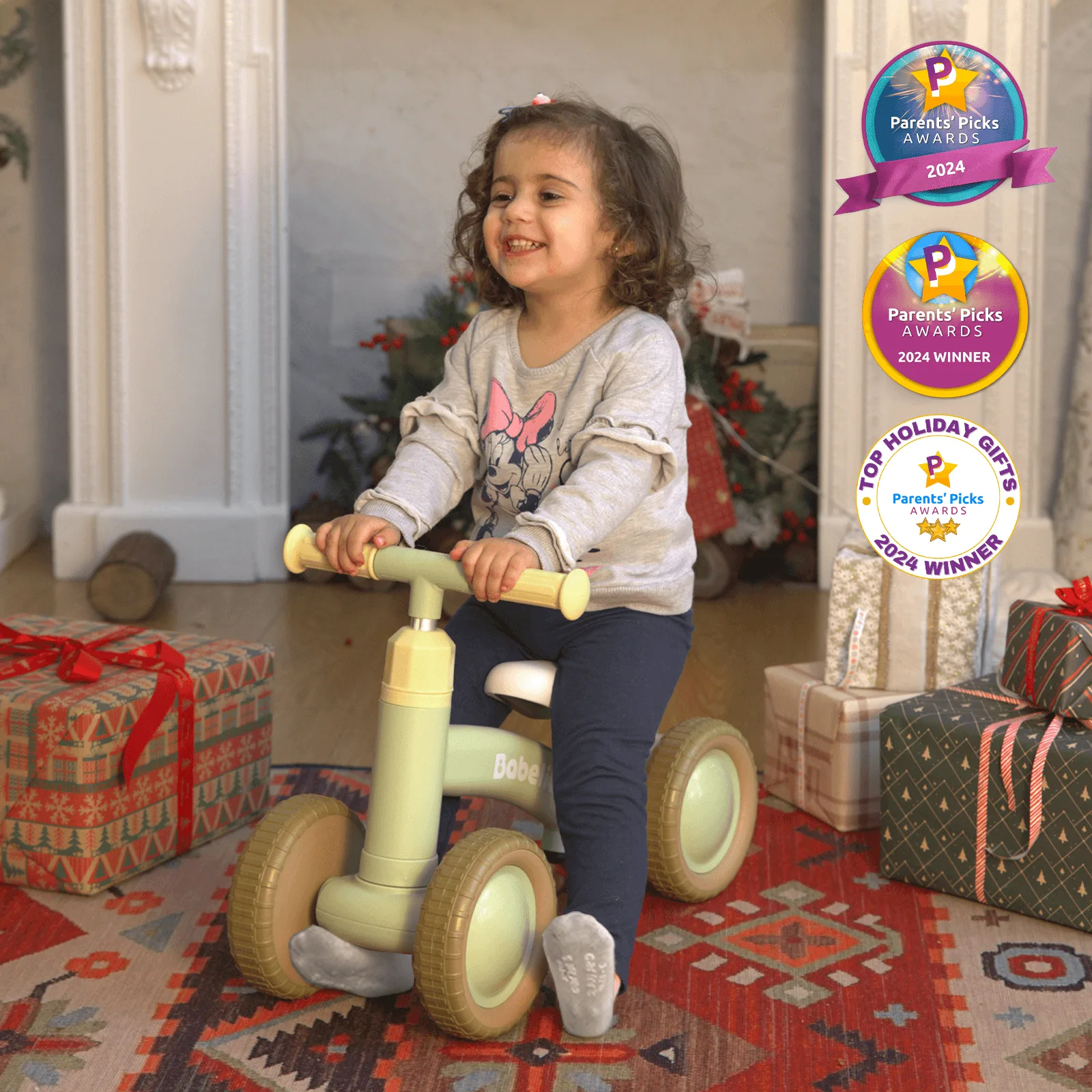
Adjustable Baby Balance Bike for 10-36 Months Toddlers | First Gift
-
Magic Rider | Unicorn Balance Bike for Toddlers | Perfect for 1st Birthday Gift: Unicorn-themed design for toddlers 10–36 months, built to build balance and confidence through imaginative play. The playful unicorn look makes it a memorable first birthday gift while still teaching essential balancing skills.
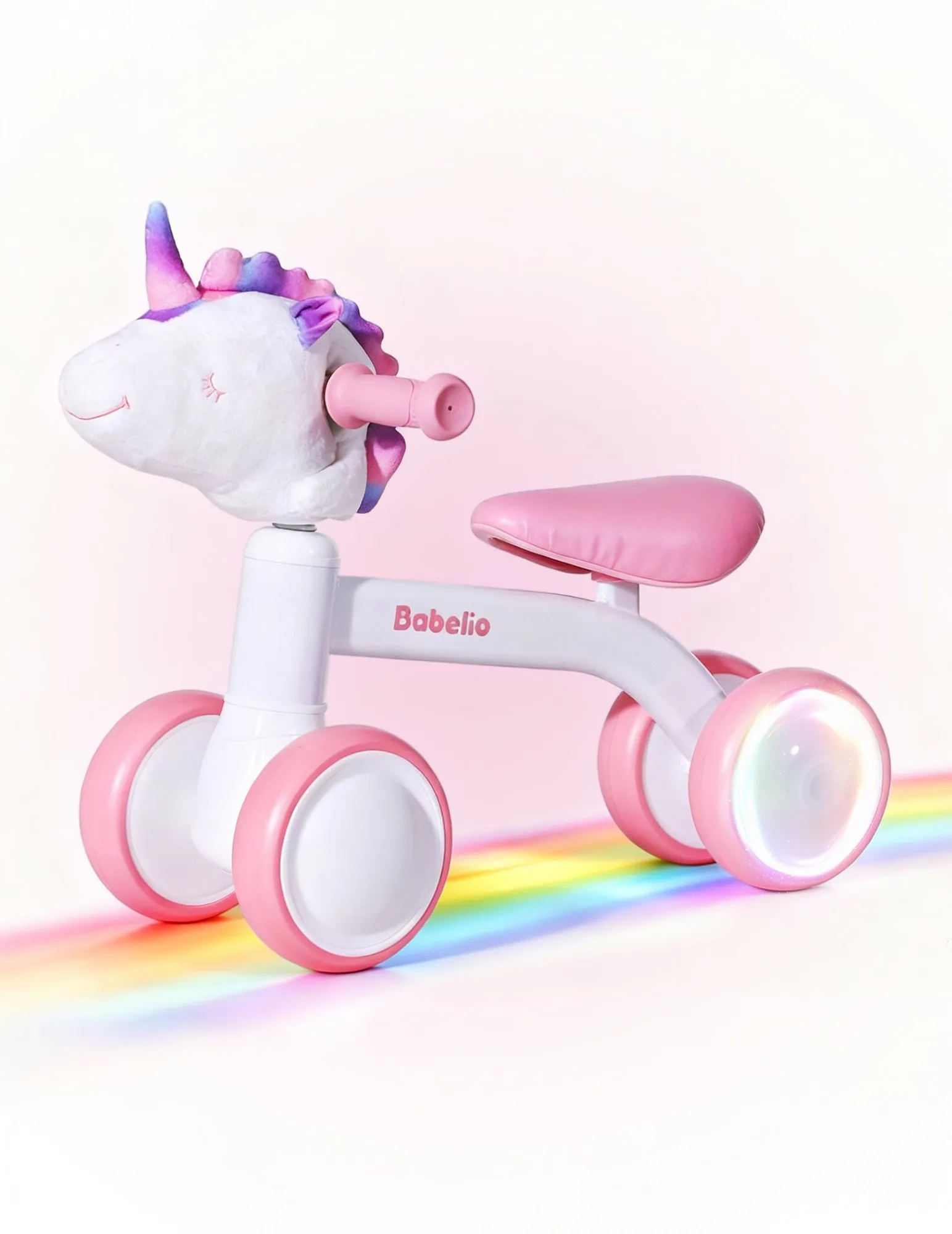
Magic Rider | Unicorn Balance Bike for Toddlers | Perfect for 1st Birthday Gift
Which balance bike fits your child?
Best for
- Toddlers 10–24 months who are just starting to walk and need a very low seat height
- Children who will ride mostly on smooth sidewalks or indoors
Not ideal for
- Children over 3 years old who are tall for their age (they may need a larger wheel size or a bike with a longer seat post range)
- Riders who need a bike for rough off-road trails (consider a model with air tires and a longer wheelbase)