Quick answer
For most newborns, a ring sling offers the easiest adjustability and a snug, upright position that supports safe breathing. Wraps provide more custom tension but take practice. Soft-structured carriers are convenient once your baby reaches the minimum weight. Focus on a carrier that keeps the baby's chin off the chest and allows you to see their face.
What to Look for in a Newborn Carrier
A safe newborn carrier must support the baby's head and neck, keep the airway clear, and allow you to easily monitor breathing. Look for a design that lets you position the baby high and close enough to kiss their forehead. The carrier should also distribute weight evenly across your shoulders and back to prevent strain during longer carries.
Newborns need a carrier that accommodates their small size without gaping or bunching. Adjustable features—like sliding rings or wrap tails—let you fine-tune the fit as your baby grows. Avoid carriers that force the baby's legs into an unnatural position or have fabric that presses on the back of the head.
Ring Slings: A Top Pick for Newborns
Ring slings are a popular choice for newborns because they offer quick, one-handed adjustments and a custom fit. The fabric passes through two rings, allowing you to tighten or loosen the sling without removing it. This makes it easy to switch from holding to carrying and back again. The Murphy Linen Sling from WildBird, for example, uses a soft taupe and sand check that blends into everyday wear while providing a secure seat for your baby.
- Pros: Easy to adjust, compact, great for quick ups and downs, works for newborns through toddlers.
- Cons: Weight is carried on one shoulder, which can become tiring during long walks; requires practice to thread the rings correctly.
Wraps: Custom Tension for Tiny Babies
Woven or stretchy wraps distribute weight across both shoulders and your back, making them comfortable for extended wear. They allow you to create a perfectly snug pocket for a newborn, supporting the natural curvature of the spine. The learning curve is steeper than a ring sling, but many parents find the custom tension worth the effort. Wraps are especially helpful for very small or premature babies who need extra support.
- Pros: Even weight distribution, highly customizable fit, suitable for newborns and older babies.
- Cons: Requires practice to tie safely, can feel warm in hot weather, takes longer to put on than a sling.
Soft-Structured Carriers: Convenience After the First Weeks
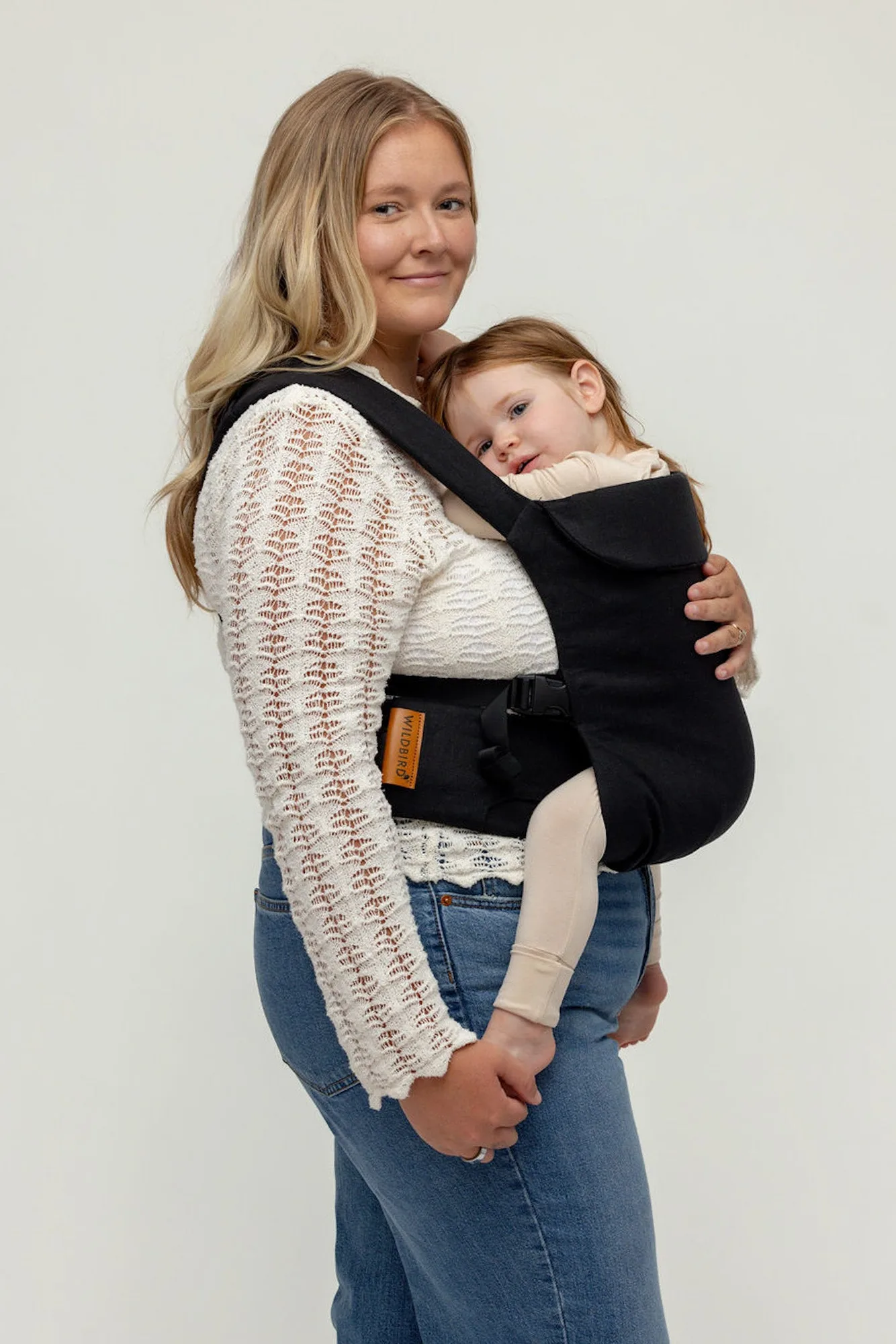
Soft-structured carriers (SSCs) are a convenient option once your newborn reaches the minimum weight, usually around 7–8 pounds. They clip on like a backpack and offer good support for both parent and baby. Many SSCs include an infant insert to provide proper head and neck support for younger babies. They are less adjustable than slings or wraps, so it's important to check the fit carefully.
- Pros: Quick to put on, even weight distribution, easy to use for multiple caregivers.
- Cons: Bulkier to store, may not fit very small newborns without an insert, less customizable than wraps.
Safety Checks for Any Newborn Carrier
Before each use, perform a quick safety check. Ensure the baby's face is visible and clear of fabric. The chin should not be pressed against the chest—leave at least a finger's width of space. The baby's back should be supported in a natural C-curve, and the knees should be higher than the bottom in a spread-squat position. Always follow the manufacturer's weight and age guidelines.
How to Decide: Newborn Carrier Quick Rules
- Ease of use: If you need a carrier you can put on and adjust in seconds, a ring sling wins. Wraps take 2–3 minutes to tie, and SSCs require buckling. Ring sling for quick trips; wrap for longer carries.
- Weight distribution: Ring slings put all weight on one shoulder. Wraps and SSCs spread weight across both shoulders and your back. Choose a wrap or SSC for extended wear; ring sling for short sessions.
- Fit for small newborns: Wraps offer the most customizable tension for tiny babies. Ring slings also work well. SSCs often need an infant insert. Wrap or ring sling for very small newborns; check SSC minimum weight.
Products That Fit the Newborn Carrier Guide
- Murphy - Linen Sling: The Murphy Linen Sling from WildBird is a warm, neutral check composed of soft taupe brown, muted sand, and creamy off-white tones. Available in Standard 74" size with a Bronze ring color option. The linen fabric is lightweight and breathable, ideal for warm weather or layering. The adjustable rings let you customize the fit as your newborn grows.
- Ringo - CloudBlend™ Footless Pajamas: The Ringo CloudBlend Footless Pajamas feature a soft sage green with mustard and rust ocean details. CloudBlend is a luxurious fabric designed for comfortable sleep. Pairing a comfortable carrier with soft, breathable sleepwear helps keep your newborn cozy and content during naps on the go.
Which Newborn Carrier Should You Choose?
Best for
- Parents who want a quick, adjustable carrier for short errands and around-the-house use
- Newborns who need a snug, upright position that's easy to check for safety
Not ideal for
- Long walks or extended wear where one-shoulder carriers cause discomfort
- Caregivers who prefer a carrier that doesn't require threading or tying