Quick Answer
To choose a balance chair, first measure the user's popliteal height (back of knee to floor) and match it to the seat height range. Then check the manufacturer's weight limit—most wobble chairs support 150–250 lbs, but always verify. For classrooms, prioritize a stable base, non-slip feet, and a size that fits under standard desks. If you need a swivel balance chair, confirm the weight limit and swivel resistance to avoid tipping.
Balance chairs, also called wobble chairs or active seating, are a popular tool for improving focus and posture in classrooms and home offices. But with so many sizes and styles, it's easy to pick one that's too tall, too small, or not stable enough. This guide gives you concrete rules for sizing, weight limits, and classroom fit so you can make the right choice.
We'll cover how to measure for the correct seat height, what to look for in a weight capacity, and how to match a chair to your desk setup. You'll also learn when a balance chair is the right tool and when another type of sensory seating might work better.
Start with Seat Height: The Most Important Measurement
The first rule of balance chair sizing is to measure the user's popliteal height—the distance from the floor to the back of the knee when sitting with feet flat. This measurement tells you the ideal seat height. A chair that's too high will cause your feet to dangle, reducing stability and defeating the purpose of active seating. A chair that's too low will force your knees above your hips, which can strain your lower back.
Most balance chairs have a seat height range, often adjustable. For children, typical ranges start around 12–16 inches; for adults, look for 18–22 inches. Always check the product's stated seat height range and compare it to your measurement. If you're between sizes, err on the side of a slightly lower seat—you can always add a cushion, but you can't lower a chair that's too high.
- Measure popliteal height with shoes on, as that's how the chair will be used.
- If the chair has a pneumatic lift, test the lowest setting to ensure feet rest flat.
- For growing kids, choose a model with a wider adjustment range to extend usability.
Weight Limits: Don't Guess, Check the Spec
Balance chairs have a maximum weight capacity, and exceeding it can cause instability, damage, or injury. The weight limit is not just about the frame—it also affects the base's grip and the pneumatic cylinder's performance. A swivel balance chair, for example, may have a lower weight limit than a stationary wobble chair because the swivel mechanism adds stress.
Look for the weight limit in the product specifications. If it's not listed, contact the seller or choose a different model. As a rule of thumb, add 10–20% buffer to the user's current weight to account for movement and leaning. For a classroom, where multiple students may use the chair, choose a weight limit that accommodates the largest expected user.
- Never exceed the stated weight limit, even briefly.
- Check if the weight limit includes the user's clothing and any items they might hold.
- For heavy-duty use, look for chairs with a reinforced steel base.
Classroom Fit: Stability, Desk Height, and Noise
In a classroom, a balance chair must fit under standard desks and be quiet enough not to disrupt lessons. Measure the desk height and the space between the floor and the desk underside. The chair's seat height should be adjustable so the user can sit with feet flat and arms at a 90-degree angle for writing. Also consider the chair's base: a wider base offers more stability but takes up more floor space.
Noise is another factor. Hard plastic bases can squeak or scrape on floors. Look for chairs with rubber or felt glides, or use a mat underneath to protect floors and reduce sound. Some classrooms prefer chairs with a swivel feature for dynamic movement, but a swivel can be distracting for some students. Start with a stationary wobble chair if you're unsure.
Finally, think about storage. Balance chairs that stack or are lightweight are easier to move between rooms. If you're outfitting a whole classroom, check the chair's weight and whether it can be carried easily by students.
- Test the chair on the actual floor type (carpet vs. hard floor) for stability.
- Consider a floor mat to protect flooring and reduce noise.
- If using for a reading corner, a balance chair may not be the best—see our fit guidance below.
Balance Chair vs. Stability Ball: Which Is Better?
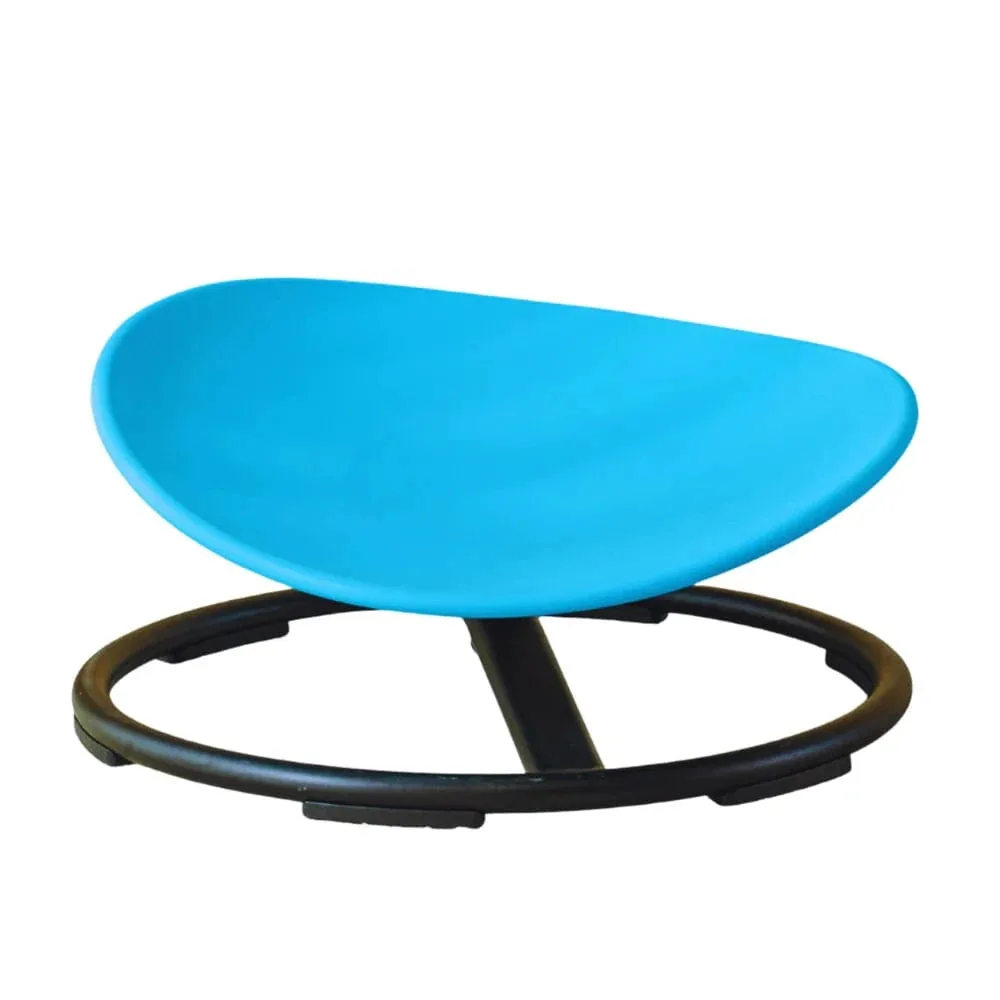
Balance chairs and stability ball chairs both promote active sitting, but they differ in support and movement. A balance chair (wobble chair) has a rigid seat and a base that tilts slightly, offering a controlled range of motion. A stability ball chair uses a large inflatable ball, which requires more core strength and balance. For most people, a balance chair is easier to use for long periods because it provides more support and doesn't roll away.
If you're choosing between the two, consider the user's balance skills and the task. For reading or writing, a balance chair offers more stability. For active movement or physical therapy, a stability ball might be better. Also, balance chairs are generally more classroom-friendly because they don't roll and are easier to store.
A swivel balance chair adds rotational movement, which can be helpful for sensory seekers who need vestibular input. But the swivel can be a distraction for others. Test both types if possible, and observe the user's focus and comfort.
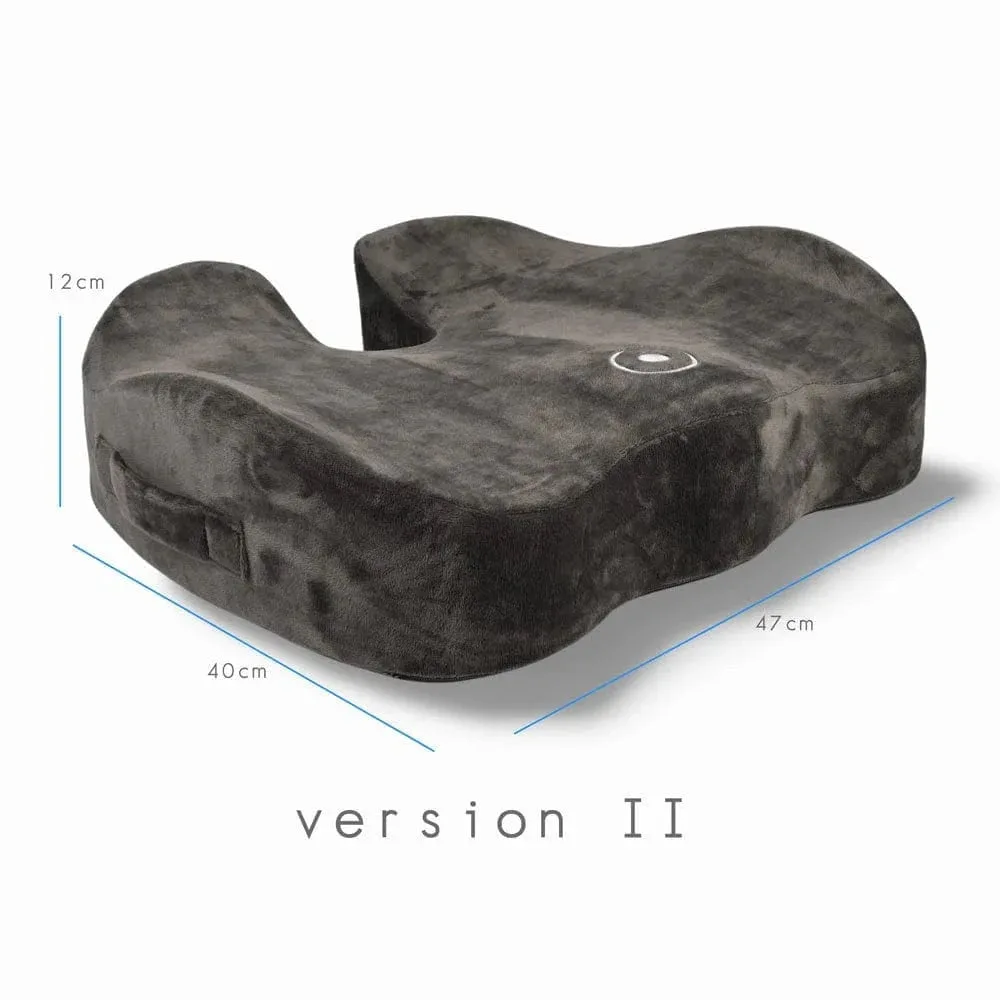
- For a first-time user, choose a balance chair with a low tilt range.
- If you need a swivel balance chair, check the weight limit and swivel resistance.
- Consider a stability ball chair only if the user has good core strength and balance.
Decision Rules for Choosing a Balance Chair
- Rule 1: Measure seat height first: Use popliteal height to find the correct seat height range. Adjustable seats are best for shared use. If the seat height doesn't match, don't buy it.
- Rule 2: Verify the weight limit: Check the product spec for the maximum weight. Add a 10–20% buffer for safety. If the weight limit is not listed, ask the seller or choose another model.
- Rule 3: Match the chair to the desk and floor: Ensure the chair fits under the desk and has non-slip feet or glides suitable for your floor type. Test the chair in the actual environment before buying.
- Rule 4: Consider the user's sensory needs: For sensory seekers, a swivel balance chair provides more vestibular input. For over-responsive users, a stationary wobble chair may be less overwhelming. Start with a stationary model if you're unsure.
Related Sensory Seating Options
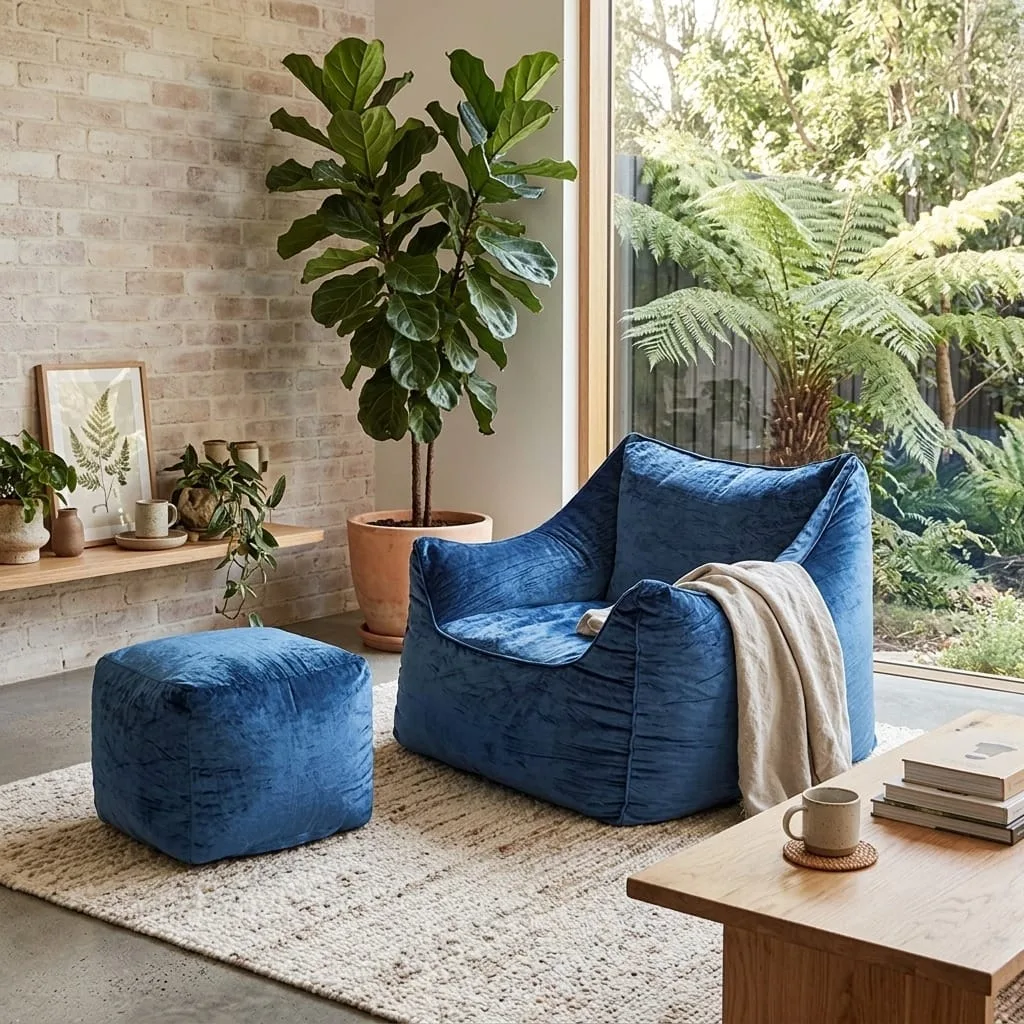
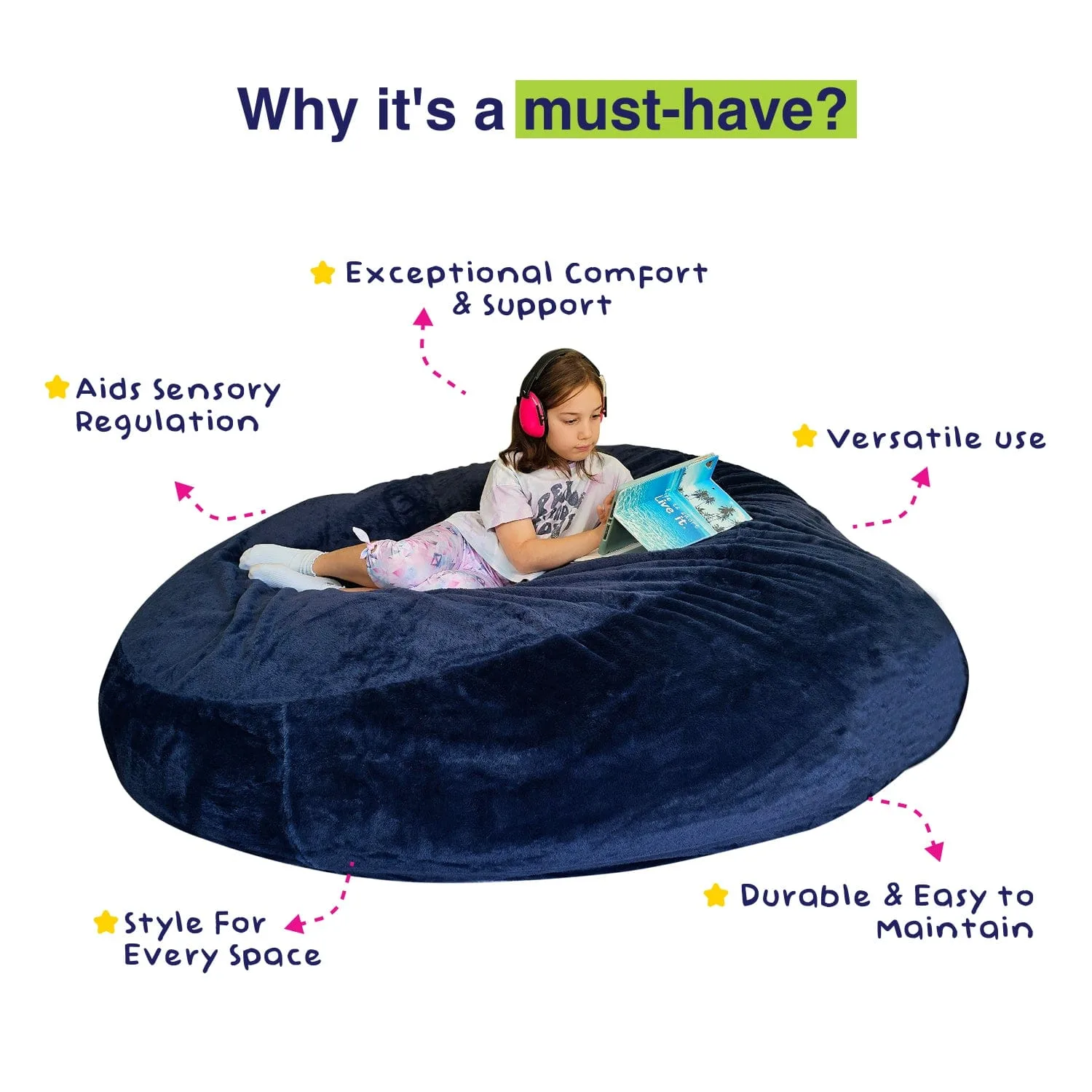
- Sensory Pod Plush Filled Beanbag: Sensory Pod Plush Filled Beanbag: A Soothing Retreat for All Ages. It's a plush-filled sensory bean bag designed to provide a calming haven, perfect for relaxation, focus, or a peaceful moment. If a balance chair is too stimulating or not comfortable for quiet reading, a plush beanbag offers a different type of sensory input—deep pressure and a cozy nest—which can be better for calming down.
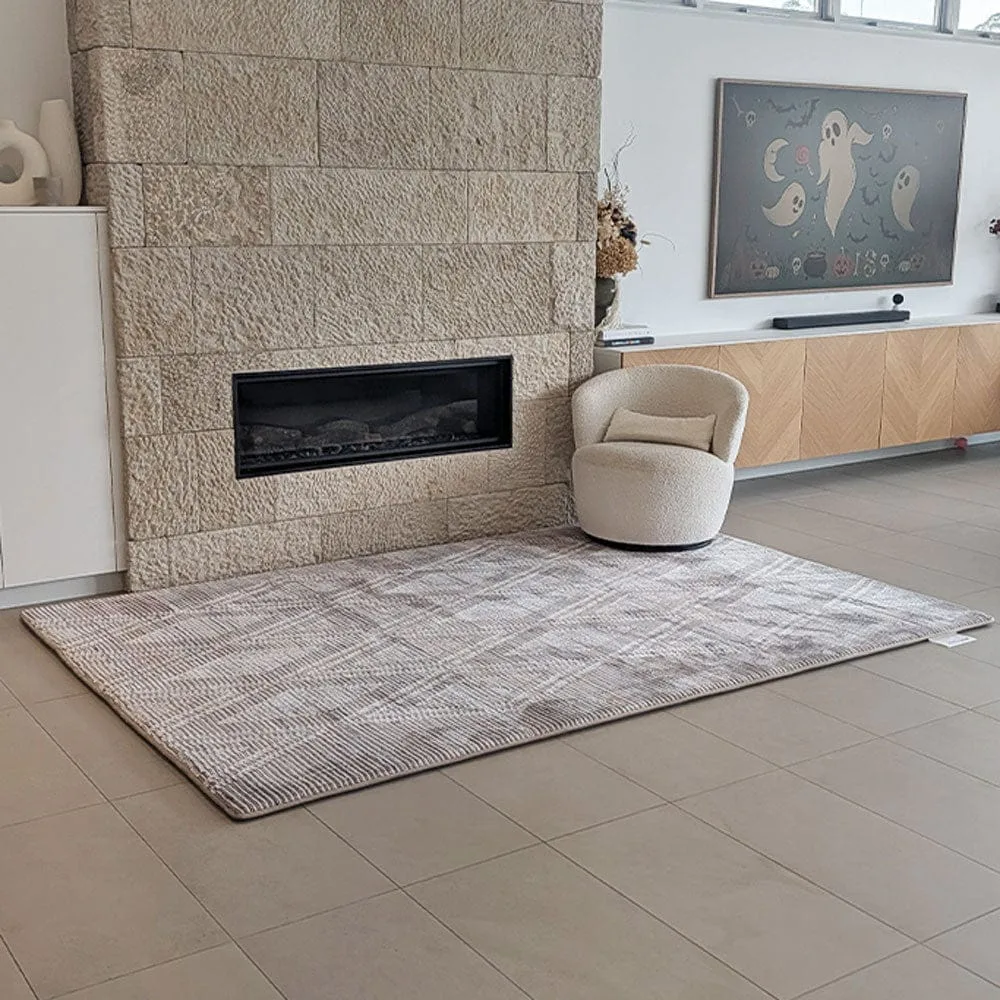
- The Mellow Mat v2® Designer Print | Arcade (Soft Touch Sensory Tatami Rug) PR10 {CLEARANCE}: The Mellow Mat® Designer Print Edition | Arcade is a 35mm thick slow rebound Memory foam mat/rug with a bold and contemporary design. Pair a balance chair with a soft mat underneath to reduce noise and protect floors. The slow-rebound foam also provides a comfortable surface for floor activities when the chair is not in use.
Who Should Use a Balance Chair?
Best for
- Students who need to fidget to maintain focus during desk work
- Adults who sit for long periods and want to improve posture and core engagement
Not for
- Individuals with severe balance impairments or who require full back support
- Quiet reading corners or relaxation zones where a plush beanbag or mat is more calming
Choosing a balance chair comes down to three numbers: seat height, weight limit, and desk clearance. Measure carefully, check the specs, and test the chair in its intended space. If a balance chair doesn't fit the user's needs, consider a plush beanbag or a soft mat for a different sensory experience. The right seating can make a real difference in focus and comfort.