Quick answer
Choose a battery plate that matches your camera's battery model and is compatible with your NanGuang light. Confirm the plate's connector and build quality to ensure a secure fit and reliable power.
Why compatibility matters first
A battery plate is a simple adapter, but it only works if both ends match. The plate must fit your specific camera battery model and the power input of your NanGuang LED light. Most NanGuang plates are designed for a range of their lights, but you should always verify that your light model is supported.
If you own multiple cameras with different battery types, you may need separate plates for each. That’s normal—plates are inexpensive and specific to a battery shape, so plan accordingly.
Check the battery model, not the camera brand
Battery plates are labeled by battery model, not camera brand. For example, a plate for Nikon EN-EL3E works with batteries that share that model number, even if they come from different cameras. Always check the battery model printed on your battery before ordering.
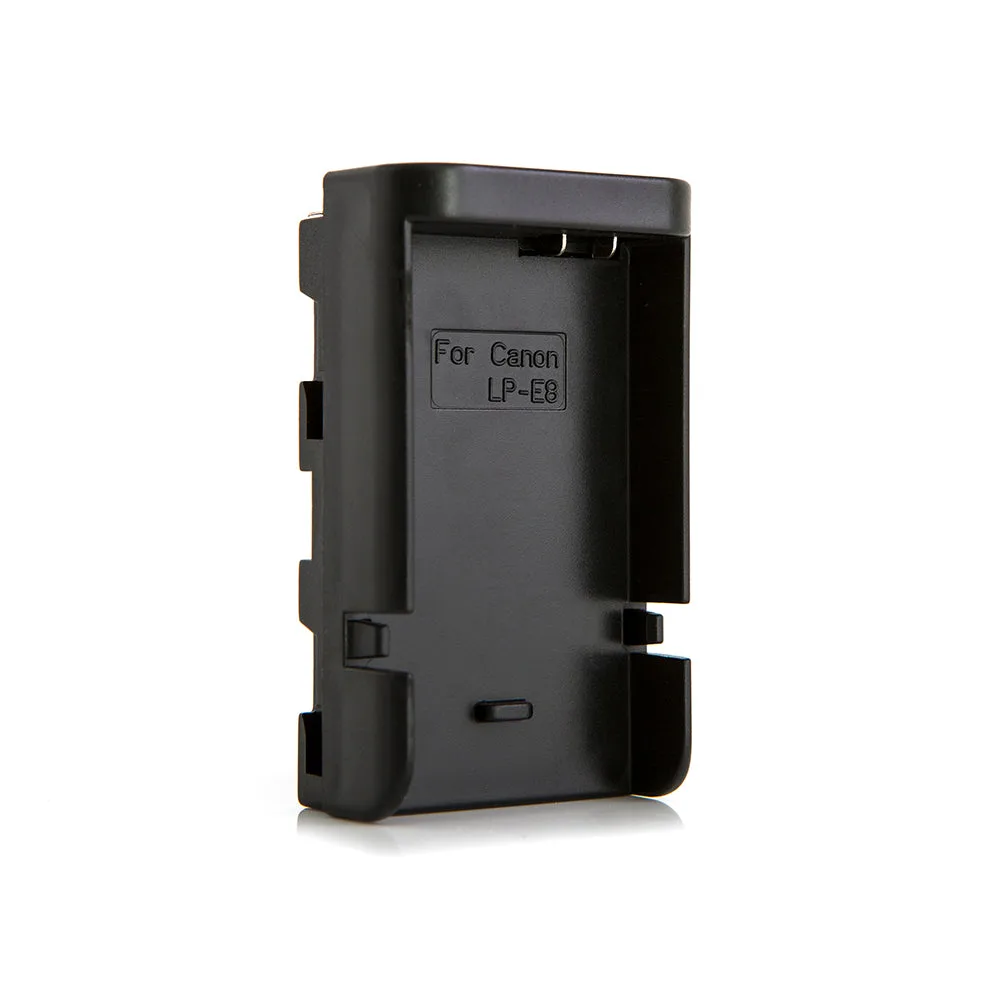
If you have a Canon camera that uses LP-E8 batteries, look for a plate that explicitly lists LP-E8 compatibility. Using the wrong plate can damage the connector or fail to power your light.
How to choose your battery plate
- Identify your camera battery model: Remove the battery from your camera and note the exact model number printed on it (e.g., EN-EL3E, LP-E8, D16). This is the primary spec you’ll match. A common mistake is assuming a plate fits all cameras from the same brand—verify the model number.
- Confirm your NanGuang light compatibility: Check your NanGuang light’s manual or product page to see which battery plates it supports. Most plates work with the majority of battery-powered NanGuang lights, but not all. If your light isn’t listed, contact the manufacturer before buying; don’t assume compatibility.
- Match the plate to your battery model: Select a battery plate that explicitly lists your battery model. For example, the NanGuang Battery Plate for Nikon EN-EL3E supports EN-EL15 and EN-EL3E batteries, while the Canon LP-E8 plate is for LP-E8 batteries. Double-check the plate’s supported battery list—using the wrong one can lead to poor contact or damage.
- Inspect build quality and connector: Look for a sturdy plate with a secure locking mechanism and a connector that matches your light’s input. A flimsy plate may cause intermittent power loss during shoots. Read user reviews for reports of loose fits or connector issues—these are red flags.
- Consider your battery inventory: If you already own batteries from a specific system (e.g., Panasonic D16), choose a plate that uses them to save money. Otherwise, factor in the cost of buying new batteries, since plates don’t include them. A cheap plate can become expensive if you need to buy new batteries—check what you have first.
Battery plates to consider
-
NanGuang Battery Plate for Panasonic D16: This battery adapter plate works with the majority of battery-powered NanGuang products and lets you use existing Panasonic D16 batteries with your NanGuang LED light. Batteries not included. If you already own Panasonic D16 batteries, this plate saves you from buying new ones and keeps your setup consistent.
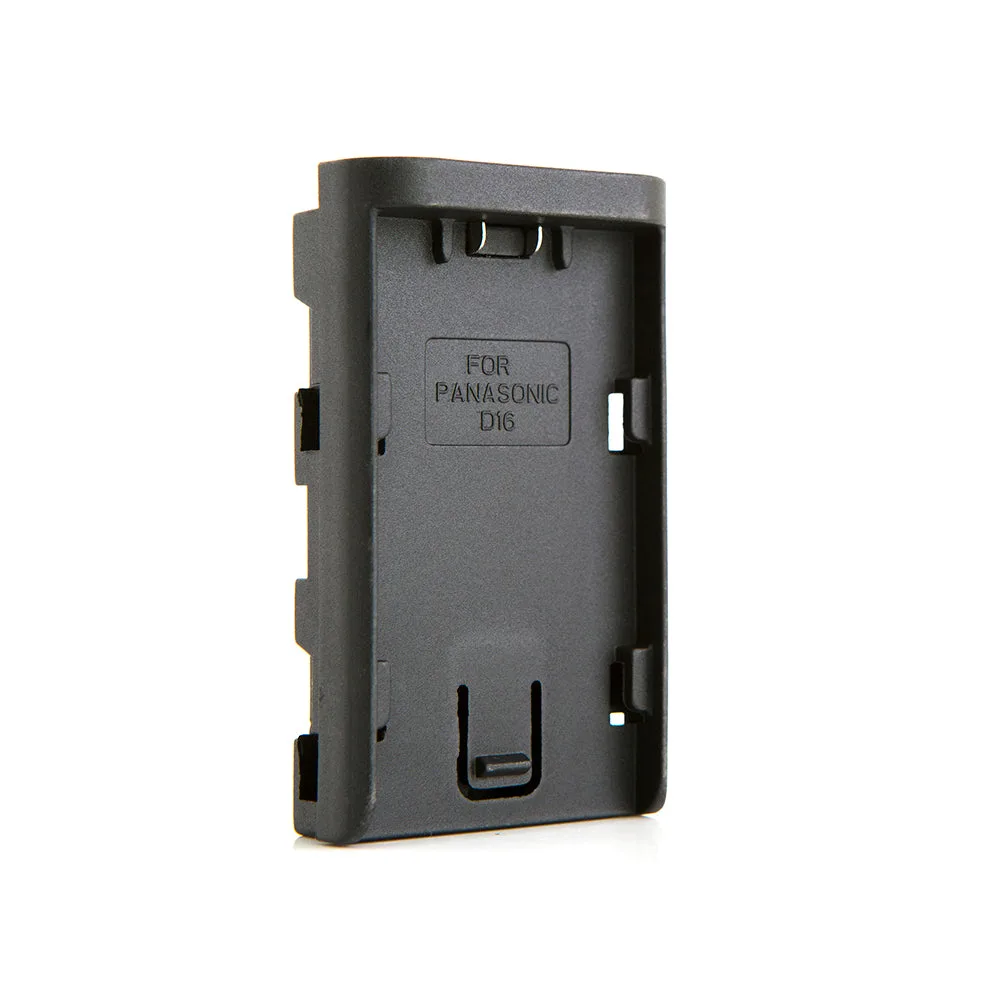
NanGuang Battery Plate for Panasonic D16
-
NanGuang Battery Plate for Nikon EN-EL3E: This battery adapter plate is compatible with the majority of battery-powered NanGuang products and supports Nikon EN-EL15 or EN-EL3E batteries. Batteries not included. It gives Nikon shooters a flexible option to power NanGuang lights using batteries they already have.
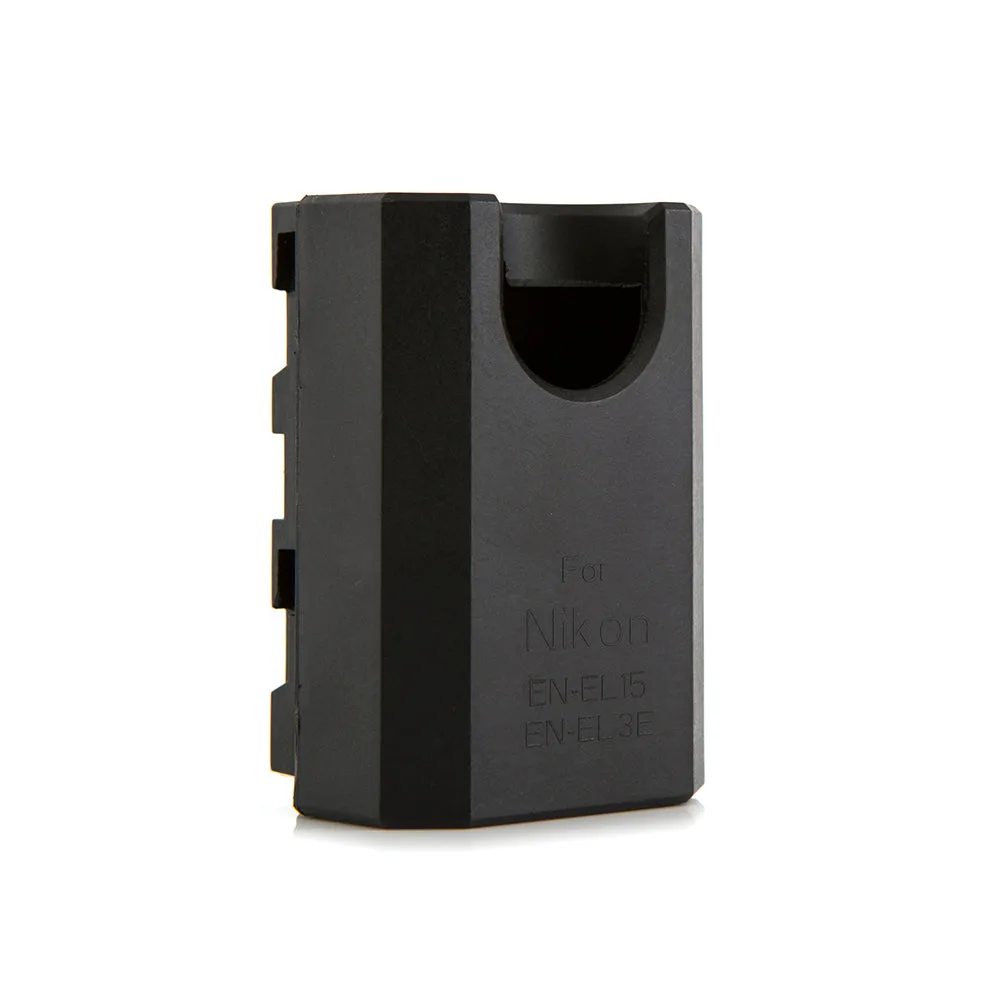
NanGuang Battery Plate for Nikon EN-EL3E
-
NanGuang Battery Plate for Canon LP-E8: This battery adapter plate works with the majority of battery-powered NanGuang products and accepts Canon LP-E8 batteries. Batteries not included. Canon users can repurpose their LP-E8 batteries for lighting, reducing the need for extra battery types.