Quick answer
To choose a birthstone necklace, start with the birth month and then weigh stone durability against your daily wear habits. For a meaningful, low-maintenance piece, choose a solid gold pendant with a hard stone like garnet; for a more delicate, statement look, an opal pendant works best for occasional wear.
A birthstone necklace is more than an accessory—it's a personal talisman that marks a date, a person, or a milestone. Whether you're buying for yourself or as a gift, the choice between opal, garnet, and ruby pendants can feel overwhelming. This guide breaks down the practical differences—durability, color versatility, and symbolism—so you can choose with confidence.
We focus on solid gold pendants because gold is a timeless metal that complements every skin tone and resists tarnishing. But the stone you choose matters just as much. Let's compare the three most requested birthstones and give you clear decision rules.
Why Birthstone Choice Matters: Durability and Daily Wear
The first practical consideration is hardness. If you plan to wear your birthstone necklace every day, you need a stone that can handle bumps and scratches. Garnet scores 6.5–7.5 on the Mohs scale, making it tough enough for daily wear. Ruby (a variety of corundum) is even harder at 9, second only to diamond. Opal, however, is softer (5.5–6.5) and more prone to scratching and cracking, so it's better reserved for special occasions.
Think about your lifestyle. Do you work with your hands, exercise often, or wear your necklace 24/7? If yes, choose garnet or ruby. If you're buying a piece for evenings, celebrations, or as a delicate heirloom to wear occasionally, an opal pendant's unique play-of-color is worth the extra care.
- Garnet: durable, ideal for everyday wear.
- Ruby: hardest of the three, very scratch-resistant.
- Opal: softer, requires gentle handling and occasional wear.
Color and Styling: Matching the Stone to Her Wardrobe
Color is the most visible difference. Garnet offers a deep, rich red that ranges from brick to burgundy—it adds warmth to neutral outfits and pairs beautifully with gold. Ruby is a vivid, slightly brighter red with a hint of pink, making it a more striking statement. Opal, especially Australian opal, displays a milky base with flashes of blue, green, and orange, creating a unique, iridescent effect that changes with movement.
Consider her existing jewelry and clothing. If she wears mostly gold and earth tones, a garnet necklace will blend seamlessly. If she loves bold, colorful pieces, a ruby pendant makes a clear focal point. An opal pendant works best for someone who appreciates one-of-a-kind, artistic jewelry and doesn't mind that the stone's appearance varies depending on the light.
- Garnet: versatile, complements gold and neutral palettes.
- Ruby: bold, high-impact red that stands out.
- Opal: unique, color-shifting, best for artistic styles.
Symbolism and Personal Meaning
Each birthstone carries centuries of symbolism. Garnet, January's birthstone, has been used since ancient Egypt and Rome as a protective stone—its name comes from the Latin for pomegranate seed. It's linked to passion and protection, making it a meaningful gift for a partner or someone starting a new chapter. Ruby, July's birthstone, represents love, courage, and vitality. Opal, October's birthstone, has long been associated with transformation and creativity.
When choosing, think about the message you want to send. A garnet necklace says 'I protect you'; a ruby pendant says 'I admire your strength'; an opal necklace says 'I celebrate your uniqueness.' If the recipient has a birthstone that isn't one of these three, you can still choose based on symbolism—just know that the stone's meaning may differ from their birth month.
- Garnet: passion, protection, ancient history.
- Ruby: love, courage, vitality.
- Opal: transformation, creativity, uniqueness.
Solid Gold Settings: Why Metal Matters
The setting is as important as the stone. Solid gold (9K or 14K) is more durable than gold-plated or gold-filled options—it won't flake or tarnish, and it's safe for sensitive skin. A solid gold pendant also holds its value and can be passed down as an heirloom. When you invest in a birthstone necklace, choose a solid gold setting to ensure longevity.
Look for secure settings like bezel or claw settings. A bezel setting protects the stone's edges, which is especially important for softer stones like opal. A claw setting allows more light to enter the stone, enhancing its brilliance, but leaves the stone more exposed. For an opal pendant, a bezel setting is a safer choice; for garnet or ruby, a claw setting can showcase the stone's fire.
- Bezel setting: protects stone, ideal for opal.
- Claw setting: highlights brilliance, good for hard stones.
- Solid gold: hypoallergenic, durable, heirloom-worthy.
Your Birthstone Necklace Decision Rules
- If she wears jewelry 24/7: Choose a hard stone like garnet or ruby. Both resist scratches and can handle daily wear. An opal pendant is too delicate for constant use. Pick garnet or ruby for everyday durability.
- If she values unique, artistic pieces: An opal pendant offers a one-of-a-kind play-of-color that changes with light. Accept that it requires occasional wear and gentle care. Choose opal for a statement, not for daily wear.
- If the gift is for a specific birth month: Match the stone to the birth month: garnet for January, ruby for July, opal for October. If you're unsure of the birthstone, choose based on color or symbolism instead. Use birth month as a starting point, not a strict rule.
Solid Gold Birthstone Pendants to Consider
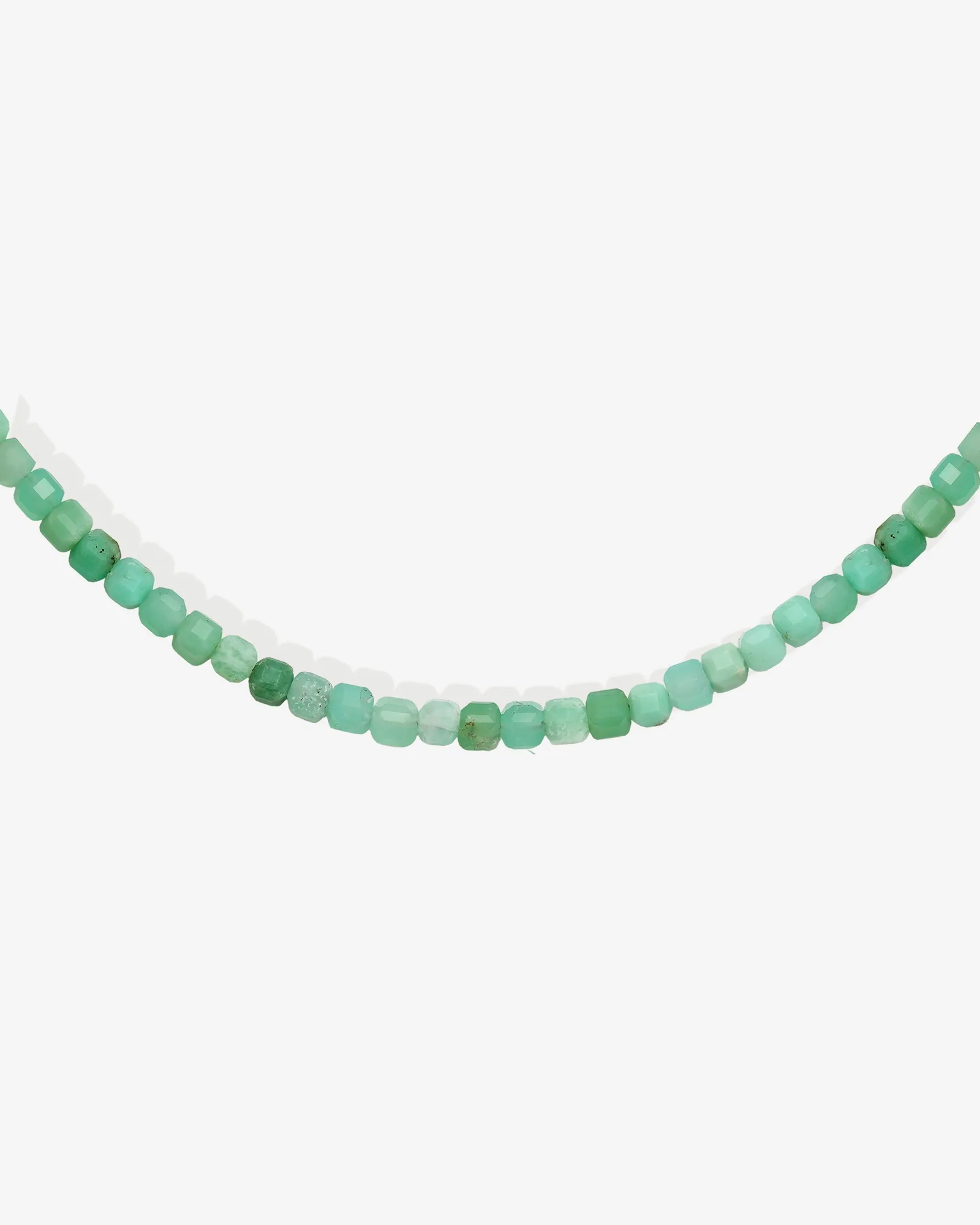
- Lucien Garnet Bead Necklace Solid Gold: The Lucien Garnet Bead Necklace strings natural red garnet beads in solid 9K yellow gold, finished with a 6mm ball clasp and handcrafted in Australia. Garnet takes its name from the Latin ‘granatus’ - a pomegranate seed - and was inlaid into Egyptian jewellery and used by Roman senators to seal official documents; January’s birthstone, and one of antiquity’s longest-held protective stones. This piece offers a full necklace of garnet beads, not just a single pendant, giving you a bold, protective statement that's durable enough for daily wear. The solid gold clasp ensures longevity.
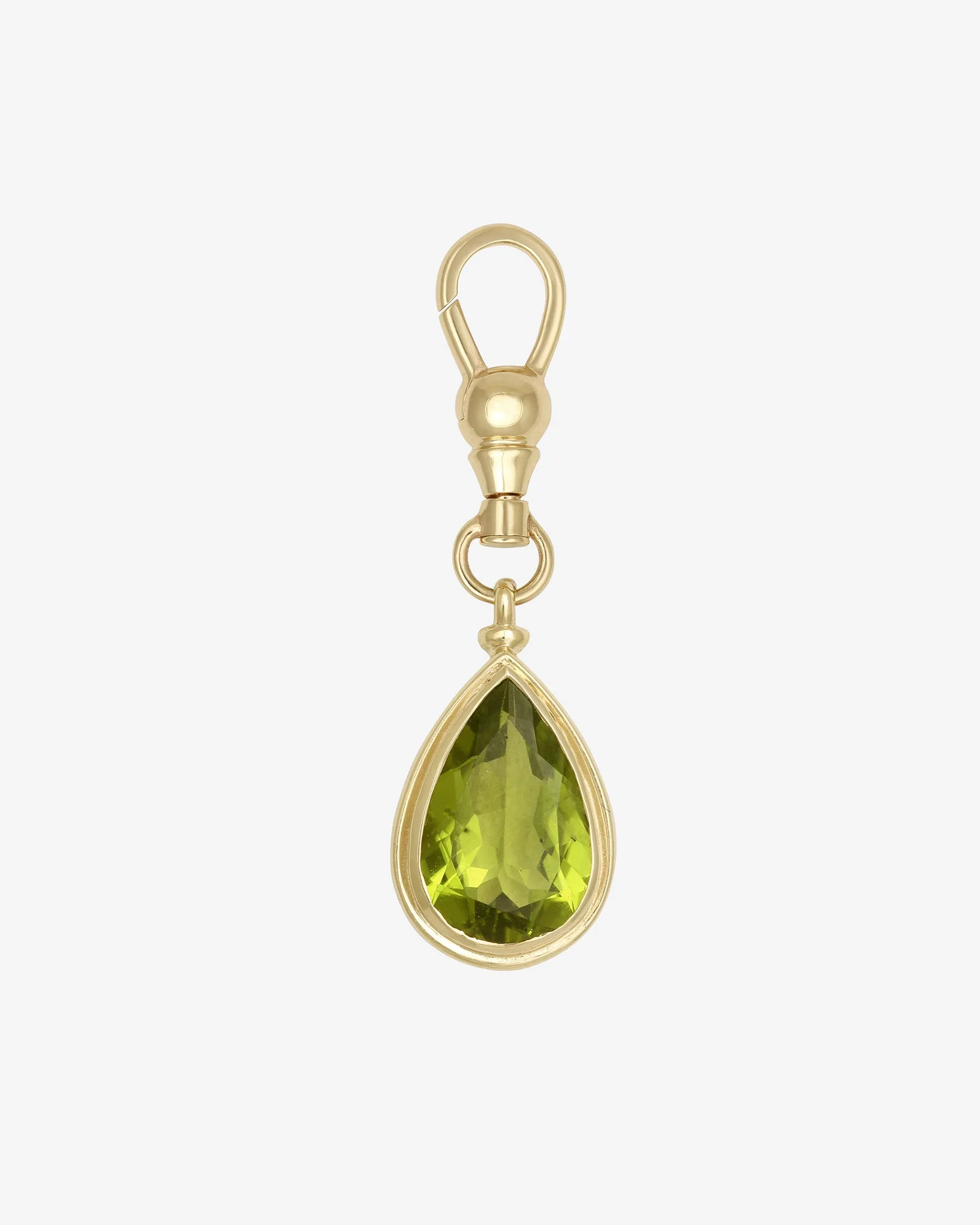
- Uma Quartz Pendant Solid Gold: The Uma Smoky Quartz Pendant brings a cool, architectural edge to contemporary fine jewellery. Designed to be a modern heirloom and crafted in solid 9K yellow gold, the pendant’s high-polished finish provides a warm, luminous contrast to the earthy richness of the quartz. The signature swivel clasp offers total styling freedom—clip it onto a delicate gold chain for a refined look. While not a traditional birthstone, smoky quartz is a versatile alternative for those who prefer a neutral, earthy tone. The swivel clasp lets you change chains easily, making it a flexible layering piece.
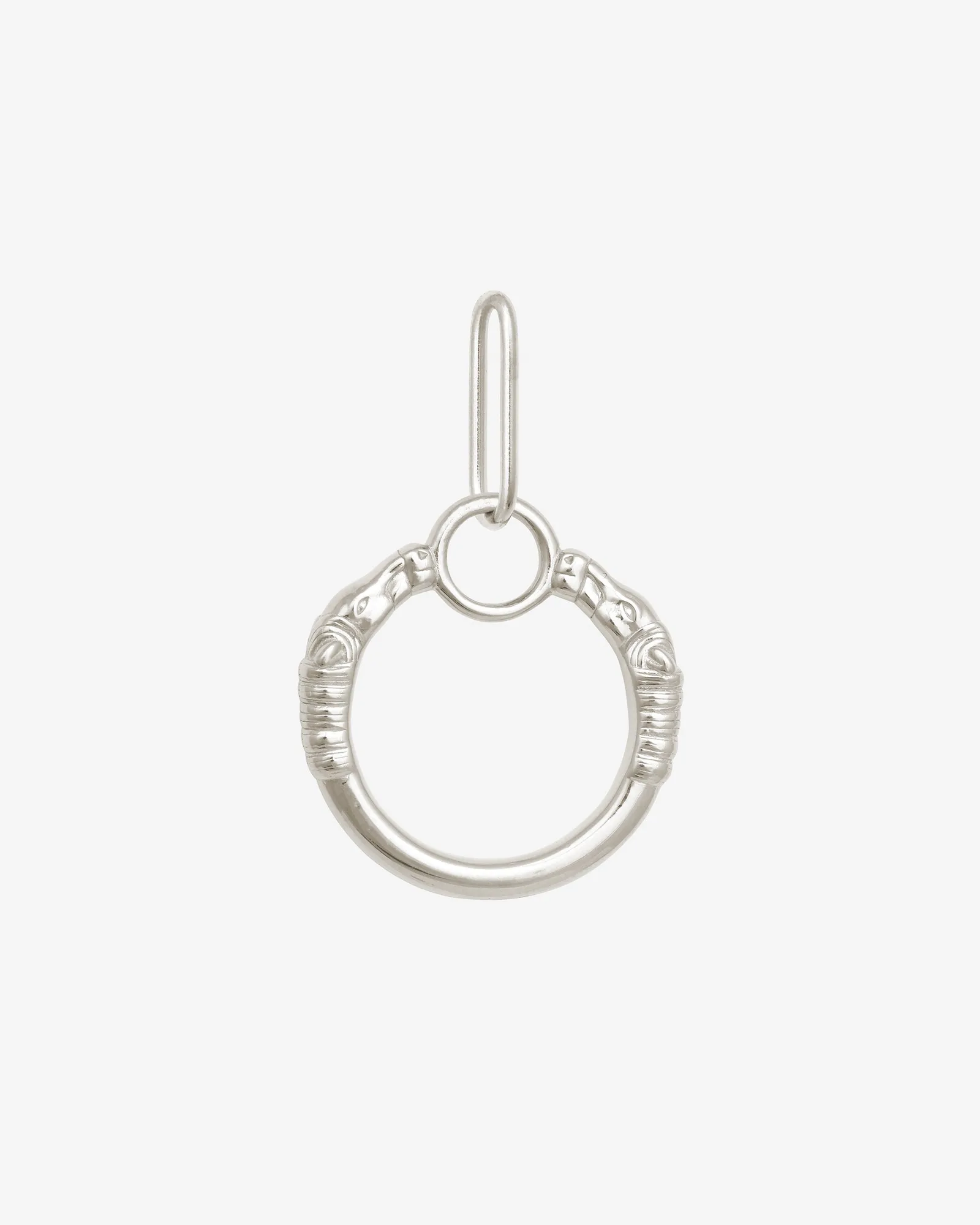
- Serpent Pendant Solid Gold: In cultures from ancient Egypt to classical Greece, the serpent carried a double charge: a symbol of transformation through its ability to shed its skin, and of protection in its role as guardian of sacred spaces. The Serpent Pendant renders this in solid 9K or 14K yellow gold, high-polished and designed to be layered and worn everyday. If you're drawn to symbolism rather than a specific birthstone, this pendant offers transformation and protection in a durable solid gold design. It's designed for everyday layering, so it suits a low-maintenance lifestyle.
Best For vs. Not For
Best for
- A garnet necklace: someone who wants a durable, protective, everyday piece with a rich red hue.
- A ruby pendant: someone who loves bold color and wants a high-impact statement that's also very scratch-resistant.
Not for
- An opal pendant: someone who needs a necklace for daily, rough wear—opal's softness makes it a poor choice for constant use.
- A ruby pendant: someone on a tight budget, as ruby tends to be more expensive than garnet or opal.
Choosing a birthstone necklace comes down to three factors: durability, color, and meaning. For everyday wear, pick garnet or ruby; for a unique, artistic touch, go with opal. Always choose a solid gold setting to protect your investment and ensure the piece lasts for years. Whether you're buying for a January baby or an October soul, the right birthstone pendant will feel personal and timeless.