Quick answer
For toddlers, prioritize a lightweight board with soft foam, a secure grip, and a size that matches their height and weight. The Veer Body Board is a strong option for beginners.
Why size matters for toddlers
A body board that is too long or heavy can be difficult for a toddler to control. Look for a board that reaches approximately from their chin to their navel when standing. This length gives enough float without being unwieldy.
Weight is just as important. Toddlers have limited upper body strength, so a board over 2 pounds can be tiring to carry and paddle. A lightweight EPS core, like the one in the Veer Body Board, helps keep effort low and fun high.
Safety features to look for
Soft, closed-cell foam decks prevent scrapes and provide a non-slip surface. Avoid boards with hard plastic edges or sharp fins. A leash is essential to keep the board from drifting away, but ensure it has a quick-release feature for safety.
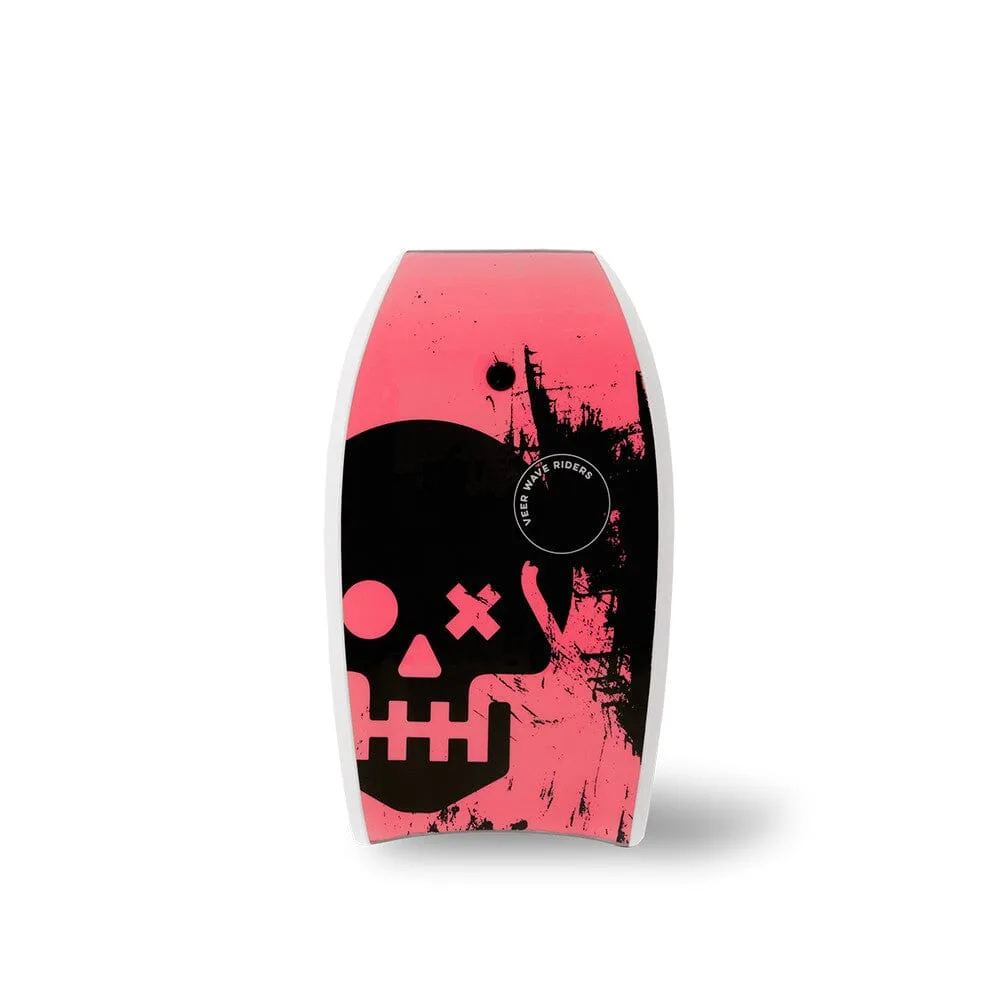
The Veer Body Board includes an IXPE foam deck and side rails, which offer comfort and grip without abrasion. Its crescent tail shape also enhances control, reducing the chance of the board sliding out from under your child.
Ease of use for beginners
A board with a smooth bottom (HDPE slick) reduces friction and helps toddlers catch small waves more easily. Dual channels on the bottom provide directional stability, making it simpler for kids to ride straight without veering off.
The 60/40 rail design on the Veer Body Board balances drive and maneuverability, so toddlers can learn to turn without the board feeling twitchy. This builds confidence as they progress from belly rides to kneeling and standing.
How to choose the right body board for your toddler
- Check the board length: Measure from your child's chin to their navel. That's the ideal board length for their size.
- Prioritize soft foam construction: Look for an IXPE or similar foam deck and side rails. Avoid hard plastic or sharp edges. Soft foam reduces injury risk and improves grip.
- Consider the bottom design: An HDPE slick with dual channels helps toddlers glide smoothly and stay straight on small waves.
- Use a safety leash: Always attach a leash with a quick-release feature to prevent the board from drifting. Teach your child how to release the leash before heading into the water.
- Test the weight: The board should be light enough for your toddler to carry and paddle without strain. Aim for under 2 pounds.
Featured product
-
Veer Body Board: The Veer Body Board features a responsive EPS core, an HDPE bottom slick, and an IXPE foam deck and side rails. This combination keeps the board lightweight (easy for toddlers to carry) while providing a soft, grippy surface that prevents slips and scrapes.
Veer Body Board
Who should choose this board
Best for
- Toddlers and young children (ages 2-5) who are new to body boarding
- Parents looking for a safe, lightweight board with soft foam and good control
Not for
- Older children or teens who need a larger, more performance-oriented board
- Advanced riders who want a board with sharp rails or fiberglass construction