Quick Answer
For most mirrorless shooters, a sling bag in the 6–10L range offers the best balance of protection, quick access, and everyday comfort. Match the bag to your largest lens and the way you shoot—not just the camera body—and prioritize padded dividers over sheer capacity.
Start with Your Largest Lens
Mirrorless bodies are small, but the lenses you mount can be surprisingly bulky. Before you look at any bag, measure the longest lens you own or plan to buy, and add a few centimeters for hoods and caps. That number determines the minimum internal depth and height you need.
A common mistake is buying a bag that fits the camera with a prime lens attached, then discovering your zoom or telephoto won't fit without removing the hood. Check the bag's dimensions against your gear with the lens mounted and ready to shoot.
Sling vs. Backpack: What Matters for Mirrorless
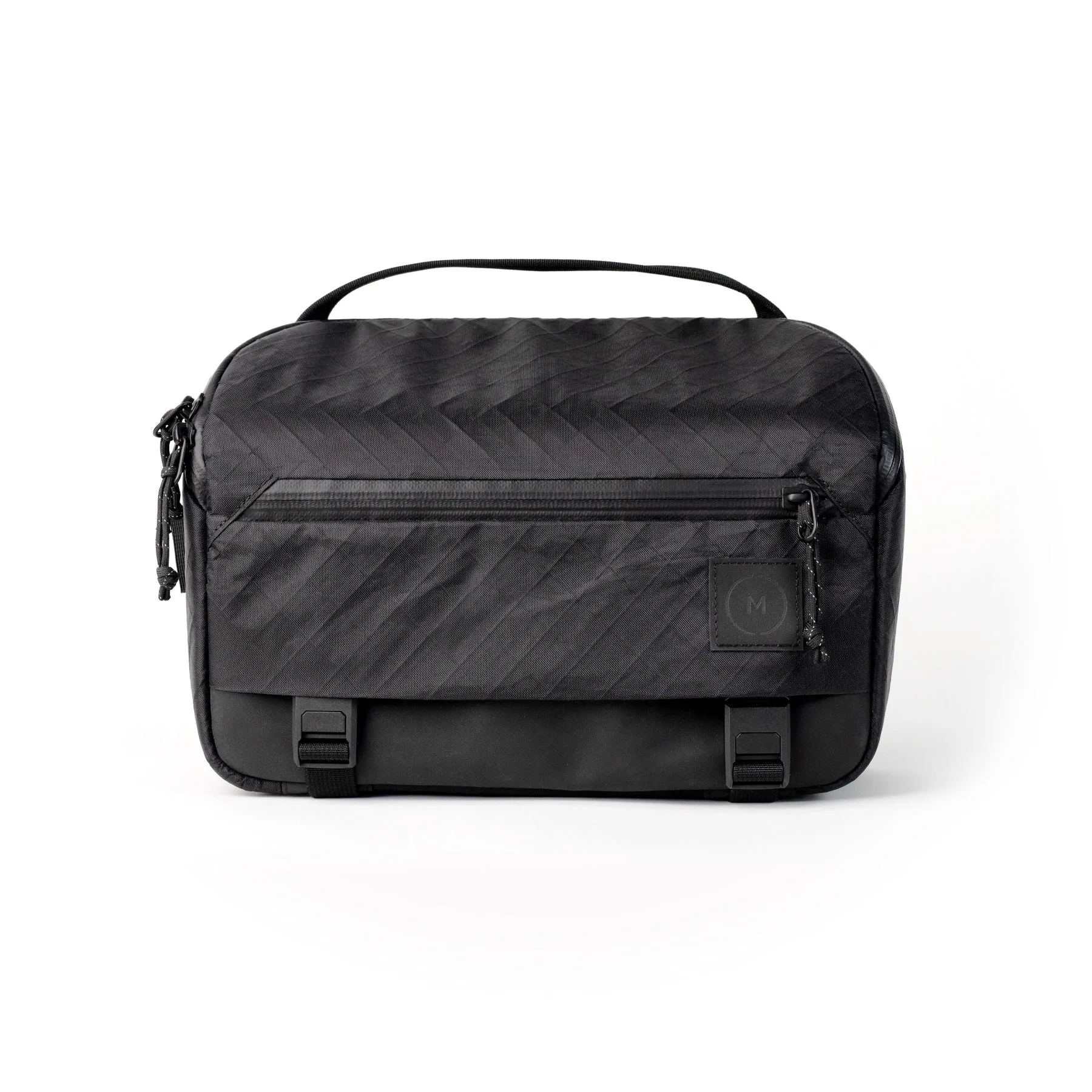
Sling bags like the Moment Rugged Camera Sling give you quick side access without taking the bag off—ideal for street photography and hiking. Backpacks distribute weight better for long treks but usually require you to remove them to change lenses.
For a typical mirrorless kit (body plus 2–3 lenses), a 6–10L sling is often enough. If you carry a drone, a 70-200mm lens, or a laptop, you'll likely need a backpack or a larger sling in the 10L+ range.
Check the Dividers, Not Just the Pockets
The best camera bags have customizable, padded dividers that let you shape the interior to your gear. Fixed foam inserts are less flexible and may waste space. Look for hook-and-loop dividers that can be repositioned to fit your specific camera and lens combo.
Also consider how many lenses you carry daily. If you regularly swap between three or more, you'll want a bag with at least two or three divider sections. If you're a one-lens shooter, a simpler padded insert might be all you need.
Think About Access and Comfort
How you access your camera matters. A sling that rotates to the front lets you grab your camera while walking. A backpack with side access can be useful but often requires unzipping a panel while wearing it—less convenient in practice.
Comfort is about more than padding. A breathable strap material reduces sweating on warm days, and a strap that adjusts for left- or right-handed shooting can make a big difference. Test the bag with your gear loaded, not empty, to see how it balances.
Decision Rules for Choosing a Mirrorless Camera Bag
- Rule 1: Fit the largest lens first: Measure your longest lens (with hood) and ensure the bag's interior height and depth accommodate it. If it doesn't fit, the bag is too small regardless of other features. Check dimensions before buying.
- Rule 2: Choose capacity by how many lenses you carry daily: One lens? A 6L sling is plenty. Two or three lenses? Go for 10L or a backpack. More lenses mean more dividers and a larger bag. Match capacity to your daily carry, not your full collection.
- Rule 3: Prioritize access style: If you shoot on the move, a sling with front access beats a backpack. If you're hiking long distances, a backpack's weight distribution wins. Think about when and where you'll reach for your camera.
- Rule 4: Test comfort with gear loaded: A bag that feels light empty can be awkward when full. Try it with your heaviest lens and walk around to check strap pressure and balance. Comfort is about the loaded experience.
Product Facts
- Moment Rugged Camera Sling: The Moment Rugged Camera Sling 6L and 10L are bags designed to carry all your camera gear. It features padding on the outside to protect your gear and lots of pockets / dividers on the inside to store it. The external padding and internal dividers give you the protection and organization you need for mirrorless bodies and lenses, while the 6L and 10L sizes cover most everyday kits.
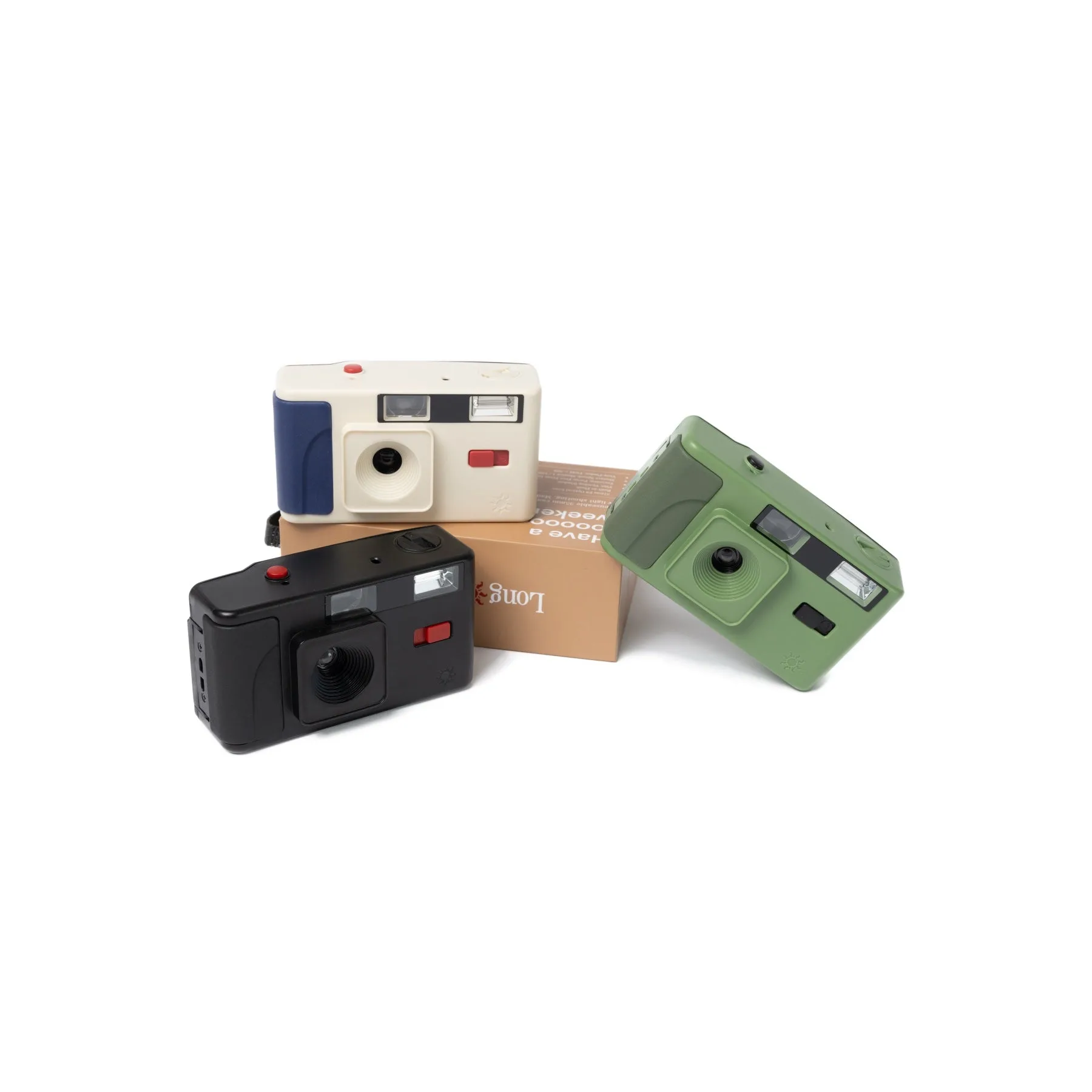
- Long Weekend 35mm Film Camera: Ideal for your first experience with film. You get a brand-new camera that you know will work out of the box without the troubles of dealing with ageing used cameras of unknown condition. If you're pairing your mirrorless setup with a film camera for travel or street shooting, a compact camera like this fits easily in a sling bag's spare compartment.
Fit Guidance
Best for
- Street and travel photographers who want quick access to a mirrorless body with one or two lenses
- Hikers or commuters who need a compact, weather-resistant bag that fits under a seat or on a backpack
Not for
- Pros carrying a 70-200mm f/2.8 plus multiple bodies—you'll need a larger backpack or roller
- Anyone who wants to carry a 15-inch laptop alongside camera gear—most slings won't fit both