Quick answer
Choose the head first, then the legs, then the payload. A ball head suits stills and travel, a three-way or fluid head suits precise framing and video, and the leg material decides how much weight you carry. Match payload to your heaviest camera, lens and accessory combination, then add a safety margin rather than buying exactly to the limit.
Start with the head, not the tripod
The head is the part you touch on every shot, so it decides whether the tripod feels quick or fiddly. Ball heads have a single locking control and let you reposition in one movement, which is why they dominate stills and travel kits. Three-way heads separate pan, tilt and level, which makes them slower but far easier to set precisely for architecture, interiors and product work. Fluid heads add damped panning for smooth movement on video. If you shoot both stills and video, a ball head with a separate panning base covers most of it without buying two heads.
Check the quick-release system before anything else. A head that uses a plate you already own saves you swapping plates between bodies, and a head with an Arca-Swiss compatible clamp gives you the widest choice of third-party plates later. This is the single most common source of frustration after purchase.
Legs: material, sections and locking
Aluminium legs cost less and survive knocks, but they are heavier to carry. Carbon fibre legs cut weight and damp vibration better, which matters on long lenses and in wind, but they cost more and can crack under a hard impact rather than denting. Three-section legs are stiffer and quicker to set up; four or five sections pack shorter but take longer and flex more at full height. Twist locks are quiet and low-profile, while flip locks are faster to operate with cold or gloved hands.
Ignore the maximum height figure on its own. Look for the height with the centre column down, because raising a centre column trades stability for those last few centimetres. If you are tall, that number decides whether you spend every shoot hunched over.
Payload: the number that protects your gear
Payload capacity is the load the head and legs are rated to hold, and it should always exceed your heaviest realistic setup. Add the body, the longest lens you own, a battery grip, a flash and any bracket, then leave headroom. Working at the limit is where creeping, sagging and slow drift appear, especially with a long lens pointed slightly up or down.
Payload is not the same as stability. A tripod rated well above your kit can still feel vague if the legs are thin or the centre column is raised. Treat payload as a minimum filter, then judge the legs on stiffness and the head on how well it locks.
Match the tripod to what you actually shoot
For travel, prioritise folded length and weight, and accept a lower maximum height. For studio and product work, prioritise a precise head and a stable column-free base over portability. For wildlife and long lenses, prioritise leg stiffness and a head that locks without shifting when you tighten it. For video, prioritise a fluid head and a bowl or levelling base so you can level without adjusting each leg.
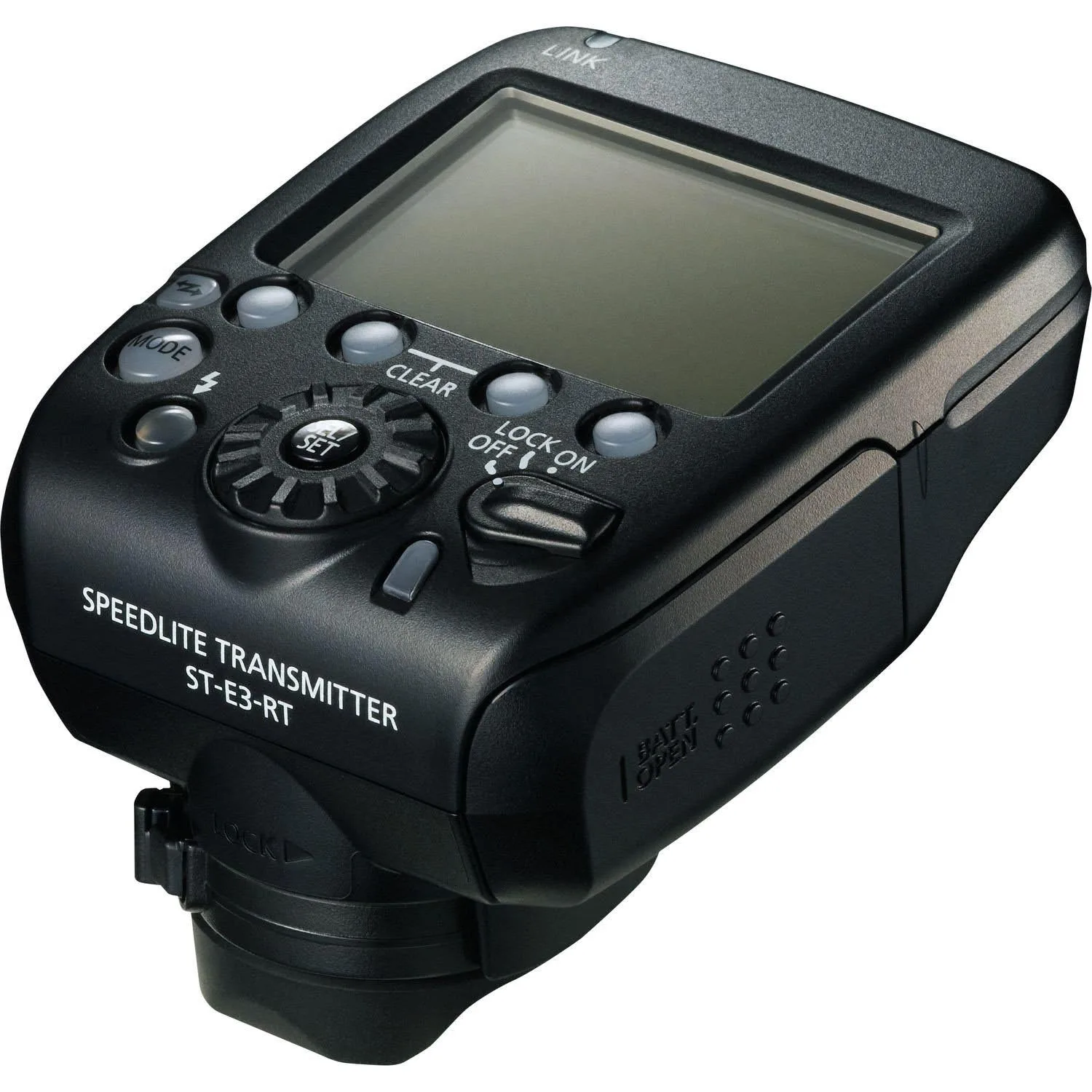
If you are building a lighting or flash setup alongside the tripod, the same logic applies: buy the support that matches the load, not the one that looks best in a photo. A trigger such as the Canon Speedlite Transmitter ST-E3-RT Version 2 is a good example of a small accessory that changes how you work on location, because radio-frequency control works up to 30m even without direct line of sight and can control up to 15 flashguns in the E-TTL II system.
Where a stereo or specialist lens changes the decision
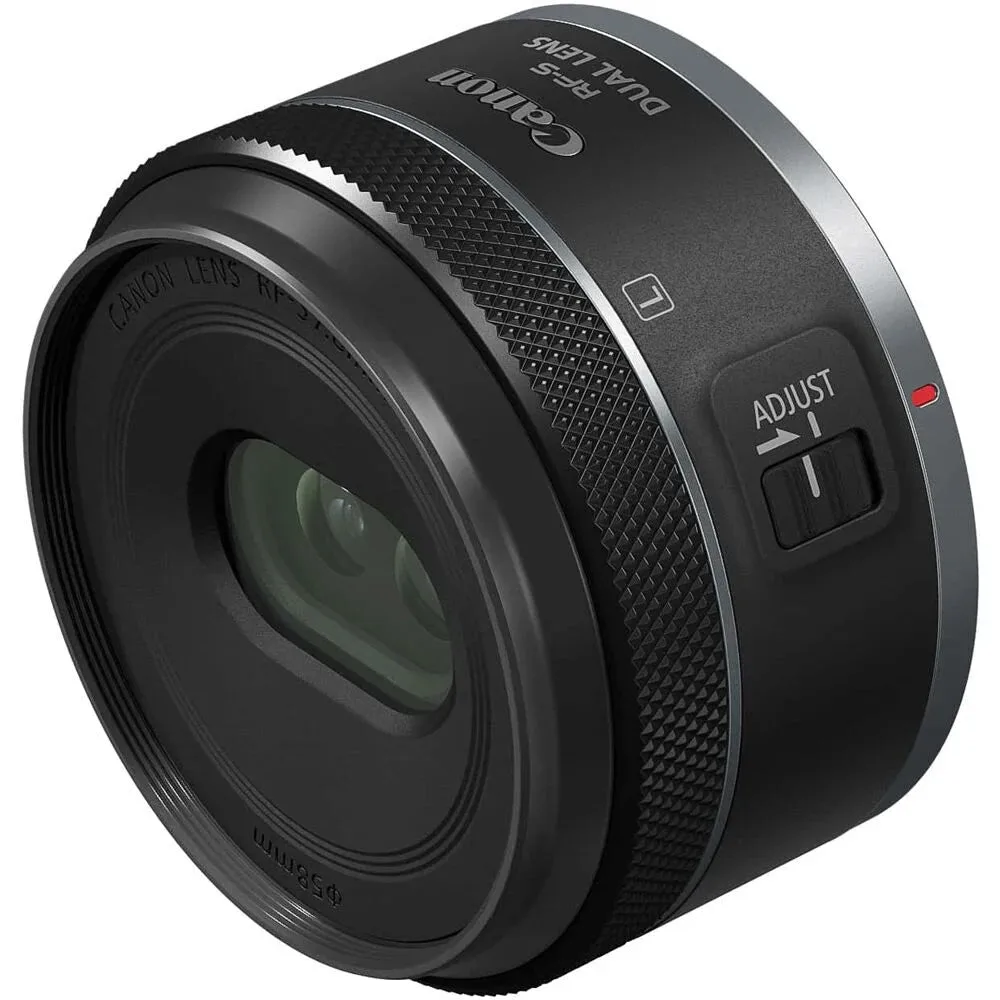
Some lenses change what you need from support. A stereoscopic lens such as the Canon RF-S 7.8mm f/4 STM Dual Lens is built for spatial video and 3D VR work on APS-C bodies, and that kind of capture usually wants a tripod that holds a fixed position precisely rather than one you reposition constantly. In that case a geared or three-way head is more useful than a ball head, because small framing changes are easier to repeat.
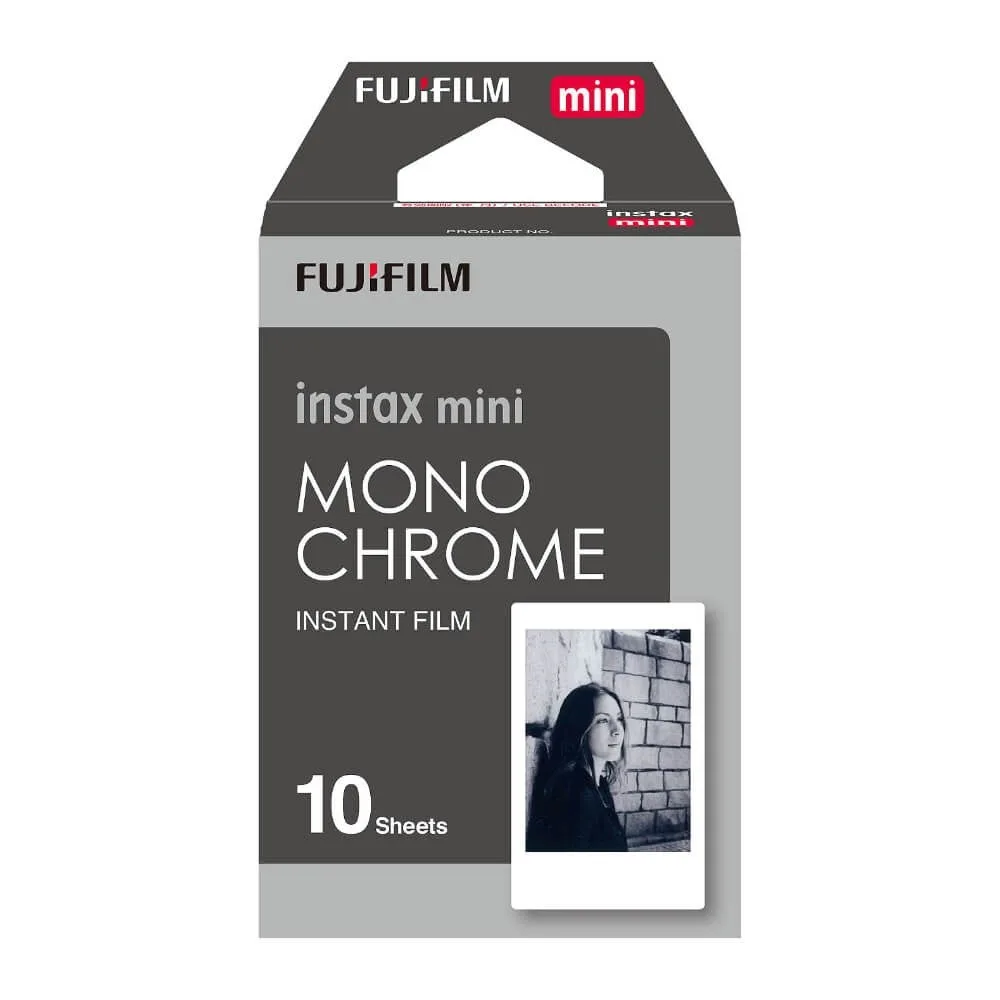
The same applies to instant film work. If you are shooting with a Fujifilm Instax Mini Monochrome Instant Film pack, the camera is light and the tripod can be small, but a stable head still matters because each frame is a one-off. A compact tripod with a simple ball head is usually enough here, and spending more on payload you do not need is wasted money.
Decision rules for buying a tripod
- If you shoot stills and travel: Choose a ball head with a separate panning base and carbon fibre legs if weight is the priority, aluminium if budget is. Check folded length against your bag before you buy.
- If you shoot video: Choose a fluid head with a levelling base or bowl, and legs that let you set a wide stance for low angles. A ball head will frustrate you for smooth pans.
- If you shoot long lenses or in wind: Prioritise leg stiffness and a head that locks without shifting when tightened, and keep the centre column down. Payload headroom matters more than maximum height here.
- If you shoot interiors or product: Choose a three-way or geared head for repeatable framing, and a tripod that lets you work at low height without a column. Precision beats speed for this work.
Products that show the support decision in practice
- Canon RF-S 7.8mm f/4 STM Dual Lens: Canon RF-S 7.8mm f/4 STM Dual Lens is a stereoscopic lens for spatial video and 3D VR creativity on APS-C cameras. Spatial capture rewards a head that holds framing precisely, so a three-way or geared head is often a better match than a ball head.
- Fujifilm Instax Mini Monochrome Instant Film (10 Sheets): Fujifilm Instax Mini Monochrome Instant Film (10 Sheets) produces sharp black and white images in a 10-shot pack. Instant film cameras are light, so a small tripod with modest payload is sufficient and extra capacity is unnecessary.
- Canon Speedlite Transmitter ST-E3-RT Version 2: Canon Speedlite Transmitter ST-E3-RT Version 2 fires compatible Speedlites over distances up to 30m using radio-frequency control, works without direct line of sight, and controls up to 15 flashguns as part of the E-TTL II system. Off-camera flash often means the camera sits on a tripod while you move lights, so a tripod that stays put and a head that locks firmly matter more than fast repositioning.
Who this guide is for
Best for
- Photographers buying their first serious tripod and unsure whether to spend on the head or the legs
- Hybrid shooters who need one tripod to cover stills and occasional video
- Anyone replacing a tripod that creeps, sags or feels unstable with a long lens
Not for
- Buyers who already know their exact head and leg specification and only need a price
- Specialist cine or broadcast users who need a fluid head and legs rated for a specific rig weight
- Anyone looking for a tabletop or pocket tripod for a phone or compact camera