Quick answer
Match the cleanser to how your skin feels one hour after washing, not to a label. Oily skin usually needs a foaming or gel formula that removes excess oil without stripping; dry skin needs a cream or milk cleanser that leaves a soft finish; sensitive or redness-prone skin needs a short, fragrance-free ingredient list and a low-foam texture. If you are unsure, start with a gentle cleanser and adjust your moisturizer instead of switching to a stronger face wash.
Start with the one-hour test, not the label
Wash with your current cleanser and wait one hour without applying anything else. If your face feels tight, squeaky, or flaky, the cleanser is too stripping for your skin type. If it feels greasy or looks shiny across the forehead and nose, it is too mild or you need a formula better suited to oily skin. If it feels comfortable and calm, you have your baseline. This test matters more than marketing terms like purifying or hydrating because it measures your actual barrier response.
How to choose a cleanser for oily skin
The best cleanser for oily skin is usually a gel or foaming face wash that lifts excess sebum without leaving a film. Look for a formula that rinses clean and does not contain heavy oils or butters near the top of the ingredient list. Use it twice a day at most, and resist the urge to scrub harder or wash more often, which can trigger more oil production. If your skin feels tight after washing, you have gone too far in the oil-removing direction and should step down to a milder gel.
How to choose a cleanser for dry skin
A face wash for dry skin should feel more like lotion than soap. Cream, milk, and non-foaming cleansers leave more of your skin's natural lipids in place, so you do not start the day already dehydrated. Apply them to damp skin, massage with fingertips, and rinse with lukewarm water rather than hot. If your skin still feels tight after a cream cleanser, the issue may be your moisturizer rather than the cleanser.
How to choose a gentle cleanser for sensitive skin
For sensitive or redness-prone skin, fewer ingredients and less foam are usually better. A gentle cleanser for sensitive skin should avoid strong fragrances, essential oils, and physical exfoliants, and it should not leave your face stinging or flushed. Patch-test on your jawline for three nights before using it on your full face. If your skin reacts to everything, choose the shortest ingredient list you can find and keep the rest of your routine equally simple.
What to do when your skin type changes
Skin type is not permanent. Hormones, weather, travel, and active ingredients can shift you from oily to combination or from normal to dry within a few weeks. Keep one gentle cleanser as your default and adjust your moisturizer or serum instead of buying a new face wash every time your skin changes. If you use prescription or strong active ingredients, ask your dermatologist before adding a new cleanser to your routine.
Cleanser decision rules
- One-hour tightness rule: If your face feels tight one hour after washing, your cleanser is too stripping. Step down to a cream or non-foaming formula. Tightness is a signal to change the cleanser, not to add more moisturizer.
- Midday shine rule: If your forehead and nose are visibly shiny by midday, your cleanser may be too mild for oily skin. Try a gel or foaming face wash. Shine by lunchtime usually means the cleanser is not removing enough excess oil.
- Three-night patch test rule: For sensitive skin, patch-test any new cleanser on your jawline for three nights before using it on your full face. If you see redness, stinging, or flaking, stop and choose a shorter ingredient list.
- Moisturizer-first rule: If your skin feels dry after a gentle cleanser, change your moisturizer before buying a new face wash. Most post-cleanse dryness is a moisturizer problem, not a cleanser problem.
Products that support a cleanser-first routine
- Soothing Skin Essentials Kit: The Soothing Skin Essentials Kit from Glow Recipe is a curated set designed to calm and comfort sensitive or redness-prone skin, and it includes a selection of serums that work together to support the skin. If your cleanser is already gentle but your skin still looks red or reactive, this kit gives you a simple, coordinated follow-up routine without adding many new steps.
- Mini Watermelon Glow Pink Juice Moisturizer: This Mini Watermelon Glow Pink Juice Moisturizer is a lightweight, refreshing moisturizer designed to help hydrate and soothe the skin, and it comes in a travel-friendly size. A lightweight moisturizer like this is a practical next step after cleansing when you want hydration without heaviness, and the mini size lets you test it before committing to a full size.
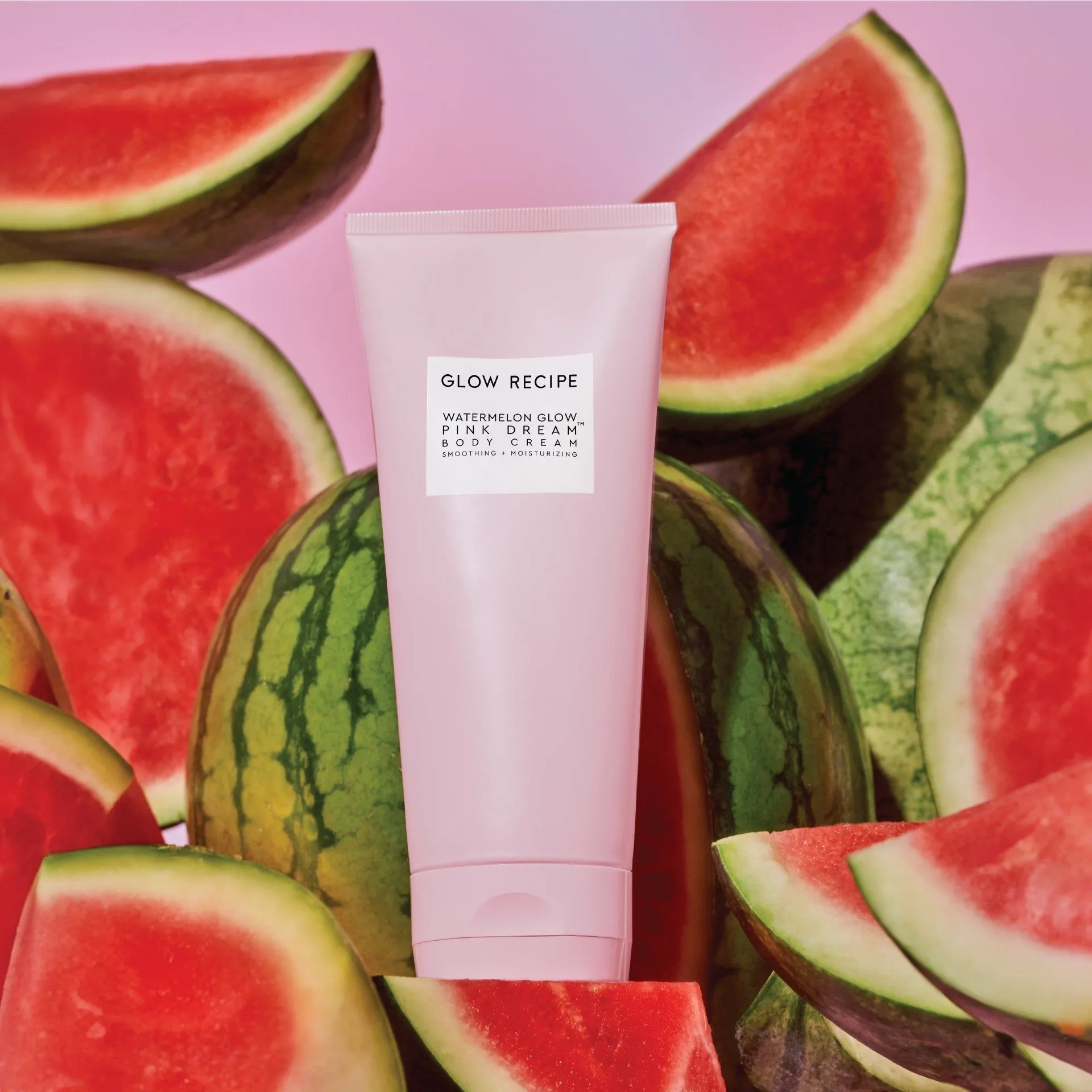
- Watermelon Glow Pink Dream Body Cream: The Watermelon Glow Pink Dream Body Cream is a luxurious moisturizer designed to pamper and hydrate the body, and it helps combat dryness. If your face wash for dry skin works but your body still feels tight after showers, this body cream addresses dryness below the neck without changing your facial cleanser.
Who this cleanser buying guide is for
Best for
- Shoppers who are unsure whether they need a foaming, cream, or gel cleanser
- Anyone whose skin feels tight, shiny, or reactive after washing
- People building a simple routine and wanting to avoid unnecessary cleanser swaps
Not for
- Anyone looking for a specific medicated acne treatment cleanser
- Shoppers who need a dermatologist-prescribed routine for a diagnosed skin condition