Quick Answer
For cardistry, prioritize a smooth finish, flexible yet durable cardstock, and a design that doesn't interfere with moves. Look for decks from reputable brands like USPCC, and consider limited editions for collectible value. Our top picks include the Smooth Writing CCC2025 Set for versatile practice and the King Arthur V2 Transfer Laser Silver Fairyland Collector's Set for a premium, unique feel.
Cardistry is as much about visual appeal as it is about handling. The right deck can make fans, cuts, and aerials feel effortless, while a poorly chosen one can turn practice into frustration. This guide breaks down the key features to consider when selecting a deck for cardistry, so you can make an informed choice whether you're a beginner or a seasoned performer.
We'll cover finish, cardstock, design, and durability, and offer concrete decision rules to help you match a deck to your style. Remember, the best deck for you depends on your skill level, the type of moves you practice, and your personal taste.
Finish: The Key to Smooth Handling
The finish on playing cards affects how they slide against each other. For cardistry, you want a balance between smoothness and control. A too-smooth deck might be slippery for beginners, while a too-rough one can hinder fans and spreads. Most cardistry decks use a standard air-cushion or linen finish, but some premium decks feature a proprietary finish that offers a unique feel.

playing cards
When choosing a deck, consider the climate you'll be in. Humid environments can make cards tacky, so a smooth finish might be preferable. Conversely, in dry climates, a slightly textured finish can provide better grip. Test different finishes to find what feels best for your hands.
- If you're new to cardistry, start with a standard finish like air-cushion or linen—they're forgiving and widely available.
- For advanced moves that require quick releases, a smooth finish can reduce friction and improve speed.
Cardstock and Durability
Cardstock weight and quality determine how well a deck holds up to repeated practice. Thicker stock is more durable but can be stiffer, making certain moves like springs and fans harder. Lighter stock is more flexible but may warp or bend easily. Look for decks printed on premium cardstock, often specified by the manufacturer (e.g., USPCC's 'Thin Crush' or 'Premium' stock).
Durability is crucial if you practice often. A deck that loses its snap after a few sessions will hinder your progress. Consider buying multiple decks of the same design if you find one you love, so you always have a fresh one ready.
- Check the cardstock specification if available; some brands are known for their durable yet flexible stock.
- If you're practicing aerials or drops, expect more wear—choose a deck you can afford to replace.
Design and Visual Appeal
Cardistry is a visual art, so the back design and face artwork matter. Bold, symmetrical patterns are popular because they look great in fans and spins. However, avoid designs with overly busy or dark artwork that can obscure the movement of the cards. The design should complement your moves, not distract from them.
Some decks are designed with cardistry in mind, featuring custom courts and pips that add to the aesthetic. Others are more traditional, which might appeal to collectors. Your choice depends on whether you prioritize performance or visual uniqueness—or both.
- For maximum visual impact in fans, choose a deck with a striking back design that has good contrast.
- If you plan to perform close-up, ensure the faces are readable if you need to show them.
Brand and Print Quality
The manufacturer plays a significant role in how a deck handles. The United States Playing Card Company (USPCC) is renowned for its consistent quality and is a favorite among cardists. Other printers like Cartamundi and the Taiwan Playing Card Company (TPCC) also produce excellent decks. Research the printer behind a deck to gauge its expected handling.
Limited edition decks often come with premium packaging and unique features, like holographic foil or special seals, which add to the collector's appeal. However, these may come at a higher price, so weigh the cost against your needs.
- Look for decks printed by USPCC for a reliable, time-tested feel.
- Consider limited editions if you value collectibility, but be prepared to pay a premium.
Decision Rules for Choosing a Cardistry Deck
- Skill Level: Beginners should choose a deck with a standard finish and moderate cardstock weight that is forgiving and easy to control. Advanced cardists may prefer a smoother finish and lighter stock for faster moves. Start with a versatile deck like the Smooth Writing CCC2025 Set to practice different moves.
- Move Type: If you focus on fans and spreads, prioritize a design with high contrast and a smooth finish. For cuts and aerials, durability and flexibility are more important. Match the deck to your primary moves: fans need visual pop, cuts need resilience.
- Budget and Collectibility: Limited edition sets cost more but offer unique designs and premium packaging, which can be worth it for collectors. Standard decks are more affordable and replaceable for daily practice. If you're on a budget, buy standard decks for practice and splurge on limited editions for display or special performances.
Product Facts
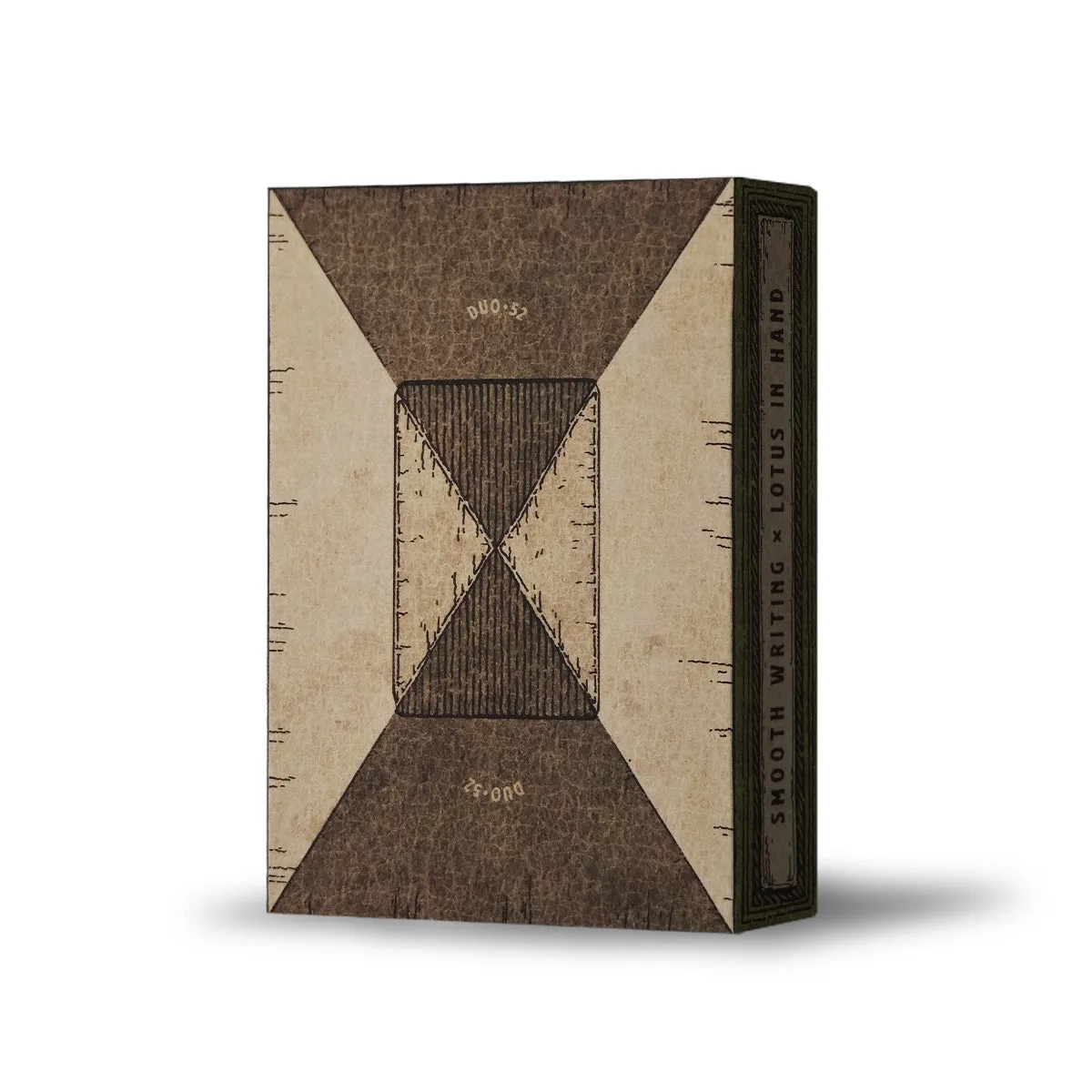
- Smooth Writing CCC2025 Set (4 Decks): The Smooth Writing CCC2025 Set includes 4 decks: Joy Deck, Panda52, Channel52, and Duo52, housed in a black matte box with holographic foil and a custom seal. This set offers variety in design and handling, making it a great choice for cardists who want to experiment with different styles. The collectible packaging also adds value for those who appreciate presentation.
- King Arthur V2 Transfer laser Silver Fairyland Collector's Set: This collector's set features a serene silver color scheme with the sleeping King Arthur, framed by dark patterns and the four knights, continuing the tale of the Round Table. The intricate, high-contrast design is visually stunning for fans and spreads, and the premium construction likely offers a durable, comfortable handling for serious cardists.
Fit Guidance
Best For
- Cardists who want a versatile set to practice a variety of moves.
- Collectors who value unique, themed designs and premium packaging.
Not For
- Budget-conscious beginners who need a low-cost practice deck.
- Cardists who prefer minimalistic designs without heavy thematic artwork.
Choosing the right cardistry deck is a personal journey. By focusing on finish, cardstock, design, and brand quality, you can narrow down your options. Remember to consider your skill level and the type of moves you practice. Whether you opt for a multi-deck set or a collector's edition, the best deck is one that feels like an extension of your hands and inspires you to practice. Explore the options at TCC Playing Cards to find your perfect match.