Quick answer
Choose a dilatateur by matching the smallest comfortable diameter to your body, then step up gradually rather than jumping to a larger size. Pick a smooth, body-safe material you can clean easily, and prioritize a shape that stays put without pressure. A starter set with two or three graduated sizes usually beats a single large dilatateur.
Start with diameter, not length
Diameter is the number that decides whether a dilatateur is usable, so measure or estimate the widest point you can currently accept without pain and treat that as your starting size. Length matters less at the beginning because you control insertion depth, while an oversized diameter stops the session before it starts. If you are between two sizes, choose the smaller one and plan to move up later.
How to read a dilatateur sizing chart
A dilatateur sizing chart usually lists diameter, insertable length and sometimes a taper or curve measurement. Compare diameter first, then check insertable length against your comfort range, and note whether the shape is straight, curved or tapered. Tapered tips are easier to start, while a gentle curve can follow anatomy more naturally for some users. Keep a written log of the size, date and comfort level so progress is visible instead of guessed.
Dilatateur material comparison
Smooth, non-porous materials such as medical-grade silicone or rigid body-safe plastic are the easiest to clean and the most predictable in use. Softer silicone flexes with movement and can feel gentler, but it may be harder to insert if you need firm guidance. Rigid materials give more control and are often preferred for gradual stretching, yet they leave less room for anatomical curves. Whatever you choose, confirm the material is compatible with your lubricant and cleaning method before buying.
Comfort tips that change the experience
Comfort comes from preparation as much as from the dilatateur itself. Use plenty of water-based lubricant, warm up with the smallest size you own, and stop at the first sign of sharp pain rather than pushing through it. A handle or base that you can grip securely reduces hand fatigue and gives you better control of angle and depth. If a size feels tight for several sessions in a row, stay there longer instead of forcing the next step.
Starter set vs single dilatateur
A dilatateur starter set with graduated sizes is usually the better first purchase because it lets you progress without rebuying. A single dilatateur can work if you already know your exact size and only need one step, but it leaves no room to adjust. Sets also make it easier to alternate sizes within a session, which many people find more comfortable than one long stretch.
Decision rules for buying a dilatateur
- If you are new to dilatation: Buy a starter set with at least three graduated diameters instead of one large size. Progress in small steps and keep the smallest size as your warm-up.
- If you know your size already: Choose a single dilatateur in your confirmed diameter, with a material you can clean easily. Only skip the set if you are certain the size will not change.
- If comfort is the priority: Pick a smooth, non-porous material and a shape with a secure handle or base. A comfortable dilatateur you actually use beats a larger one that stays in the drawer.
- If you are between two sizes: Start with the smaller diameter and size up only after several pain-free sessions. Never force the next size to save time.
Products that support a dilatation routine
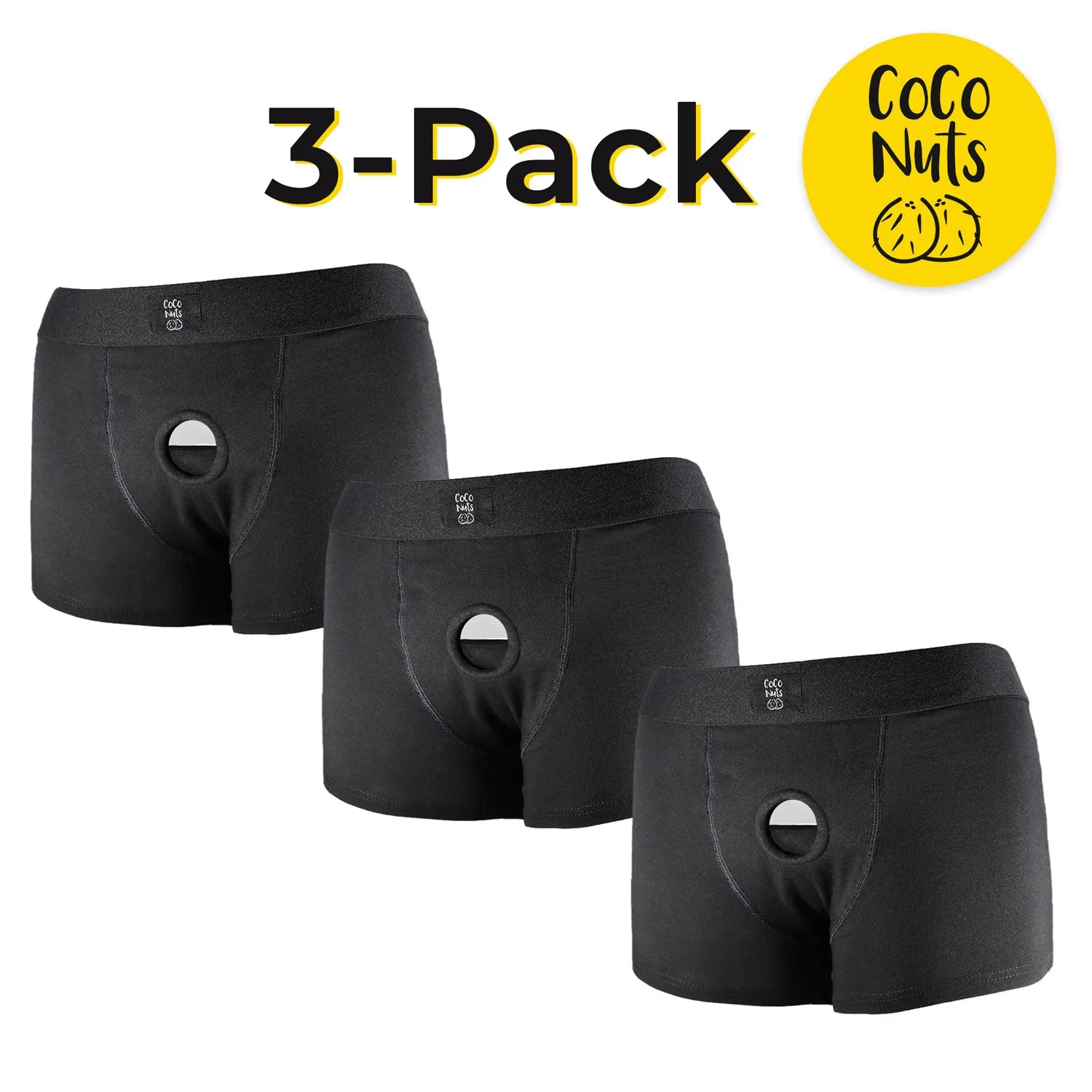
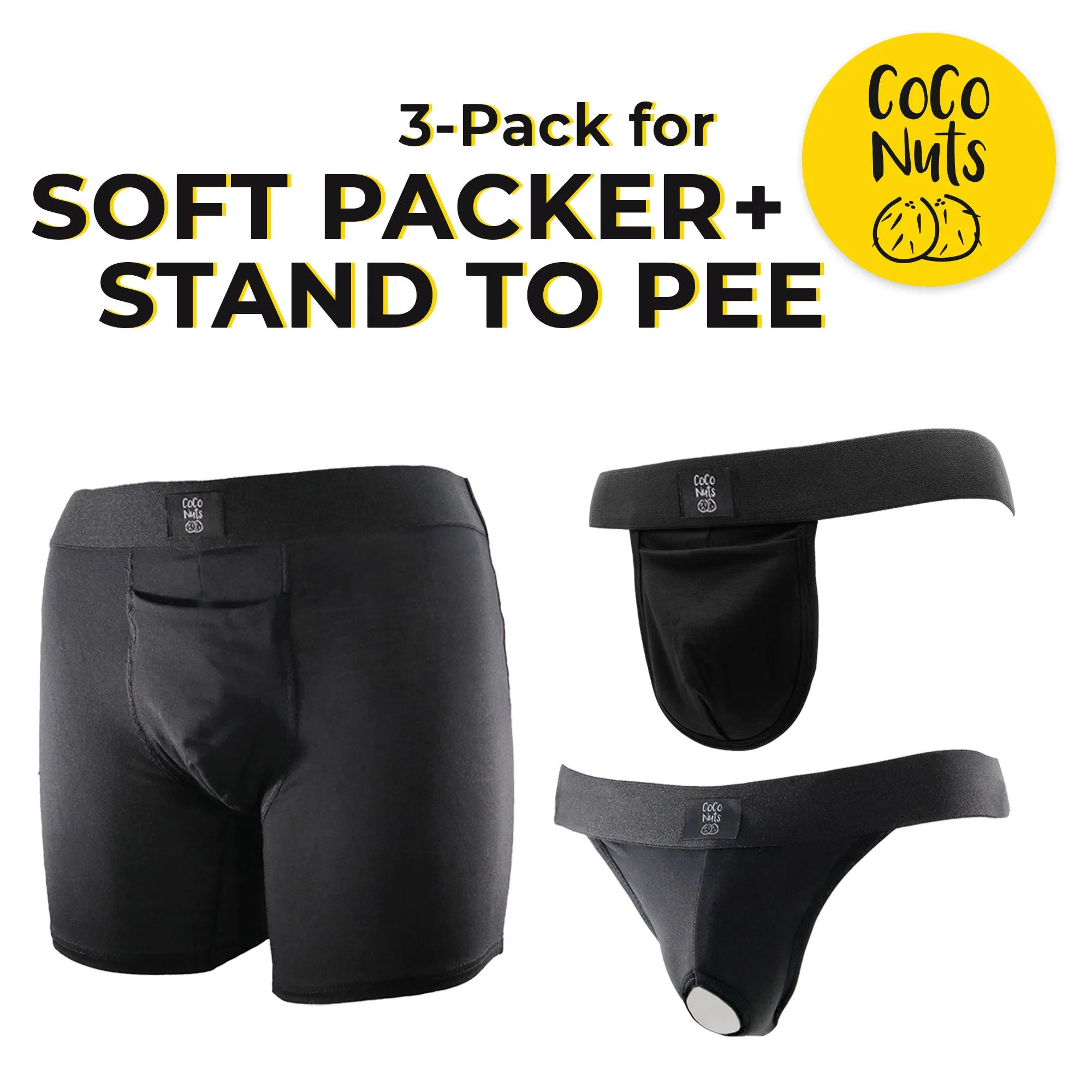
- (Soft packer/STP) 3-PACK Packing Variétés: Three-pack of bamboo boxers with an embroidered O-shaped opening measuring 2.54 cm (1 in), plus front and inner pockets to hold a soft packer or stand-to-pee packer. The pocketed design keeps a packer stable during daily wear, so you are not adjusting constantly while focusing on your dilatation routine.
- (Hard packer) 3-PACK Play boxer: Three-pack of boxers with a silicone O-ring measuring 3.80 cm and an inner pocket compatible with most hard packers. The wider ring and internal pocket give firmer support for a hard packer, which matters if you want secure positioning without extra layers.
Who each option fits
Best for
- People starting dilatation who need a graduated starter set
- Users who want a smooth, easy-to-clean material for regular sessions
- Anyone who prefers to control depth and angle with a secure grip
Not for
- Buyers who need a single very large size immediately
- Users who want a soft, highly flexible dilatateur for firm guidance
- People who cannot commit to a gradual, session-by-session routine