Quick Answer
Choosing the right dog mat depends on the room and purpose. For crates, prioritize comfort and easy cleaning; for feeding areas, choose a waterproof, non-slip mat. Measure your space and consider your dog's habits to make the best pick.
Dogs spend a lot of time on floors that aren't always comfortable or safe. Hardwood, tile, and concrete can be tough on joints, and mealtime spills can ruin flooring. A well-chosen dog mat solves these problems while adding a touch of style to your home.
But not all mats are created equal. A mat that works great in a crate might be a poor choice for a feeding area. This guide breaks down what to look for in each room, so you can choose a mat that fits your dog's needs and your lifestyle.
Consider the Room and Purpose
Start by asking where the mat will be used. In a crate, your dog needs a soft, supportive surface that's also easy to wash. Look for mats that are durable and can withstand chewing or scratching. In feeding areas, the priority is protecting floors from spills and preventing the bowl from sliding. A waterproof, non-slip mat is essential here.
For hard floors in living areas, you might want a mat that provides traction and cushioning, especially for older dogs or those with joint issues. Think about your dog's age, health, and habits. A puppy might need a tougher mat, while a senior dog may benefit from extra padding.
- Measure the space before buying to ensure a proper fit.
- For crates, choose a mat that covers the floor but allows room for your dog to stand and turn.
Material Matters: Durability, Comfort, and Cleaning
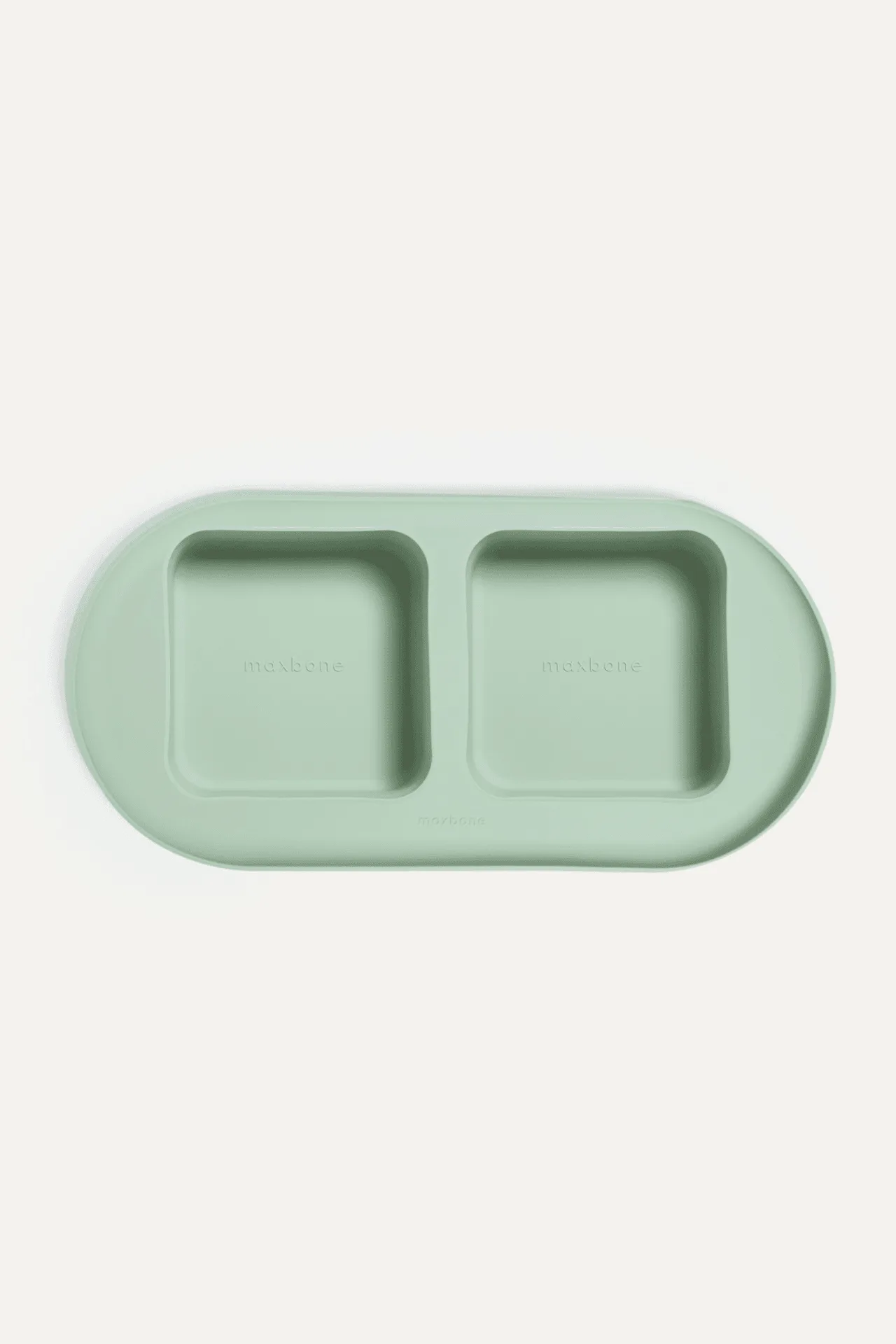
The material of the mat affects its durability, comfort, and how easy it is to clean. For feeding areas, non-toxic silicone is a popular choice because it's waterproof, easy to wipe down, and provides a non-slip surface. The Oval Mat from Maxbone is made from durable, non-toxic silicone, making it a great option for feeding areas. It measures 10" H x 21" W, offering ample space for bowls.
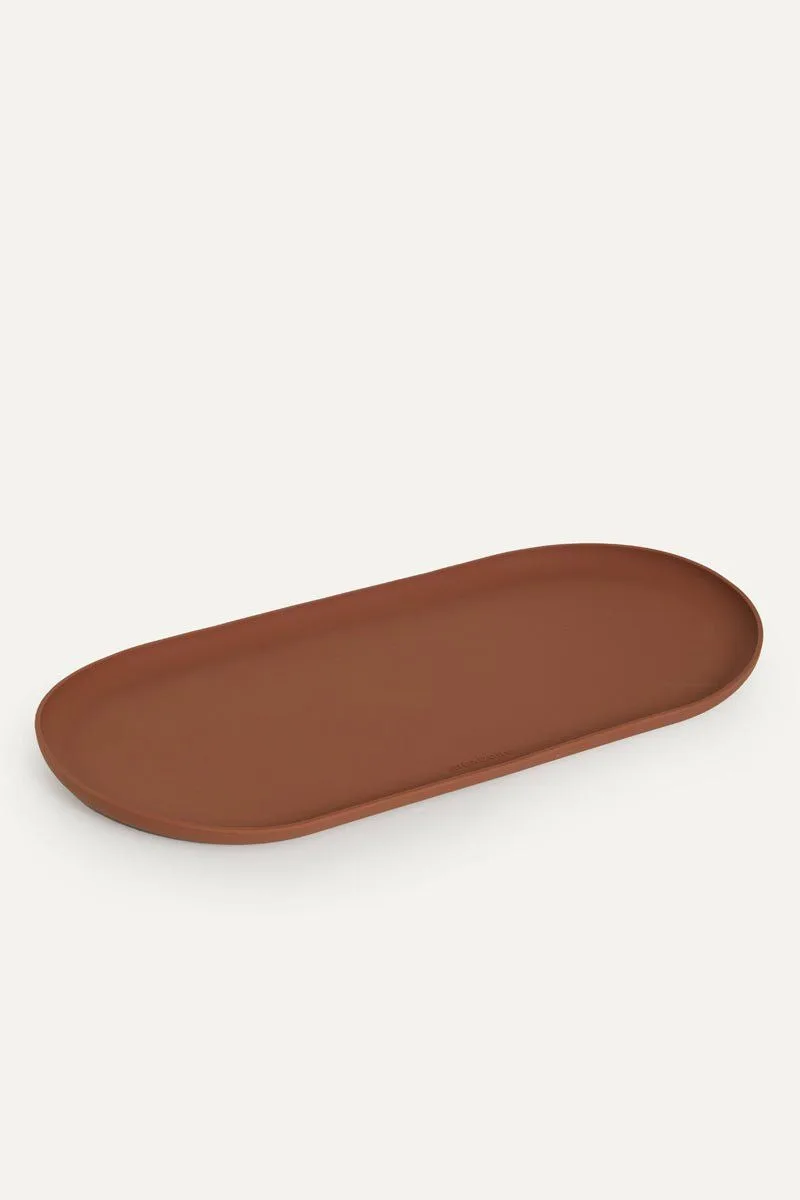
Oval Mat
For crates, consider materials like neoprene or fleece that are soft and comfortable. However, these may not be as easy to clean as silicone. If your dog is a chewer, look for abrasion-resistant materials. Always check if the mat is machine washable or can be wiped clean—this will save you time and effort in the long run.
- Silicone mats are great for feeding areas but may not be soft enough for crates.
- Neoprene mats offer comfort and are often water-resistant.
Size and Fit: Getting It Right
Size is crucial. A mat that's too small won't protect the floor, and one that's too large can be a tripping hazard. For feeding areas, the mat should extend beyond the bowls to catch splashes and spills. For crates, the mat should fit inside without bunching up, leaving enough room for your dog to move comfortably.
When measuring, consider your dog's size and how they use the space. A large dog may need a bigger mat, while a small dog might be fine with a compact one. Always measure the actual area and compare it to the mat's dimensions. If in doubt, size up for more coverage.
- Use a tape measure to get accurate dimensions.
- For crates, check the manufacturer's size guide for your crate model.
Non-Slip Features and Safety
A non-slip mat is essential, especially on hard floors. Sliding mats can cause accidents and make your dog hesitant to approach their food or bed. Look for mats with a textured bottom or made from materials like silicone that naturally grip the floor.
Safety also means choosing non-toxic materials, especially if your dog tends to chew. The Oval Mat is made from non-toxic silicone, which is safe for pets. Avoid mats with small parts that could be chewed off and swallowed. For crates, ensure the mat doesn't have loose edges that could be chewed or cause entanglement.
- Test the mat's grip by placing it on your floor and trying to slide it.
- Choose mats with a raised edge to contain spills and crumbs.
Cleaning and Maintenance: What to Expect
Mats will get dirty, so consider how much time you're willing to spend cleaning. Silicone mats can be wiped down or rinsed in the sink, making them low-maintenance. Fabric mats may need to be machine washed, which can be convenient but may also lead to wear over time.
For feeding areas, a quick wipe after each meal can prevent stains and odors. For crate mats, spot cleaning and regular washing will keep them fresh. Always follow the manufacturer's care instructions to ensure the mat lasts longer. Some mats are also dishwasher safe, which adds to their convenience.
- Look for mats that are dishwasher safe for easy cleaning.
- Air dry fabric mats to prevent shrinkage or damage.
Decision Rules for Choosing a Dog Mat
- Purpose: Identify the primary use: crate, feeding area, or general comfort. For crates, focus on cushioning and washability; for feeding areas, prioritize waterproof and non-slip. A silicone mat like the Oval Mat works well for feeding areas.
- Material: Choose silicone for easy cleaning and non-slip properties; neoprene for comfort and water resistance. Avoid materials that are hard to clean or may cause allergies. Match material to the room's needs.
- Size: Measure the space and your dog's typical lying area. Ensure the mat fits without extending too far or being too small. Size up if in doubt.
- Cleaning: Consider your willingness to clean. Silicone mats are wipeable; fabric mats may need machine washing. Check care instructions. Choose a low-maintenance option if you're busy.
Maxbone Mats That Fit the Bill
- Oval Mat: Crafted from durable, non-toxic silicone, this mat not only complements our Square bowls but also ensures your floors stay clean and protected from spills and messes. Mat size: 10" H x 21" W Its non-toxic silicone construction and size make it an ideal choice for feeding areas, providing a safe, easy-to-clean surface that protects floors from spills.
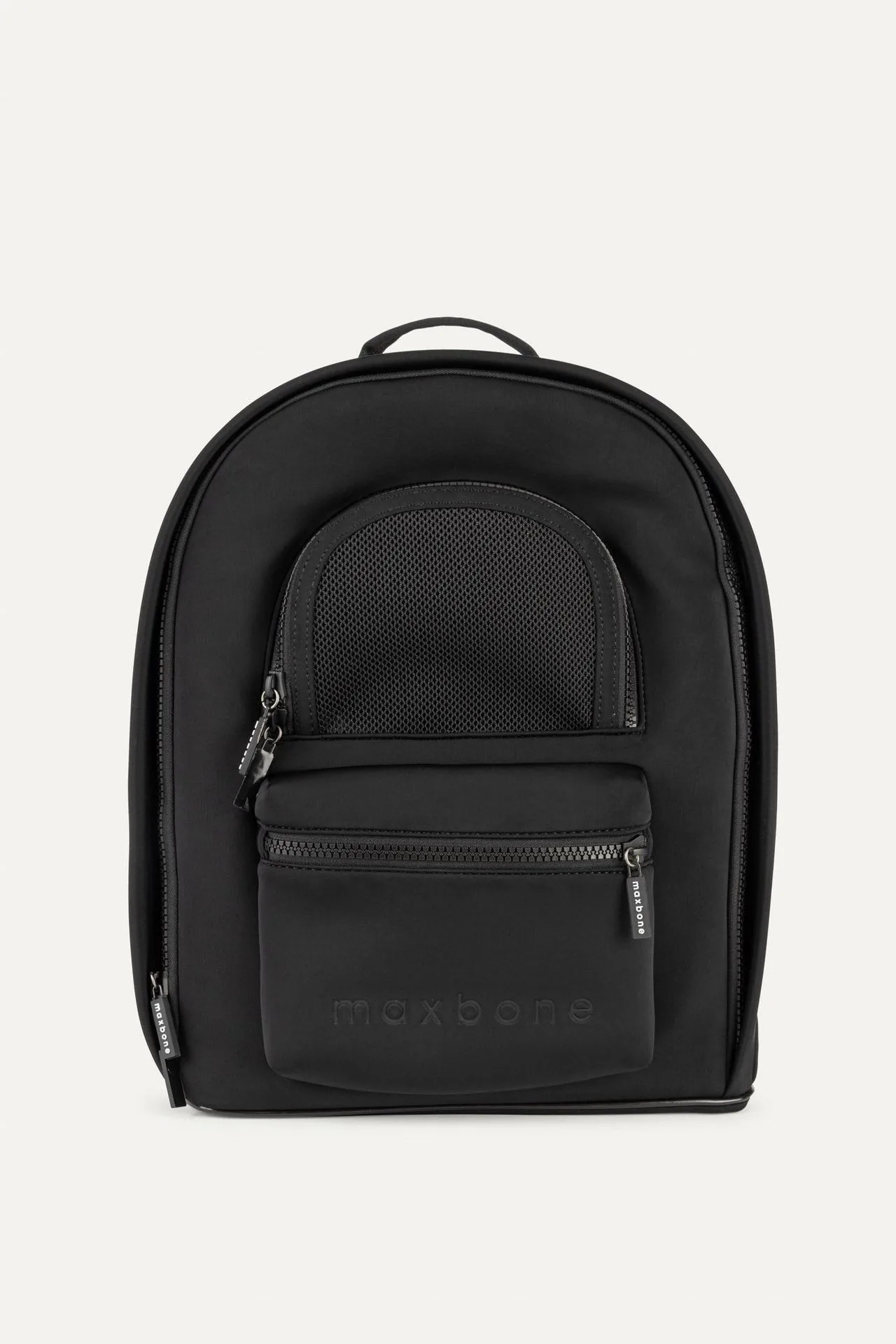
- Go Everywhere Backpack: Made from the softest neoprene you’ve ever felt, it features seriously functional details including storage pockets, credit card slots, a waste bag holder pocket, interior safety latch, D-ring located on back strap for easy key ring attachment, and a top handle for easy... While not a mat, this backpack's soft neoprene material highlights the comfort and durability that Maxbone brings to travel accessories, useful for dogs on the go.
Who Should Choose What
Best for
- Owners who want a dedicated feeding area mat that is waterproof and non-slip.
- Dog parents with hard floors who need extra traction and easy cleanup.
Not for
- Those seeking a soft, plush mat for crate comfort—consider a padded or fleece mat instead.
Choosing the right dog mat for every room doesn't have to be complicated. Focus on the room's purpose, pick a material that suits your cleaning routine, and measure carefully. With these tips, you'll find a mat that keeps your dog comfortable and your floors protected.