Quick answer
Choose a nursing pillow that fits your body type, supports a good latch, and matches your feeding style. For most parents, a contoured pillow with an adjustable belt offers the best balance of support and flexibility.
Why pillow shape matters for breastfeeding comfort
Nursing pillows come in different shapes—some are crescent-shaped, others are contoured with a sloped design. The shape affects how well the pillow lifts your baby to breast height, which is key for a comfortable latch. A contoured pillow that wraps around your waist can stay in place better than a simple crescent, especially if you move or switch sides during a feeding.
Firmness and fill: finding the right support
The fill material determines how much support the pillow provides. Firmer fills (like structured foam or dense fiber) hold their shape and keep baby elevated, which can help with latching and reduce arm fatigue. Softer fills may feel cozier but can compress over time, requiring more adjustments. If you plan to use the pillow for multiple long sessions each day, a firmer, supportive fill is usually a better investment.
Extra features that can make a difference
Some nursing pillows include adjustable belts to secure the pillow around your waist, which is especially helpful after a C-section because it reduces pressure on the incision. Others have a wide contoured opening to accommodate different body types. Consider whether you need a pillow that doubles for bottle feeding or tummy time, as multi-use designs can save space and money.
How to choose your nursing pillow: decision rules
- Check your body type and fit: Measure your waist and torso length. Look for a pillow with a wide, contoured opening and an adjustable belt if you have a larger frame or a C-section scar. A one-size-fits-all crescent may not stay in place.
- Match support level to feeding style: If you nurse for 30+ minutes per session or have back/shoulder pain, choose a firmer pillow (e.g., structured foam or dense fiber). For occasional or shorter feeds, a softer fill may be sufficient.
- Consider multi-use versatility: If you want one pillow that works for breastfeeding, bottle feeding, and later tummy time, pick a model with a flat, stable surface. Avoid pillows with deep contours that limit positioning options. A versatile pillow can save you from buying a separate tummy time mat later.
Nursing pillows at a glance
-
Boppy Uplift™ Nursing Pillow: The Boppy Uplift™ Nursing Pillow is contoured to fit every body type with a sloped design that helps reduce spit-ups and reflux symptoms. If your baby struggles with reflux, the sloped shape can keep them slightly inclined during feeds, which may mean fewer spit-ups and more comfortable sessions.
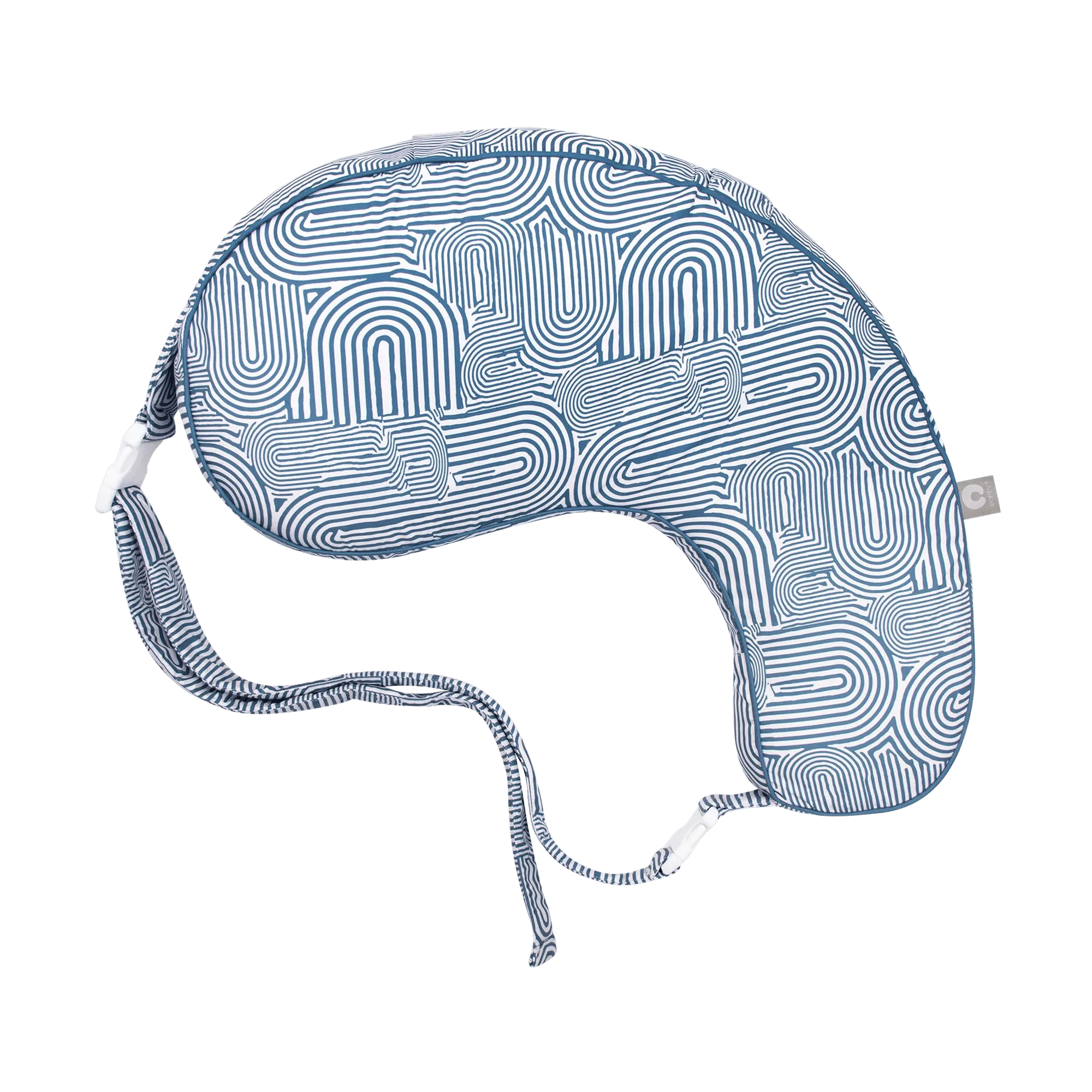
Boppy Uplift™ Nursing Pillow
-
Momkind Nursing Pillow: The Momkind Nursing Pillow is fiber-filled and lifts baby up with a tall cushion to make feedings more comfortable. The tall cushion is ideal if you need extra lift to achieve a good latch, and the fiber fill offers a softer feel that some babies prefer.
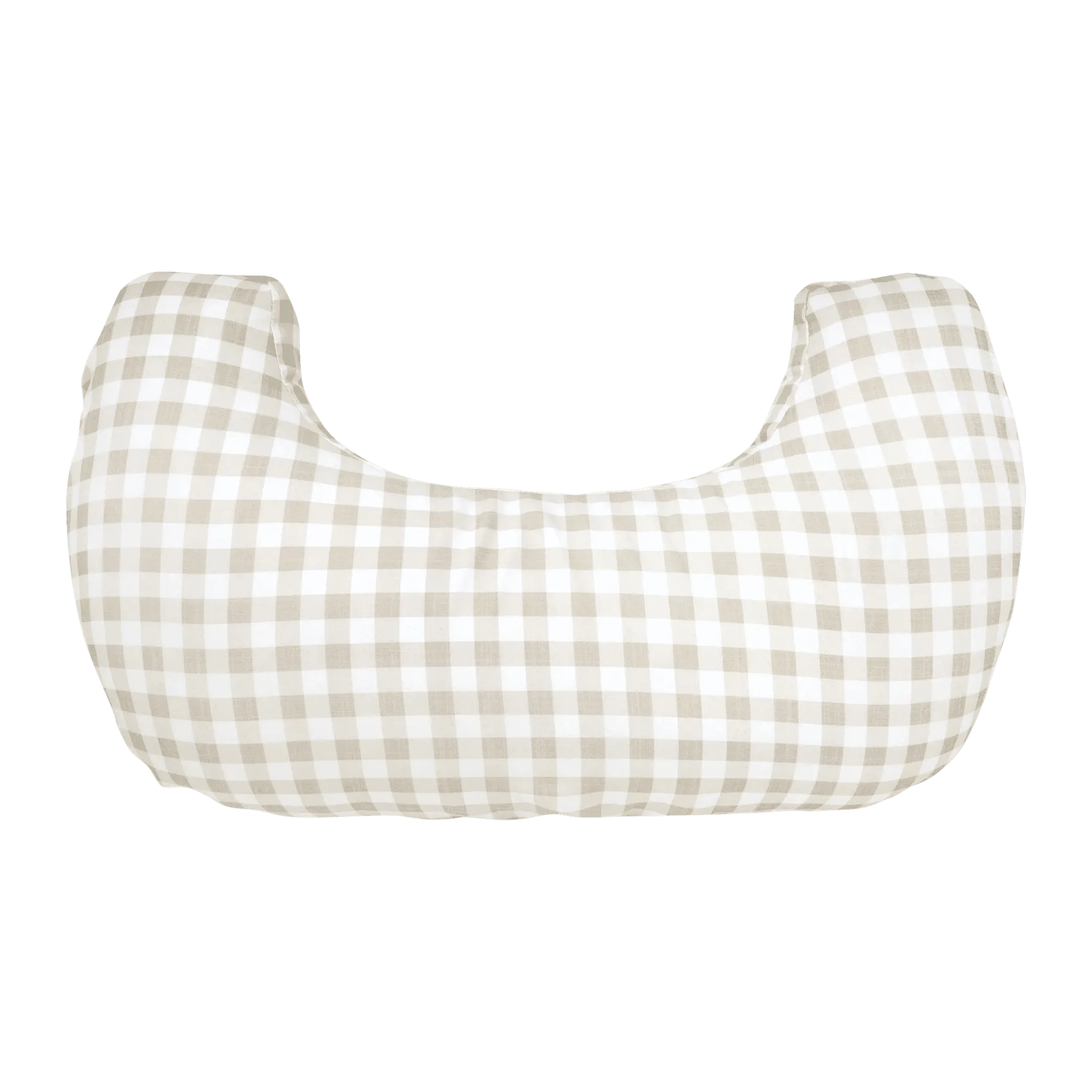
Momkind Nursing Pillow
Who should buy which pillow?
Best for
- Parents with reflux-prone babies who need a sloped, contoured design
- Parents recovering from a C-section who want a pillow with an adjustable belt to avoid incision irritation
Not ideal for
- Parents who prefer a very soft, sink-in feel (choose a fiber-filled option instead)
- Those who need a pillow primarily for bottle feeding or tummy time (a flatter, firmer design works better)