Quick answer
Start your PC case search by matching the form factor to your motherboard (ATX, mATX, or Mini-ITX) and your cooling needs. For most gamers, a mid-tower with good front mesh airflow and at least two included fans offers the best balance of space, thermals, and price. Full towers add room for custom water loops and multiple GPUs but take up more desk space.
water
Size matters: matching case to components
The case size determines what hardware fits inside. Mid-tower cases support standard ATX motherboards and most air coolers, while full towers add extra height for radiators and drive bays. Compact cases (Mini-ITX) save space but limit GPU length and cooling options. Always check the maximum CPU cooler height and GPU length listed in the specs before buying.
If you plan to upgrade later, a slightly larger case gives you flexibility. A mid-tower with removable drive cages can accommodate longer GPUs or a future liquid cooling loop. Full towers are overkill for a single-GPU air-cooled build but essential for dual-system setups or thick radiators.
Airflow: keeping your components cool
Good airflow starts with the case's intake design. Mesh front panels let fans pull in fresh air directly, while solid glass or metal fronts restrict flow and rely on side or bottom vents. For high-power components, prioritize a mesh front with at least two 140mm intake fans. Positive air pressure (more intake than exhaust) reduces dust buildup.
Cable management also affects airflow. A case with at least 20mm of space behind the motherboard tray makes routing cables easier and keeps the main chamber clear. Removable dust filters on the front, top, and PSU intake simplify cleaning and maintain airflow over time.
Features that matter most
Front panel connectivity is a daily-use factor. USB-C ports are becoming standard for modern motherboards and peripherals, but not all cases include them. Check if the case has a USB 3.2 Gen 2 header if you want fast charging and data transfer. Tool-less drive bays and side-panel thumbscrews save time during builds.
Aesthetics are personal, but tempered glass side panels are common and show off your components. However, they add weight and can crack if handled carelessly. Acrylic panels are lighter and cheaper but scratch more easily. Consider a case with a PSU shroud to hide cables and the power supply for a cleaner look.
Decision rules for picking your case
- Motherboard form factor first: Your motherboard size (ATX, mATX, Mini-ITX) dictates the minimum case size. A mid-tower fits ATX; a full tower is only needed for extended ATX or dual systems. Match case to motherboard before considering anything else.
- Cooling priority: If you run a high-TDP CPU or GPU, choose a case with mesh front and at least two 140mm intake fans. For low-power builds, a solid front with one intake may be sufficient. Mesh front + large fans = better thermals for high-performance parts.
- Future upgrade room: Leave extra space for a longer GPU, taller CPU cooler, or liquid cooling radiator. A case with removable drive cages offers flexibility. Buy a case that can accommodate your next upgrade, not just your current parts.
Related products from MAINGEAR
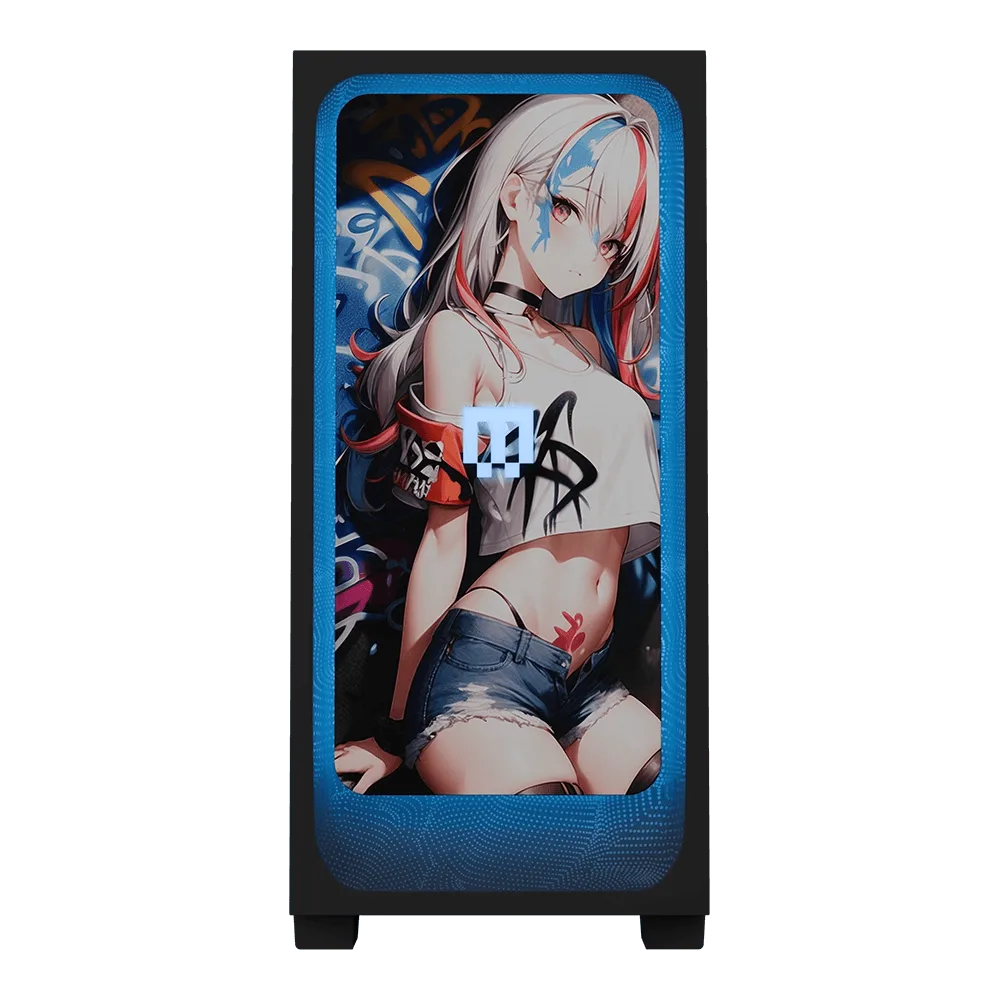
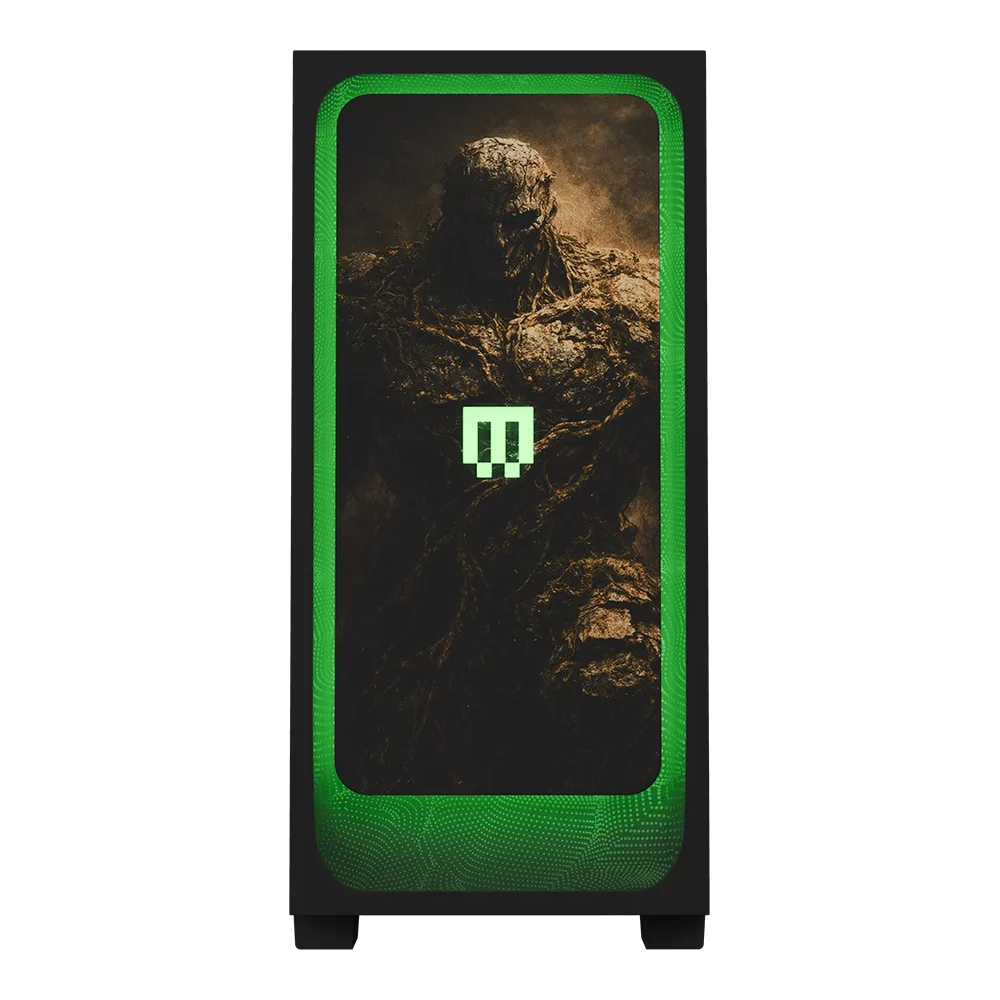
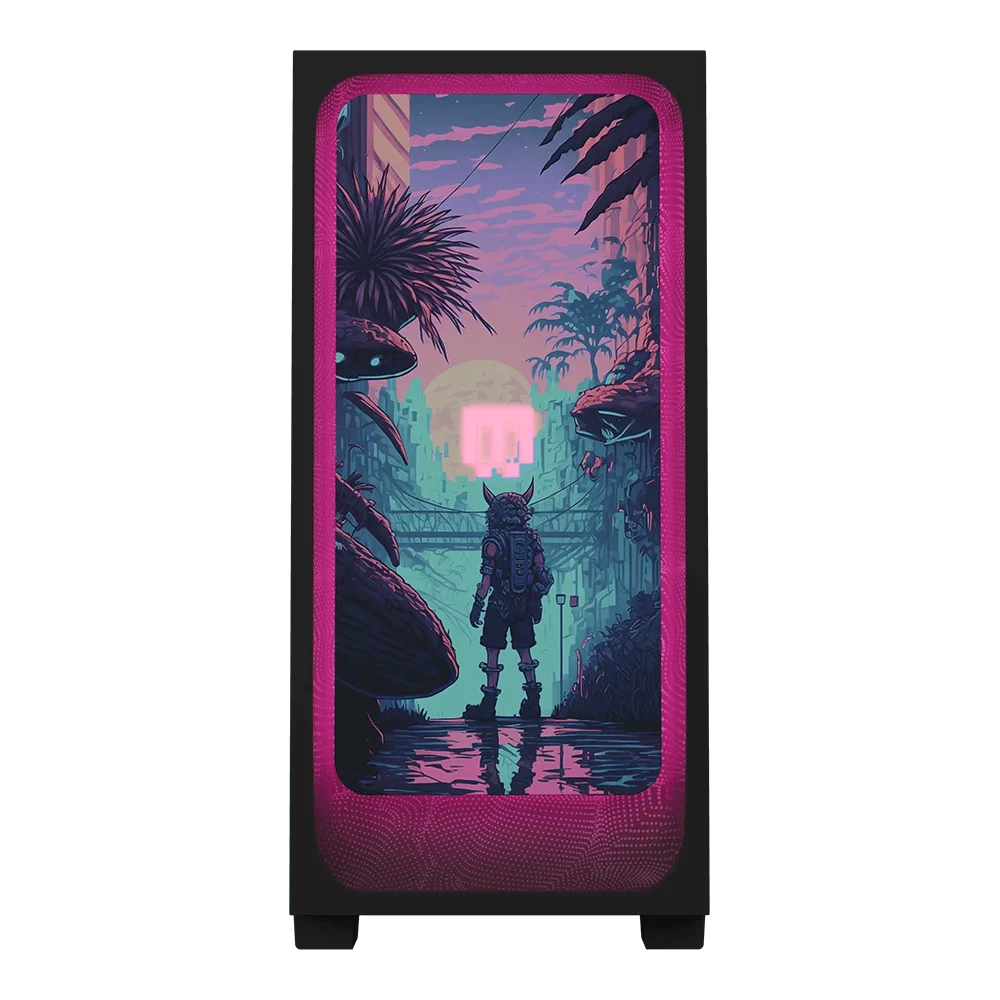
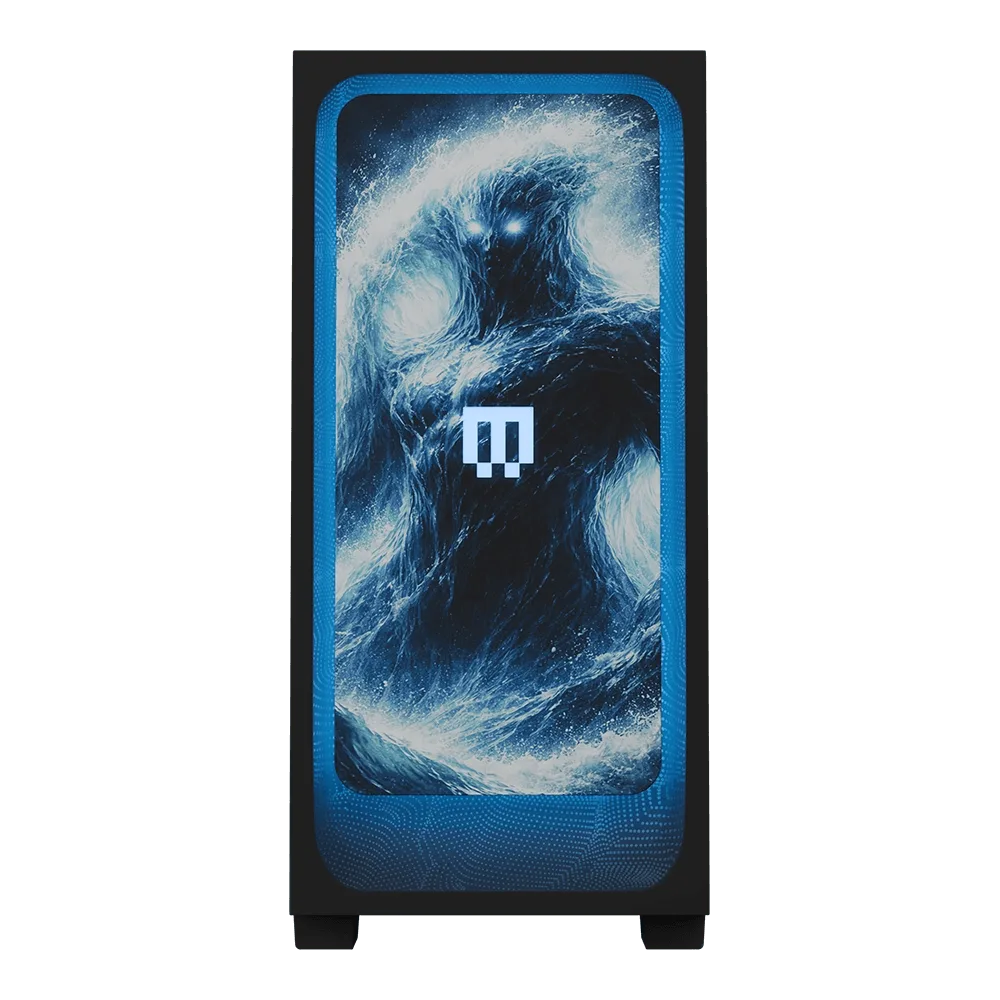
- Event Horizon: The Event Horizon is a front panel accessory from MAINGEAR, offered as a version-specific part for the MG-1. Choose the version that matches your system: All-new MG-1 or Classic MG-1. If you own an MG-1 and want to upgrade its front I/O or styling, the Event Horizon gives you a direct fit without modifying the case.
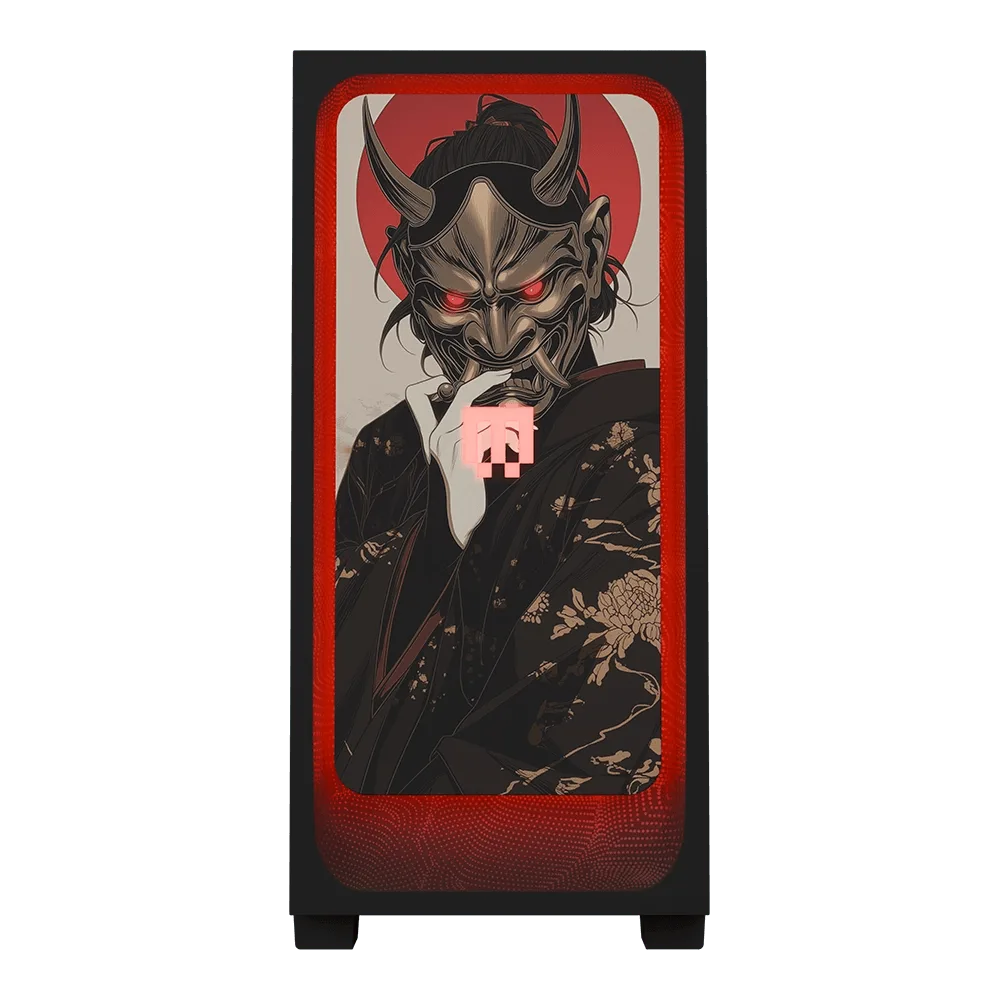
- Samurai: Forged in discipline and battle, this is the warrior at full force. Relentless, precise, and driven by a code that never breaks. Select your MG-1 model to proceed. The Samurai front panel offers a distinct aesthetic for MG-1 owners who want a more aggressive look while keeping full compatibility with the chassis.
Who should buy which case
Best for
- Gamers building a single-GPU, air-cooled system: a mid-tower with mesh front and good cable management.
- Enthusiasts planning custom water cooling or dual GPUs: a full tower with radiator support and extra space.
Not for
- Users who prioritize desk space and portability: a full tower is too large; consider a compact Mini-ITX case instead.