Quick answer
Choose a hide that matches where you shoot and how you move: a portable dome hide for open ground and mobile sessions, a permanent hide for a fixed site, and a scrim net for quick, low-profile concealment. Prioritise quiet materials, a dark interior, and enough room to raise a lens without breaking the outline.
Match the hide to your shooting style
Start with how you actually work. If you walk long distances and set up wherever the subject appears, a lightweight portable hide you can carry and pitch quickly will beat a heavier, roomier design. If you return to the same spot, a permanent or semi-permanent hide gives you more space, better viewing, and a stable base for a tripod or bean bag. For opportunistic sessions where you just need to break up your outline, a simple scrim net can be enough.
Materials and weather
Look at the fabric and construction rather than the pattern alone. Quiet materials reduce the noise that spooks subjects when you shift position. Waterproof or water-resistant panels matter in wet climates, and a dark interior helps stop light bouncing around inside the hide, which keeps you less visible to wildlife. Camouflage patterns should match your local environment: green and brown for woodland, lighter tones for dry or open ground.
Size, fit, and lens clearance
Measure your longest lens and tripod setup before you buy. You need enough internal height to raise the camera to eye level without your head touching the roof, and enough width to pan smoothly. Check the shooting ports or window openings: they should be large enough for your lens hood and positioned so you can shoot standing or seated. If you use a bean bag on a car window or a fence post, make sure the hide can be arranged around that support.
Portability and setup time
A hide that takes ten minutes to assemble will cost you the shot when a subject is already in view. Pop-up designs save time but can be bulkier to carry. Pole-and-skin designs pack smaller but take longer to pitch. Think about the worst-case weather you will face: wind can make a lightweight hide noisy and unstable, so choose one with good anchoring points or add guy lines.
Accessories that improve any hide
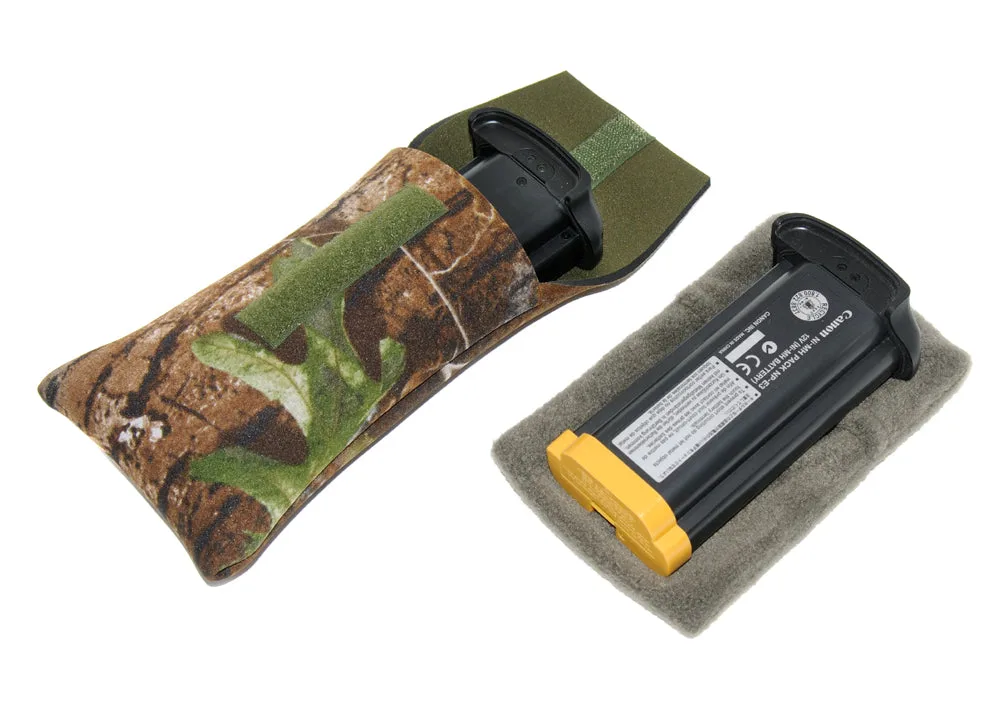
Small additions make a difference. A scrim net can be draped over a hide or used alone to soften your outline. A bean bag liner lets you travel without the weight of filling and top up with local material. Neoprene covers for lens hoods and flash units protect gear, reduce glare, and add camouflage. These are not substitutes for a hide, but they help you stay concealed and keep equipment working in bad weather.
Decision rules: which hide to choose
- If you move often and shoot in open ground: Choose a portable dome hide or a scrim net. They pack small, set up fast, and let you reposition without heavy gear. Check packed size and weight against your normal carry.
- If you shoot from a fixed site or garden: A permanent hide with more internal space and better viewing is worth the extra setup. You can leave it in place and refine it over time. Plan for wind stability and a dark interior.
- If you shoot from a car: A scrim net that can double as a side-window screen is a practical, low-cost solution. Add a bean bag liner for a stable rest. Make sure the net can be fixed without blocking your view.
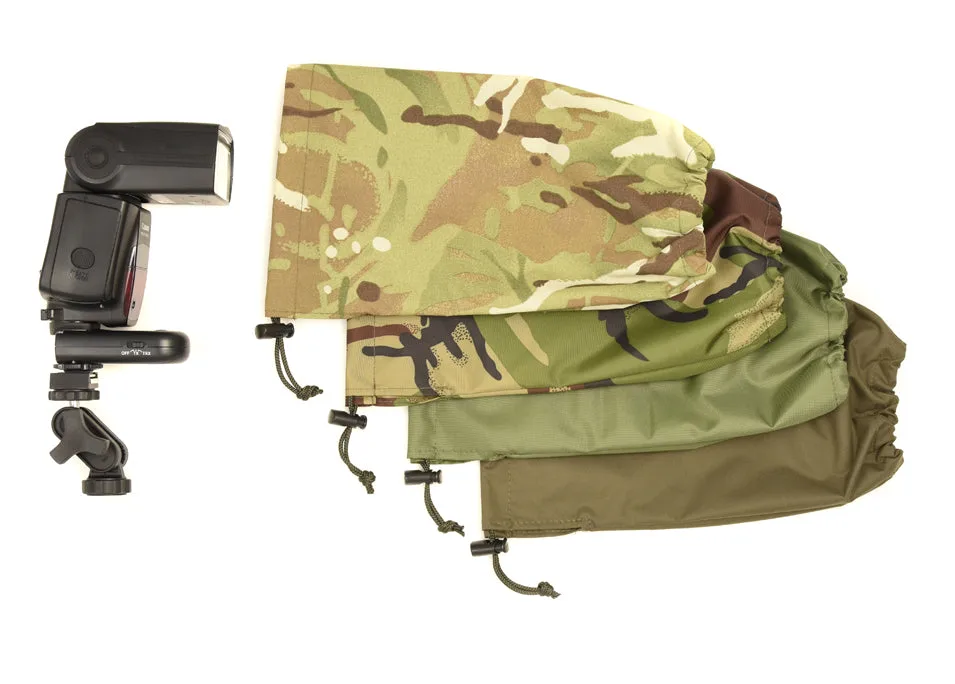
- If you use flash or remote triggers: Cover flash heads and triggers with a waterproof cover that hides standby lights. This keeps gear dry and reduces visible light. Choose a cover long enough for your trigger and mount.
Product facts
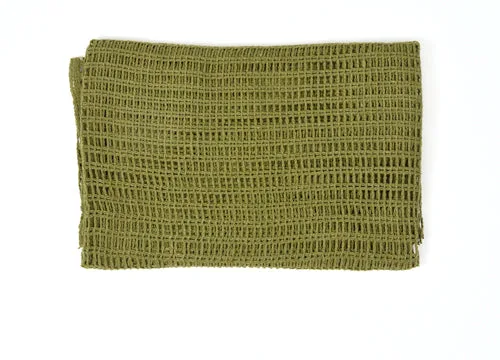
- B14 Scrim Scarf/Net: B14 Army Green Scrim Head & Shoulder Net, 100% cotton, 1m x 1.10m, ideal for camouflaging yourself or camera equipment, can also be used as a screen on a car side window. A lightweight, packable option for quick concealment when you do not need a full hide, or as an extra layer over an existing hide.
- C90 Camera flash cover: C90 Camera flash cover: pull-on design, elastic fit with draw cord, long enough to cover flash, wireless trigger and mount, waterproof material, conceals standby lights, one size fits major brands, choice of camouflage patterns or plain colours. Keeps flash gear dry and hidden, and stops standby lights giving away your position when you are waiting for a subject.
- C14 Double Bean Bag Spare Liner: C14 Double Bean Bag Spare Liner: an extra liner can be purchased separately, ideal if you are travelling and don't want to take your filled liner with you. Lets you travel light and fill the liner on location, which is useful when you are carrying a hide and other gear.
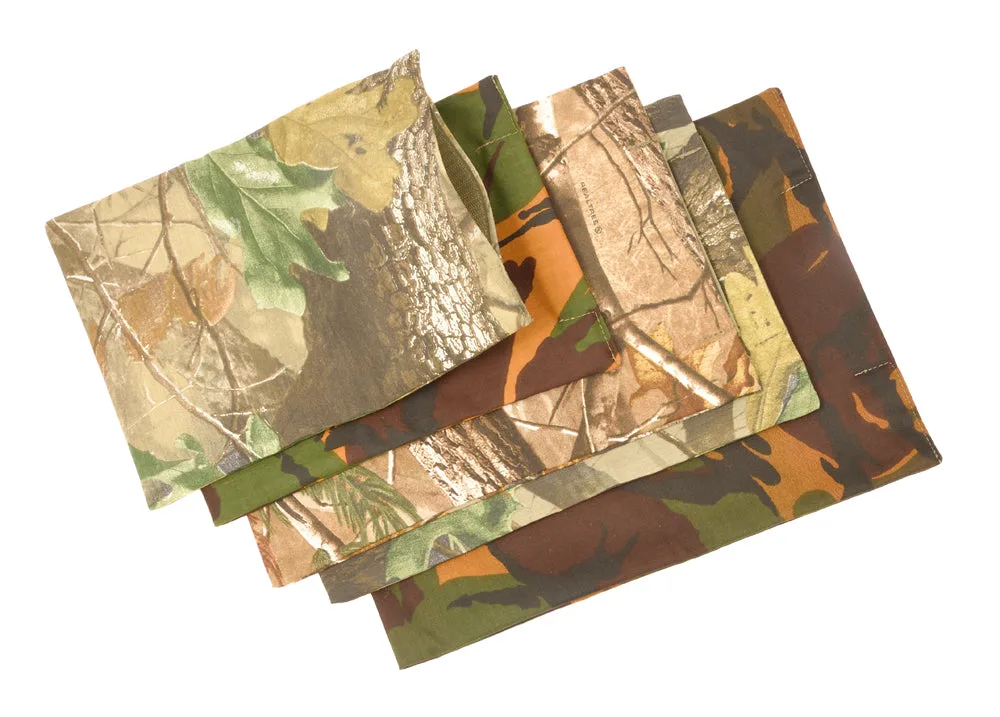
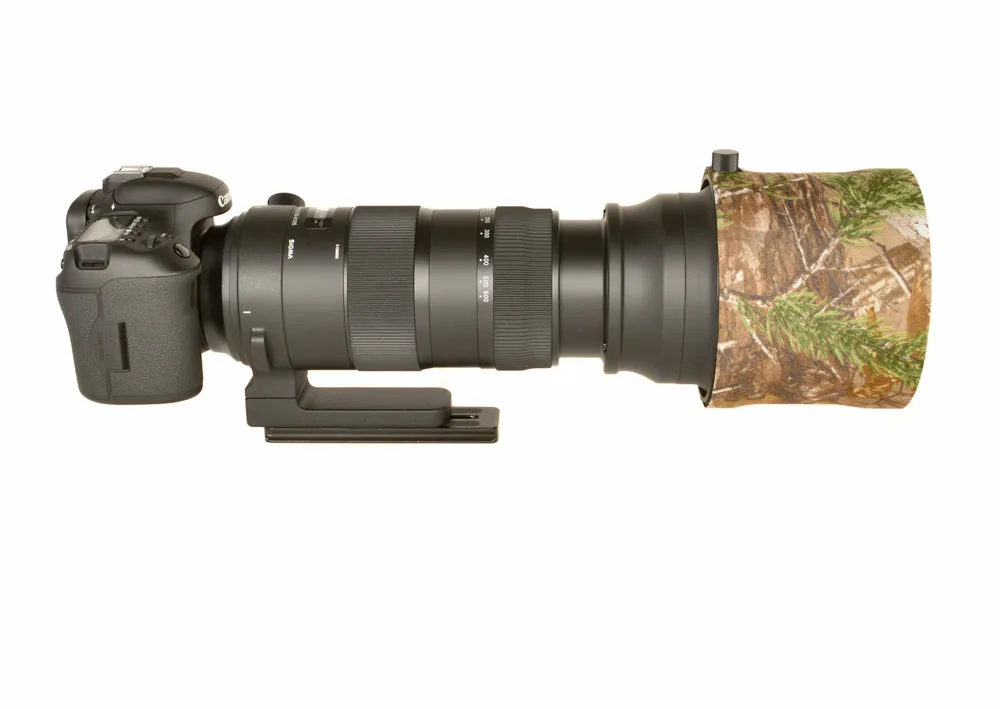
- C60 Neoprene Camera Lens Hood Cover - Sigma: C60 Neoprene Camera Lens Hood Cover - Sigma: helps keep your lens in mint condition, good combination with C80 all-in-one camera and lens cover for weather protection and camouflage, not ideal for short petal shaped hoods, available in Reversible Realtree Max (reverse olive) or Single Sided Realtree apg to give a non-slip grip. Protects the lens hood from knocks and adds camouflage; the non-slip grip helps when you are handling gear inside a hide.
Is this hide right for you?
Best for
- Wildlife photographers who need to stay hidden while moving between locations
- Bird photographers working from a fixed site or garden
- Car-based watchers who need a quick screen and stable rest
Not for
- Photographers who need a large, permanent structure with room for multiple people
- Those who only shoot from established public hides and never need personal concealment