Quick answer
Choose a serving board based on what you serve, how many guests you host, and how much storage space you have. For most entertaining, a 10-12 inch acacia wood board like the Acacia 10-12in. Tree Bark Server is a versatile size for cheese and hors d'oeuvres. If you regularly serve larger spreads or want a raised presentation, consider a footed server instead.
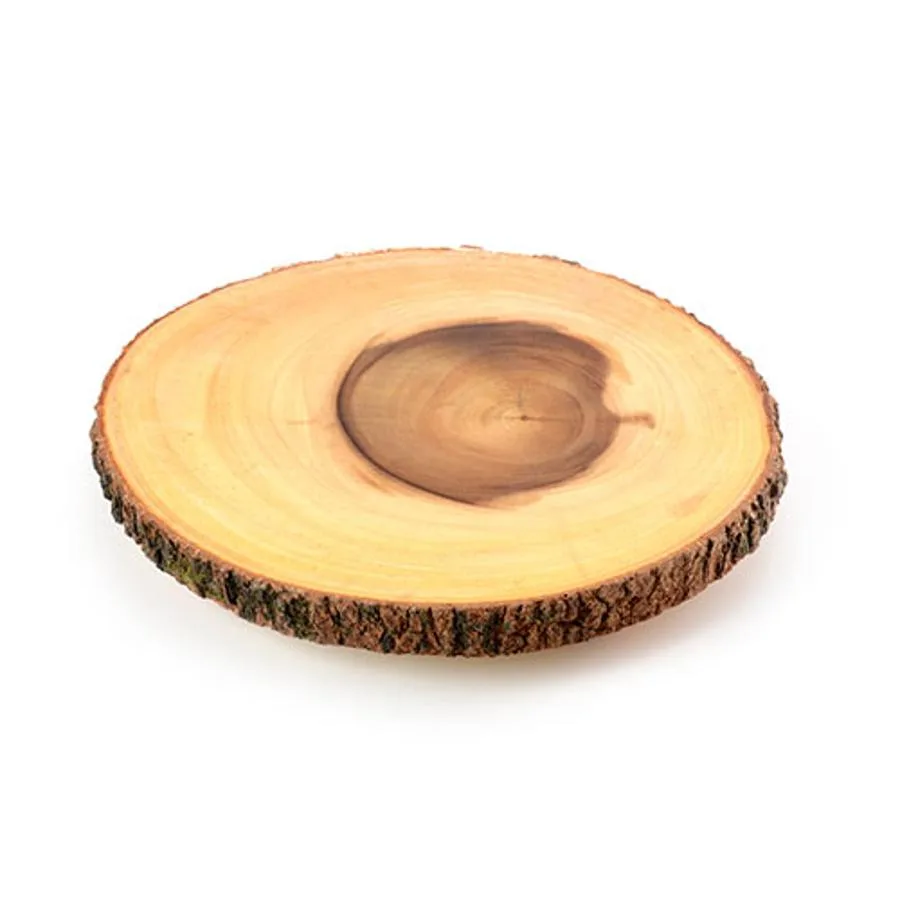
Acacia 10-12in. Tree Bark Server
A serving board is one of those pieces that quietly does a lot of work at a party. It holds the cheese, anchors the appetizer table, and gives guests a clear place to grab a bite. But walk through any home store and you will see boards in every shape, wood tone, and height, which makes the decision harder than it should be.
This wood server buying guide walks through the practical choices: size, material, shape, and whether a flat board or a footed server fits your table. You will also see how a specific acacia serving board compares with a tree bark server, so you can pick the one that matches how you actually entertain.
Start with what you serve, not the board
The food you put out most often should drive the board you buy. If your entertaining style is cheese, crackers, and hors d'oeuvres, a medium board with a little texture works well because it grips soft cheese and looks rustic without much styling. If you serve sliced fruit, charcuterie, or a full spread, you need more surface area and a shape that lets guests reach the center without knocking things over.
A 10-12 inch board is the sweet spot for two to four people. It is large enough for a small cheese selection and a pile of crackers, but small enough to pass around or fit on a side table. Larger boards look impressive but can overwhelm a small coffee table and are heavier to wash.
- Cheese and crackers: medium flat board, 10-12 inches
- Charcuterie and fruit: large flat board or a board with a handle
- Dips and spreads: footed server or a board with a rim
- Single-serve appetizers: small board or individual plates
Flat board vs. footed server: height changes the job
A flat serving board sits low and is easy to pass. It is the better choice when guests are standing, when the board will travel from kitchen to table, or when you want to stack boards for storage. A footed server raises the food off the table, which adds presence and makes the spread easier to see from across the room. That extra height is helpful on a buffet, but it takes more cabinet space and can feel formal for a casual gathering.
If you host buffets or holiday meals, a footed server can act as a centerpiece. If your entertaining is mostly casual snacking on the couch, a flat board is more practical. Many hosts end up owning one of each, but if you are buying your first board, start flat.
- Flat board: easy to pass, easy to store, casual
- Footed server: elevated presentation, better for buffets, takes more space
- Check your cabinet height before buying a footed server
Material and finish: acacia wood and what to expect
Acacia wood is a popular choice for serving boards because it is dense, has a rich color, and shows a strong grain pattern. The Acacia 10-12in. Tree Bark Server is handcrafted and has a rustic, contemporary look that suits both casual and dressed-up tables. Its dark color hides light scratches better than pale woods, which matters if you use the board often.
Any wood board needs some care. Hand wash and dry it promptly, and oil it occasionally to keep the surface from drying out. Avoid soaking it or putting it in the dishwasher. If you want a board that can go from fridge to table without much fuss, a wood board still works, but plan to treat it gently.
- Acacia: dense, dark, rustic grain, good for everyday use
- Hand wash and dry immediately; do not soak
- Oil occasionally to prevent drying and cracking
Size and shape: match the board to your table and storage
Measure your table before you buy. A board that is too large leaves no room for plates and glasses. A good rule is to leave at least 12 inches of table space per guest, then see what is left for the centerpiece. Round boards work well on round tables, while rectangular boards maximize surface area on rectangular tables.
Storage is the other constraint. A 10-12 inch board slides into most cabinets or stands upright behind a door. A footed server or an oversized board may need a shelf of its own. If your kitchen is tight, choose a flat board that can double as a cutting surface for light prep, then serve on it.
- Measure your table and leave 12 inches per guest
- Round boards for round tables, rectangular for rectangular
- Check cabinet depth before buying a footed or oversized board
How many boards do you actually need?
One good medium board covers most gatherings. A second board helps when you serve both a savory and a sweet item, or when you want to keep a backup clean while the first is in use. If you host larger parties, two medium boards often work better than one huge board because they are easier to place and pass.
Beyond boards, think about the small serving pieces that complete the spread. A towel collection for wiping hands and glassware, or a decorative piece for the table, can make the setup feel finished without adding much cost. The Avanti Linens Greenwood Towel Collection, for example, is a practical addition to a buffet or bar area.
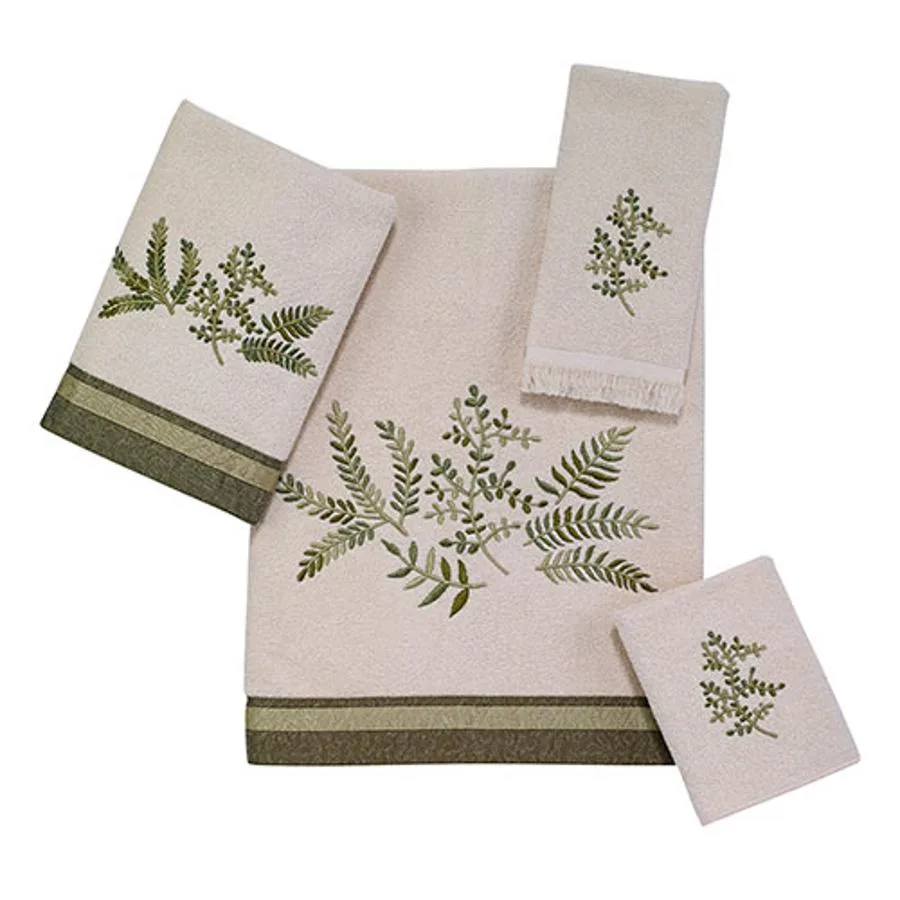
Avanti Linens Greenwood Towel Collection
- Start with one medium flat board
- Add a second board if you serve multiple courses or large groups
- Small extras like towels or a centerpiece can finish the table
Decision rules for choosing your serving board
- If you mostly serve cheese and crackers: Choose a flat board in the 10-12 inch range, like the Acacia 10-12in. Tree Bark Server. It is easy to pass and fits a small selection without looking empty. Start here if you are buying your first board.
- If you host buffets or holiday meals: Choose a footed server to add height and presence. Check your cabinet height first, because footed pieces take more storage space. Elevation helps on a buffet, but only if you have room to store it.
- If you serve large spreads or charcuterie: Buy a larger flat board or two medium boards instead of one oversized board. Two boards are easier to place and pass. Two medium boards often beat one huge board.
- If your kitchen storage is tight: Stick with a flat board that can stand upright. Avoid footed servers and oversized shapes unless you have a dedicated shelf. Measure your cabinet before you fall for a tall server.
- If you want low-maintenance care: Wood boards need hand washing and occasional oiling. If that sounds like too much, choose a board you will actually maintain rather than an expensive one you avoid using. The best board is the one you will use and care for.
Product facts that help you decide
- Acacia 10-12in. Tree Bark Server: Handcrafted from acacia wood with a rich dark color, this 10-12 inch server is designed for cheese, crackers, and hors d'oeuvres. The medium size and rustic finish make it a versatile first board for small to medium gatherings.
- Avanti Linens Greenwood Towel Collection: This 100% cotton towel collection features a botanical motif in green on ivory with a two-tone border; machine wash warm, gentle cycle, tumble dry low. A practical add-on for wiping hands and glassware at a buffet or bar, and the care instructions are simple enough for everyday use.
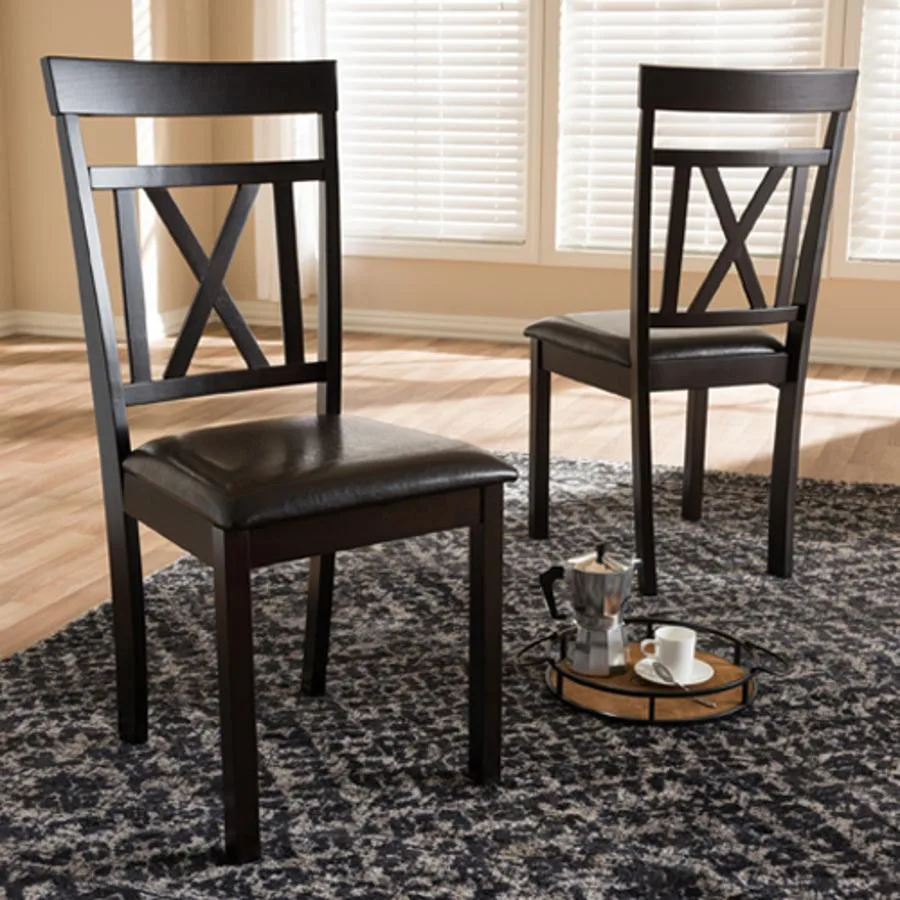
- Baxton Studio Rosie Dining Chairs - Set of 2: These modern chairs have a high X-back design, dark brown wenge-finished wood, and dark brown faux leather padded seats; they require oversize delivery. If your entertaining includes seated dinners, comfortable chairs matter as much as the board; note the oversize delivery requirement when planning.
Who should buy which board
Best for
- First-time hosts who want one versatile board for cheese and appetizers
- Casual entertainers who pass snacks around a coffee table
- Small kitchens where storage space is limited
Not for
- Hosts who regularly serve large charcuterie spreads and need maximum surface area
- Buffet-style entertainers who want an elevated centerpiece
- Anyone who prefers dishwasher-safe serving pieces
Pick the board that matches your food, your space, and your willingness to care for it. For most people, a 10-12 inch acacia board like the Acacia 10-12in. Tree Bark Server is the most useful starting point. Add a footed server later if your entertaining grows into buffets and larger spreads.