Quick Answer
The best sim racing handbrake for you depends on your driving style, budget, and mounting setup. Analog handbrakes offer smooth progressive control ideal for drifting and rally, while hydraulic-style options provide a more realistic bite point. For the ultimate immersion, a force-feedback handbrake like the MOZA Active Shifter can simulate real-world resistance and vibration.
Analog vs. Hydraulic Handbrakes: What's the Difference?
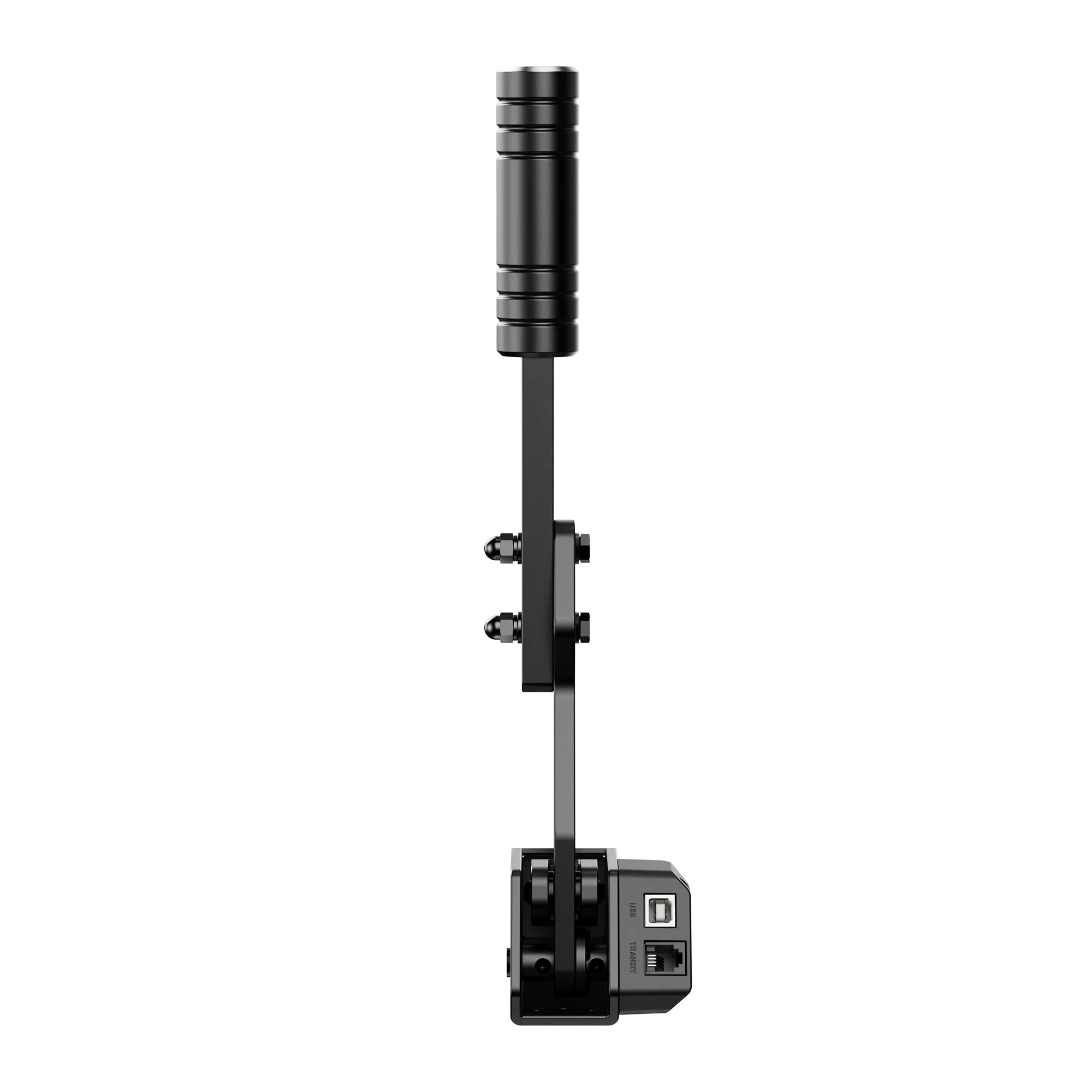
Analog handbrakes use a potentiometer or Hall effect sensor to measure the lever position. They send a linear signal to the game, giving you precise control over how much brake force you apply. This makes them a popular choice for drifting and rally sim racers who need to modulate the brake mid-corner. They are generally more affordable and easier to install than hydraulic units.
Hydraulic handbrakes replicate the feel of a real hydraulic system by using a master cylinder and fluid. They offer a more realistic bite point and resistance curve, which can improve muscle memory for real-world driving. However, they require a dedicated mounting point and often need a separate load cell or pressure sensor to work with PC sims, adding complexity and cost.
Force Feedback Handbrakes: The Next Level
Force feedback (FFB) handbrakes are a newer category that uses motors to actively resist or assist the lever movement. The MOZA Active Shifter is a standout example: it uses dual servo motors to deliver 12Nm peak torque, providing lifelike engagement clicks, resistance, and vibration feedback. This can simulate the feel of a real sequential shifter or handbrake, making it incredibly immersive.
The trade-off is price and complexity. FFB handbrakes cost significantly more than analog or hydraulic units, and they require a compatible wheelbase or USB connection, plus software configuration. They are best for sim racers who want the most realistic experience and are willing to invest in a premium setup.
Mounting and Compatibility Considerations
Before buying, check your rig's mounting options. Most handbrakes use a standard bolt pattern (e.g., 4-hole or 2-hole) and can be attached to a profile rig or a dedicated handbrake mount. Some models, like the MOZA Active Shifter, offer multiple gear modes (H-pattern, sequential, and handbrake) that can be switched instantly, which is a huge space saver if you want one device for multiple functions.
Compatibility with your wheelbase and game is also critical. Most USB handbrakes work with PC sims like Assetto Corsa, iRacing, and Dirt Rally 2.0. Console users have fewer options and should verify compatibility with their platform. The Thrustmaster TX Leather Edition bundle, for example, is designed for PC and Xbox, so any handbrake you add must also support that ecosystem.
How to Decide: 3 Key Rules
- Rule 1: Match the handbrake to your driving style: If you primarily drift or rally, an analog handbrake gives you the progressive control you need. If you want the most realistic feel and are willing to pay for it, a force-feedback handbrake like the MOZA Active Shifter is the way to go. Drift/rally → analog or FFB. Circuit racing → hydraulic or basic analog.
- Rule 2: Check your rig's mounting and compatibility first: Measure your rig's mounting holes and ensure the handbrake fits. Also confirm that the handbrake works with your wheelbase and game platform (PC vs. console). A multi-mode device like the MOZA Active Shifter can simplify your setup. Measure twice, buy once. Verify platform support.
- Rule 3: Set a realistic budget including mounting and software: Analog handbrakes start around $100–$200. Hydraulic units range from $200–$400. Force-feedback options like the MOZA Active Shifter are priced higher (around $535) but replace multiple devices. Don't forget to budget for a mounting bracket if your rig doesn't have one. Factor in all costs, not just the handbrake itself.
Key Products at a Glance
- MOZA Racing Active Shifter: Experience the next level of realistic gear shifting with the MOZA Active Shifter – the industry’s first force feedback shifter powered by dual servo motors. With 12Nm peak torque, it delivers lifelike engagement clicks, resistance, and vibration feedback for maximum immersion. Multiple gear modes (H-pattern, sequential, and handbrake) can be switched instantly, while MOZA Pit House software enables full customization. This is the only product on this list that offers active force feedback, making it ideal for sim racers who want the most realistic handbrake feel and the flexibility to switch between shifter and handbrake modes without buying separate hardware.
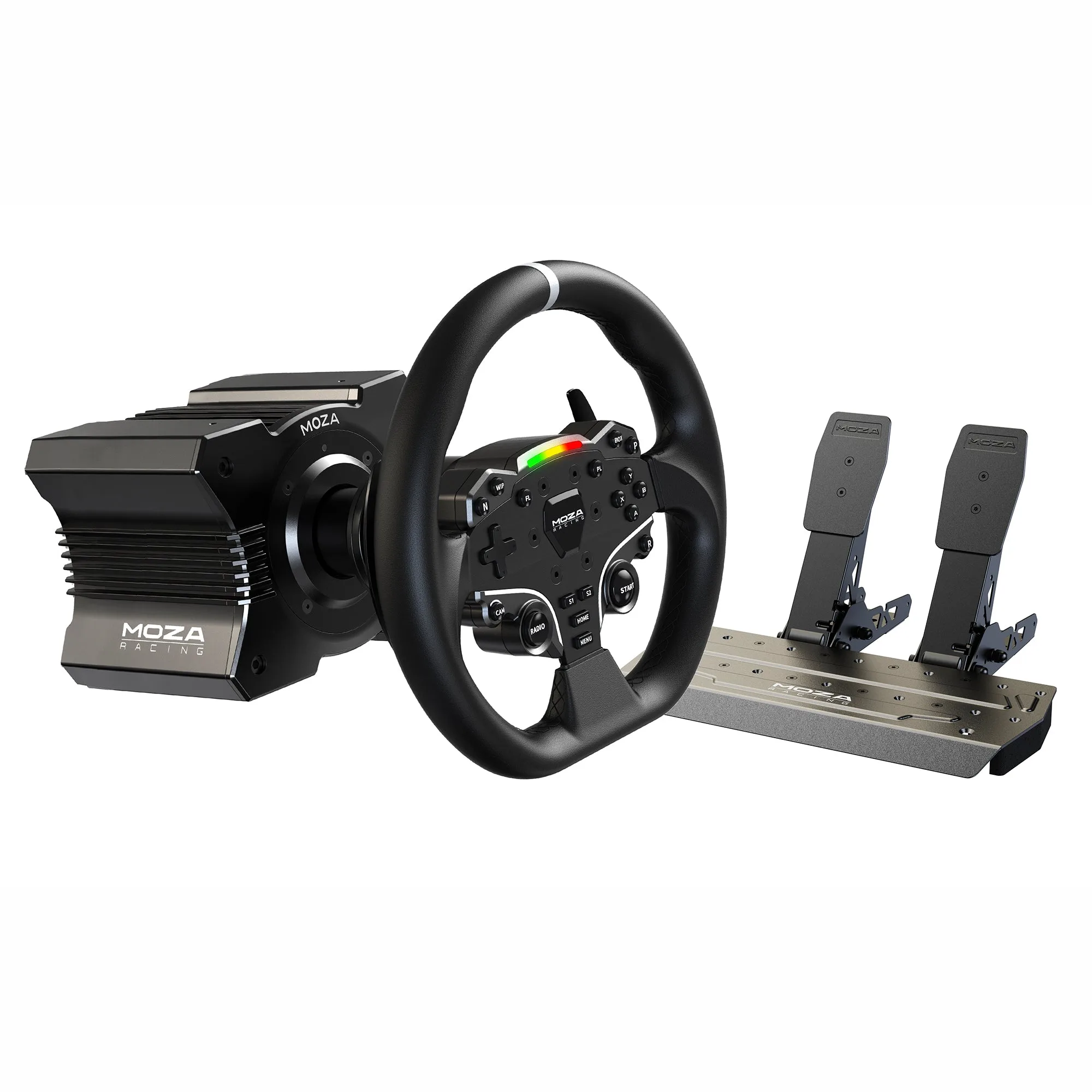
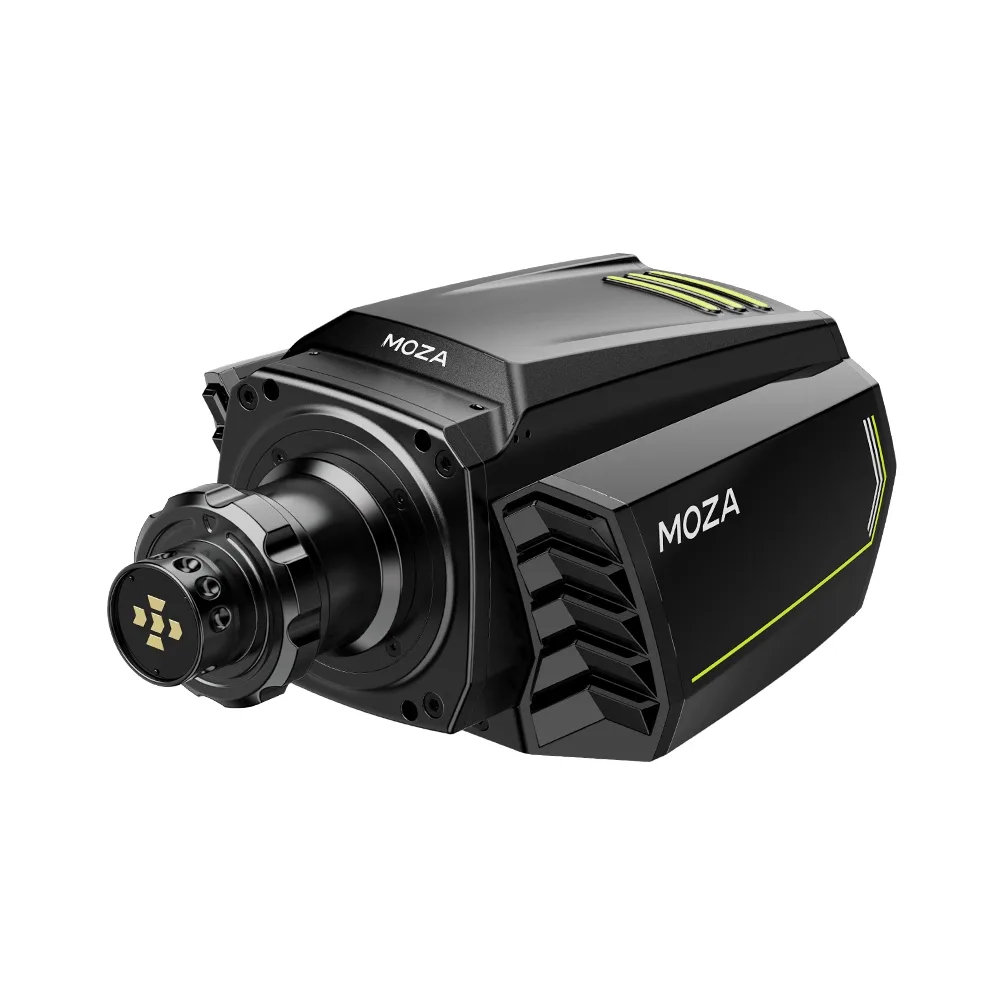
- MOZA Racing R16 V2 Wheel Base: The MOZA R16 sim racing wheelbase is a formidable powerhouse that combines performance and style. With a peak torque of 16 Nm, it delivers impressive force feedback for an immersive racing experience. The all-aluminum alloy body and a sleek supercar-inspired design ensure great reliability without compromising on style. With hands-off protection and ultra-low static torque, you can focus on the race without distractions. A high-torque wheelbase like the R16 V2 pairs well with a force-feedback handbrake because both systems rely on precise motor control and can be tuned together in the MOZA ecosystem for a cohesive driving experience.
Which Handbrake Fits You?
Best for
- Drift and rally sim racers who need precise modulation
- Sim racers who want the most realistic feel and are building a premium rig
Not ideal for
- Budget-conscious racers who only need a basic handbrake for casual use
- Console racers with limited compatibility options (check your platform first)