Quick Answer
For everyday tea brewing, choose small or medium roots—they offer good value and brew well. For gifts or special occasions, larger roots are more impressive and traditionally preferred. Match the size to how you plan to use the root and your budget.
American ginseng root comes in several sizes, and the size you choose affects both price and how you'll use it. Whether you're brewing tea, making soup, or buying a gift, understanding root sizes helps you get the most value.
This guide explains the practical differences between small, medium, and large roots—without overcomplicating it. You'll learn which size fits your needs and how to make a confident choice.
What Root Size Means for Your Use
The size of an American ginseng root influences how you prepare it and how long it lasts. Smaller roots, often called small or long small roots, are convenient for slicing into tea or simmering in soups. They tend to be more affordable, making them a good choice for regular use.
Medium and larger roots are often chosen for presentation. They look impressive when given as gifts and are traditionally prized for their appearance. Larger roots can also be sliced into more pieces, but they cost more upfront.
- Small roots: budget-friendly, easy to brew, great for daily tea.
- Medium roots: balance of size and value, versatile for tea and gifts.
- Large roots: premium look, ideal for gifting or special occasions.
Brewing and Preparation Considerations
If you plan to brew ginseng tea, smaller roots are often more practical. They steep quickly and can be reused several times. Larger roots may require longer simmering to extract flavor, but they can be sliced thin to speed up the process.
For soups and broths, any size works, but smaller roots are easier to portion. You can add a few small roots to a pot without overwhelming the flavor. Larger roots are better when you want a stronger ginseng presence in the dish.
- For tea: small or medium roots are easiest to use.
- For soups: small roots allow flexible portioning.
- For gifts: larger roots make a more impressive present.
Price and Value Trade-offs
Larger roots cost more per ounce than smaller ones. This is partly because they take longer to grow and are rarer. If you're buying for personal use, smaller roots give you more servings per dollar. If you're buying a gift, the higher price may be worth it for the visual impact.
Compare the price per ounce when deciding. A 4-ounce package of small roots costs less than the same weight of large roots, so you can often get more total tea or soup servings for your money.
- Check the price per ounce to compare value.
- Small roots often stretch your budget further.
- Large roots are a premium choice for gifting.
Decision Rules for Choosing Root Size
- For daily tea or soup: Choose small or medium roots. They brew well and offer more servings per dollar. Best value for regular use.
- For gifting: Choose larger roots, such as round large roots. They look impressive and are traditionally favored for gifts. Premium presentation matters.
- For a balance of both: Select medium roots. They work for tea and still look presentable if you decide to gift them. Versatile middle ground.
Real Root Options to Consider
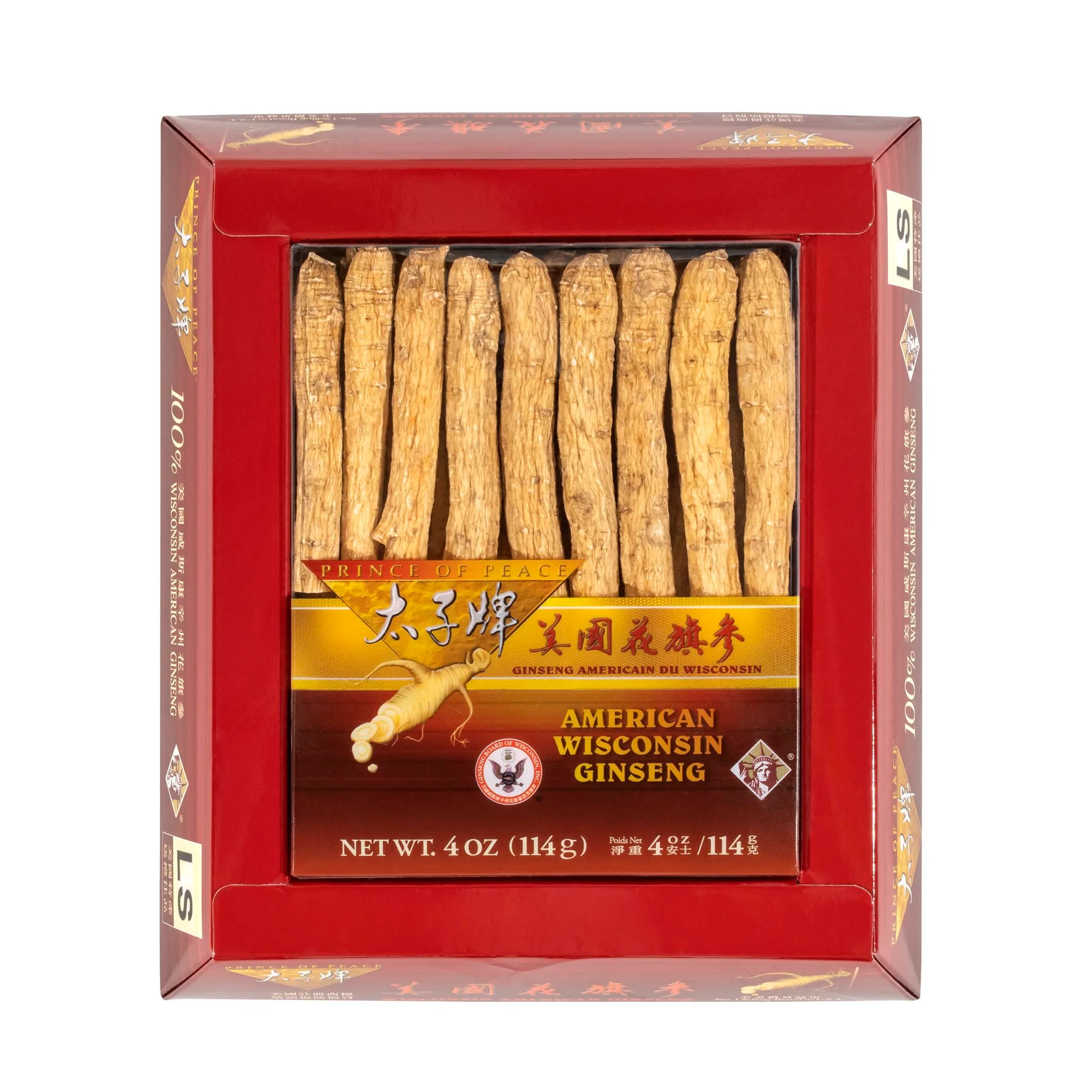
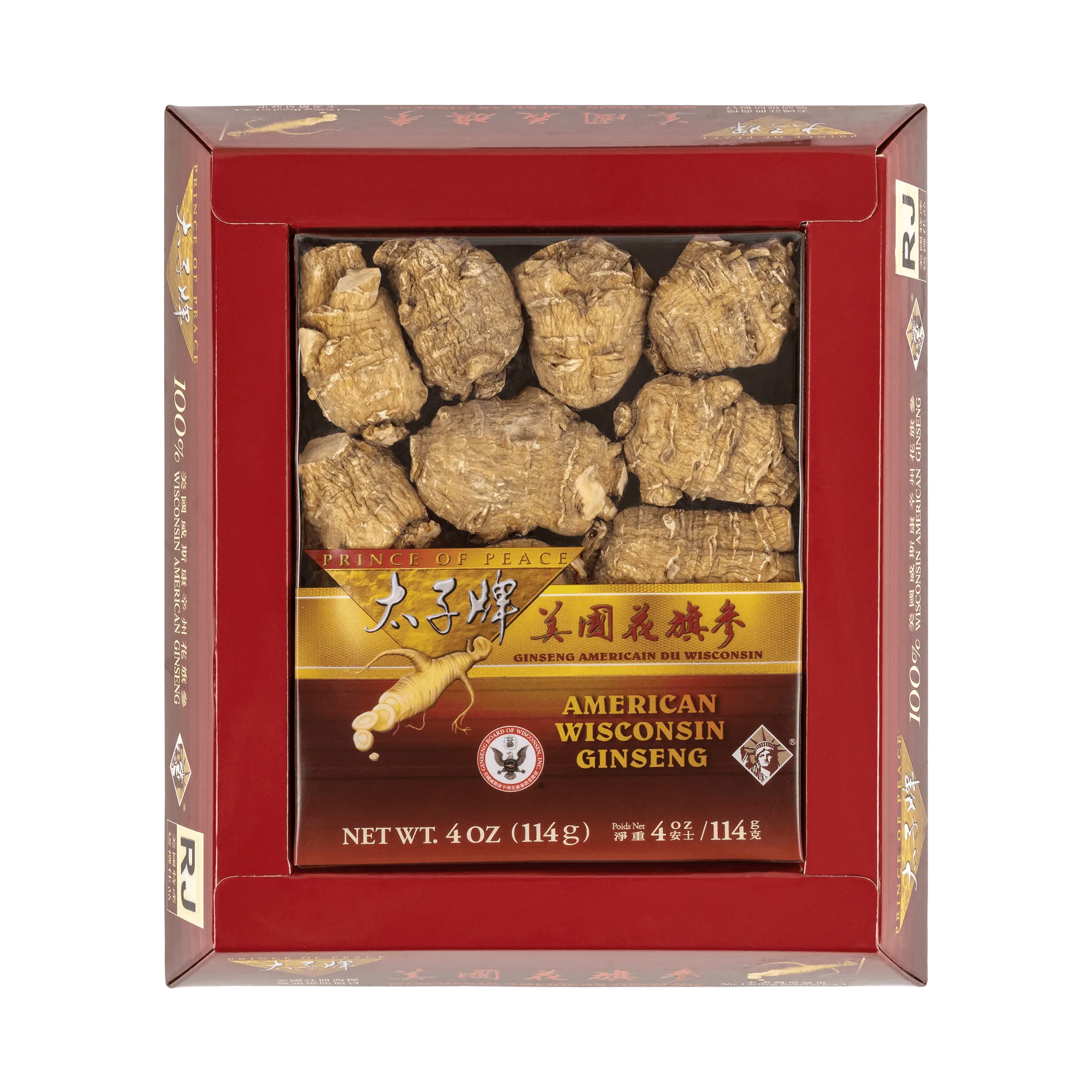
- Prince of Peace Wisconsin American Ginseng Long Small Roots, 4oz: Prince of Peace Wisconsin American Ginseng Roots have been carefully selected from high quality roots. Wisconsin has the ideal climate and mineral-rich soil conditions for growing the perfect ginseng roots. These small roots are a practical choice for daily tea or soup. They offer the quality of Wisconsin-grown ginseng at a more accessible price point.
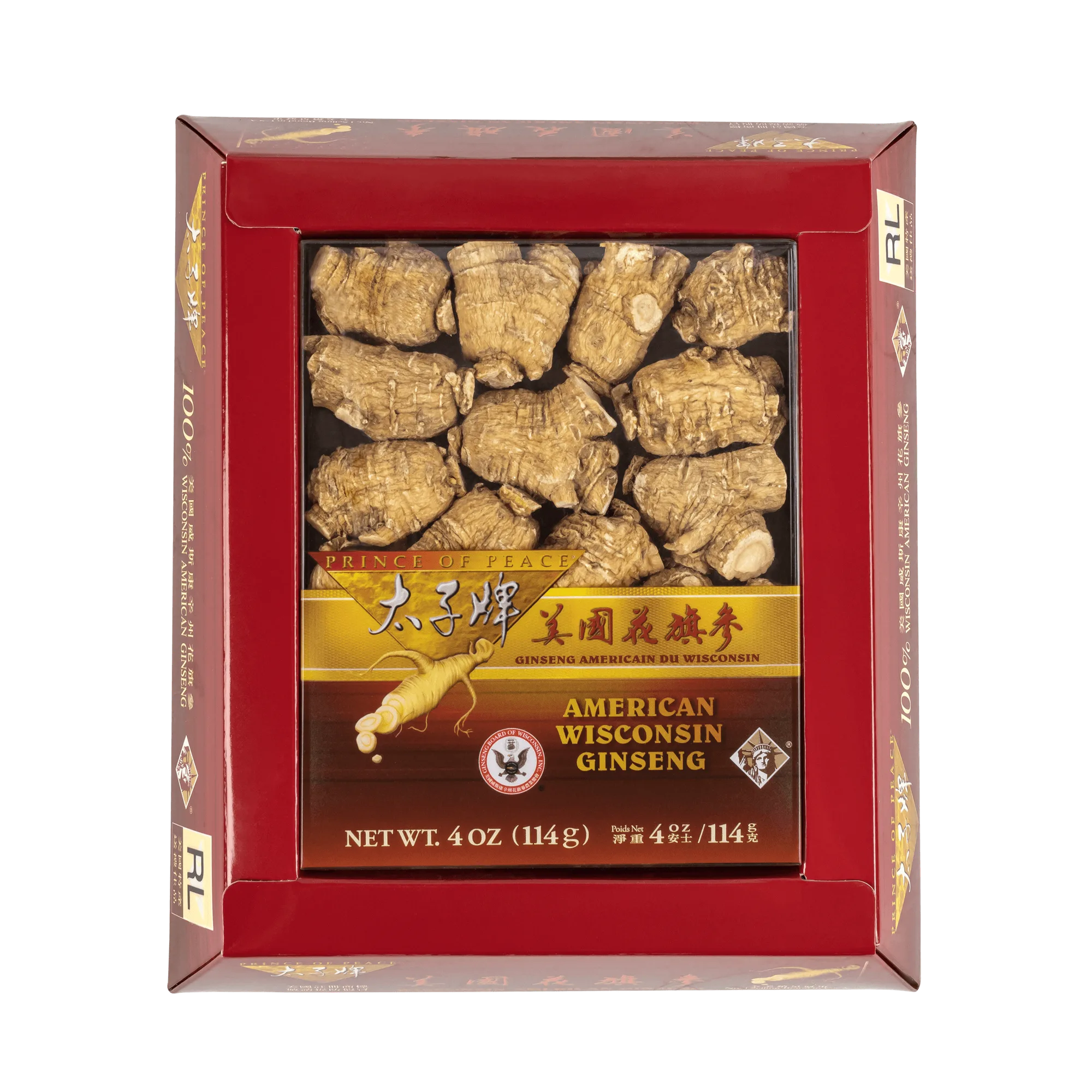
- Prince of Peace Wisconsin American Ginseng Round Large Roots, 4oz: Prince of Peace Wisconsin American Ginseng Roots have been carefully selected from high quality roots. Wisconsin has the ideal climate and mineral-rich soil conditions for growing the perfect ginseng roots. Large round roots are ideal for gifting or special occasions. Their impressive appearance makes them a traditional and thoughtful present.
Which Size Fits You?
Best for
- Budget-conscious buyers who want daily ginseng tea or soup.
- Gift-givers who want a premium, traditional present.
Not for
- Those who need maximum value per serving should avoid large roots.
- If you're buying for a quick tea bag convenience, consider ginseng tea bags instead of whole roots.
Choosing the right American ginseng root size comes down to how you'll use it and what you value most. For everyday brewing, small or medium roots offer practicality and value. For gifts or special moments, larger roots deliver the presentation you want. Match the size to your purpose, and you'll get the most from your purchase.