Quick Answer
For breastfed babies, look for a bottle with a slow-flow nipple and a shape that encourages a wide latch. Both glass and silicone bottles can work well—choose based on your priorities for durability, weight, and ease of cleaning.
Why Nipple Flow and Shape Matter
Breastfed babies are used to the natural flow of milk from the breast, which is slower and requires effort. A fast-flow nipple can overwhelm them, leading to coughing or refusal. Slow-flow nipples, often labeled Stage 1 or 0-3 months, help mimic the pace of breastfeeding.
The shape of the nipple also affects how easily your baby latches. Wide, breast-shaped nipples encourage a deep latch, similar to how they latch onto the breast. This can make the transition back and forth between breast and bottle smoother.
Glass vs. Silicone: Trade-offs to Consider
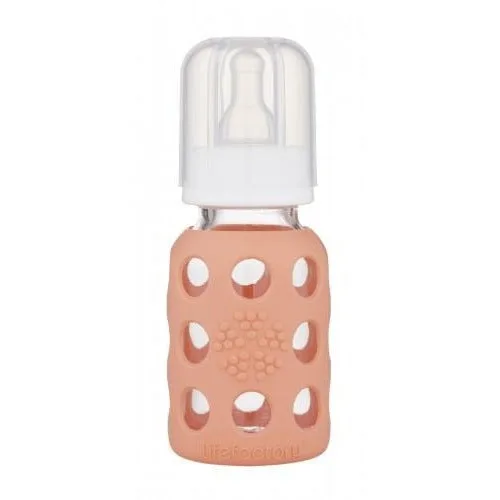
Glass bottles are durable and resistant to scratches, but they are heavier and can break if dropped. However, some glass bottles come with silicone sleeves that provide a better grip and protect against drops.
Silicone bottles are lightweight, squeezable, and unbreakable, making them great for travel and for babies who like to hold their own bottle. On the downside, silicone can retain odors and may need more frequent replacement if it gets damaged.
Decision Rules for Choosing a Bottle
- Start with a slow-flow nipple: Choose a bottle with a Stage 1 or slow-flow nipple for newborns and younger infants to mimic the slower milk flow of breastfeeding. This helps prevent overfeeding and reduces the risk of nipple confusion. Check the nipple flow rate and replace as your baby grows.
- Match the nipple shape to your baby's latch: If your baby has a shallow latch, try a wide, breast-shaped nipple that encourages a deeper, more natural latch. If your baby prefers a more traditional shape, opt for a standard nipple. Watch your baby's feeding cues—if they struggle or seem frustrated, try a different shape.
- Choose glass for durability and easy cleaning: If you prioritize longevity and easy sterilization, a glass bottle with a silicone sleeve is a great choice. It resists scratches and can be boiled without damaging the glass. Consider a glass option if you plan to use the bottle for multiple children.
- Choose silicone for lightweight portability: If you need a bottle for travel or for your baby to hold independently, a silicone bottle is lightweight and unbreakable. It's also squeezable, which can help control milk flow. Inspect silicone bottles regularly for signs of wear or damage.
Product Facts
-
4 oz Glass Baby Bottle: Made from thermal shock resistant borosilicate glass, these bottles can go from freezer to boiling water safely, and come with silicone sleeves for grip and drop protection. This makes them a versatile choice for parents who want a durable, easy-to-clean glass option that can handle temperature changes and occasional drops.
4 oz Glass Baby Bottle
-
GentleBottle Silicone Baby Bottle: 100% silicone bottle with an off-set nipple designed to mimic a natural breast, promoting easy latching and comfortable feeding. The breast-like shape and soft, squeezable body can help breastfed babies transition more easily and feel more comfortable during bottle feeds.
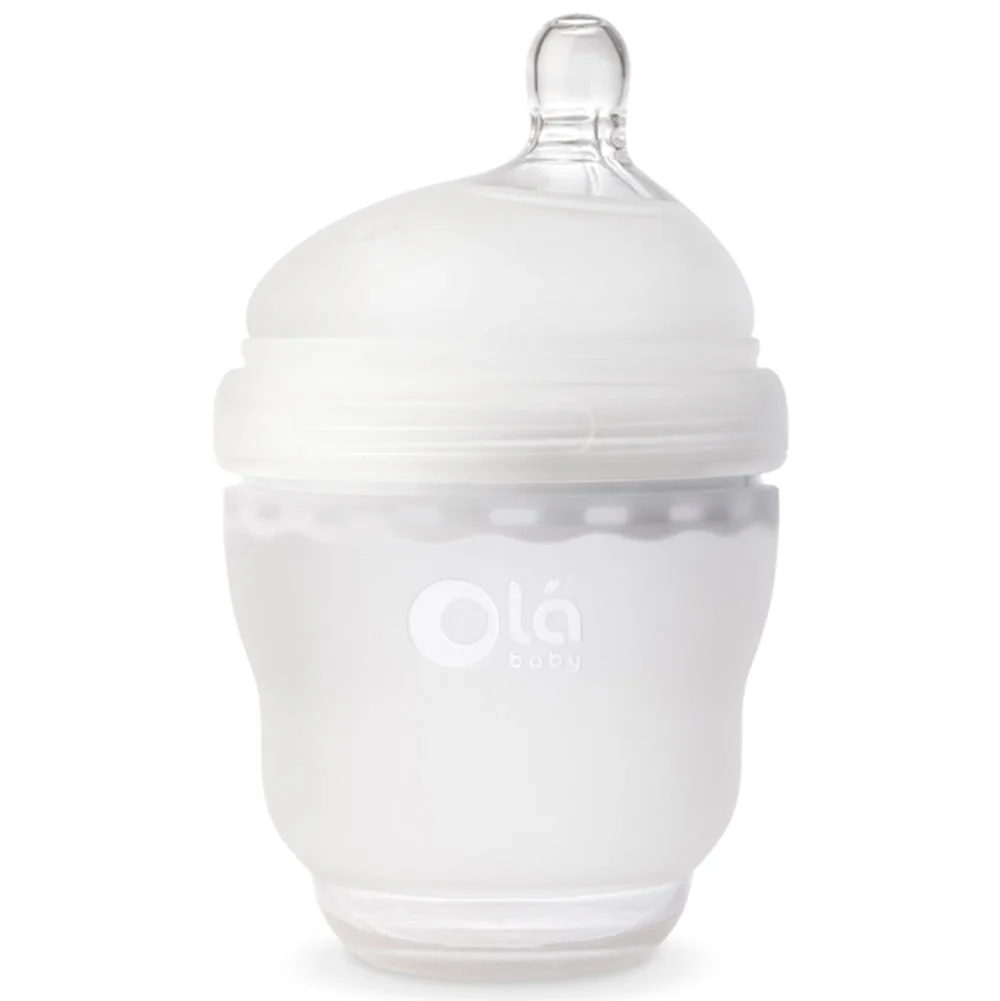
GentleBottle Silicone Baby Bottle
Which Bottle Is Right for You?
Best for
- Parents who want a durable, easy-to-clean option that can withstand temperature changes—glass bottles with silicone sleeves are ideal.
- Parents of breastfed babies who need a lightweight, unbreakable bottle for on-the-go feeding—silicone bottles are a great fit.
Not for
- Parents who prefer a bottle that can be used with a wide range of accessories—silicone bottles may have fewer compatible parts.
- Parents who want a bottle that is completely odor-resistant—silicone can retain smells over time.