Quick Answer
For newborns, the most important features in a baby carrier are proper head and neck support, an ergonomic seat that supports the hips, and a secure, adjustable fit for both baby and parent. Look for carriers designed specifically for the infant stage, with a high weight limit that starts low enough for a newborn, and ensure the carrier allows you to see your baby's face and keep their airway clear.
What to Look for in a Newborn Carrier
Safety comes first. A newborn baby carrier must keep your baby's airway open and their head supported. Look for a carrier with a high, snug seat that positions your baby close enough to kiss. The carrier should also allow you to monitor your baby's breathing and ensure their chin is never tucked to their chest.
Ergonomic support is crucial for your baby's developing hips and spine. The carrier should support your baby in a natural "M" position, with knees higher than the bottom and thighs supported from knee to knee. Avoid carriers that force your baby's legs to hang straight down, as this can strain the hips.
Adjustability matters for both comfort and longevity. A carrier that fits you well and can be adjusted as your baby grows will serve you longer. Look for padded shoulder straps and a supportive waist belt to distribute your baby's weight comfortably.
Types of Newborn Carriers
Wraps: Stretchy or woven wraps offer the most custom fit and are excellent for newborns. They require practice to tie correctly and can feel warm in hot weather. Structured carriers: These are easier to put on and often include an infant insert for newborns. They provide good support but may be bulkier. Ring slings: Quick to use and great for short carries, but they put all the weight on one shoulder, which can be tiring.
When choosing a type, consider your lifestyle. If you plan to wear your baby for long periods, a structured carrier with good weight distribution may be best. For quick trips around the house, a ring sling or wrap might be more convenient.
Safety Checklist for Newborn Carriers
Always check the carrier's weight and age recommendations. Most newborn carriers are suitable from birth, but some require your baby to weigh at least 7-8 pounds. Ensure the carrier supports your baby's head and neck, and that the fabric is breathable to prevent overheating.
The carrier should allow you to see your baby's face at all times. Your baby's face should be visible and not pressed against your body. The carrier should also keep your baby's chin off their chest to maintain an open airway.
Decision Rules for Choosing a Newborn Carrier
- Prioritize head and neck support: Newborns lack the strength to hold their heads up. The carrier must have a high back or a padded headrest that supports the head and neck, keeping the airway clear. Check that the carrier's back panel reaches the base of your baby's skull.
- Check the seat width and hip positioning: Your baby's hips should be in a natural "M" position with knees higher than the bottom. The carrier's seat should support from knee to knee. Avoid carriers that force legs to dangle straight down.
- Ensure the carrier is adjustable for your body: A carrier that doesn't fit you properly can cause back pain and be unsafe. Look for padded shoulder straps, a supportive waist belt, and multiple adjustment points. Try the carrier on before buying if possible, or check the return policy.
- Verify the weight range starts low enough: Some carriers require an infant insert for babies under a certain weight. Ensure the carrier can safely hold your newborn from day one. Look for a minimum weight of 7-8 pounds.
Products That Meet Newborn Carrier Standards
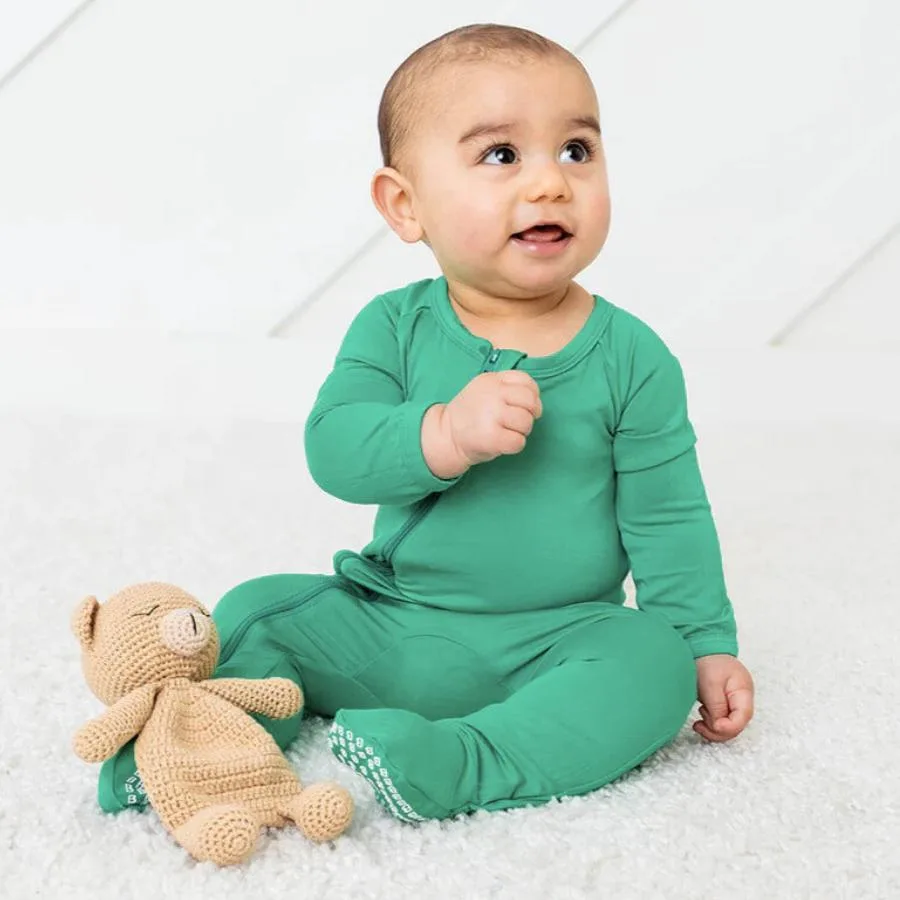
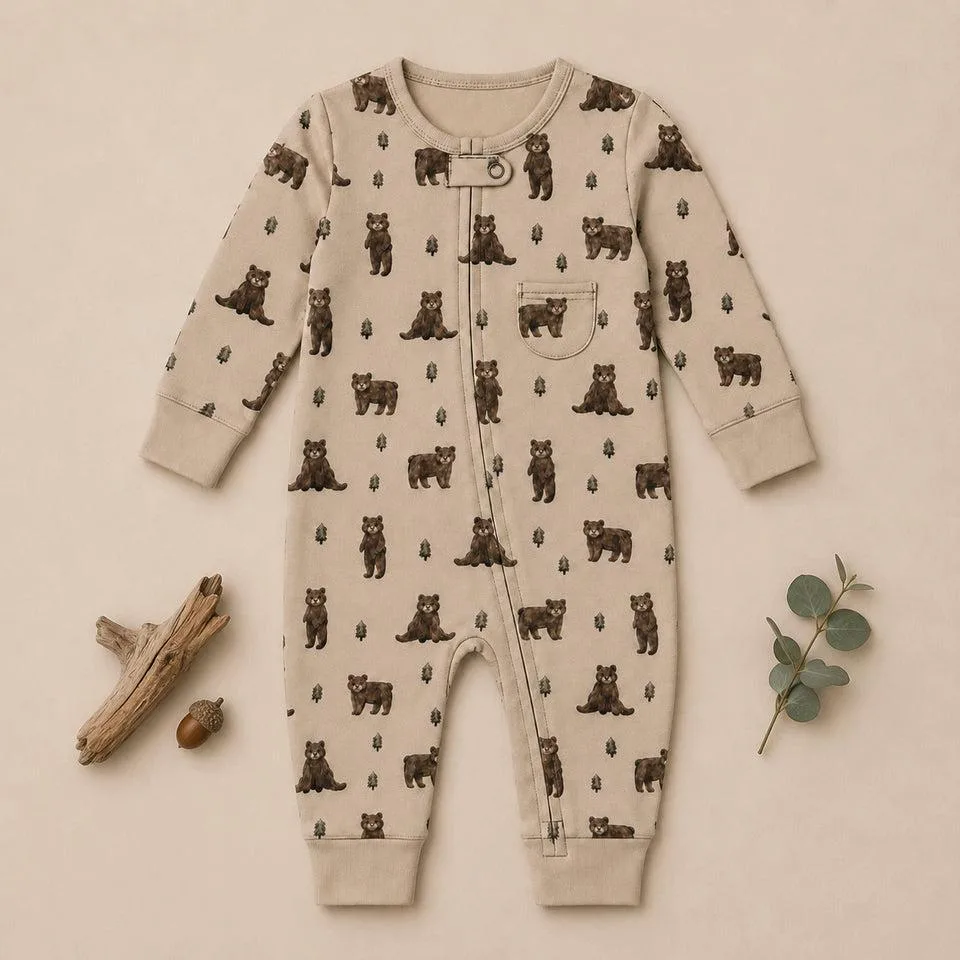
- Lovedbaby - Organic 2-Way Zipper Romper - Black Bears: The Lovedbaby Organic 2-Way Zipper Romper in Black Bears is crafted from GOTS-certified, 100% organic cotton with azo-free, non-toxic dyes. Its 2-way zipper design makes diaper changes effortless day or night. When wearing your newborn in a carrier, easy diaper changes are essential. This romper's dual zipper lets you access the diaper area without fully undressing your baby, making carrier-to-changing-table transitions quick and comfortable.
- UPPAbaby - Remi Playard - Stella (Grey): The UPPAbaby Remi Playard in Stella (Grey) is GREENGUARD Gold certified and includes a full-size bassinet insert that provides a firm, flat sleep surface for newborns. A carrier is for awake or supervised naps, but your newborn still needs a safe, flat sleep space for longer rest. The Remi's bassinet insert offers a firm surface that meets safe sleep guidelines, complementing your carrier for a complete newborn setup.
Who Should Choose Which Carrier
Best for
- Parents who want maximum adjustability and a custom fit for their newborn
- Families who plan to wear their baby for extended periods and need good weight distribution
Not for
- Parents who prefer a quick, no-fuss carrier that doesn't require practice to put on (consider a structured carrier instead)