Your gut is home to trillions of bacteria that play a vital role in digestion, immunity, and even mood. When the balance of good and bad bacteria is disrupted, it can lead to digestive discomfort, weakened immunity, and other health issues. Probiotics are live microorganisms that help restore this balance, but with countless options on the market, choosing the right one can be overwhelming.
This comprehensive buying guide will walk you through the essential factors to consider when selecting a probiotic supplement. From understanding strains and CFUs to evaluating quality and storage, we'll help you make an informed decision that matches your health needs.
Understanding Probiotic Strains
Probiotics are classified by their genus, species, and strain. The genus is the broad category (e.g., Lactobacillus), the species narrows it down (e.g., Lactobacillus acidophilus), and the strain is the specific variant (e.g., Lactobacillus acidophilus NCFM). Different strains have different effects on the body, so it's crucial to choose a product that contains strains backed by scientific research for your specific concern.
For general gut health, look for well-studied strains like Lactobacillus and Bifidobacterium. For immune support, strains such as Lactobacillus rhamnosus GG and Bifidobacterium lactis BB-12 are often recommended. If you're targeting a specific issue like bloating or antibiotic-related diarrhea, you may need a different strain. Always check the label to ensure the strains are clearly identified.
- Identify your health goal: digestion, immunity, or specific conditions.
- Look for clinical evidence supporting the strains in the product.
- Choose multi-strain formulas for broad benefits, but ensure each strain has a purpose.
CFU: What Does It Mean?
CFU stands for Colony-Forming Units, which indicates the number of viable bacteria in each dose. A common misconception is that higher CFU always means better, but that's not necessarily true. The effectiveness depends on the strain's ability to survive stomach acid and colonize the gut. Most quality probiotics offer between 1 billion and 100 billion CFUs per serving.
For daily maintenance, a probiotic with 10-20 billion CFUs is often sufficient. For targeted support, such as during antibiotic use or after digestive issues, you may benefit from higher counts. However, more is not always better; extremely high CFUs can cause temporary bloating or gas in some individuals. Start with a moderate dose and increase gradually if needed.
- Start with a lower CFU (10-20 billion) if you're new to probiotics.
- Opt for higher CFU (50 billion+) for specific health challenges.
- Check the expiration date—CFUs decrease over time.
Quality and Delivery: Ensuring Survival
Probiotics are delicate organisms that must survive the harsh environment of your stomach to reach the intestines where they exert their benefits. Look for products that use delayed-release capsules or enteric coatings to protect the bacteria. Additionally, some strains are naturally more resilient and can survive stomach acid better than others.
Storage is another critical factor. Some probiotics require refrigeration to maintain potency, while others are shelf-stable. If you travel frequently, a shelf-stable option may be more convenient. Always follow the storage instructions on the label to ensure you're getting the full CFU count.
- Choose enteric-coated or delayed-release capsules for better survival.
- Consider shelf-stable options for convenience.
- Store your probiotic as directed to maintain potency.
Choosing the Right Probiotic for Your Needs
Your choice of probiotic should align with your health goals. For general wellness and daily digestive support, a broad-spectrum formula with multiple strains is a safe bet. If you're looking to boost your immune system, consider a product that includes strains like Lactobacillus rhamnosus GG or Bifidobacterium lactis. Probiotica Daily Health is a well-rounded option that provides a blend of beneficial bacteria to support both gut and immune health.
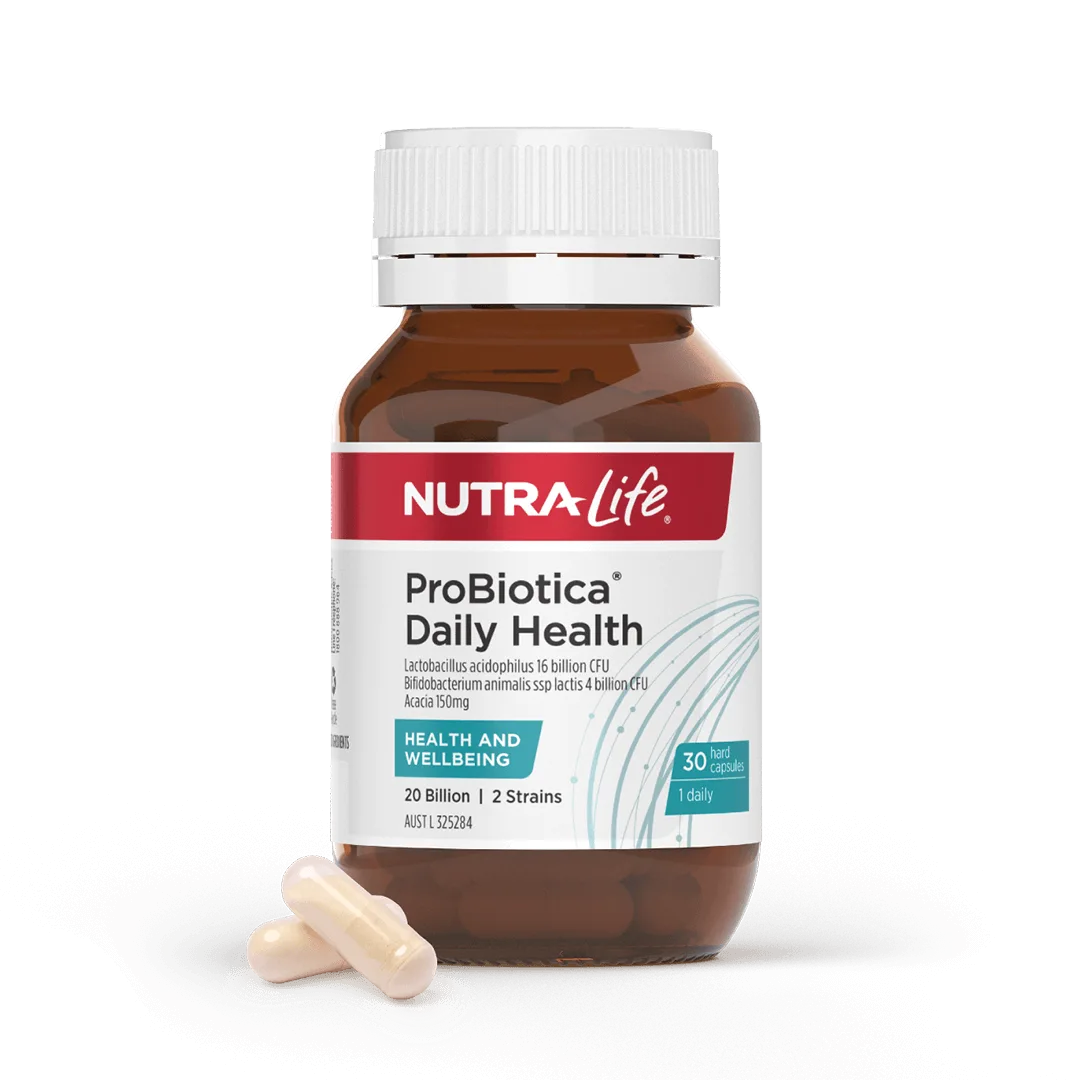
Probiotica Daily Health
For children, probiotics can be beneficial for digestive health and immunity. Probiotica Kids Daily is specially formulated for younger ones, with strains and dosages appropriate for their needs. Always consult with a pediatrician before giving supplements to children.
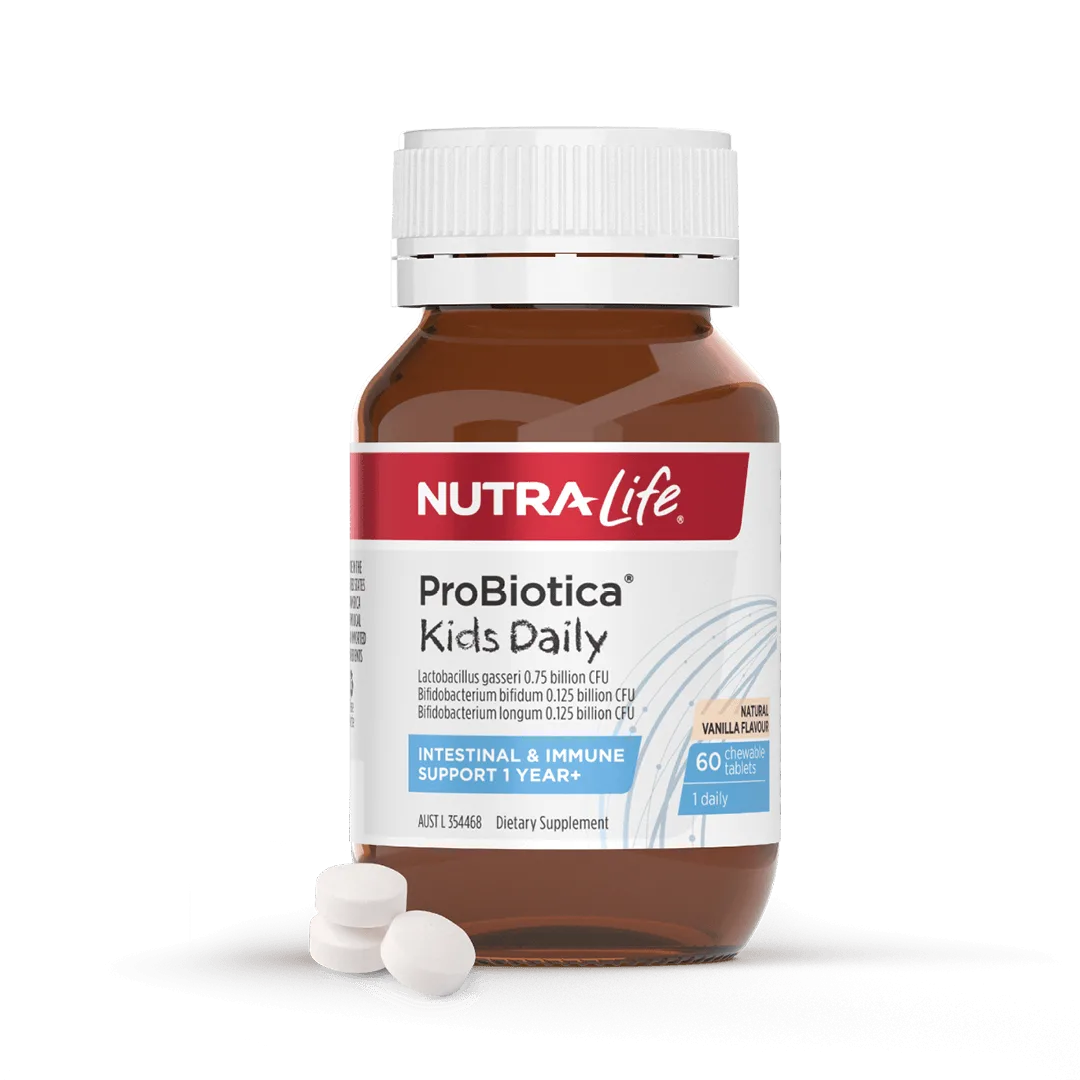
Probiotica Kids Daily
If you're dealing with occasional digestive discomfort or irregularity, a probiotic with a higher CFU count and specific strains like Bifidobacterium lactis might be more effective. Remember, consistency is key—probiotics need to be taken regularly to maintain a healthy gut flora.
- Match the probiotic to your specific health concern.
- Consider age-appropriate formulas for children.
- Be consistent with your daily intake for best results.
Other Factors to Consider
Prebiotics are non-digestible fibers that feed probiotics and enhance their effectiveness. Some supplements include prebiotics in their formula, known as synbiotics. While not essential, they can be a beneficial addition. Also, check for any allergens like dairy, soy, or gluten if you have sensitivities. Many high-quality probiotics are free from common allergens.
Price and brand reputation also matter. Look for brands that have third-party testing and transparent labeling. It's worth investing in a reputable product to ensure you're getting a high-quality supplement. Reading customer reviews and consulting healthcare professionals can provide additional insights.
- Look for synbiotic formulas that include prebiotics.
- Check for allergen-free certifications if needed.
- Research the brand's reputation and third-party testing.
Choosing the best probiotic for your gut doesn't have to be complicated. By understanding strains, CFUs, and quality factors, you can select a supplement that meets your needs. Start with a trusted product like Probiotica Daily Health and see how your gut responds. Remember, a healthy gut is the foundation of overall wellness.