Quick Answer
Choose glass for maximum hygiene and eco-friendliness, especially for stationary feeding at home. Choose PPSU for lightweight, durable, and convenient feeding on the go or for newborns who need frequent feeding.
Glass vs PPSU: Key Trade-Offs
Glass bottles are prized for their chemical-free composition and easy sterilization, but they are heavier and can break if dropped. PPSU bottles are virtually unbreakable, lightweight, and withstand repeated sterilization, but they are more expensive and some parents worry about plastic even though PPSU is BPA-free.
Your baby's age and feeding routine matter. Newborns feed often and may need bottles at night when a lighter bottle is easier to handle. Older babies can hold their own bottles, making a heavier glass bottle a potential hazard.
Why Wide Neck Design Matters
Both glass and PPSU bottles come in wide-neck versions, which make filling, mixing, and cleaning easier. A wide neck also mimics the breast more closely, which can help with nipple acceptance for breastfed babies.
Consider the bottle capacity as your baby grows. A 5.4 oz bottle suits newborns, while an 8.1 oz bottle is better for older babies who drink more at each feeding.
Decision Rules for Choosing Between Glass and PPSU
- If you prioritize durability and portability: Choose PPSU. It is lightweight, nearly unbreakable, and ideal for travel, daycare, or nighttime feeding. PPSU bottles withstand drops and rough handling better than glass.
- If you prioritize hygiene and eco-friendliness: Choose glass. It is free of chemicals, easy to sterilize, and more environmentally sustainable in the long run. Glass is a solid choice for home use where breakage risk is low.
- If your baby is a newborn (under 3 months): Start with PPSU for its lightweight and ease of handling during frequent feedings. You can switch to glass once your baby is older and more stable. Newborns feed often; a lighter bottle reduces arm strain.
- If your baby is 3 months or older: Consider glass for its durability and easy cleaning, especially if your baby is bottle-fed at home most of the time. Older babies can handle a slightly heavier bottle with supervision.
- If you need a bottle that mimics breastfeeding: Choose a wide neck bottle in either material to promote a natural latch and reduce nipple confusion. Wide neck bottles are easier to fill and clean, too.
Product Facts
-
PPSU Wide Neck Baby Bottle for Newborns 2 Packs,5.4 Oz: Made from durable PPSU material, this lightweight bottle offers excellent heat resistance and long-lasting clarity. PPSU is a great choice for parents who need a lightweight, shatterproof bottle that can handle frequent sterilization.
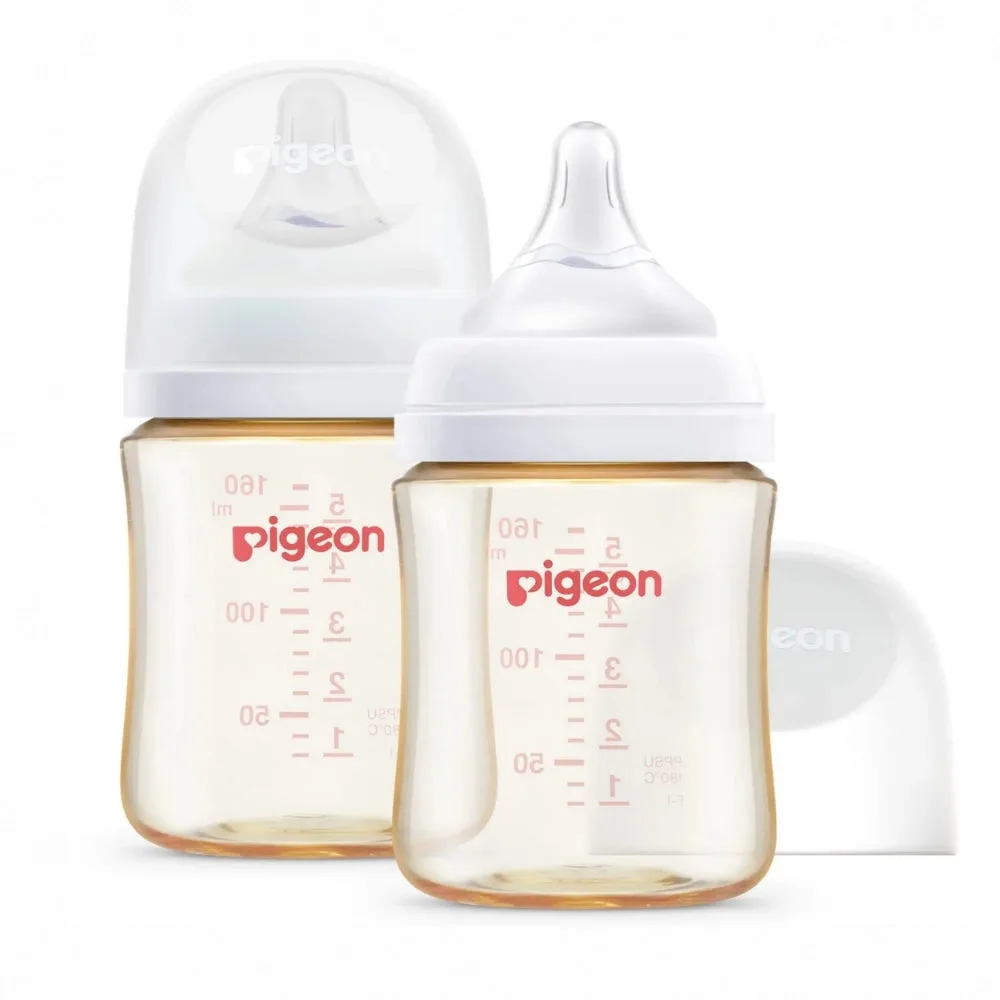
PPSU Wide Neck Baby Bottle for Newborns 2 Packs,5.4 Oz
-
Glass Wide Neck Baby Bottle, 2Packs, 8.1 Oz(240 ml) for 3+ months: Borosilicate glass is heat-resistant and safe for sterilization methods like boiling, steam, and microwave. Glass provides peace of mind for parents prioritizing hygiene and avoiding plastic, especially for home use.
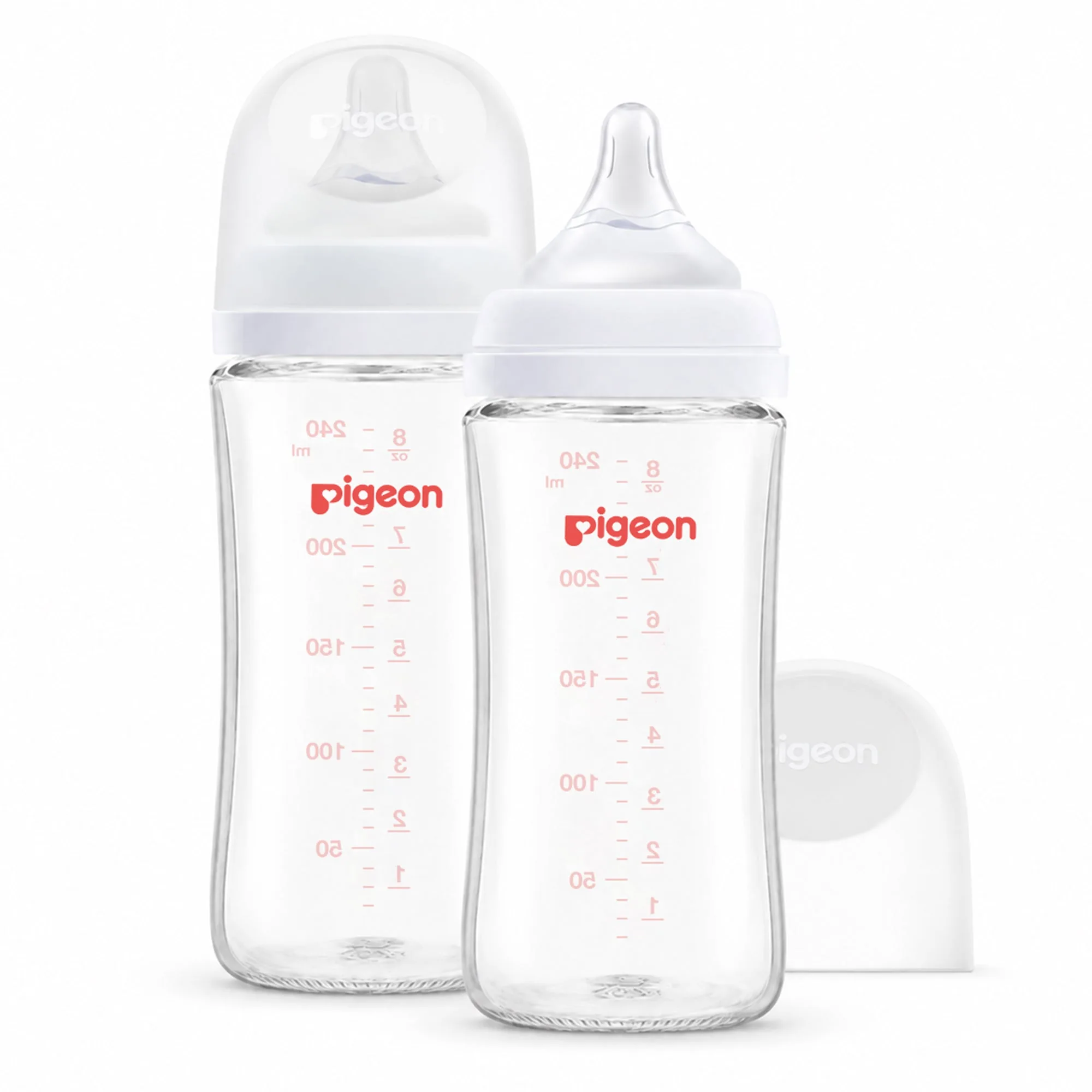
Glass Wide Neck Baby Bottle, 2Packs, 8.1 Oz(240 ml) for 3+ months
Who Each Material Fits Best
Best for
- PPSU: Parents who need a lightweight, shatterproof bottle for travel, daycare, or newborns.
- Glass: Parents who prioritize chemical-free feeding and easy sterilization at home.
Not for
- PPSU: Not ideal for parents who want to avoid all plastic materials, even BPA-free ones.
- Glass: Not ideal for clumsy toddlers or for use in the car or stroller where breakage is a risk.