Quick answer
Choose bottoms by fit first, not by the number on the tag. A waistband should sit flat without digging when you sit, the rise should match where you carry weight, and the fabric should match your day. If you are between sizes, size to the larger measurement and adjust with the waistband or a belt.
Most bad bottom purchases come down to one mistake: buying for the size you want instead of the fit you need. The fix is a short fitting routine you can repeat in any store, plus a few trade-offs you should decide before you try anything on.
This guide gives you decision rules for waistbands, rise, fabric, and pockets, then shows how to apply them when you are shopping online or in a fitting room. It is written for real days: work, commuting, weekends, and travel.
Start with the waistband test
Put the bottoms on and sit down. If the waistband digs into your stomach or gaps at the back, the size or rise is wrong, even if the legs look fine. A waistband should sit flat and stay put when you stand, sit, and bend. If it rolls or folds, the fabric or the fit is fighting your body.
Next, check the crotch seam and the hip. The seam should sit close to your body without pulling, and you should be able to slide a finger under the waistband at the side. If you cannot, size up. If the waist gaps but the hips fit, look for a cut with a higher rise or an adjustable waist instead of sizing down.
- Sit, stand, and squat before you decide. If it only works standing, it will not work for a full day.
- Check the back waistband in a mirror. Gapping means the rise or the curve is wrong for you.
Use rise to decide where the waistband lands
Rise is the distance from the crotch seam to the top of the waistband. Low rise sits below the belly, mid rise sits near the navel, and high rise sits above it. The right rise depends on where you carry weight and how you feel about waist definition. If you carry weight in the stomach, a mid or high rise usually stays put better than a low rise.
If you carry weight in the hips and thighs, a rise that ends at your natural waist can balance the silhouette. If you are long-waisted, a higher rise keeps the waistband from sliding down. If you are short-waisted, a lower or mid rise can keep the waistband from reaching your ribs.
- Try the same style in two rises if you can. The difference is usually more important than the size.
- If the waistband slides down when you walk, the rise is too low for your shape.
Match fabric to your day
Structured fabrics like denim and heavy twill hold their shape and smooth the line, but they have less give. Stretch blends move with you and feel easier on long days, but they can bag out at the knees and seat. If you need comfortable bottoms for work, look for a fabric with a small amount of stretch and a waistband that keeps its shape.
For travel or long commutes, prioritize recovery: fabric that returns to its shape after sitting. If the label does not list stretch content, treat it as a structured fabric and size for comfort when seated. When a fabric has no stretch, the fit has to be right on its own, so do not rely on it to give.
- Pinch the fabric and release it. If it stays wrinkled, it may bag out after a few hours.
- If you are between sizes in a no-stretch fabric, size up and adjust the waist.
Check pockets, seams, and length
Pockets change how bottoms fit and look. Side pockets that lie flat add utility without bulk. Pockets that flare outward add volume at the hip, which can be a problem if you are trying to keep a clean line. Back pockets should sit on the fullest part of your seat, not below it, or they can make the seat look lower.
Length matters as much as width. A hem that breaks once at the shoe looks intentional; a hem that pools or stacks can make the leg look shorter. If you are short, a cropped or ankle length can be more flattering than a full length you have to cuff. If you are tall, check that the inseam actually reaches your shoe.
- Look at the side seam. If it pulls forward or backward, the fit is off even if the waist feels fine.
- If you plan to wear heels, try the bottoms with the heel height you wear most.
Apply this to online shopping
Online, you cannot sit in the pants, so use measurements and return policy instead. Measure your waist, hip, and inseam, then compare them to the size chart, not to the size you usually buy. If you are between sizes, choose the larger size when the fabric has little stretch, and the smaller size when it has a lot.
Read the fabric and care notes before you buy. If the description does not list stretch or rise, treat that as a decision limitation and choose a style with more information, or buy from a store with easy returns. A good return policy is part of the fit.
- Save your measurements in your phone so you can compare quickly.
- If a listing does not state the rise, assume it is mid rise and check the return window.
Decision rules for choosing bottoms
- Waistband digs when seated: Size up or choose a higher rise with more stretch. Do not keep a pair that only feels good standing. If it fails the sit test, it will fail at work.
- Waist gaps at the back: Choose a higher rise or a cut with an adjustable waist. Sizing down usually makes the hips too tight. Fix the rise before you change the size.
- Fabric bags out at the knees: Choose a fabric with more recovery or a structured weave. Stretch blends need to snap back to hold their shape. Pinch and release the fabric before you buy.
- Pockets flare at the hip: Choose flat side pockets or a clean front. Back pockets should sit on the fullest part of your seat. Pocket placement changes the silhouette more than the size.
- Shopping online with no measurements: Treat missing rise and stretch information as a decision limitation. Buy only where returns are easy, or choose a style with full details. A good return policy is part of the fit.
Product facts that help with fit decisions
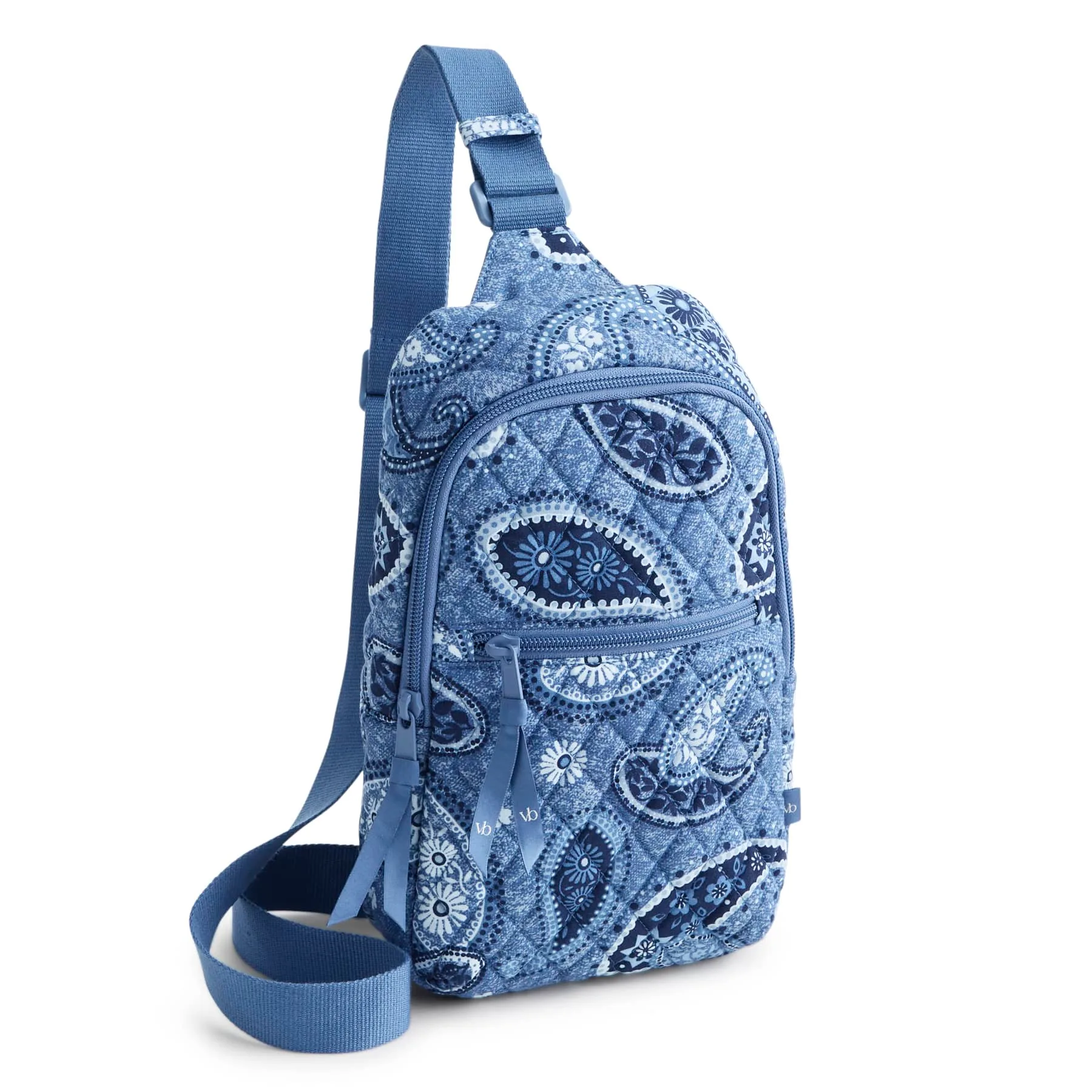
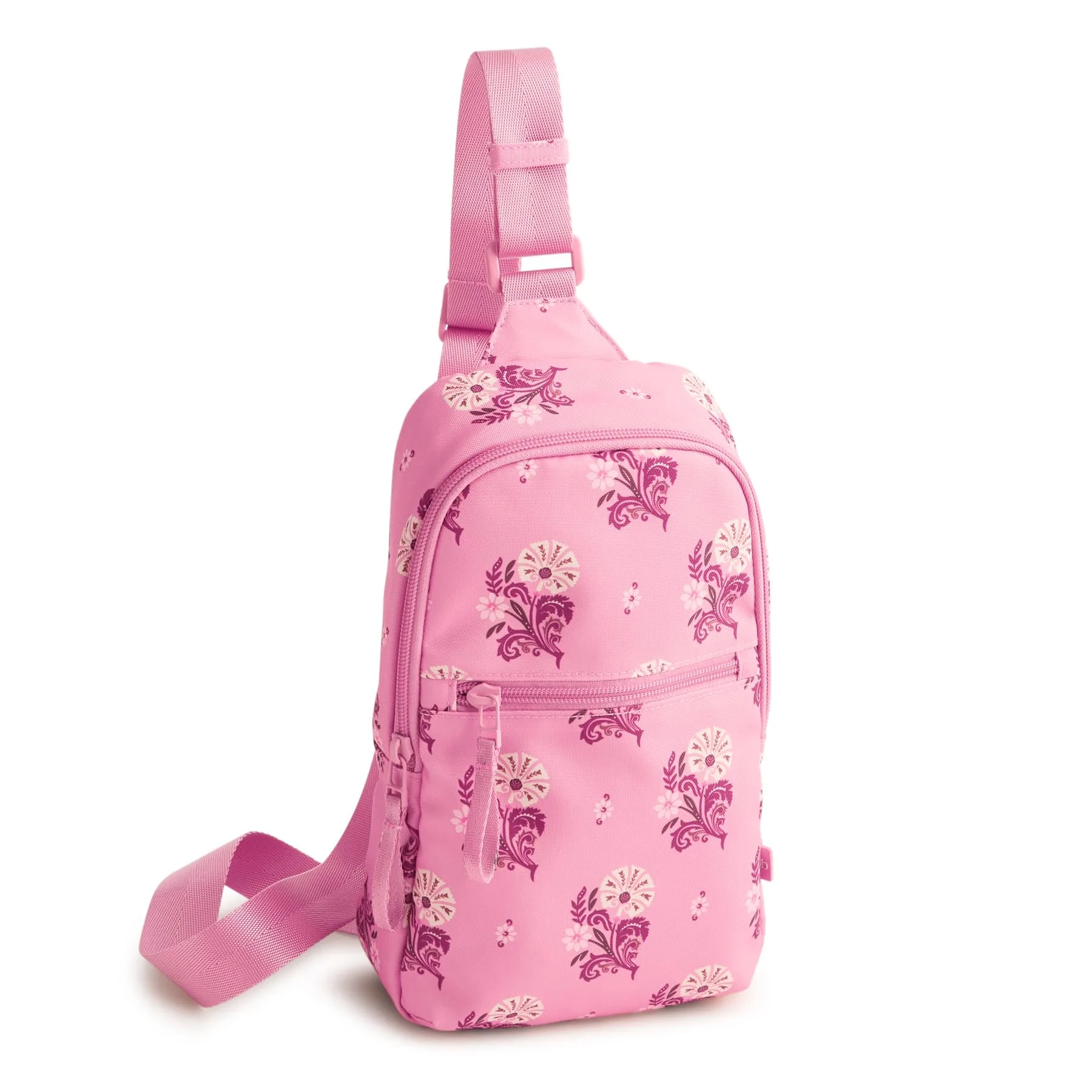
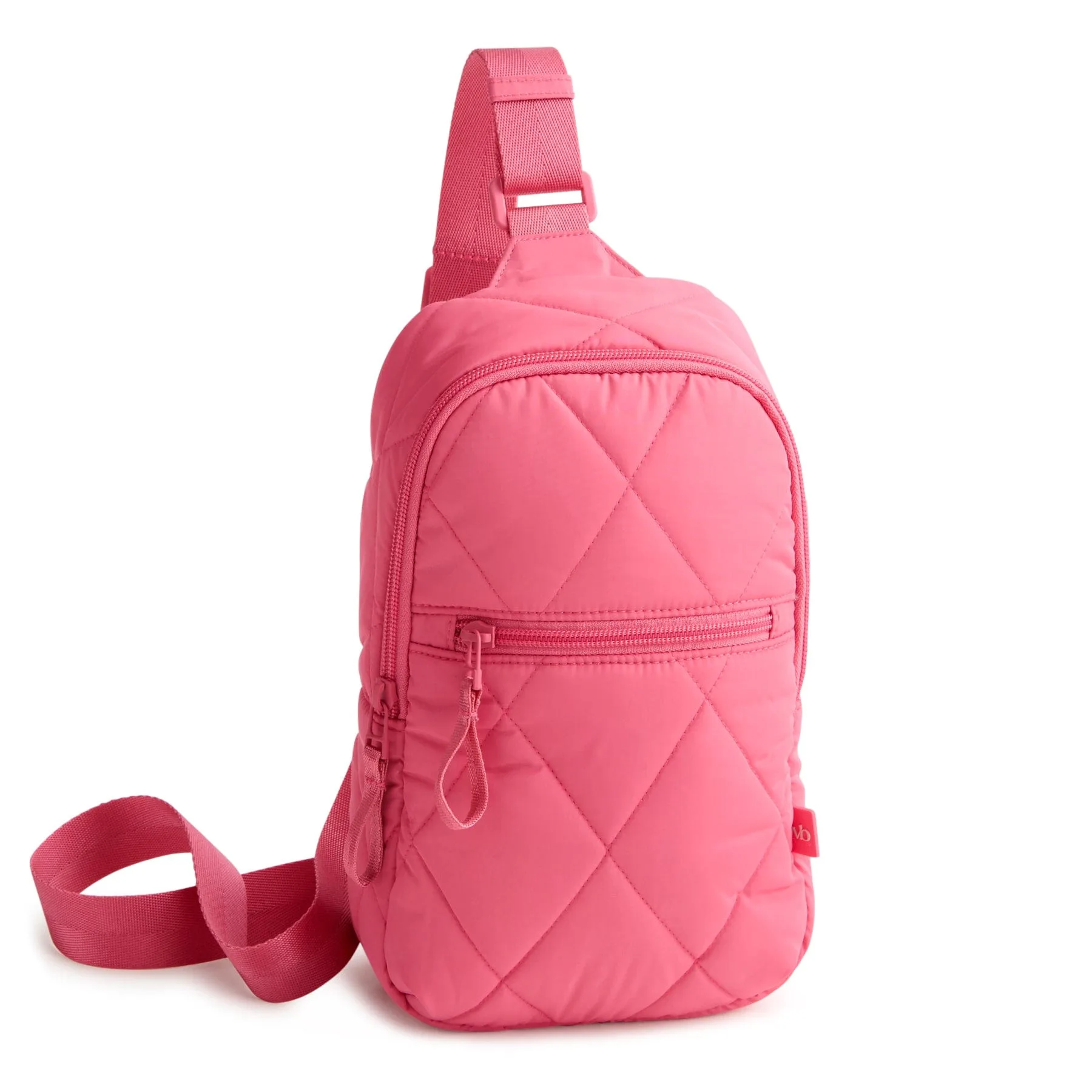
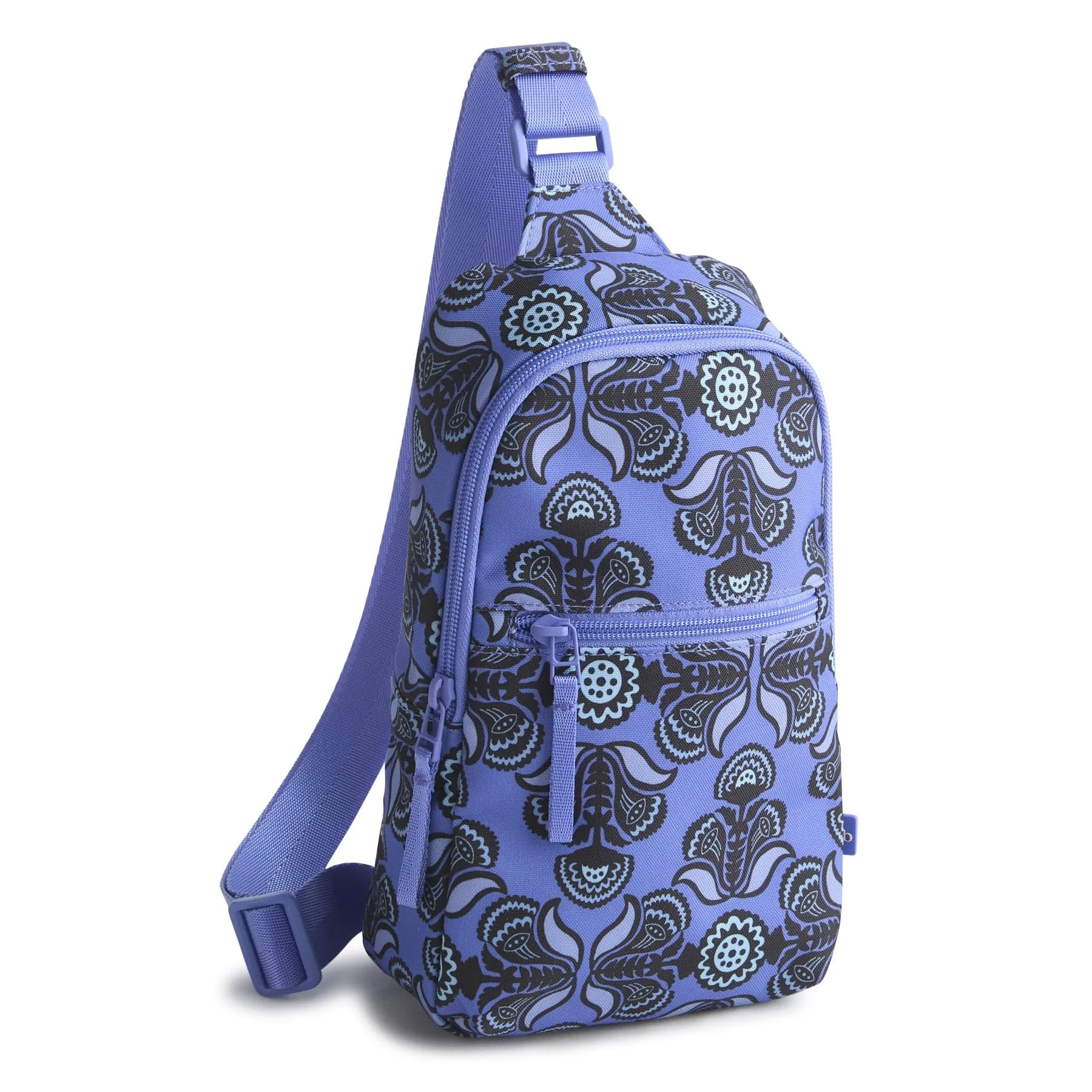
- https://verabradleyoutletex.com/products/essential-sling-backpack-5076324292-77bd85c37eca444548772659-1639776https://verabradleyoutletex.com/products/outlet-essential-sling-backpack-5076323029-7e7480e4c1bead1f0b7cd06d-1639780https://verabradleyoutletex.com/products/outlet-essential-sling-backpack-5078622514-e82e412212c540ed42fd529a-1639792https://verabradleyoutletex.com/products/outlet-essential-sling-backpack-5071222627-6d4fab8fe3efdb0aaceaf777-1639812Outlet Essential Sling Backpack: Two compartments, a main compartment with a zip pocket, zip closure, 3 L capacity, and dimensions of 6.5" w x 11.0" h x 2.75" d with an adjustable strap at longest length 44.0". A compact hands-free bag keeps your hands free for trying on bottoms and carrying your phone, wallet, and keys without a bulky purse.
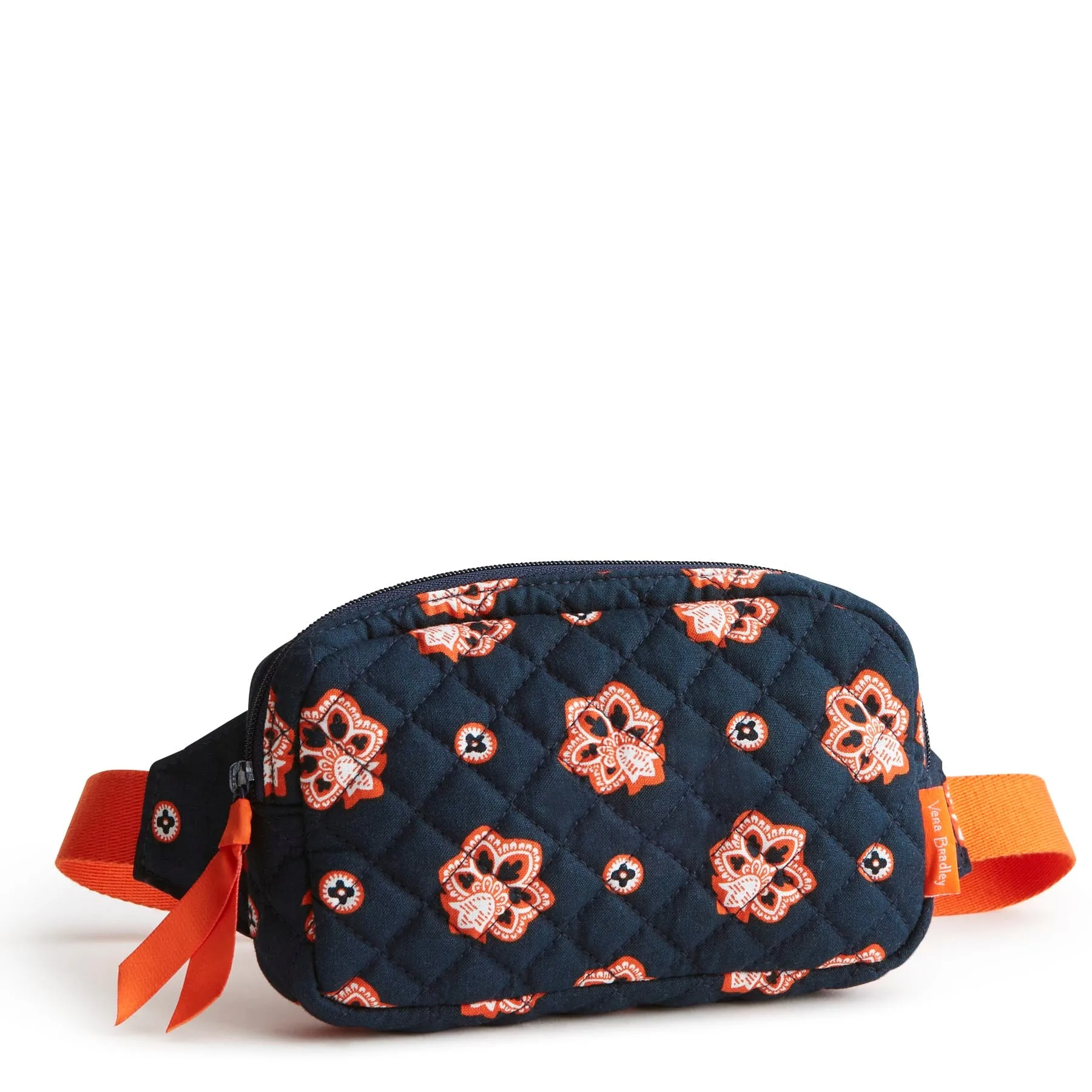
- NFL Mini Belt Bag: Exterior back zip pocket, interior ribbon loop for keys, zip closure, dimensions of 7.0" w x 4.25" h x 1.5" d, and an adjustable strap at longest length 42.0". A belt bag sits at the waist, so it can interfere with a high waistband or a tucked top. If you wear high-rise bottoms, wear it crossbody instead.
- Outlet Trio Zip Hipster: Three separate zippered compartments, exterior slip pocket and two zip pockets, interior zip pocket and two slip pockets, dimensions of 10.75" w x 11.0" h x 2.0" d, and an adjustable strap at longest length 56.0". A crossbody with multiple compartments keeps your essentials organized while you shop, and the longer strap lets you wear it above the hip so it does not rub against a waistband.
- Outlet Ultralight RFID Accordion Wristlet: Lightweight, water-repellent polyester with RFID protection, eight RFID-protected card slip pockets, two bill slip pockets, an ID window, and a zip coin pocket, dimensions 7.75" w x 4.0" h. A slim wristlet carries cards and cash without adding bulk at the waist, which makes it easier to check how a waistband sits when you sit and bend.
Best for and not for
Best for
- Shoppers who want comfortable bottoms for work and weekends
- Anyone between sizes who needs a repeatable fitting routine
- Online shoppers who want to choose the right size pants without trying them on first
Not for
- Shoppers looking for a specific brand or trend recommendation
- Anyone who wants a single universal size answer without measuring
- People shopping for tops, dresses, or outerwear instead of bottoms
Choose bottoms by how they feel when you sit, where the waistband lands, and how the fabric behaves over a full day. Use the decision rules above, keep your measurements handy, and return anything that fails the sit test. Fit is not a number; it is a repeatable check.