Quick answer
Buy the smallest pack that fits your longest lens attached to a body, then add litres only for the extra lenses and personal kit you actually carry. For a 600mm f/4 or some 800mm f/5.6 setups, a 30-litre class pack such as the ALTA SKY 66 is the practical starting point; step up to a 49-litre pack like the ALTA SKY 69 when you need a 1200mm lens plus extra lenses and a longer trek's worth of gear.
Why litre capacity alone won't tell you if your lens fits
Litres measure total volume, not the length of the longest compartment. A 30-litre pack built around a telephoto body can swallow a 600mm f/4 attached to a camera, while a differently shaped 30-litre general pack may not. Always check the internal depth and the manufacturer's stated maximum lens length before you buy.
The other half of the equation is how the load is carried. Telephoto setups are front-heavy and long, so a slim, streamlined exterior and a harness that keeps the weight close to your spine matter more than an extra pocket. That is why a 30-litre telephoto-specific pack can feel easier on a full day than a boxier 40-litre bag.
Match the pack to your longest lens, not your whole kit
Start with the lens you will not leave behind. If that is a 600mm f/4 or some 800mm f/5.6, you are in 30-litre territory or above, and you want a main compartment designed for a Pro DSLR or mirrorless body with the lens attached. If you are hauling a 1200mm and still want to swap to a landscape or macro lens mid-walk, you need a larger, more versatile layout and should look at the 49-litre class.
Then add for the rest. Each additional mid-range zoom or prime, a second body, a tripod, and a day's layers all consume volume. A useful rule: if you are within 10% of a pack's stated capacity on paper, size up, because real-world packing never matches the spec sheet.
How much camera gear fits in common backpack sizes
Around 18 litres suits a DSLR or mirrorless body, four to five lenses, a 14-inch laptop, a travel tripod and accessories, with a day-pack section above for personal kit. That is a full day kit, not a big-lens kit.
Around 30 litres is the entry point for serious telephoto work: one pro body with a long lens attached, plus a couple of smaller lenses and the essentials. Around 49 litres adds room for a 1200mm lens, extra lenses, and the flexibility to change lenses for landscapes or macro on a longer trek. Beyond that, you are into expedition territory and should expect a heavier, less discreet pack.
Fit and carry checks before you commit
Load the pack the way you will actually shoot, with the long lens attached, then check three things: the pack sits close to your back without sagging, the waist belt takes weight off your shoulders, and the top of the pack does not block your view when you look up. If any of those fail with a full load, the litre size is not the problem, the harness is.
Also decide how you need to access the kit. Rear access keeps your camera secure in crowds and on public transport, while a removable day-pack section lets you strip the bag down for shorter outings. Neither is better in the abstract; it depends on whether you are shooting in a city or on a trail.
Decision rules for picking your size
- Longest lens rule: Measure the length of your longest lens with the body attached. If it is a 600mm f/4 or some 800mm f/5.6, start at 30 litres and confirm the pack's stated maximum; if it is a 1200mm, start at 49 litres. If the pack's stated maximum is not published, treat that as a limitation and choose a pack that states it.
- Ten percent headroom rule: Add up the volume of the gear you will carry on a typical outing. If it comes within 10% of the pack's capacity, size up rather than hoping it fits. Headroom prevents the daily frustration of repacking at the trailhead.
- Access rule: Choose rear access if you shoot in crowded places and want security; choose a removable day-pack section if you need to strip the bag down for shorter trips or carry personal kit. Access style is a fit decision, not a spec-sheet one.
- Weight and trek length rule: For full-day or multi-day treks, prioritise a harness that transfers weight to your hips and a slim exterior. For short city shoots, a lighter pack with quick access may serve you better. Match the carry system to the duration, not just the lens.
Real packs that show the size trade-offs
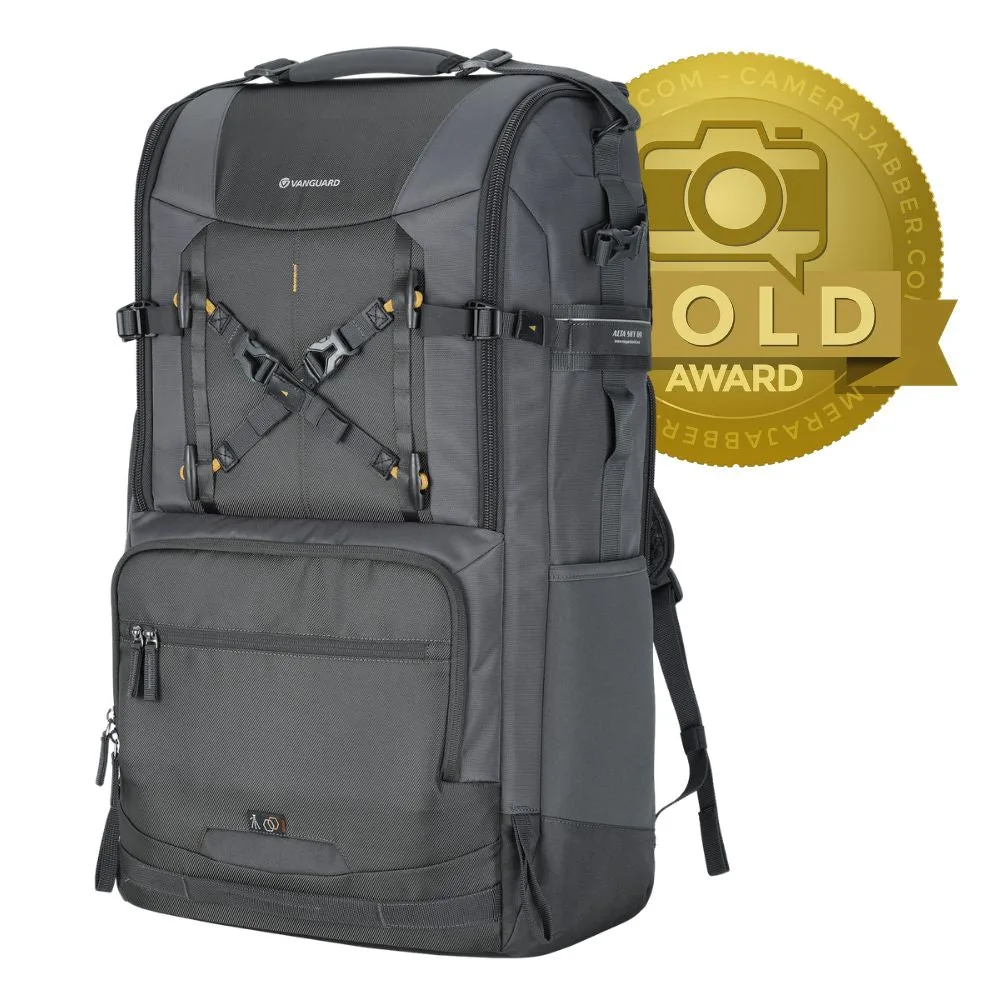
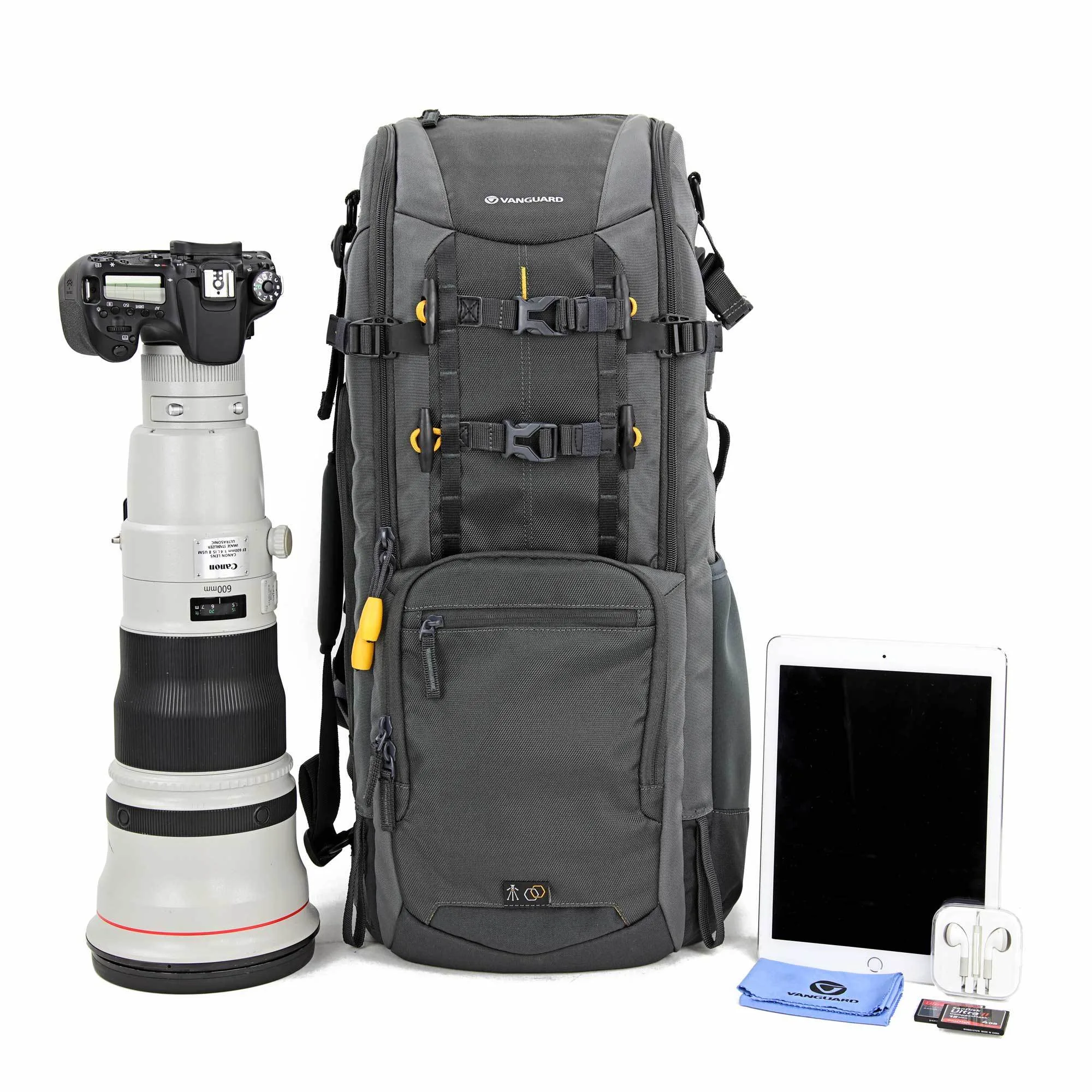
- Alta Sky 66 : Camera Backpack >800mm Single Lens - 30 Litres: The ALTA SKY 66 is a 30-litre backpack whose main compartment fits a Pro DSLR or Mirrorless body attached to a 600mm f/4.0 lens or even some 800mm f/5.6 lenses, with a full front opening and a slim, streamlined exterior. This is the benchmark for a single big-lens setup: if your longest lens is a 600mm or some 800mm, 30 litres can be enough, and the slim shape keeps a heavy load manageable.
- Alta Sky 69 : Camera Backpack >1200mm and extra lenses - 49 Litres: The ALTA SKY 69 is a 49-litre backpack for longer treks where you need a 1200mm lens but also want the versatility to change lenses for landscape or macro opportunities. Choose this class when one lens is not the whole story: the extra capacity buys you a second or third lens and the freedom to adapt as conditions change.
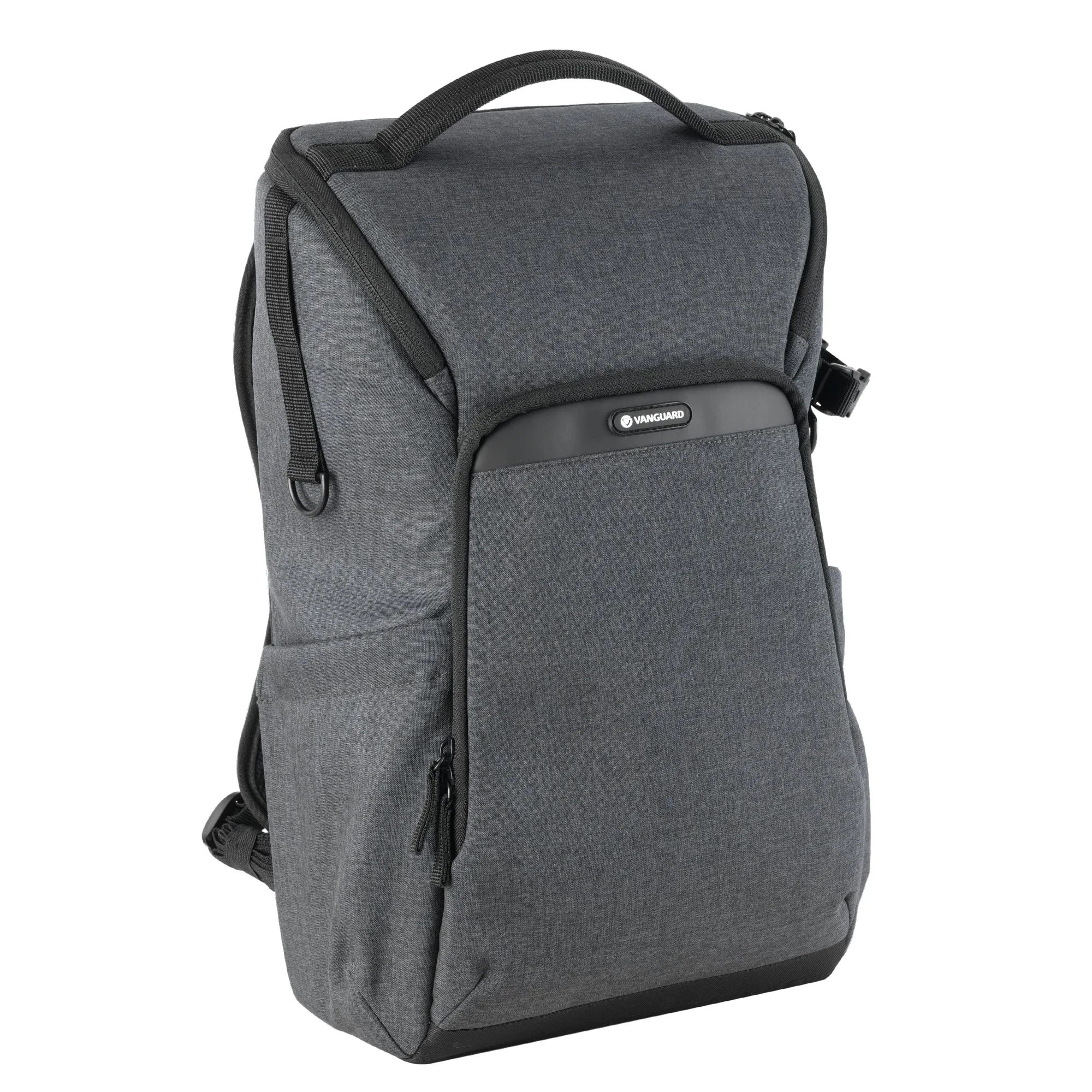
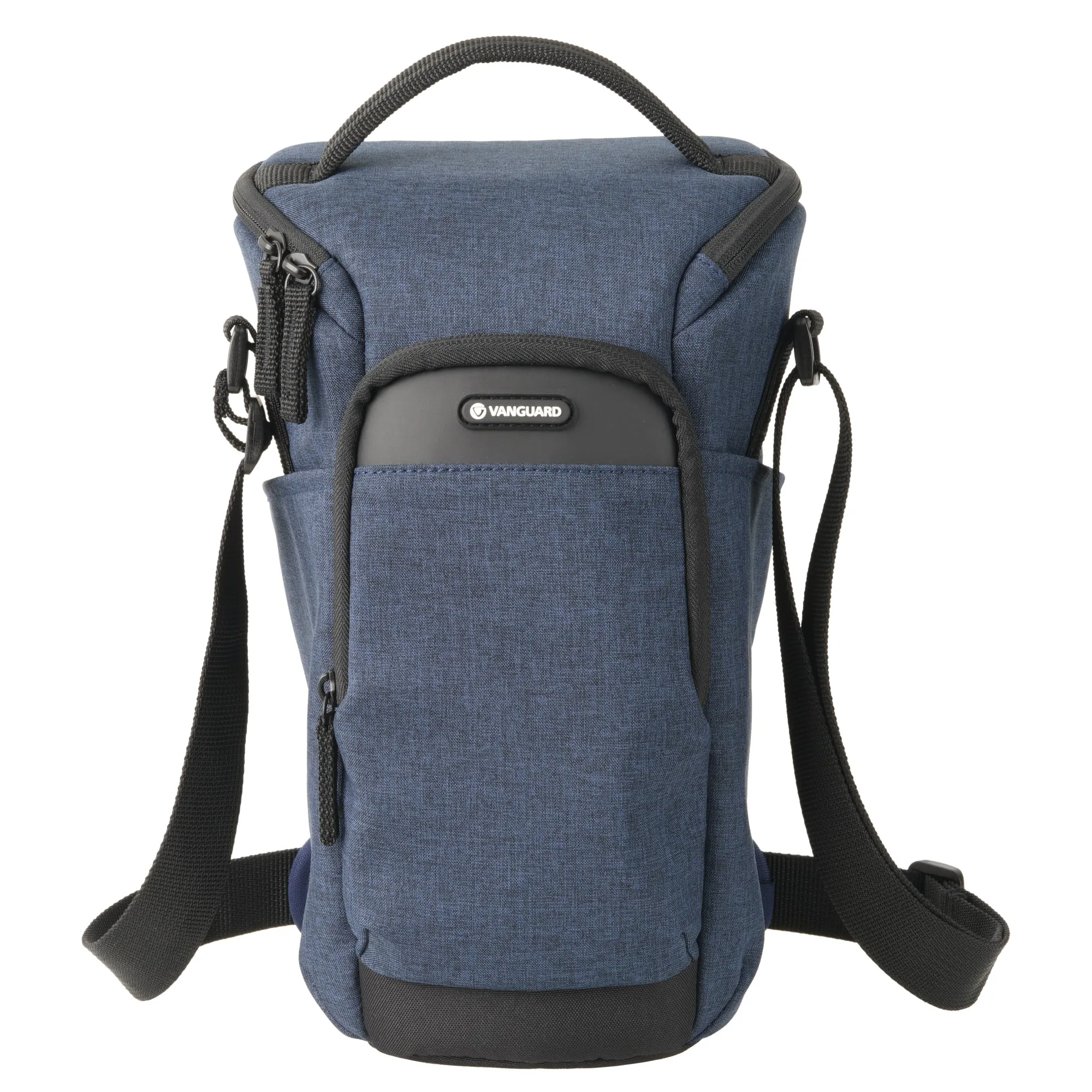
- VESTA Aspire 45 GY 18 Litre Backpack - Grey: The VESTA Aspire 45 is an 18-litre backpack weighing 980g that fits a DSLR/mirrorless camera with 4-5 lenses, a 14-inch laptop, a travel tripod and accessories, with a day-pack section above and rear access to the camera kit. Useful as a reality check: 18 litres is a versatile everyday camera pack, but it is not designed to carry a 600mm-class lens attached, so it suits shorter lenses and lighter days.
Who each size is for
Best for
- Photographers whose longest lens is a 600mm f/4 or some 800mm f/5.6 and who want a single-body, single-big-lens setup in a 30-litre pack
- Wildlife and sports shooters who need to carry a 1200mm lens plus extra lenses for changing conditions on longer treks, in a 49-litre pack
- Everyday shooters with standard zooms and a laptop who want a lightweight 18-litre pack with rear access and a day-pack section
Not for
- Photographers who need to carry a 600mm-class lens attached and also expect an 18-litre day pack to fit it
- Travelers who want one pack for both a big telephoto and a minimal city carry, since the size and access needs conflict
- Anyone who has not measured their longest lens and is guessing based on litres alone