Quick answer
For most celebrations, start with a brut Champagne: it's food-friendly and crowd-pleasing. Upgrade to a vintage or prestige cuvée when the occasion is truly special or you want more complexity.
Brut vs. vintage: what the label really tells you
Brut is the most common style and refers to a dry, crisp Champagne. It's a safe choice for large gatherings because it pairs well with a wide range of foods and pleases most palates. Vintage Champagnes, on the other hand, are made from grapes of a single exceptional year and are aged longer, which gives them more depth and complexity. They're typically more expensive and are best for intimate celebrations where you want to savor the wine.
If you're buying for a toast, a brut is practical and reliable. If you're celebrating a milestone like an anniversary or a major achievement, a vintage adds a sense of occasion that a non-vintage can't match.
Know your audience: from casual to connoisseur
Think about who will be drinking. A casual get-together calls for a versatile brut that won't break the bank. A formal dinner or a gift for a Champagne lover might justify a prestige cuvée. The key is to match the wine to the moment, not just the price tag.
Don't overlook the power of a well-known name. Some guests appreciate recognizable labels, while others are excited by hidden gems. Consider the message you want to send with your choice.
Decision rules for choosing your celebration Champagne
- Rule 1: Match the style to the occasion: For large or casual gatherings, choose a brut Champagne—it's dry, food-friendly, and widely appreciated. For intimate milestones, consider a vintage or prestige cuvée for added complexity and a sense of occasion.
- Rule 2: Consider the food you're serving: If you're serving seafood, sushi, or light appetizers, look for a Champagne with citrus and mineral notes. For richer dishes like lobster or creamy pasta, a vintage with more depth can hold its own. When in doubt, a brut is the safest pairing with a wide range of foods.
- Rule 3: Set a budget before you browse: Champagne prices vary widely. Decide on a range that feels comfortable, then look for the best quality within that range. A well-made brut can be just as satisfying as a more expensive vintage if the occasion doesn't demand it. Remember that a higher price doesn't always mean better—value matters too.
Champagnes to consider
-
Billecart-Salmon 750Ml Brut: Billecart-Salmon 750Ml Brut is a brut Champagne with tasting notes of citrus, pear, apple, vanilla, and a bready character. This is a classic brut that pairs well with shellfish and starches, making it a versatile choice for toasts and appetizers.
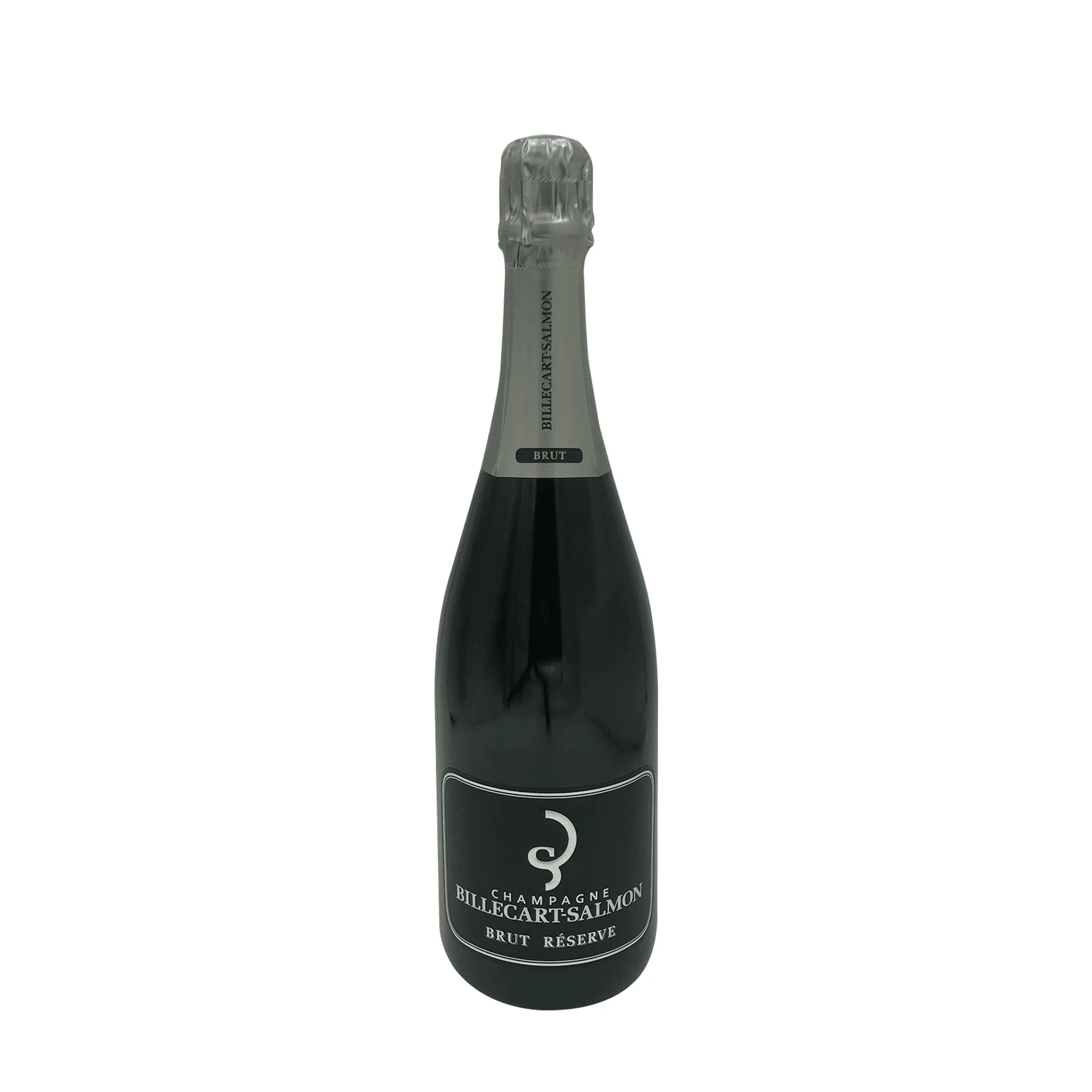
Billecart-Salmon 750Ml Brut
-
Canard Duchene Champagne 2015: Canard Duchene Champagne 2015 is a vintage Champagne from 2015, aged for 8 years, with vibrant lemon and a hint of bergamot. This vintage offers real depth and pairs beautifully with sushi, crudo, and lobster, ideal for a special seafood-focused celebration.
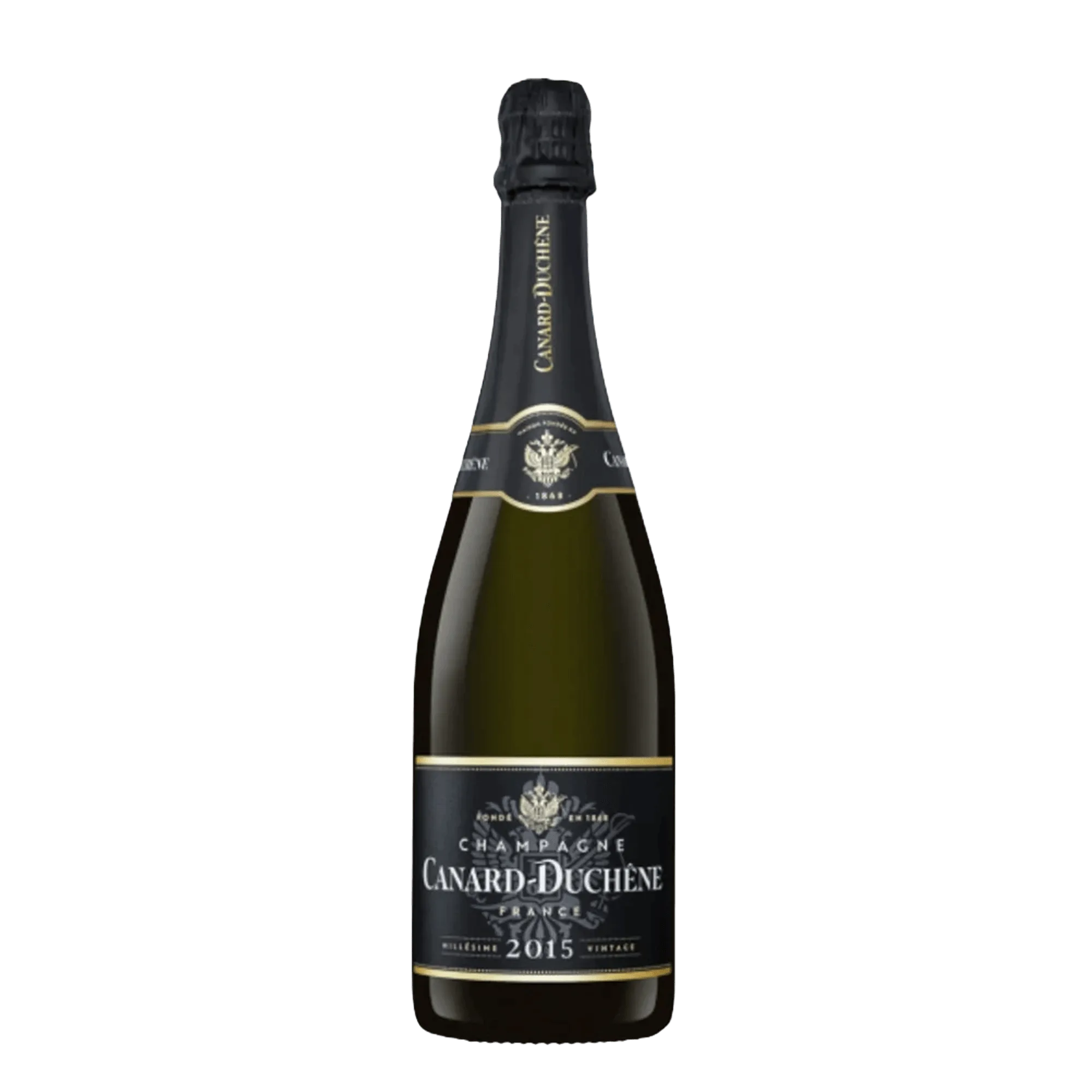
Canard Duchene Champagne 2015
-
Roederer Cristal Champagne 2015/2016: Roederer Cristal Champagne 2015/2016 is a prestige cuvée from the Champagne region of France. This is a high-end choice for major milestones where the wine itself is part of the statement.
Who should choose which Champagne
Best for
- Brut Champagne: ideal for large gatherings, toasts, and pairing with a variety of foods
- Vintage Champagne: perfect for anniversaries, milestone birthdays, or when you want a wine with more depth and complexity
Not for
- Prestige cuvées are not for casual parties where the wine will be mixed or consumed quickly—save them for moments when you can truly appreciate them