Quick answer
Buy décor that does at least two jobs and takes up visual or physical space you can spare. In a small room, choose one large soft piece like a throw, one pattern accent, and one functional item that replaces something else. Skip anything that only decorates.
Small rooms don't fail because they're small. They fail because too many objects compete for the same square foot of attention. The fix isn't buying less décor — it's buying décor that earns its place by doing more than one thing.
This guide gives you decision rules for choosing home décor when floor space, wall space, and storage are all tight. You'll learn how to judge footprint, pattern scale, and dual use before you buy, plus where a few real Vera Bradley Outlet Store pieces fit into that logic.
Start with footprint, not style
Before you fall for a color or pattern, measure the space the piece will actually occupy. A throw blanket folded on a sofa edge takes almost no room; the same blanket draped over a chair can swallow the chair. A wall hanging occupies zero floor space but adds visual weight. Decide which resource you're spending — floor, wall, or surface — and buy only into the category you can afford to lose.
This is why small-space décor buying guides often recommend one oversized soft piece instead of three small ones. One large textile reads as a single design decision. Three small ones read as clutter, even if each is lovely on its own.
- Measure the footprint, not just the item's dimensions. A 66 by 94 inch throw folded in thirds takes far less visible space than it does spread out.
- If a piece needs its own storage when not in use, it costs you twice — once in money, once in closet space.
Choose pattern scale to match the room
Small rooms handle pattern well when the scale is deliberate. A single large-scale pattern on a throw, wrap, or tote acts as the room's focal point and can make a tight space feel intentional. Several small-scale patterns in the same sightline create visual noise that makes the room feel smaller than it is.
The practical rule: one bold pattern per viewing angle. If you're standing in the doorway, count how many patterned items you can see at once. If the answer is more than two, remove one before you add anything new.
- Solid or low-contrast pieces are your breathers. Use them between patterned items so each pattern can be seen.
- Pattern is also a storage strategy — a patterned basket or bin hides contents better than a solid one.
Prioritize dual-use and multi-purpose pieces
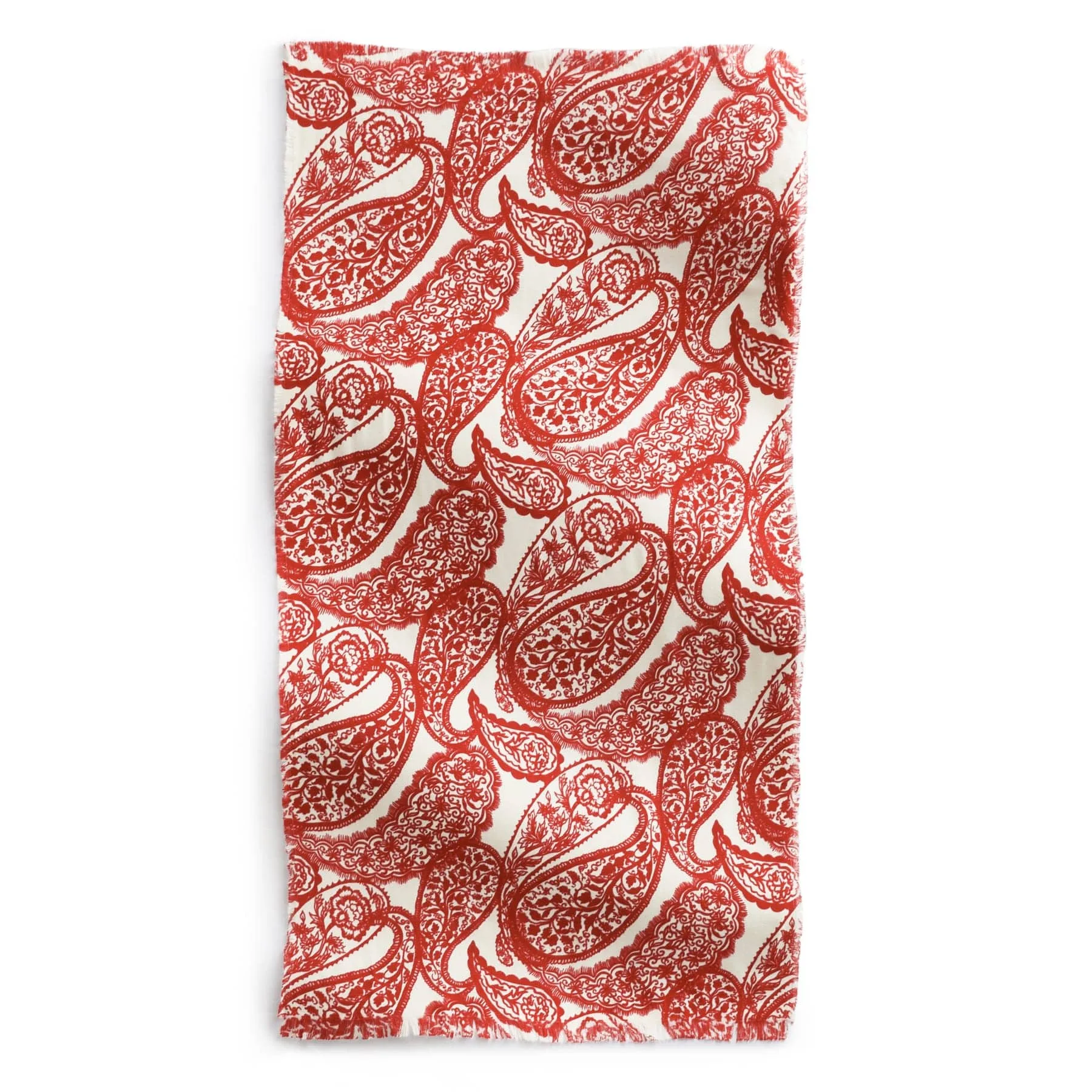
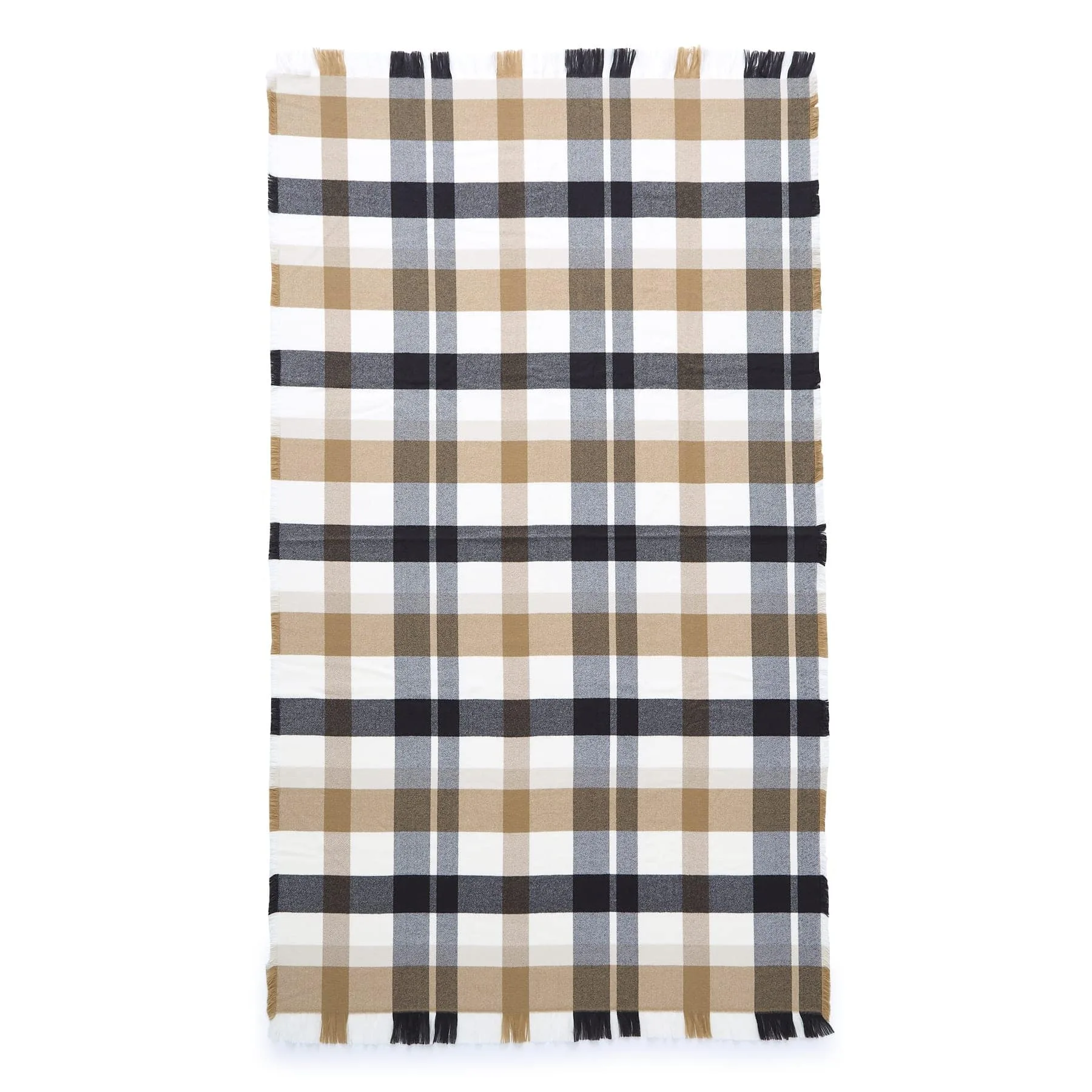
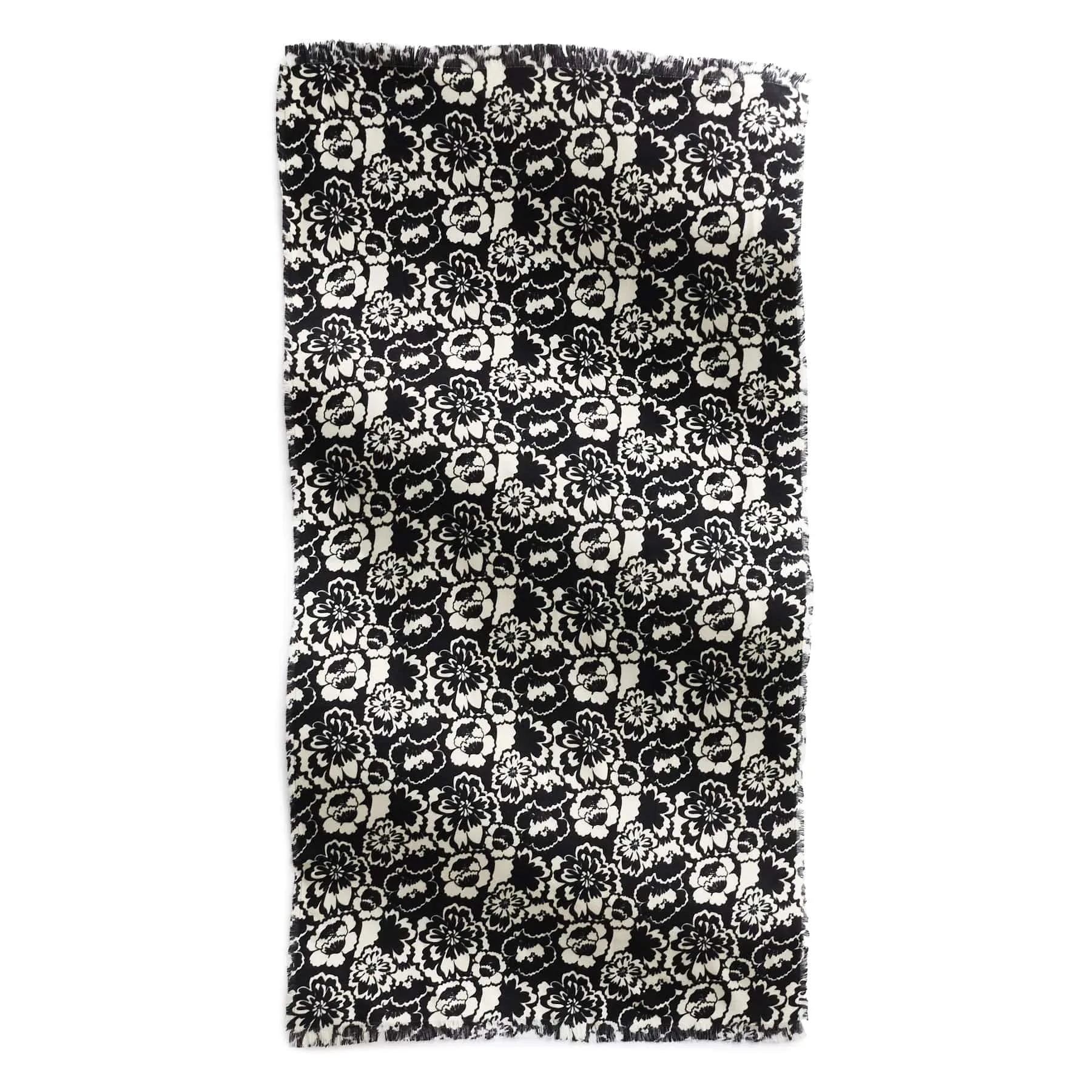
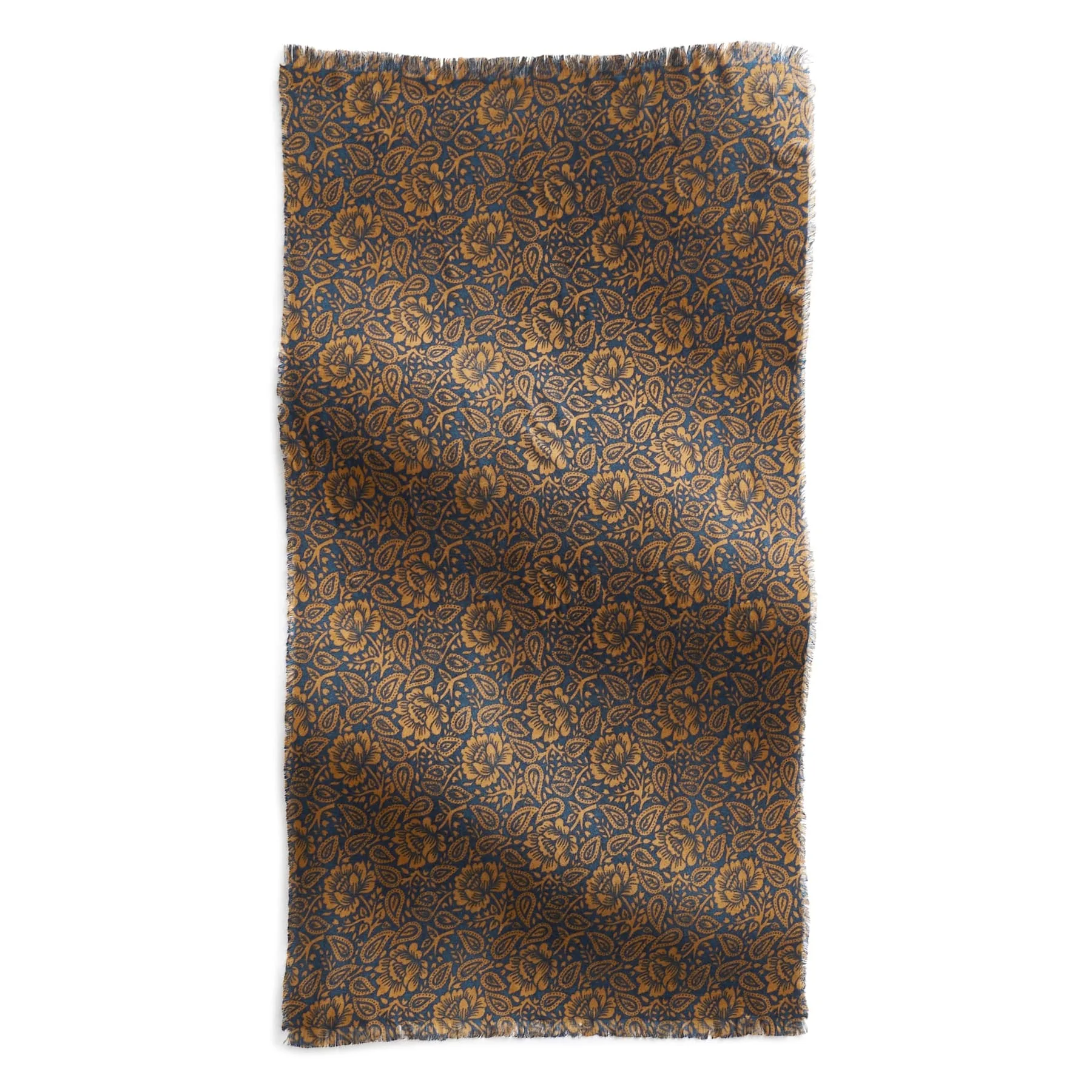
The most reliable small-space décor is décor that replaces something else. A https://verabradleyoutletex.com/products/blanket-wrap-5144420670-81accb0d958e7bbfee2a3079-1641055https://verabradleyoutletex.com/products/blanket-wrap-5059620285-8fba435b92bb808d4cd7c97e-1641064https://verabradleyoutletex.com/products/blanket-wrap-5144420594-7f39a92e2192b70fbe5face5-1641065https://verabradleyoutletex.com/products/blanket-wrap-5059620286-1495422679abd367a67eb56e-1641067blanket wrap that doubles as a scarf in cold months lives in your closet, not on your floor. A tote that holds blankets when not in use clears surface area. A tumbler that keeps drinks cold reduces the number of cups sitting out.
Ask one question before buying: what does this replace? If nothing, it's an addition. Additions are fine occasionally, but in a small room they should be rare and deliberate.
- If a piece has no second job, it needs to be beautiful enough to justify its footprint on its own.
- Items that fold, roll, or nest are almost always better in small spaces than rigid items of the same size.
Use texture and warmth instead of more objects
Small rooms often feel cold because they lack soft surfaces. One textured throw or wrap can warm a whole seating area without adding a single piece of furniture. This is where textiles outperform figurines, trays, and stacks of books — they add comfort and color in the same move.
When you're choosing between two items of similar size, pick the one with more tactile texture. It will do more emotional work in the room and give you a reason to keep it out rather than stored away.
- Layer one texture over another (a knit over a woven) rather than adding a new object.
- If a textile is scratchy or stiff, you won't use it. Touch matters more than pattern in a small room.
Set a budget rule before you shop
Small-space décor is easy to overbuy because each piece feels inexpensive. Set a rule: no more than one new décor item per room per season, and only if it replaces something you already own or fills a specific gap you can name. This keeps the room from slowly filling with things that don't work together.
Outlet pricing helps here. When a piece costs less, you can afford to be more selective about pattern and size rather than settling for what's on sale. Buy the piece that fits the rule, not the piece that's cheapest that day.
- Name the gap out loud before buying: 'I need something soft on the reading chair,' not 'I like this.'
- If you can't picture where it goes when you bring it home, it doesn't go home.
Decision rules for small-space décor
- The two-job rule: If a piece doesn't do at least two jobs (warm and store, decorate and carry, cover and fold), it needs to be visually exceptional to justify its footprint. If you can't name the second job, don't buy it.
- The one-pattern rule: From any single standing position, you should see no more than two patterns at once. More than that and the room starts to feel crowded even when it's clean. Count patterns from your doorway before buying anything new.
- The replace rule: Every new décor item should replace something you already own, or fill a gap you can describe in one sentence. Additions without a reason are what fill small rooms. Write the gap down before you shop.
- The fold-and-store rule: If a piece can't fold, roll, or nest when not in use, it needs to be beautiful enough to stay out permanently. Otherwise it costs you storage space you don't have. Prefer soft, foldable items over rigid ones in tight rooms.
Real pieces that fit small-space rules
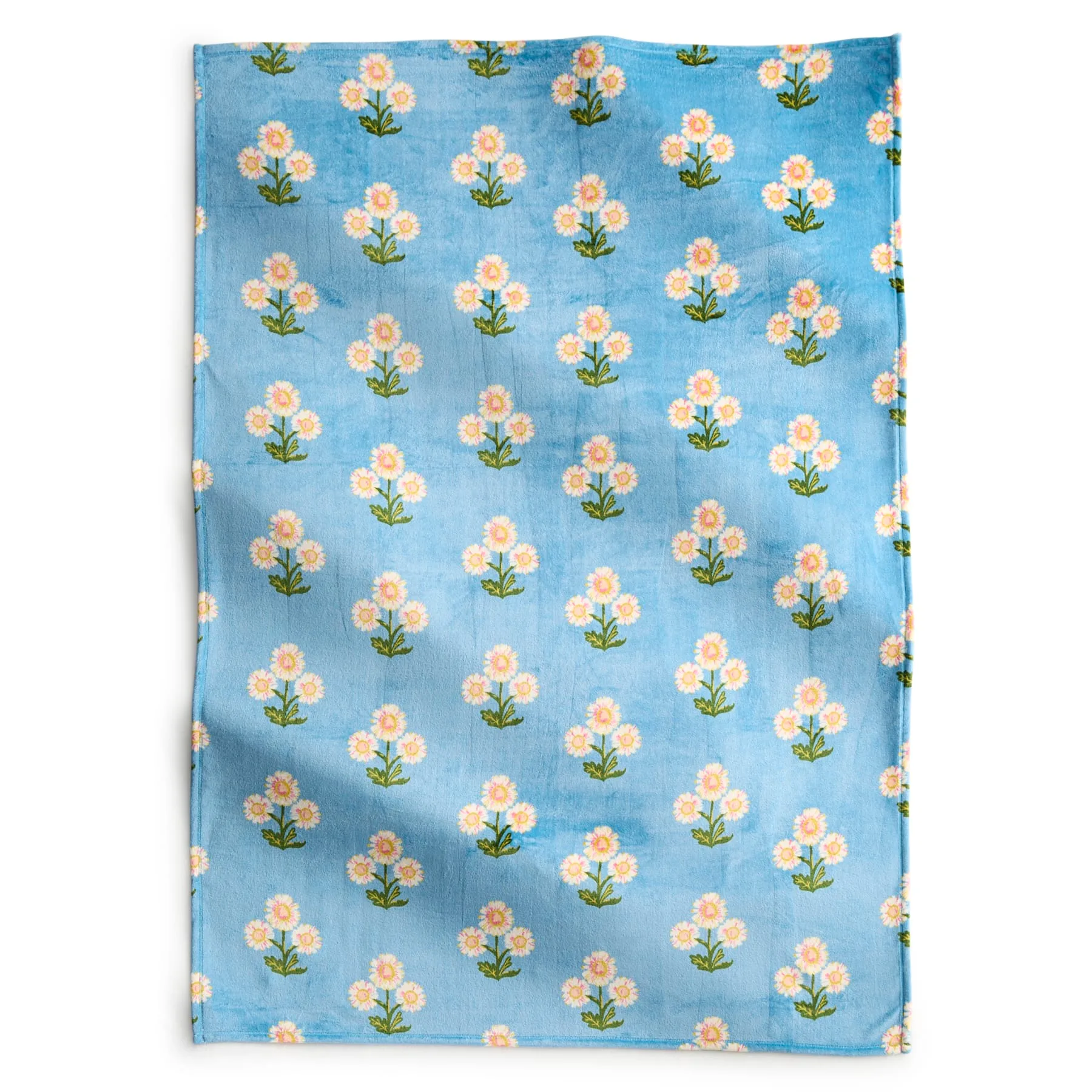
- Outlet Essential Oversized Throw Blanket: 100% polyester, 66.0" w x 94.0" h, 2.68 lb, available in multiple patterns. One large soft piece can warm a seating area without adding furniture. The size is generous enough to drape a sofa or bed, and the light weight makes it easy to fold and store when not in use.
- Blanket Wrap: 70.0" w x 38.0" h with fringe detail at the edges, available in multiple patterns. A wrap that doubles as a throw or scarf earns its footprint twice. Fringe adds texture without adding an object, which is exactly what a small room needs.
- Small Vera Tote: 11.5" w x 11.25" h x 4.5" d, 16.25" top width, 12.0" handle drop, with six interior slip pockets, a zip closure, and exterior front slip, zip, and hidden top pockets. In a small space, storage that looks intentional matters. This tote can hold folded throws, mail, or craft supplies and then sit out as a design piece rather than being hidden away.
- Outlet Click Pen Set: Outlet Exclusive set of two pens with black ink, available in multiple patterns. Small functional items with pattern add personality without taking up meaningful space. A pen set on a desk or entry table is décor that also works.
Who this approach fits
Best for
- Renters and apartment dwellers with limited floor and storage space
- Anyone furnishing a studio, dorm, or small bedroom who wants warmth without clutter
- Shoppers who prefer one well-chosen patterned piece over several small decorative objects
Not for
- Large open rooms where multiple patterns and layered objects have space to breathe
- Collectors who want to display many small items at once
- Anyone looking for furniture or wall art — this guide covers soft goods and functional accessories
Small-space décor works when every piece earns its footprint. Choose one large soft textile, one pattern per sightline, and items that replace something else. When you shop, buy for the gap you can name — not the sale you can't resist.