Quick Answer
For most drone pilots, a 55cm portable landing pad offers the best balance of size, weight, and price. Choose a larger pad if you fly in tall grass or dusty areas, and a smaller one if you need maximum portability.
Why Size Matters More Than You Think
The pad's diameter determines how much clearance your drone's propellers have from the ground. A pad that's too small can let debris kick up into the rotors, especially on dusty or sandy surfaces.
A 55cm pad works well for most consumer drones like the DJI Mavic series, giving enough room for safe takeoff and landing without being bulky. If you fly larger drones or in windy conditions, consider a larger pad for better stability.
Material and Surface: What to Look For
Landing pads are typically made from nylon, polyester, or PVC. Nylon is lightweight and dries quickly, while PVC is more durable and waterproof. Some pads have a non-slip surface to prevent the drone from sliding during landing.
Consider the environment you'll fly in. If you often fly on wet grass, a waterproof PVC pad is worth the extra weight. For frequent travel, a lightweight nylon pad that folds compactly is more convenient.
Portability and Setup Trade-offs
Portable pads fold down to a small size and can be stored in a backpack or drone case. However, they may require pegs or weights to stay flat in windy conditions. Some pads come with a carrying bag and stakes.
If you fly from the same location often, a heavier, more rigid pad might be better. But for travel, a foldable pad that fits in your gear bag is a practical choice.
Decision Rules for Choosing a Drone Landing Pad
- Size Rule: Match the pad diameter to your drone's propeller span. For drones under 250g, a 40-50cm pad is enough. For heavier drones, choose at least 55cm to prevent debris from hitting the rotors. Measure your drone's diagonal size before buying.
- Material Rule: Choose PVC or waterproof nylon if you fly in wet or dewy conditions. For dry, sandy areas, a lightweight nylon pad is easier to clean and dry. Consider the climate and terrain where you fly most often.
- Portability Rule: If you hike or travel with your drone, pick a foldable pad that fits in your backpack. If you fly from a car or a fixed spot, a larger, stiffer pad can be more stable. Check if the pad comes with a carrying bag or stakes.
Product Spotlight
-
55cm Drone Landing Pad: 55cm Portable Foldable Landing Pad Universal FPV Drone Parking Apron Pad At 55cm, this pad provides a stable surface for most consumer drones, and its foldable design makes it easy to carry on the go.
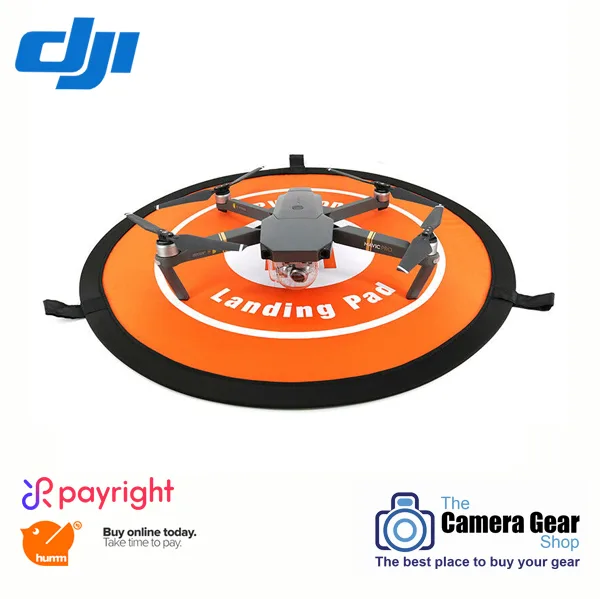
55cm Drone Landing Pad
Fit Guidance
Best for
- Drone pilots who fly in grassy or dusty areas and need a stable, clean surface for takeoff and landing.
- Travelers who want a compact, foldable pad that fits in a backpack or drone case.
Not for
- Pilots flying large cinema drones that require a much larger landing area (e.g., 80cm or more).
- Those who fly exclusively from hard, clean surfaces like concrete or asphalt where a pad isn't necessary.