Quick answer
To choose ear tips for in-ear headphones, start by identifying your preferred fit (shallow vs deep) and material (silicone vs foam). Silicone tips preserve treble and detail, while foam tips improve isolation and bass. Test multiple sizes to get a secure seal without discomfort.
Silicone vs Foam: What Each Material Does to Sound
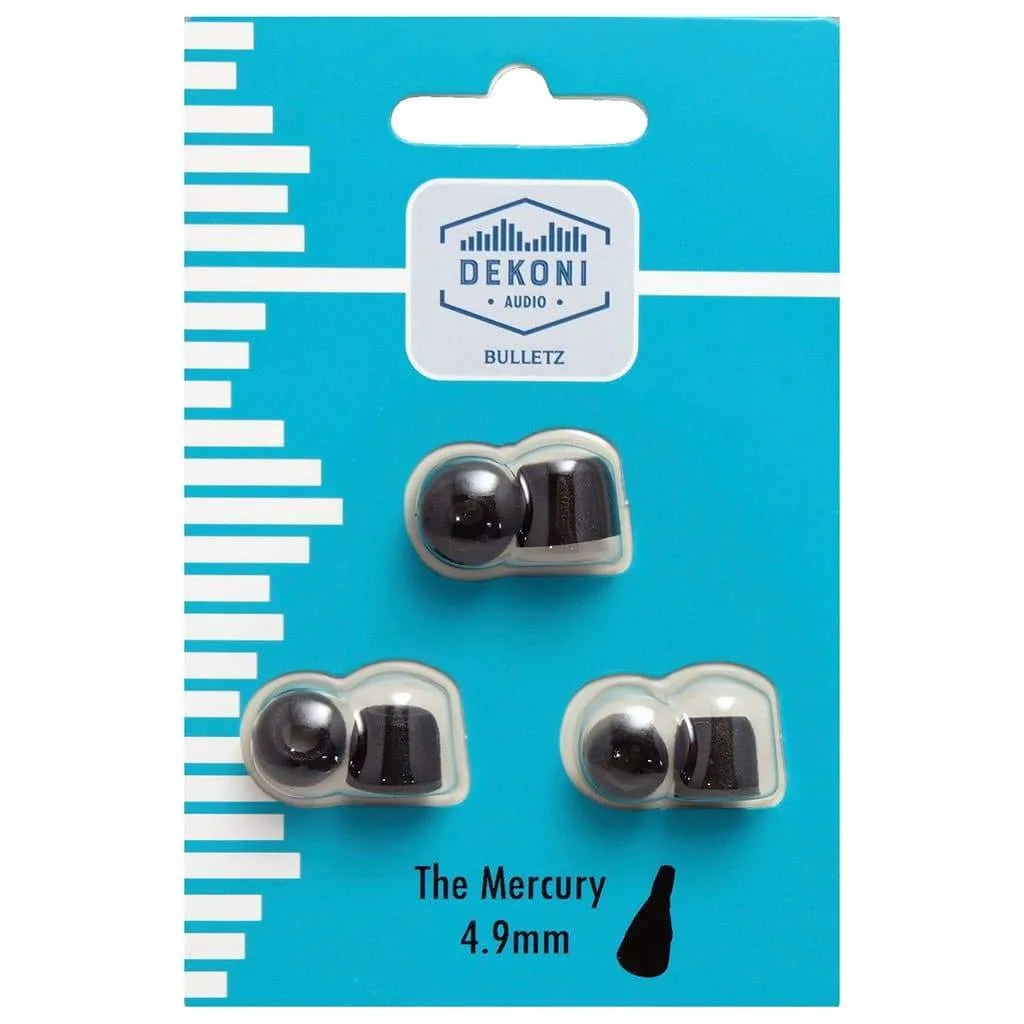
Silicone ear tips are the most common and come in single-flange, double-flange, and triple-flange designs. They create a less invasive seal and let more high-frequency detail through, making them a good match for bright-sounding IEMs. Foam tips, like those from Dekoni Audio, use slow-rebound memory foam that expands to fill your ear canal. This gives you a more consistent seal and noticeably better noise isolation, which can make bass sound fuller and reduce outside distractions.
The tradeoff is that foam tips can slightly roll off the highest treble frequencies and may feel warmer after long listening sessions. Silicone is easier to clean and lasts longer, but foam needs replacement every few months as the foam loses its memory. Your choice should match how you use your IEMs: foam for commuting or noisy environments, silicone for critical listening at home.
Size and Fit: Why One Size Does Not Fit All
Most IEMs ship with three sizes of silicone tips, but that is rarely enough. Ear canals vary widely in shape and depth. A tip that is too small will leak bass and let in ambient noise; a tip that is too large will cause pressure and fatigue. The correct fit is one where you can insert the IEM fully, the tip stays in place when you move your head, and you feel no soreness after 30 minutes.
Try at least three sizes of the same tip type before judging the sound. A tip that seals properly will make the IEM sound more dynamic and controlled. If you are between sizes, go with the smaller one and try a different material instead of forcing a larger silicone tip into your ear.
Nozzle Compatibility: Matching Tips to Your IEMs
Not all ear tips fit all IEMs. The nozzle diameter on your IEM determines which tips will stay attached. Most universal IEMs use a 4.5 mm to 5.5 mm nozzle. For example, the Dekoni Audio Mercury tips have a 4.9 mm bore, which fits the vast majority of standard IEMs. If your IEM has a wider nozzle (like some models from Campfire Audio or 64 Audio), you need wide-bore tips or a specific adapter.
Check your IEM's nozzle diameter before buying aftermarket tips. A loose tip that slips off inside your ear is a safety hazard and a sound-quality problem. If the nozzle is unusually short or long, the tip length also affects how deep the IEM sits in your ear, which changes the frequency response.
How to choose ear tips in 3 steps
- Step 1: Determine your priority – isolation or detail: Decide whether you need to block out noise (choose foam) or preserve treble air and detail (choose silicone). Listen to your IEMs in a quiet room with stock tips first to hear the baseline. Common mistake: picking foam because you think it is better, even though you value treble extension. Check: do you hear cymbals and sibilance clearly with foam? If not, try silicone.
- Step 2: Test at least three sizes of the same tip: Insert each size and listen to a track with bass and vocals. The right size will give you a full low end without pressure. Move your head and talk to confirm the tip stays sealed. Common mistake: stopping at the first size that feels okay. Check: if the bass sounds thin or the IEM feels loose, try one size up before changing material.
- Step 3: Verify nozzle compatibility before buying: Measure your IEM's nozzle diameter or check the manufacturer specs. Match it to the bore size of the aftermarket tip. For standard 4.5–5.5 mm nozzles, the Dekoni Mercury tips (4.9 mm bore) are a safe bet. Common mistake: assuming all tips fit all IEMs. Check: does the tip slide on firmly without wobbling? If not, find a tip with a tighter bore or use an adapter.
Product facts to consider
- Dekoni Audio The Mercury Premium Memory Foam Isolation Earphone Tips, Black, 4.9mm, 3-Pack: Dekoni Audio The Mercury Premium Memory Foam Isolation Earphone Tips use slow-rebound memory foam designed to last through gym sessions and commutes. If you need maximum isolation and a secure fit that stays put during movement, memory foam tips like these are a reliable upgrade over stock silicone.