Quick answer
Choose your everyday carry bag by working backward from your actual daily load, not from how a bag looks online. Empty your current bag, measure the largest item you carry, then pick the smallest bag that holds that load comfortably in the carry style you'll use most. If you walk or commute, a crossbody keeps your hands free; if you drive or carry a laptop, a shoulder or tote style usually works better.
Most people buy an everyday bag the same way: they see one they like, order it, and discover three weeks later that the strap digs in, the laptop doesn't fit, or everything inside turns into a jumble. The fix isn't a bigger bag. It's matching the bag to the load you actually carry, not the load you imagine you carry.
This guide walks through a repeatable process you can run in about fifteen minutes before you spend anything. It works whether you're replacing a worn-out bag or buying your first one, and it applies to backpacks, totes, slings, and crossbody styles alike.
Step 1: Dump out your current bag and build a real inventory
Empty everything onto a table and separate it into three piles: items you used this week, items you used this month, and items you haven't touched in a year. The third pile is the one that makes bags feel heavy and disorganized. Most people carry a laptop or tablet, a phone, keys, a wallet, a water bottle, and one or two small pouches for cables or toiletries.
Measure the largest flat item (usually a laptop) and the tallest item (often a water bottle) with a tape measure. These two numbers set your minimum dimensions. Everything else is negotiable.
Common mistake: buying for the heaviest day of your year instead of your typical Tuesday. A bag sized for a weekend trip will feel oversized and awkward on a normal commute.
- Write down the count of items, not just the types. Six small items need more organization than two large ones.
- Weigh the pile if you can. Anything over roughly 10 pounds changes which strap styles stay comfortable.
Step 2: Decide crossbody vs shoulder bag based on how you move
Crossbody and sling bags distribute weight diagonally across your torso, which keeps your hands free and keeps the bag from sliding off when you bend or walk quickly. They're the better choice if you walk, bike, or take public transit, and they're harder to snatch in a crowd. The tradeoff is that a crossbody strap can dig into your neck or shoulder if the bag is loaded heavily.
Shoulder bags and totes sit on one shoulder and are easier to take on and off, which suits driving, office settings, and quick errands. They also tend to hold more volume for the same footprint. The tradeoff is that a single-shoulder load gets tiring on long walks, and open totes offer less security.
If your load is light and your days are mixed, a crossbody is usually the safer default. If your load includes a laptop and you mostly move between a car and a desk, a shoulder bag or tote will be more comfortable.
- Checkpoint: put your loaded bag on one shoulder and walk around your home for five minutes. If you keep shifting it, the carry style is wrong for your body.
Step 3: Match the opening style to how often you reach in
How a bag opens matters more than most buyers expect. A top-zip bag keeps contents secure and is fast to open one-handed, which is ideal for transit and crowded spaces. A flap closure looks cleaner and protects against rain but takes two hands to open. A wide-open tote is the fastest to load but the worst for privacy and rain.
Think about your most frequent access moment. If you pull out a phone or transit card ten times a day, a top zip or a quick-access exterior pocket will save you real friction. If you mostly load once in the morning and unload once at night, a flap or roll-top is fine.
Common mistake: choosing a bag with no exterior pocket when you need frequent access. Every reach into the main compartment disturbs everything else inside.
- Count your access moments in a normal day before you decide.
- If you carry a water bottle, confirm the bag has an exterior or dedicated bottle pocket. Loose bottles leak onto electronics.
Step 4: Check the strap and hardware details before you commit
The strap is where cheap bags fail first. Look for a strap that's wide enough to spread weight, adjustable enough to sit at the right height, and backed with a material that won't slide off a jacket. Nylon straps with clip closures adjust quickly and hold their setting; thin webbing straps tend to twist and cut in.
Hardware matters too. Metal zippers and clips outlast plastic ones, but they add weight. If you're carrying a light load, plastic is fine and saves ounces. If you're carrying a laptop and a bottle daily, prioritize durable zippers and reinforced attachment points.
Common mistake: assuming a padded strap means comfort. Padding helps only if the strap is also wide and positioned correctly on your shoulder or across your chest.
- Adjust the strap to its shortest and longest settings and check that both still sit where you want them.
- Look for a bag that keeps its shape when empty. Bags that collapse are harder to load one-handed.
Step 5: Test the bag against your worst realistic day
Before buying, run a mental stress test. Imagine a rainy commute, a day when you're carrying an extra layer, and a day when you stop for groceries on the way home. Does the bag still work? A bag that only handles your ideal day will end up in a closet.
If you're layering clothing into your routine, consider how a bag interacts with what you wear. A crossbody strap can bunch up a bulky sweater, while a shoulder bag sits more easily over a smooth jacket. Small details like this decide whether you reach for a bag daily or leave it at home.
Common mistake: ignoring weather. If you commute on foot, a bag that isn't water-resistant will soak through and put your electronics at risk.
- Checkpoint: if the bag fails two of your three stress-test scenarios, keep looking.
- Buy from a store with a clear return window so you can test-load it at home.
Your 15-minute bag selection checklist
- Inventory your real daily load: Empty your current bag, sort by use frequency, and measure your largest and tallest items. Checkpoint: if you haven't used an item in a year, it doesn't get a vote.
- Pick your carry style: Choose crossbody for walking, transit, and hands-free days; choose shoulder or tote for driving, desk work, and larger loads. Checkpoint: walk five minutes with the bag loaded before deciding.
- Match the opening to your access habits: Top zip for frequent one-handed access and security; flap or roll-top for weather protection and a cleaner look. Checkpoint: count how many times a day you reach into your bag.
- Inspect strap and hardware: Look for a wide, adjustable strap and zippers or clips that match your load weight. Checkpoint: a padded strap only helps if it's also wide.
- Stress-test before you buy: Run the bag through a rainy commute, an extra-layer day, and a grocery-stop day in your head. Checkpoint: two failures means keep looking.
Everyday pieces worth knowing about
- Cotopaxi Tech 5-Panel Hat: Adjustable nylon strap with clip closure, subtle graphic screenprint, and a classic 5-panel shape. A quick-adjust hat pairs naturally with a hands-free crossbody setup and keeps sun out of your eyes on commutes and trails.
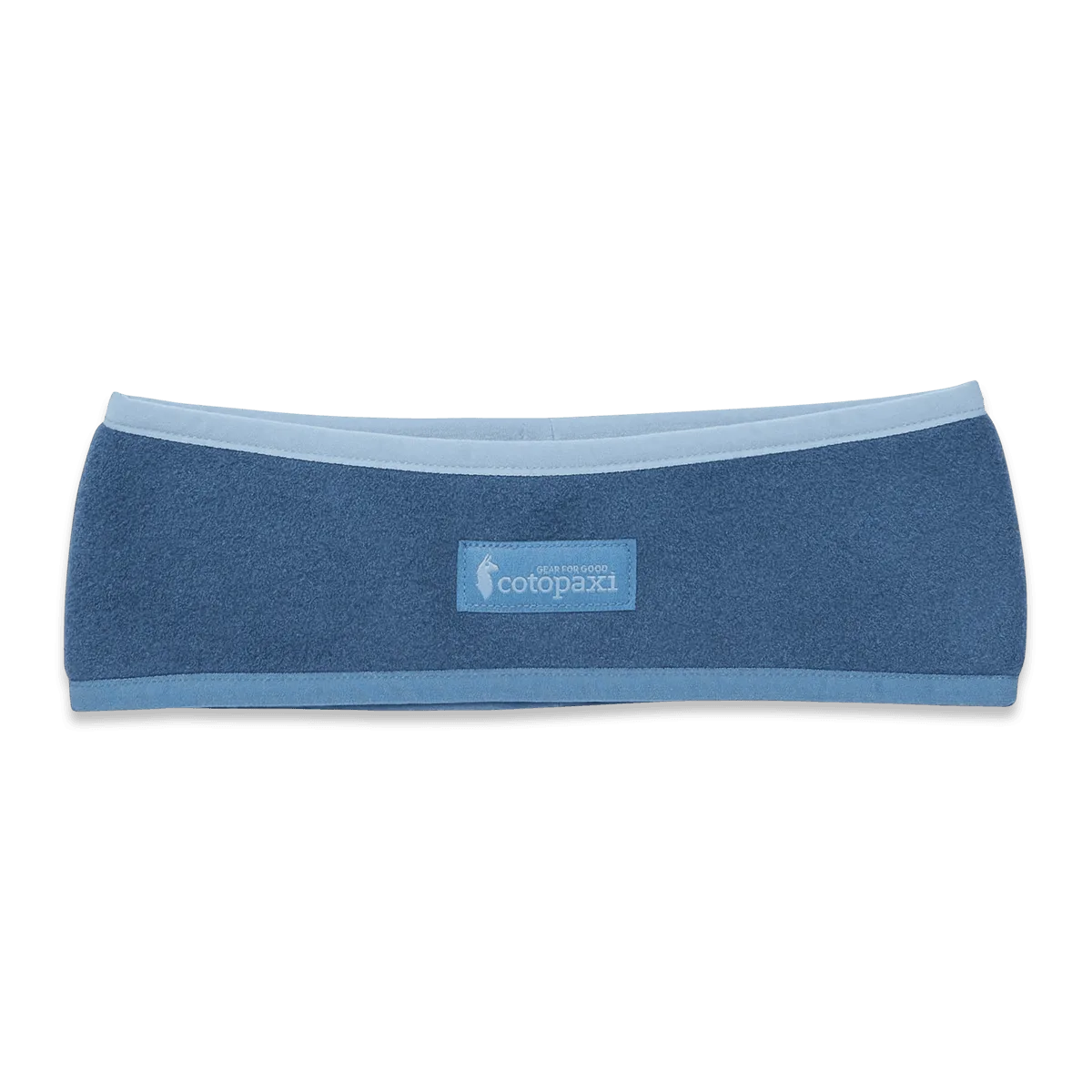
- Teca Fleece Headband: Built from the same cozy Teca Fleece fabric as the bestselling fleece, designed to keep ears warm without overheating. A small, packable layer that fits in a bag's exterior pocket for cold mornings without adding bulk to your main compartment.
- Quedo Flannel Shirt - Women's: Lightweight organic flannel with a chest pocket, roll-up button cuffs, and a curved hem. A chest pocket gives you one more place for a phone or card, and the lightweight fabric layers under a shoulder bag without bunching.
- Capa Hybrid Insulated Hooded Jacket - Men's: Synthetic PrimaLoft Gold P.U.R.E. insulation with stretch paneling in the sleeves and knit side panels; slim fit. A slim, movement-ready layer slides under a crossbody strap without adding bulk, which matters when you're carrying a bag all day.
The right everyday carry bag is the one you stop thinking about. Run the five steps above, buy from a store with a return window, and test-load it at home before you commit. If the bag disappears into your routine, you chose well.