Quick answer
Match the frame width to your face width first, then use shape to balance your features. Round faces usually look best in angular or rectangular frames, while angular faces soften with round or oval frames. Always check the temple fit and lens coverage before buying.
Eyewear is one of the few accessories you wear on your face every day, so a wrong fit is noticeable. The good news: you do not need a stylist to get it right. A few measurements and a mirror check will tell you more than any trend list.
This guide walks through face shape, frame width, and real product examples so you can choose sunglasses or readers that stay comfortable and look intentional.
Start with fit, not shape
Before you think about round versus angular, check three fit points: frame width, temple length, and bridge fit. Frame width should roughly match your face width at the temples. If the frame is too narrow, it pinches; too wide, and it slides. Temple length should reach your ears without pressing. Bridge fit matters most for readers and prescription glasses because a slipping bridge means constant pushing.
A simple test: put the frames on and look straight ahead. The frame should not extend past your cheekbones, and the top of the frame should sit just below your eyebrows. If you can fit more than one finger between the temple and your head, the frame is too wide. If the frame leaves marks after 10 minutes, it is too tight.
- Measure your current well-fitting pair and compare those numbers to any new frame.
- Bring a friend or use your phone camera at eye level to check symmetry.
Match frame shape to face shape
The goal is contrast. Round faces benefit from angular or rectangular frames that add definition. Square or angular faces soften with round or oval frames. Oval faces can wear most shapes, but oversized frames can overwhelm delicate features. Heart-shaped faces often look balanced with bottom-heavy or rimless styles.
If you are choosing readers for face shape, the same logic applies. A round face in round readers can look overly circular, so try a rectangular or cat-eye shape. For sunglasses, larger lenses offer more coverage, but they should not cover your eyebrows entirely.
- Round face: try rectangular, square, or geometric frames.
- Square face: try round, oval, or softer cat-eye frames.
- Oval face: almost any shape works; keep width proportional.
- Heart face: try aviators or frames with a wider bottom.
Lens coverage and tint for real life
Lens size affects both protection and style. If you spend time driving or outdoors, look for lenses that cover the eye socket and block side light. Smaller lenses are lighter but let in more glare from the sides. For readers, lens height should let you see the page without tilting your head down.
Tint is a personal choice, but darker tints are better for bright sun, while lighter tints work for indoor or mixed lighting. If you need one pair for everything, a medium tint with a slight gradient is a practical compromise.
- Check that the lens does not touch your eyelashes when you blink.
- For driving, avoid very dark tints that can make dashboards hard to read.
Try before you commit
Online shopping makes returns important. Buy from a store with a clear return policy, and test the frames for at least 15 minutes indoors. Look down, look up, and turn your head side to side. If the frames shift or press, they will only get more annoying over a full day.
If you are between sizes, size up in width rather than down. A slightly wider frame can be adjusted with temple tips, but a too-narrow frame cannot be stretched without stress on the hinges.
- Wear the frames while reading or looking at your phone to simulate real use.
- Check that the frame does not rest on your cheeks when you smile.
Decision rules for eyewear fit
- Measure your current frames: Write down the lens width, bridge, and temple length from a pair that fits well. Compare those numbers to any new frame before buying. If the new frame is more than 2 mm off in temple length, expect a different feel.
- Use shape to balance, not to hide: Round face: choose angular frames. Square face: choose round or oval. Oval face: keep width proportional. Heart face: choose frames with a wider bottom. The frame should contrast your natural angles, not repeat them.
- Test for 15 minutes: Wear the frames indoors and look down, up, and side to side. Check for pinching, sliding, or cheek contact. If they are uncomfortable in the store, they will be worse after an hour.
- Decide on lens coverage: For driving or bright sun, choose larger lenses that cover the eye socket. For reading, choose a lens height that lets you see the page without tilting your head. Coverage and comfort should win over a trendy tiny frame.
Examples from our catalog
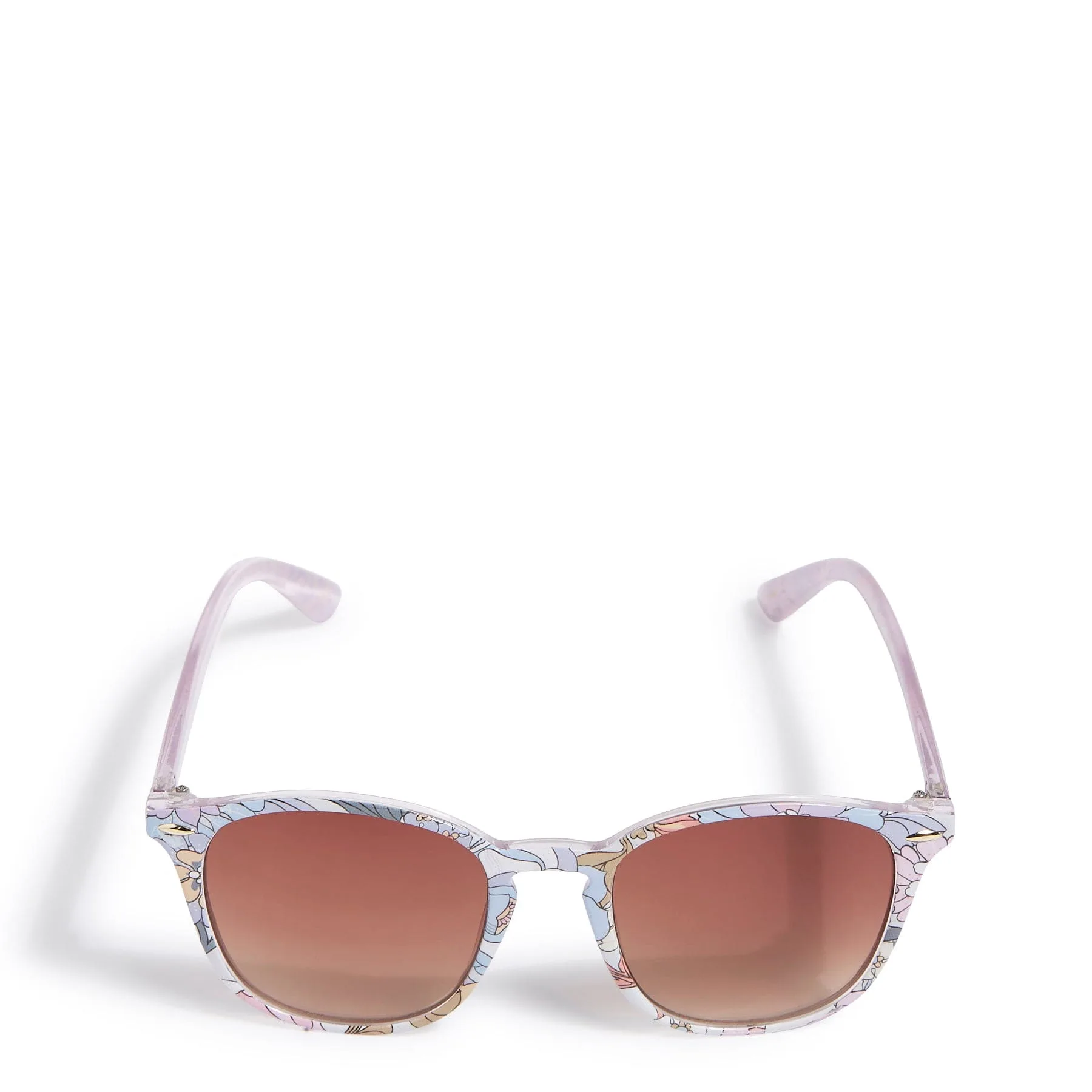
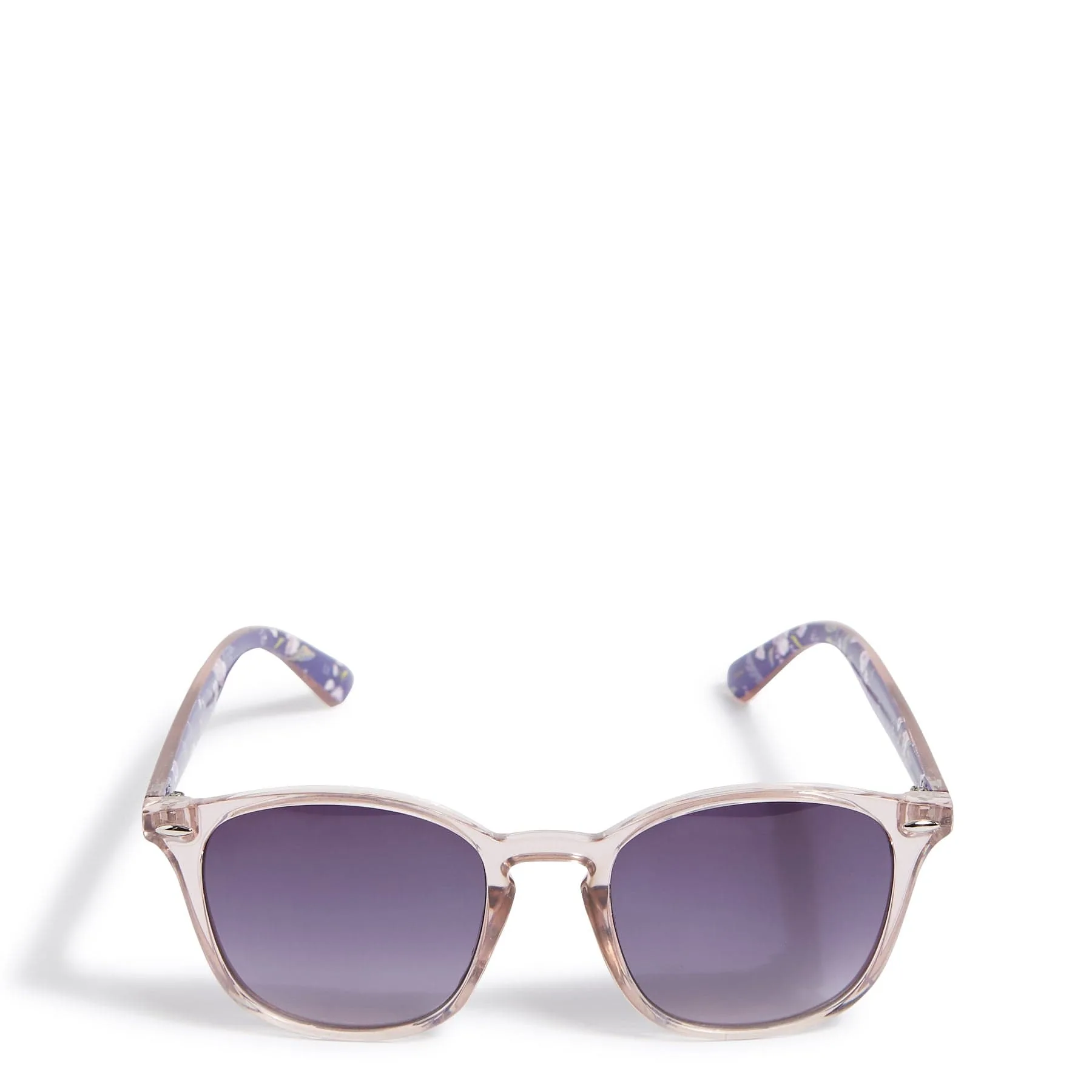
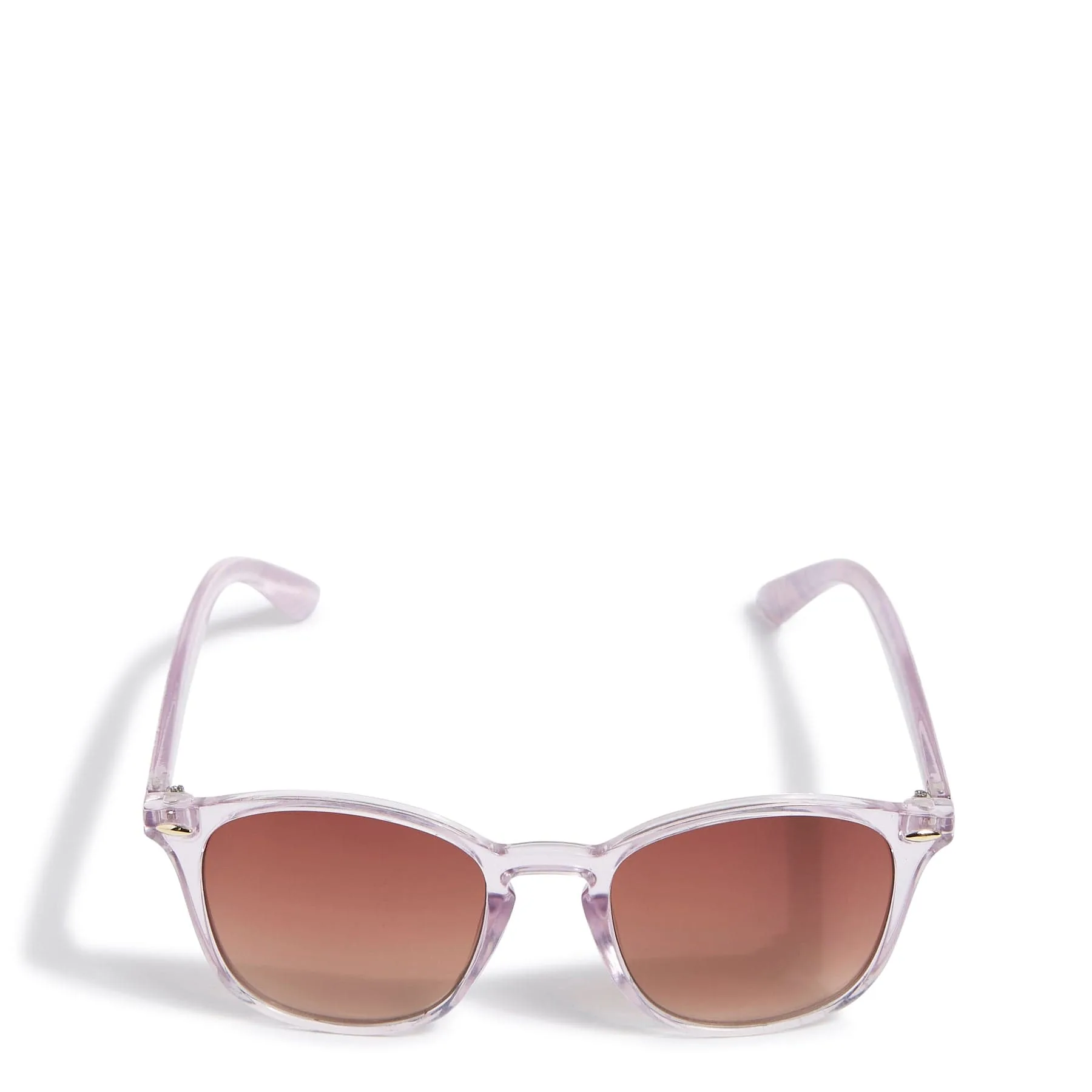
- https://verabradleyoutletex.com/products/bree-sunglasses-2726518095-22329c60f82a2dc563bf6a61-1639678https://verabradleyoutletex.com/products/bree-sunglasses-2726518102-0605a7fe727178cfe3b27513-1639730Outlet Bree Sunglasses: Classic style frame with patterned plastic temple; dimensions 50 - 20 - 151. The 50 mm lens width and 151 mm temple length fit medium faces; the patterned temple adds a subtle detail without changing the shape.
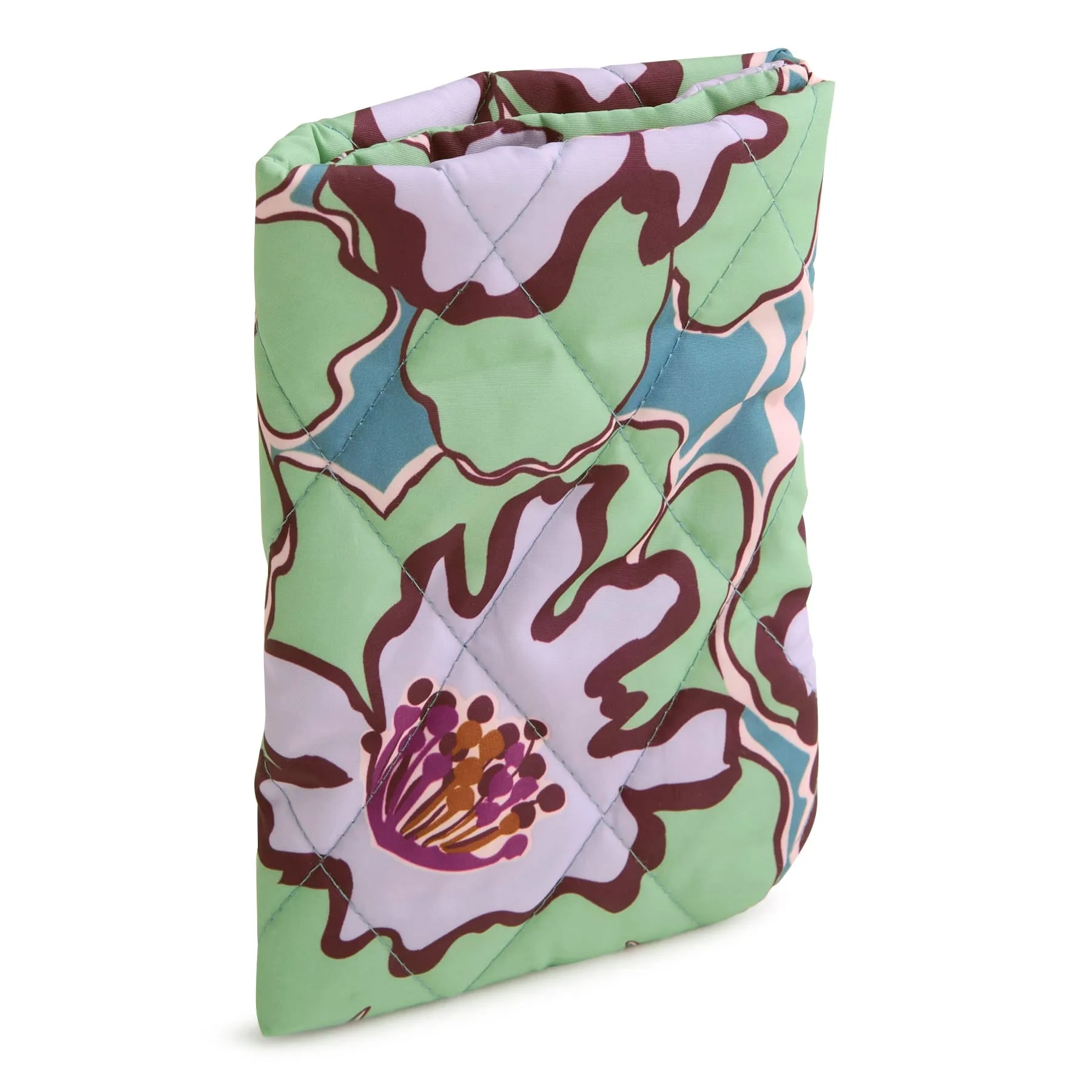
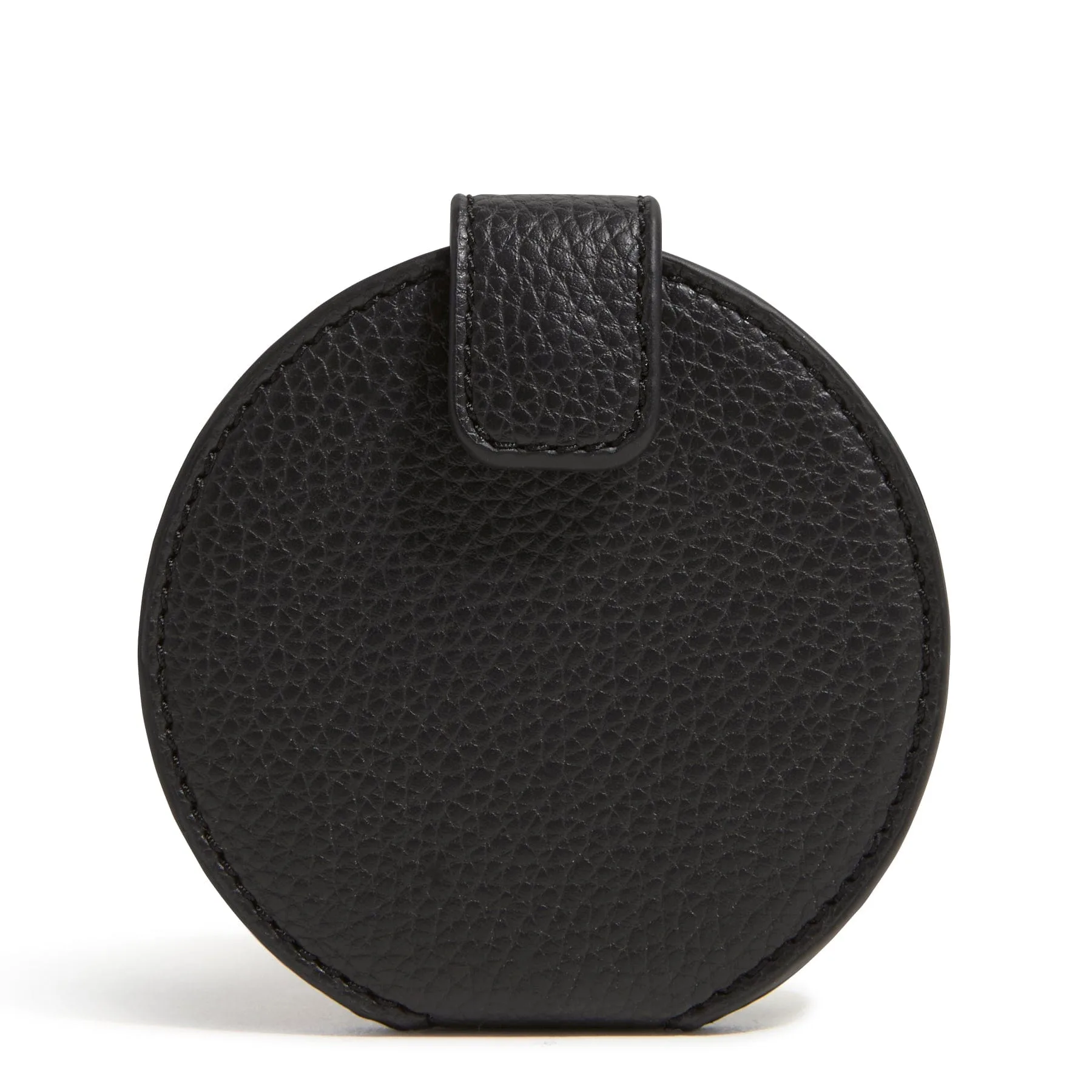
- https://verabradleyoutletex.com/products/double-eye-case-5107920090-47a24a11fb240d0bc7e0b1bc-1641151Outlet Double Eye Case: Holds two pairs of reading glasses in two slip pockets; dimensions 3.75" w x 6.0" h. Keeps a backup pair or sunglasses separate, so you can carry two fits without scratching either lens.
- Outlet Zip ID Case: Exterior ID window, interior slip pocket, key ring, zip closure; dimensions 5.0" w x 3.0" h. A compact way to carry your ID and keys when you swap between sunglasses and readers, so you are not digging in a bag.
Who this guide is for
Best for
- Shoppers buying sunglasses or readers online and unsure about fit
- Anyone who wants a frame that balances their face shape
- People who need a second pair for travel or backup
Not for
- Shoppers who need prescription lenses fitted by an optician
- Anyone looking for sports-specific safety eyewear
- People who want a single pair to cover both driving and reading
Choosing eyewear for your face shape comes down to fit first, then contrast. Measure your current pair, test new frames for 15 minutes, and pick a shape that balances your features. With those rules, you can buy sunglasses or readers online with confidence.