Quick answer
Start with a low-volume palette of soft creams, dusty pinks, and muted greens, then add one or two deeper accents so the blocks do not wash out. Buy a curated bundle or kit when you want the palette decided for you, and buy yardage when you already have a stash to blend. Add a reliable rotary cutter, an accurate ruler, and a video class if the pattern is new to you.
A Tilda Sanctuary quilt lives or dies by its palette. The pattern style rewards calm, low-contrast fabrics that read as one soft field with gentle accents, not a loud scrap quilt. That means your fabric choices matter more than the number of prints you own.
This guide walks through how to pick tilda sanctuary fabric, how to test a palette before you cut, and which tools and classes are worth adding. It also covers when a tilda sanctuary quilt kit or stash bundle is the smarter buy, and when it is not.
Start with value, not color
Before you shop for prints, decide the value range. Sanctuary-style quilts usually work best when most fabrics sit in the light to medium range, with a few darks used sparingly for contrast. If every fabric is the same value, the quilt looks flat; if the values are too scattered, the calm mood disappears. Pull 10 to 15 fabrics and squint at them from a few feet away. If you can still tell light from medium from dark, your value plan is working.
A practical test is to photograph your fabric pull in black and white. The photo removes color and shows only value. If the grayscale image looks balanced, the quilt will read well in color too. This is the single fastest way to avoid a muddy tilda quilt fabric selection.
- Aim for roughly 60 percent light, 30 percent medium, and 10 percent dark.
- Include at least one fabric that repeats in several blocks to tie the quilt together.
Choose a palette that stays soft
Sanctuary quilts lean toward muted, dusty tones: cream, oatmeal, blush, sage, dusty blue, and soft lavender. Lavender quilt fabric works especially well here because it bridges pink and blue without shouting. The risk is going too sweet, so balance pastels with a grounded neutral like taupe or a faded grey-green.
Print scale matters as much as color. Large florals and bold geometrics fight the calm mood, while small tonal prints, dots, and low-contrast textures blend into the background. If you love a bold print, use it as a focal accent in one or two blocks rather than across the whole quilt.
- Limit yourself to one or two accent fabrics with strong color.
- Mix print scales: mostly small and tonal, a few medium, almost no large.
Buy a kit, a bundle, or yardage?
A tilda sanctuary quilt kit removes the guesswork. You get a pre-matched palette and enough fabric for the pattern, which is the fastest path if you are short on time or new to this style. The trade-off is less control: you may not love every print, and you may end up with leftovers you did not plan for.
A stash bundle is the middle ground. Bundles give you a range of coordinated cuts at a lower cost per yard, and you can supplement with yardage for background and backing. Yardage alone makes sense when you already have a stash and only need to fill specific gaps. Whichever route you take, buy a little extra of your background fabric, since running short mid-project is the most common and most frustrating problem.
- Kit: best when you want the palette decided and the cutting plan included.
- Bundle: best when you want variety and a lower cost per yard.
- Yardage: best when you are blending with fabric you already own.
Tools that actually change the outcome
You do not need a specialty tool for every step, but three items matter: a sharp rotary cutter, a ruler you trust, and a mat large enough to cut comfortably. Dull blades cause skipped threads and ragged edges, which show up as inaccurate blocks later. Replace the blade before a big project rather than mid-way through.
If the pattern uses strip cutting or quilt-as-you-go, a video class can save you more time than any single notion. Seeing the cutting sequence and seam allowance in motion is far more useful than reading it, especially for a method you have not tried before. Check whether the class includes a PDF pattern so you are not buying the pattern twice.
- Change your rotary blade at the start of a project, not in the middle.
- Press seams rather than ironing them to avoid stretching bias edges.
Check the pattern before you buy fabric
Read the pattern's fabric requirements and note whether it lists yardage by color role or by total. Patterns that specify background, accent, and focus fabrics make shopping easier because you can match each role to a value. If the pattern only gives total yardage, you will need to assign roles yourself, which is where a pre-matched kit has a real advantage.
Also check the finished size and whether the pattern includes a table runner or a full quilt. Small projects are a low-risk way to test a palette before committing to a large quilt, and they use up leftover strips and squares from your main project.
- Confirm finished size before buying backing fabric.
- If the pattern includes quilt-as-you-go, plan for batting and backing up front.
Decision rules for buying tilda sanctuary quilt supplies
- If you are new to the pattern style: Buy a kit or a curated bundle rather than choosing every print yourself. The palette is the hardest part, and a pre-matched set removes that risk. Add a video class if the pattern uses a method you have not sewn before.
- If you already have a stash: Shop only for background, backing, and one or two accents. Audition your stash first and photograph the pull in black and white to check value balance. Buy extra background yardage; it is the fabric you are most likely to run short on.
- If you are unsure about the palette: Test it on a small project first, such as a table runner, using the same fabrics you plan to use in the full quilt. A small finish costs far less than remaking a large quilt in colors you do not love.
- If budget is the main constraint: Choose a stash bundle for variety at a lower cost per yard, then supplement with one or two full-yard cuts for background and backing. Accept that bundle contents vary, so plan your design around what arrives.
Products that fit this project
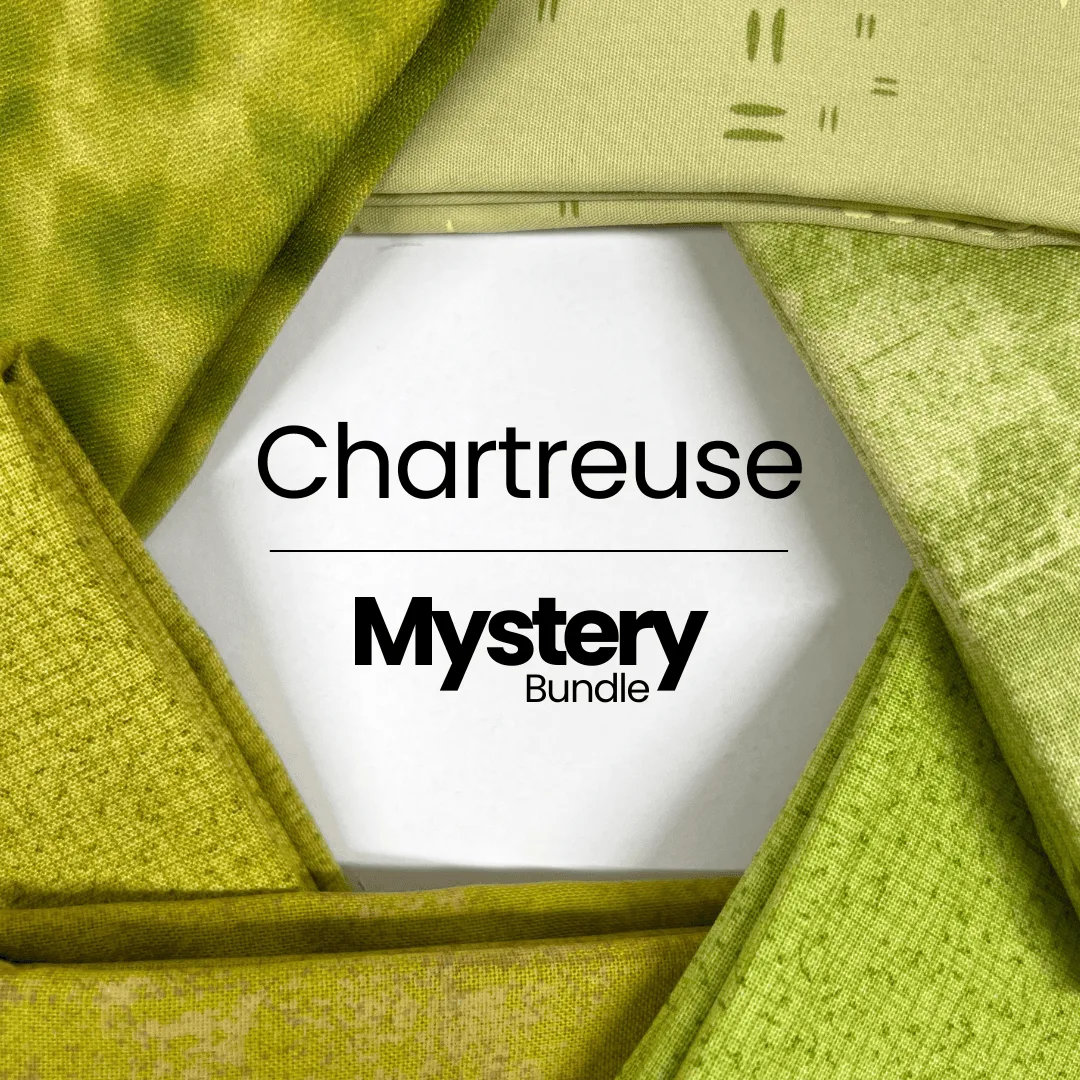
- Mystery Basic Chartreuse Stash Builder Bundle: Six different 1/2 yard cuts of assorted fabrics in shades of chartreuse, 3 yards total. Actual fabrics may vary. A low-cost way to add a coordinated green range if your palette leans sage or olive, though the exact prints are not guaranteed.
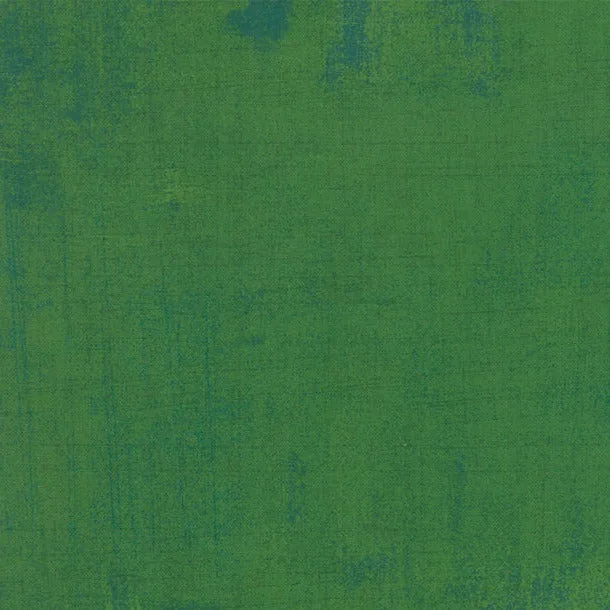
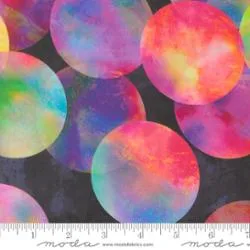
- Grunge Holly 30150-510: Grunge Holly by Basic Grey for Moda, 100 percent cotton, cut in 1 yard increments, not continuous. A textured tonal that reads as a solid from a distance, which makes it a strong background or blender for a soft palette. Order the full yardage you need in one go because cuts are not continuous.
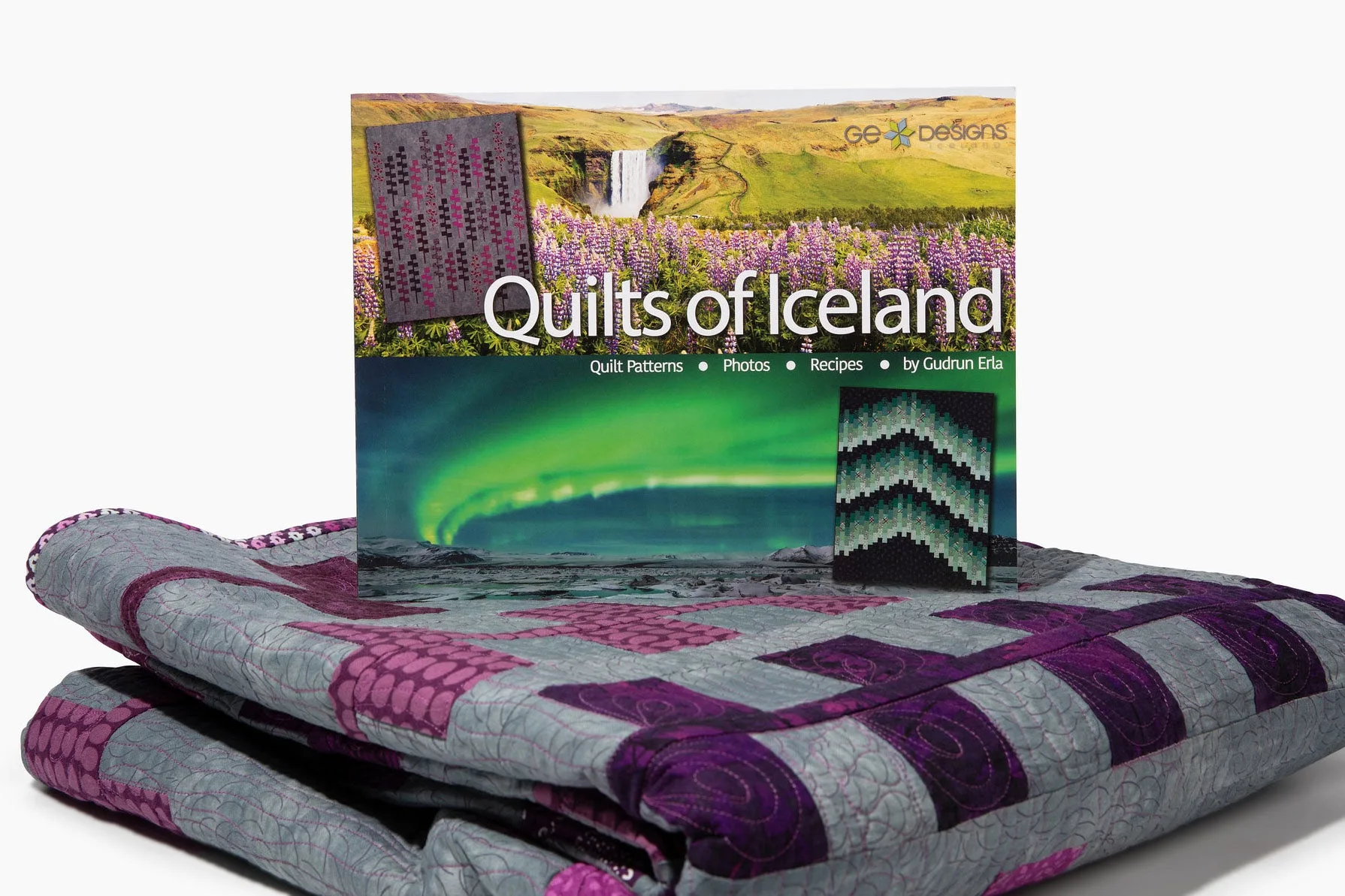
- Quilts Of Iceland Book 513: A 156-page full-color book with instructions for 18 projects, inspired by Iceland's nature and handwork heritage. Useful if you want more muted, nature-inspired palettes to practice before committing to a large Sanctuary-style quilt.
- Lil' Lilo Video Class - Stripology Lil' Pattern Club: An instructional video class that walks through cutting, sewing, and quilting suggestions, and includes a PDF pattern. A low-commitment way to practice strip cutting and organization before you cut into your main quilt fabric.
Who this approach fits
Best for
- Quilters who want a calm, low-volume palette and are willing to plan value before color
- Shoppers who want a curated kit or bundle instead of sourcing every print separately
- Beginners who will benefit from a video class covering cutting and assembly
Not for
- Quilters who want a high-contrast, bold scrap look rather than a soft palette
- Shoppers who need exact prints guaranteed, since mystery bundles vary
- Anyone unwilling to buy extra background fabric, which this style usually requires
Choose your value range first, then your colors, then your tools. A kit or bundle handles the hardest part for you, while yardage gives you control if you already have a stash. Whichever you pick, buy a little extra background fabric and change your rotary blade before you start cutting.