Quick answer
Start with one dominant teal or blue-green, add a secondary purple or plum, and anchor both with a neutral blender. Choose one large-scale feature print, two or three medium or small blenders, and a wide backing that repeats one of the main colors. If you want a fast, coordinated start, a half-yard bundle in a curated palette saves matching time.
A peacock palette works because the colors already agree with each other: blue-green, violet, and a little gold or cream. The hard part is keeping that harmony when you are standing in a fabric shop or scrolling through an online catalog. Most peacock quilts go wrong not because the colors are wrong, but because the values are too similar or the print scales compete.
This guide gives you a buying order, rules for teal and purple quilt palette choices, and practical notes on blenders, jewel-tone fabric, and wide backing. You will also see how specific fabrics in the GE Quilt Designs catalog fit those roles, so you can decide what to buy first and what to skip.
Start with the dominant color, then add the accent
Peacock color quilt fabric reads best when one color leads. Pick a dominant teal, turquoise, or deep blue-green for roughly half of your fabric area. Then choose a secondary purple, plum, or magenta for about a quarter. The remaining quarter should be a neutral or near-neutral: cream, taupe, gray, or black. This ratio keeps the quilt from turning into a muddy mix of equal parts.
Value matters more than hue. If your teal and purple are both medium-dark, the quilt will look flat from across the room. Pair a dark teal with a light cream, or a bright purple with a deep charcoal. A quick phone photo in black and white shows whether your pull has light, medium, and dark clearly separated.
- Pick one dominant color and commit to it before adding accents.
- Squint at your fabric pull or photograph it in grayscale to check value contrast.
- If two fabrics look the same in grayscale, replace one with a lighter or darker option.
Choose blenders that support the peacock palette
Blenders for a peacock quilt do the quiet work: they separate busy prints and give the eye a place to rest. Look for tone-on-tone prints, subtle textures, or small-scale dots in teal, purple, and neutral. A blender does not need to match a feature print exactly; it needs to share a color family and a value range.
Avoid adding too many blenders in the same scale. One medium-scale blender and one small-scale blender are usually enough. If you fall in love with a large floral or feather print, let that be the feature and keep everything else smaller. This is also where a curated bundle helps, because the palette decisions have already been made for you.
- Use one medium-scale and one small-scale blender, not five of each.
- Let a single large-scale print be the feature; keep supporting fabrics quieter.
- Check that every blender shares at least one color with your feature print.
Coordinate prints without matching everything
How to coordinate peacock fabrics comes down to repetition, not duplication. Repeat a color at least three times across the quilt, but vary the print style. For example, use a teal solid, a teal-and-purple geometric, and a purple tonal. The eye reads the repeated color as intentional and the varied prints as depth.
If you are buying online, order a small cut first when the listing does not show a clear scale reference. Catalog photos can make a large print look small. When a product page lists the fabric content and cut size, trust those facts and treat the photo as a color guide, not a scale guide.
- Repeat each main color at least three times in different print styles.
- Buy a small cut first if the online photo does not show scale clearly.
- Use the listed fabric content and cut size as your reliable facts, not the photo.
Plan the backing before you buy the top
Peacock quilt backing is easiest when you choose it at the same time as the top. A wide backing fabric in a single color or subtle texture saves piecing and keeps the quilt from feeling busy on both sides. For a large quilt, a 108-inch wide backing is a practical choice because it reduces the number of seams you need to sew.
If you want the back to feel connected to the front, pick a backing that repeats the dominant teal or the neutral, not the brightest accent. A black or deep teal wide backing frames a peacock top without competing with it. If you prefer a lighter back, a cream or lilac wide backing works when the front already has strong value contrast.
- Choose backing at the same time as the top to avoid a second shopping trip.
- Use a wide backing to reduce seams on large quilts.
- Repeat the dominant color or neutral on the back, not the brightest accent.
Decide how much fabric to buy
Buying fabric for a peacock quilt is a balance between having enough variety and avoiding leftover yardage. A half-yard bundle gives you multiple coordinated prints without committing to a full yard of each. If you are cutting a specific pattern, check the pattern requirements first and add a little extra for miscuts or directional prints.
For background and backing, buy in continuous cuts when the listing allows it. Some fabrics are cut in one-yard increments and may not arrive as one continuous piece, so read the product facts before you order a large quantity. If continuity matters for your backing, choose a wide backing product that is sold as a single cut.
- Use a half-yard bundle for variety without excess yardage.
- Check pattern requirements before buying background or backing fabric.
- Confirm whether yardage is cut continuously before ordering a large amount.
Decision rules for a peacock fabric pull
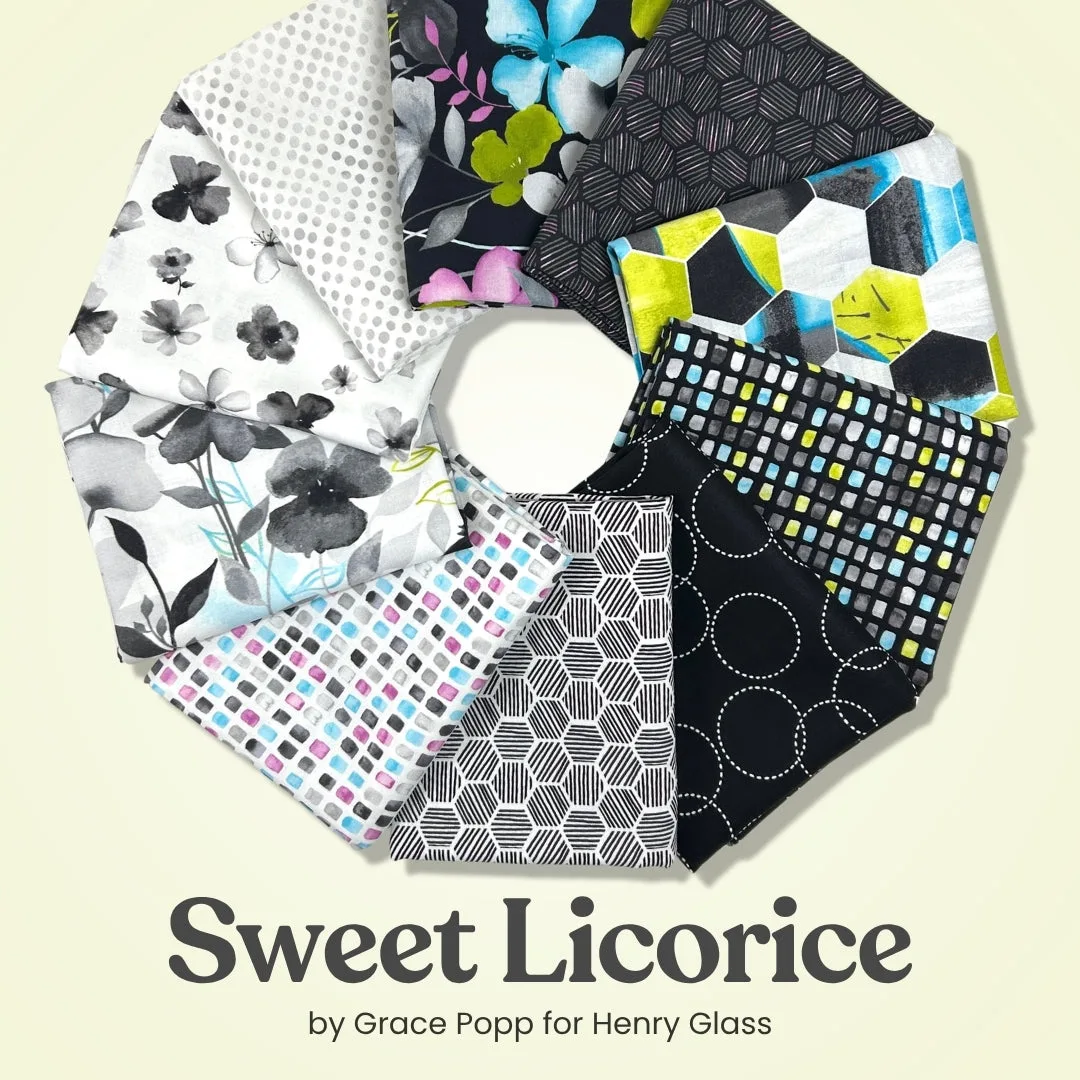
- If you want a fast, coordinated start: Buy a curated half-yard bundle that already includes teal, purple, and neutral prints, such as the Sweet Licorice Half Yard Bundle. Add one wide backing and one background fabric. This is the lowest-risk path when you are short on time or shopping online.
- If you already have a feature print: Pull three to five colors directly from that print and match them with blenders. Keep the feature print large-scale and all supporting fabrics medium or small. You will spend less and end up with a more cohesive quilt than if you shop color by color.
- If your quilt is larger than a throw: Choose a 108-inch wide backing in a single color or subtle texture. Confirm the product is sold as a continuous cut before ordering, because some yardage is cut in one-yard increments and may not arrive as one piece. Wide backing reduces seams and keeps the back from competing with a busy peacock top.
- If you are unsure about value contrast: Photograph your fabric pull in black and white. If the teal, purple, and neutral all read as the same gray, swap one for a clearly lighter or darker fabric. Value contrast matters more than exact hue matching for a peacock palette that reads well from a distance.
- If you are buying online without a scale reference: Order a small cut of the feature print first, or choose a bundle with a known mix of scales. Treat the product photo as a color guide and the listed content and cut size as the reliable facts. A small test cut prevents a large mistake on a print that turns out bigger or smaller than expected.
Catalog fabrics that fit a peacock palette
- Reef Underwater Texture Black 108" Wide Backing Fabric - REEW6155 KS - 3 YARD - P and B: A continuous THREE yard cut of 108" wide Reef Underwater Texture Black from P&B Textiles, 100% cotton, measuring 108" x 108". A black wide backing frames a teal and purple top and comes as one continuous piece, so you can avoid piecing the back of a large quilt.
- Spotted Graffiti Spring Lilac 108" Wide Backing Fabric - 53442DW-10DES - 3 YARD - Windham Fabrics: A continuous THREE yard cut of 108" wide Spotted Graffiti Spring Lilac from Windham Fabrics, 100% cotton, measuring 108" x 108". A lilac wide backing gives a softer, lighter back that still echoes the purple side of a peacock palette, and the continuous cut keeps the back simple.
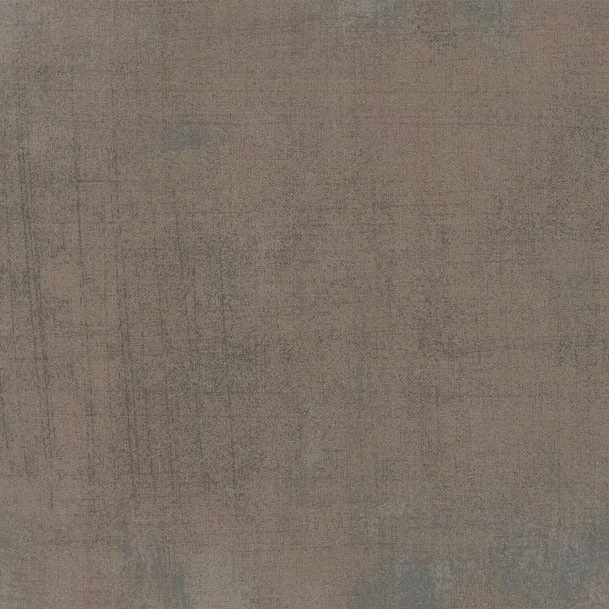
- Grunge Maven Taupe 30150-373: Grunge Maven Taupe by Basic Grey for Moda, 30150-373, 1 yard, 100% cotton. Fabric is cut in 1 yard increments, not continuous. A taupe grunge blender can anchor teal and purple without introducing a new hue, but because it is cut in one-yard increments, order carefully if you need one long piece.
- Sweet Licorice Half Yard Bundle: Sweet Licorice Half Yard Bundle by Grace Popp for Studio E Fabrics blends sophisticated neutrals with vibrant pops of color, featuring a curated mix of black, white, and gray prints accented with bright hints of teal, lime, and magenta. This bundle already includes teal and magenta accents with black, white, and gray neutrals, so it can serve as the core of a peacock palette without extra matching.
Who this peacock palette approach fits
Best for
- Quilters who want a jewel-tone quilt with teal and purple but need a clear buying order
- Shoppers choosing a wide backing and blenders online without seeing the fabric in person
- Quilters using a half-yard bundle to start a coordinated palette quickly
Not for
- Quilters who want a scrappy, many-color quilt where every fabric is a different hue
- Shoppers who need an exact color match to a paint chip or a specific peacock photo
- Quilters who prefer to buy all fabric in one continuous cut, since some basics are cut in one-yard increments
A peacock quilt comes together when you choose one dominant teal, one purple accent, and a neutral that separates them. Pick your feature print first, add blenders in two scales, and choose a wide backing that repeats the dominant color. If you want a head start, a curated half-yard bundle plus a 108-inch wide backing gives you a coordinated palette with fewer decisions.