Quick Answer
For a toddler's first ride-on toy, choose a stable, age-appropriate option like a push tricycle if they're under 3, and consider a skateboard only if they show strong balance and you're ready to supervise closely.
Why Age and Development Stage Matter
Toddlers develop balance and coordination at different rates. A ride-on toy that's too advanced can frustrate them, while one that's too simple won't hold their interest. Matching the toy to their current abilities ensures a positive experience that builds confidence.
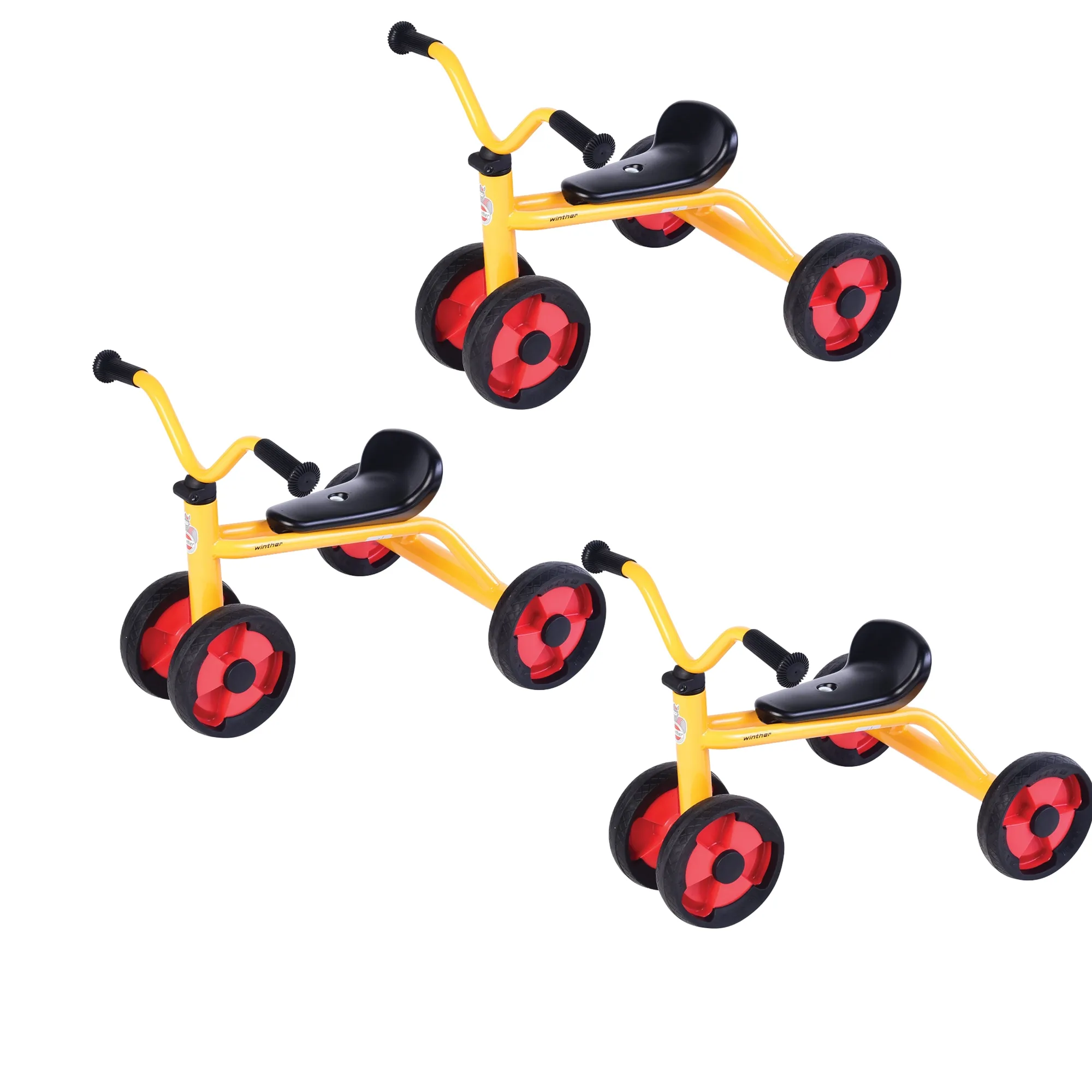
For example, a tricycle with a push handle lets you guide the ride while your child learns to pedal, making it ideal for younger toddlers. A skateboard, on the other hand, requires more independent balance and is better suited for older kids who have already mastered walking and running confidently.
Safety First: What to Look For
Safety is non-negotiable. Look for ride-on toys with sturdy construction, stable bases, and no sharp edges. For tricycles, consider features like training wheels and a push handle that gives you control. For skateboards, ensure the deck is wide enough for small feet and the wheels are designed for smooth, stable rides.
Always supervise toddlers during play, especially with ride-on toys that can pick up speed. Helmets are a good idea for any wheeled toy, even at low speeds.
The Trade-Off: Tricycle vs. Skateboard
Tricycles offer more stability and are easier for toddlers to learn pedaling and steering. They also allow you to push and control the ride, which is great for parents. Skateboards, however, are more compact and can be used on various surfaces, but they require more balance and coordination, making them better for older toddlers.
If you're looking for a toy that grows with your child, a 4-in-1 tricycle can convert to different modes, offering longer usability. A skateboard, while fun, may be outgrown sooner in terms of skill development.
Decision Rules for Choosing a First Ride-On Toy
- Age 18-24 months: Choose a tricycle with a push handle and training wheels, like the 4-in-1 model, so you can steer and push while your child learns to pedal. Ensure the handle is comfortable for you to push for extended periods.
- Age 2-3 years: If your child shows strong balance and coordination, consider a classic tricycle without a handle for independent riding, but always supervise. Look for a tricycle with a low step-through frame for easy mounting.
- Age 3+ with good balance: A skateboard can be a fun next step, but only if your child can confidently run and stop. Start on flat, smooth surfaces and always use a helmet. Check the skateboard's weight limit to ensure it fits your child's size.
Product Facts
-
4-in-1 Tricycle with Push Handle & Training Wheels - Ocean: This 4-in-1 convertible tricycle with handle and training wheels is designed to grow with your child, promoting balance and motor skills. It offers multiple riding modes, making it a long-lasting investment that adapts as your toddler's skills improve.
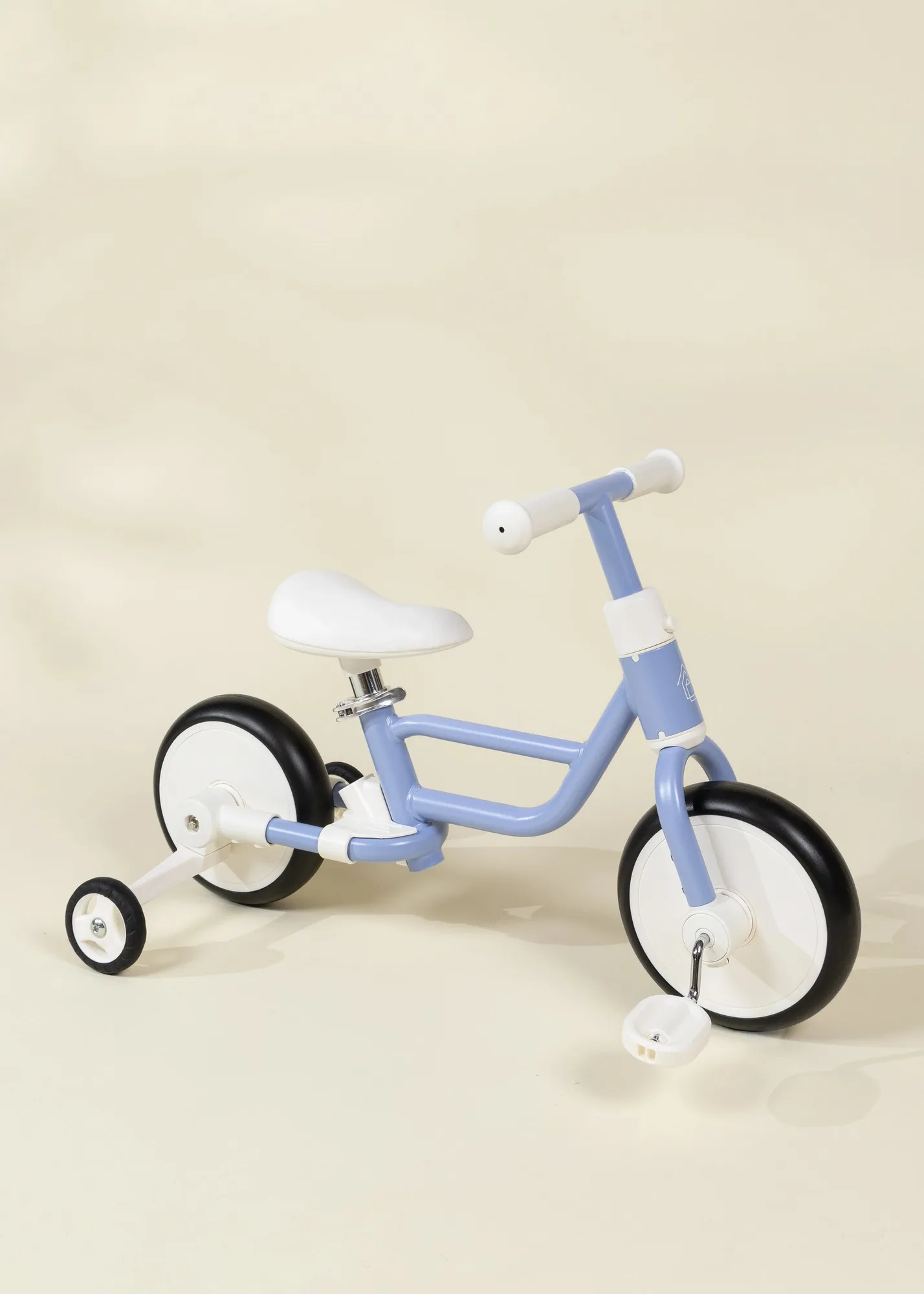
4-in-1 Tricycle with Push Handle & Training Wheels - Ocean
-
Kids’ Pintail Cruiser Skateboard–Glow in the Dark: This glow-in-the-dark polypropylene skateboard is strong, stable, and designed as a first skateboard for kids to ride with confidence day or night. The stable deck and glow feature add fun and visibility, but it's best for older toddlers who have already developed good balance.
Kids’ Pintail Cruiser Skateboard–Glow in the Dark
Kids’ Pintail Cruiser Skateboard–Glow in the Dark
Who This Guide Is For
Best for
- Parents of toddlers aged 18 months to 3 years looking for a first wheeled toy
- Families who want a ride-on toy that supports balance and coordination development
Not for
- Parents of children under 18 months who are not yet walking steadily
- Families seeking a high-speed or off-road ride-on toy for older kids