Quick Answer
For most quarterbacks, a 7x7-foot football throwing net with a sturdy frame and multiple target pockets offers the best balance of portability and realistic practice. Choose a smaller net only if space is very limited or you focus on short throws; choose a larger barrier net if you need to protect surroundings or practice with multiple players.
A football throwing net is more than a backyard accessory; it's a personal quarterback coach that lets you work on accuracy and arm strength without a receiver. But with so many sizes, frame types, and target configurations, choosing the right one can feel overwhelming. This guide breaks down the key features and gives you clear decision rules so you can invest in a net that matches your skill level, space, and training goals.
Whether you're a youth player just learning to throw spirals or a high school QB preparing for game pressure, the right net will help you hit your throwing windows consistently. We'll cover what to look for in size, frame stability, and target pockets, and we'll reference real products from Zelus Fitness to illustrate the options.
Size Matters: How Big Should Your Football Throwing Net Be?
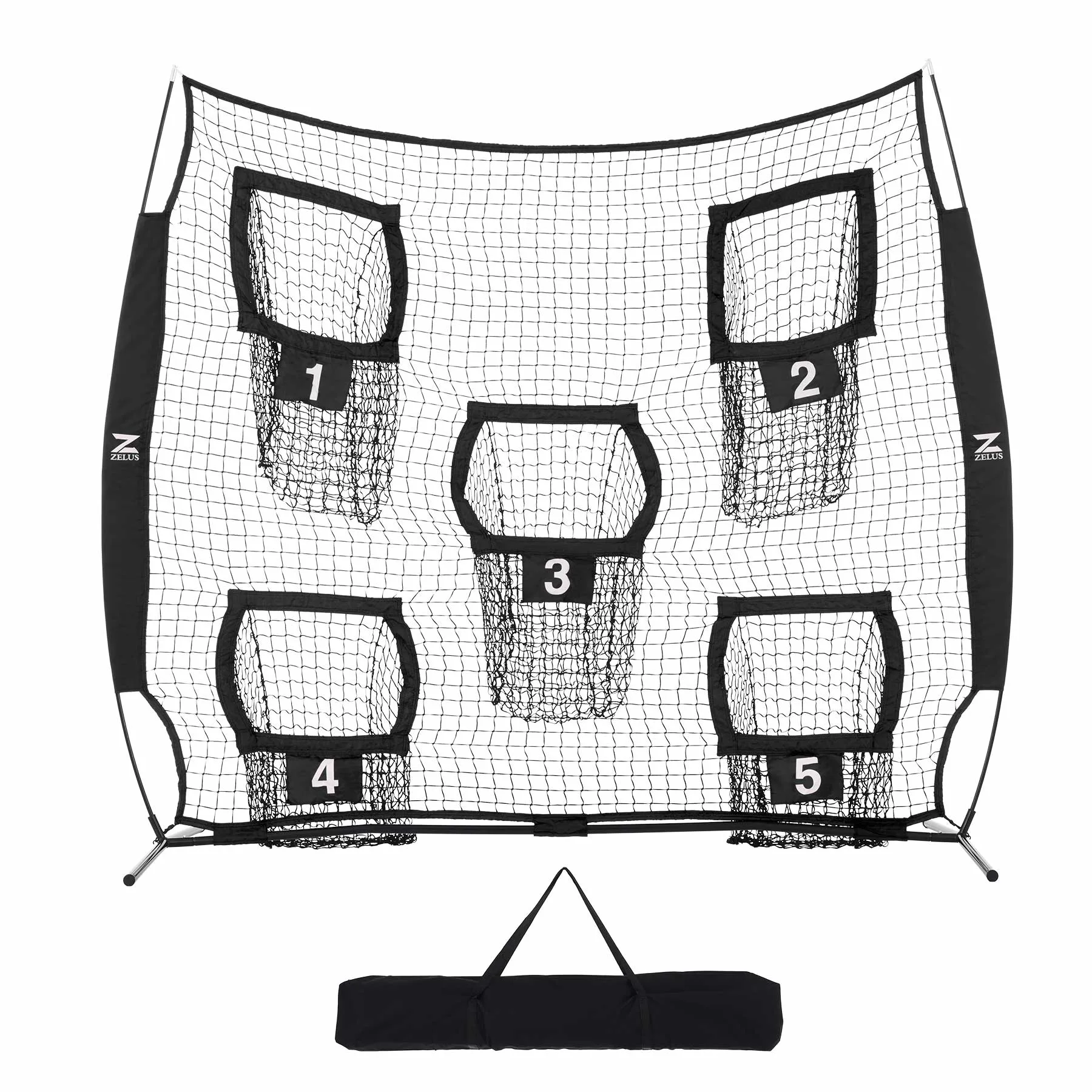
The size of your throwing net directly affects the types of throws you can practice. A 7x7-foot net, like the Zelus Rugby Throwing Net 7x7 ft Football Throwing Net- Red, is a popular choice because it offers a large target area for long, medium, and short passes. This size is ideal for quarterbacks who want to simulate real throwing windows and work on accuracy across the field.
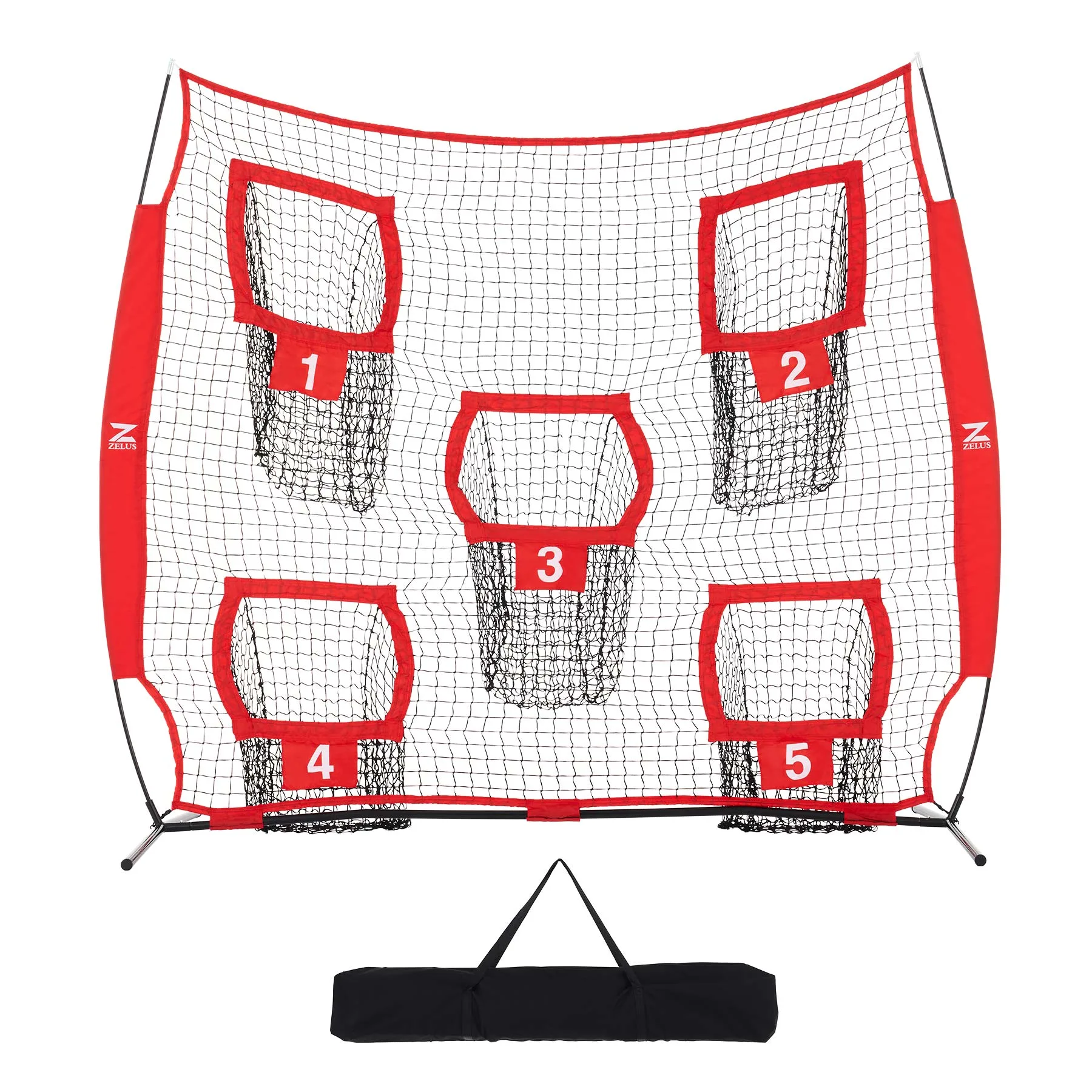
Rugby Throwing Net 7x7 ft Football Throwing Net- Red
If you're a youth player or have limited space, you might consider a smaller net, but be aware that a net that's too small can restrict your practice. For most players, a 7x7-foot net provides enough vertical and horizontal space to practice different pass types without being too bulky to set up and store. Always measure your practice area before purchasing to ensure the net fits comfortably.
- Consider the distance you'll be throwing from: a 7x7 net works well for throws from 10 to 20 yards.
- If you plan to practice deep throws, a larger net (like 12x9) gives a bigger target, but requires more space.
Frame Types: Portability vs. Stability
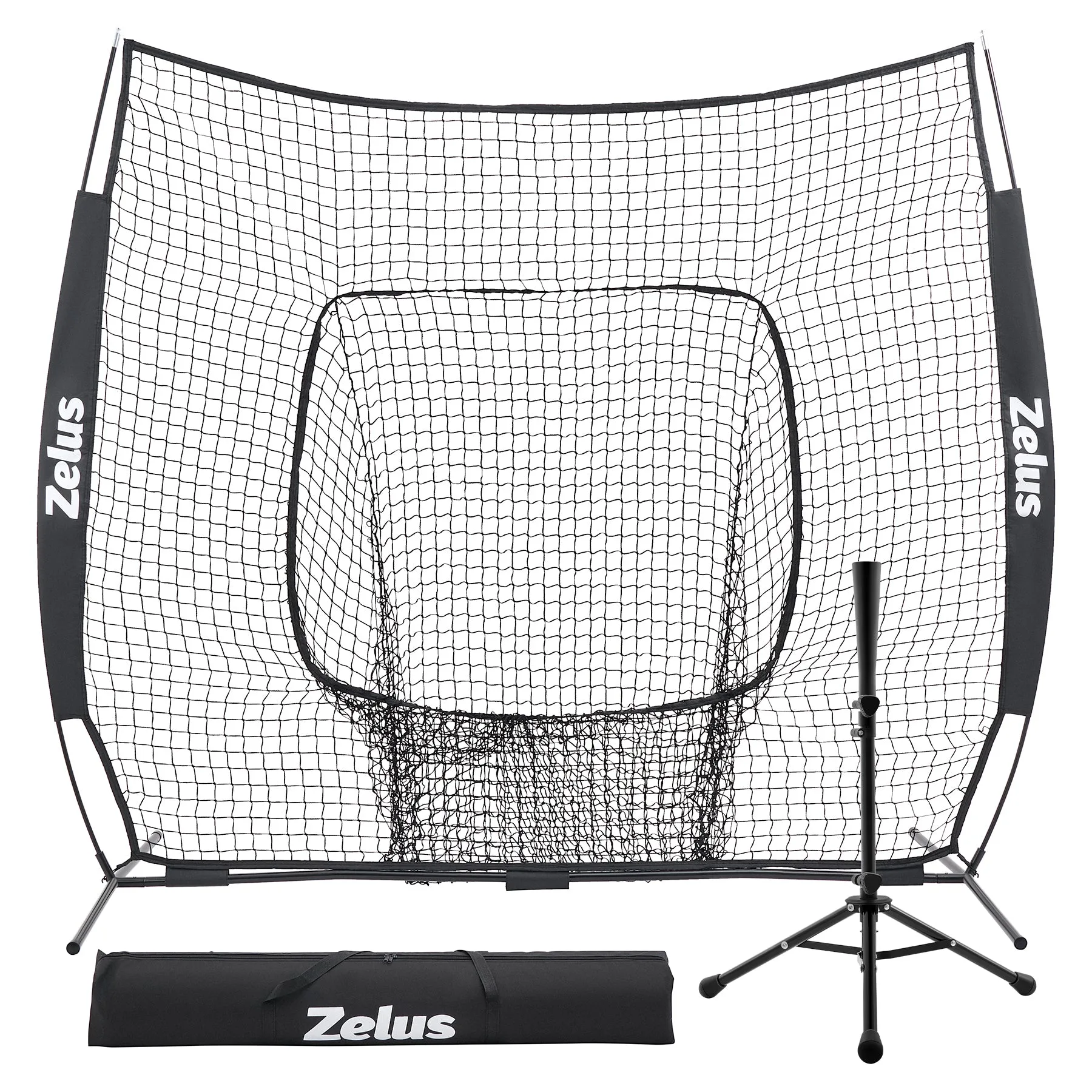
The frame determines how easy the net is to set up, move, and how well it stands up to hard throws. Pop-up nets, like the 7x7ft Baseball Net for Hitting and Pitching Practice and Training, are designed for quick setup and tear-down without tools, making them ideal for athletes who need to transport their net to a field or park. However, these frames may be less stable in windy conditions or with very hard throws.
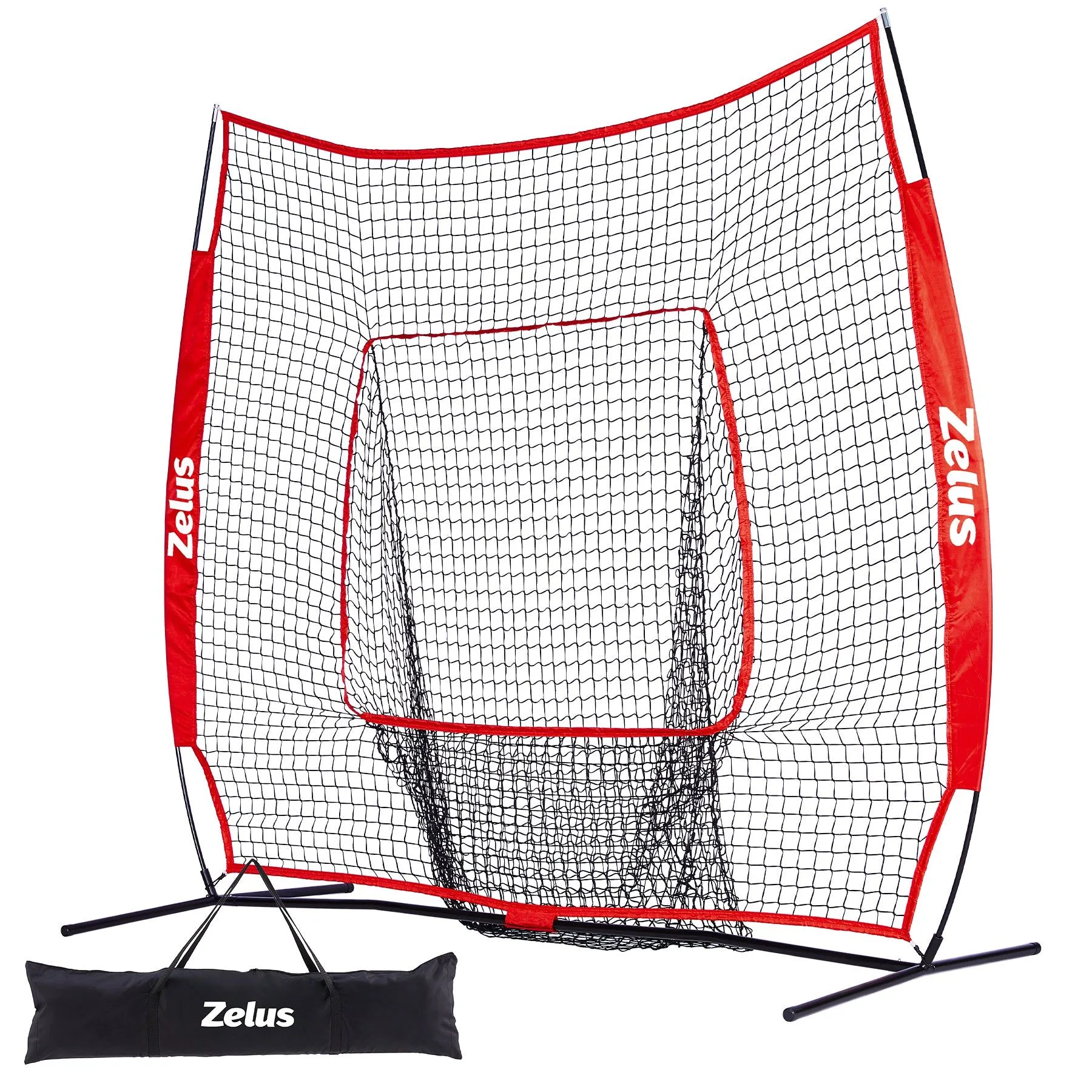
7x7ft Baseball Net for Hitting and Pitching Practice and Training
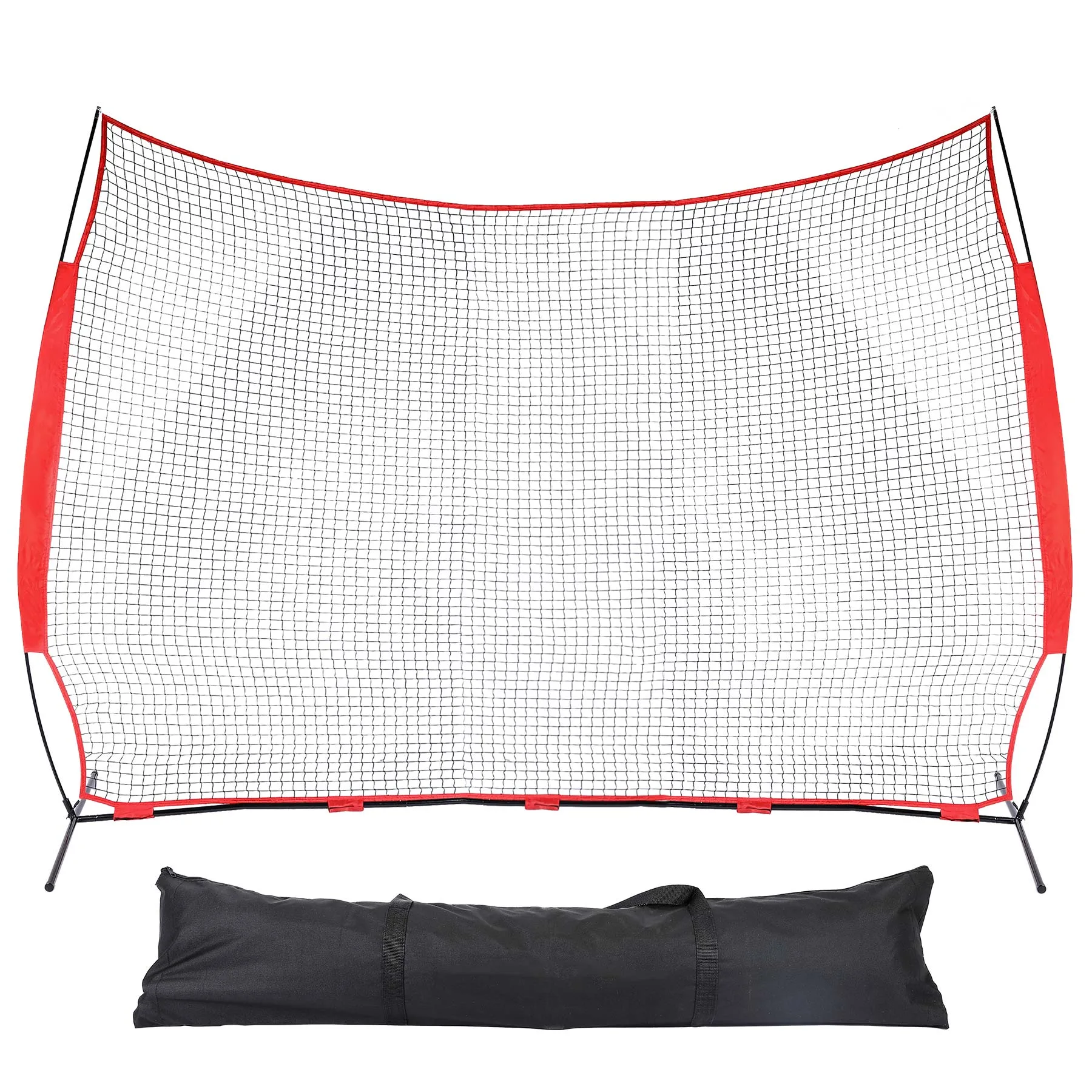
On the other hand, a more rigid frame with a larger base, like the 12x9ft Barricade Backstop Net, offers greater stability and can withstand high-velocity impacts. This type of frame is better for stationary home setups where you don't need to move the net frequently. Trade-off: portability comes at the cost of some stability, and vice versa. Think about where you'll practice most often and how much you value quick setup.
- If you practice alone and need to move the net often, choose a pop-up frame.
- If you have a dedicated practice area and want maximum durability, opt for a sturdier frame.
Target Pockets: Train Accuracy Like a Pro
Target pockets are the most valuable feature for quarterbacks. They simulate the receiving zones you need to hit in a game. The Zelus Rugby Throwing Net 7x7 ft Football Throwing Net- Red includes 5 integrated target pockets in key receiving locations, allowing you to practice hitting specific spots at different depths. This is far more effective than just throwing into a blank net.
When choosing a net, look for target pockets that are positioned at various heights and distances to mimic real route patterns. Some nets have pockets that are too small or too close together, which can be frustrating. Make sure the pockets are large enough to catch the football and visible enough to aim at. The number of pockets matters too: 5 pockets give you more variety than 2 or 3.
- Check that target pockets are placed at different heights to practice both low and high throws.
- Consider nets with removable or adjustable targets for more flexibility.
Decision Rules for Choosing a Football Throwing Net
- If you are a youth player or beginner focusing on fundamentals: Choose a net that is easy to set up and not too large. A 7x7-foot net with target pockets is sufficient for learning proper throwing mechanics and short to medium passes. Start with a portable 7x7 net to build confidence without overwhelming space requirements.
- If you are an experienced QB practicing game-like scenarios: Opt for a net with multiple target pockets (at least 5) and a stable frame to handle hard throws. Consider a 7x7 net with integrated targets for realistic practice. Prioritize target pocket variety and frame stability to simulate real throwing windows.
- If you have a dedicated backyard or indoor space and want maximum durability: Invest in a larger, more robust net like a barricade backstop net. Its heavy-duty netting and sturdy frame can withstand frequent, high-velocity throws and provide a larger target area. Choose a stationary, larger net if you don't need portability and want long-term durability.
Product Facts to Consider
- Rugby Throwing Net 7x7 ft Football Throwing Net- Red: PERSONAL QB COACH: Zelus's 7'x7' football practice net is the perfect training aid for improving your throws on long, medium, and short yardage passes, preparing you to hit your throwing windows when the pressure’s on. HELPFUL TARGET POCKETS: Our football throwing net features 5 integrated target pockets in key receiving locations for effective training, allowing you to boost your passing strength and accuracy from... This net is designed specifically for quarterbacks, with multiple target pockets to simulate real receiving spots. It's a great all-around choice for players who want to improve accuracy on various pass distances.
- 12x9ft Barricade Backstop Net, Ball Sports Barrier Net: Features: PERSONAL COACH: Zelus's 7x7-foot baseball and softball practice net is the training aid you need to improve your pitching, batting, and other fundamentals or to raise up the next generation of great players. DURABLE NETTING: Our backstop net features 5-ply 1.75-inch knotless netting to handle your hardest hits; double-stitched seams offer extra durability no matter how hard you throw or toss. STURDY &... While marketed for baseball, this larger net offers superior durability and stability, making it a good option for football training if you need a bigger target area and plan to throw hard. Its sturdy build can handle repeated impacts without tipping over.
Who Should Use Which Net?
Best For
- Quarterbacks of all levels who want to improve accuracy and throwing mechanics with a dedicated training net.
- Players who practice alone and need a portable net that can be set up quickly in different locations.
Not For
- Athletes who need to practice with a partner or throw into a net that also protects bystanders; a larger backstop net is more suitable.
- Those with very limited storage space; a 7x7 net may still be bulky, so consider a pop-up design that folds flat.
Choosing the right football throwing net comes down to balancing size, frame stability, and target features. For most quarterbacks, a 7x7-foot net with multiple target pockets and a sturdy frame offers the best combination of portability and realistic training. If you need a larger target or plan to practice with others, consider a bigger backstop net. Use the decision rules above to find the net that fits your space, skill level, and practice goals, and you'll be well on your way to sharper throws and better accuracy.