Quick Answer
For cream and liquid foundations, choose a brush with densely packed, synthetic bristles that are soft and flexible. A domed or rounded brush works well for buffing product into the skin, while a flat or paddle brush is better for stippling and building coverage. Consider your desired finish and application speed to decide between these shapes.
Choosing the right foundation brush for cream and liquid formulas can make the difference between a flawless base and a streaky mess. Unlike powder brushes, which need to be fluffy and loose, brushes for liquid and cream formulas need to be dense enough to move product without absorbing too much, and they need to be made of synthetic bristles to avoid soaking up the product and leaving streaks.
In this guide, we'll break down the key factors to consider—brush shape, density, and bristle type—and offer practical tips for getting the most out of your brush. We'll also highlight a few specific brushes that excel with cream and liquid foundations, so you can make an informed choice.
Brush Shape: Domed vs. Flat vs. Angled
The shape of the brush head determines how the foundation is applied and the finish you achieve. Domed brushes, like the M105 Large Domed Foundation & Body Brush, have a rounded, fluffy head that is ideal for buffing and blending. The dome shape allows you to work product into the skin in circular motions, which helps create an airbrushed, seamless finish. This shape is particularly good for medium-to-full coverage and works well with both cream and liquid formulas.
Flat or paddle brushes, on the other hand, have a flat, dense head that is perfect for stippling or patting on foundation. This technique involves dabbing the brush onto the skin, which builds coverage without disturbing the layers underneath. Flat brushes are great for achieving a high-coverage, flawless finish, especially with liquid foundations. Angled brushes, like the Morphe X Ariel A24 Signature Foundation Brush, feature a slanted edge that allows for more precise application, especially around the nose and eyes, and can also be used for contouring.
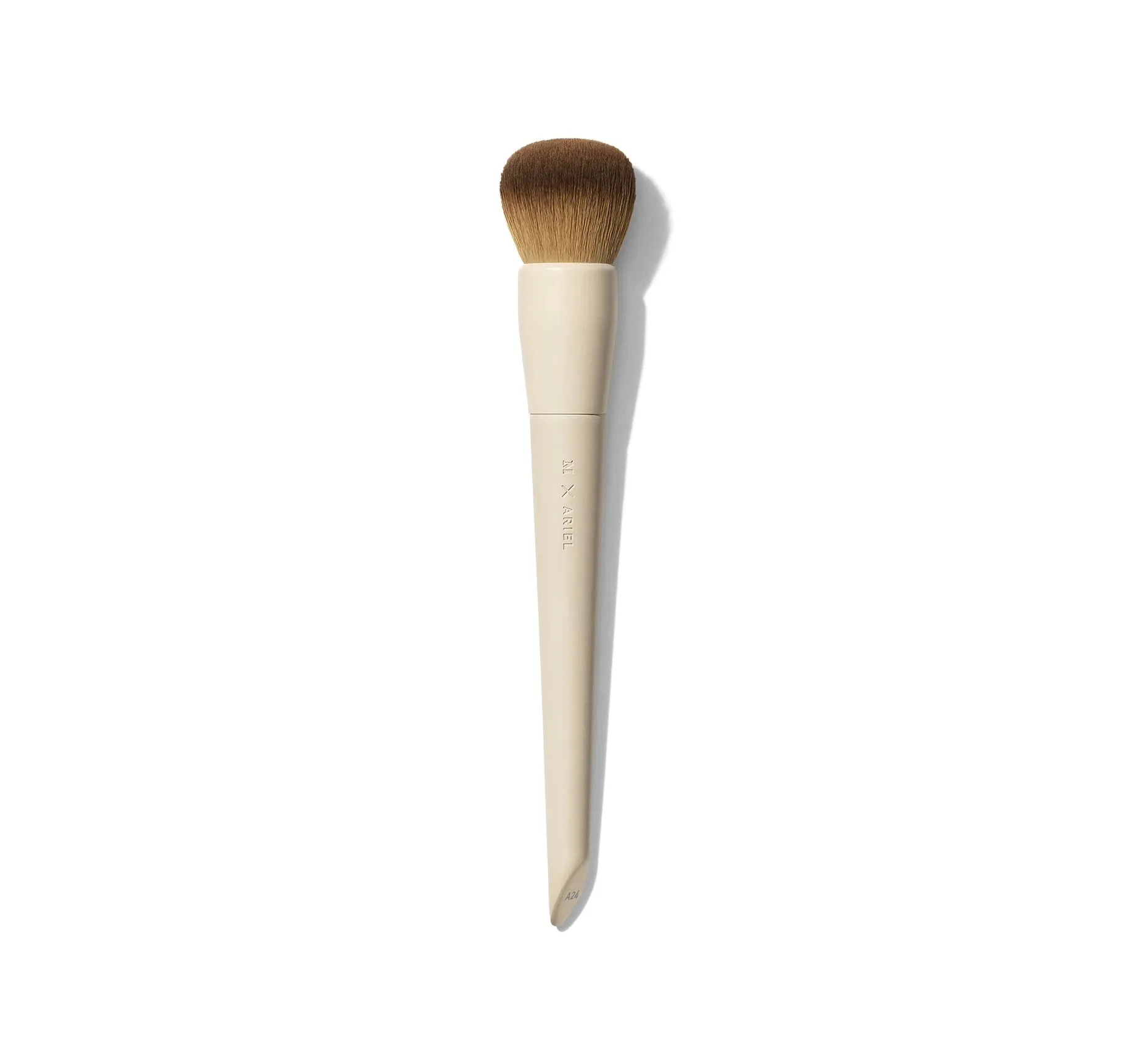
Morphe X Ariel A24 Signature Foundation Brush
- Domed brushes: best for buffing and a natural finish.
- Flat brushes: best for stippling and full coverage.
- Angled brushes: best for precision and contouring.
Brush Density and Bristle Type
Density refers to how tightly packed the bristles are. For cream and liquid formulas, you want a brush that is dense enough to move the product without absorbing it. Dense brushes, like the M301 Small Paddle Packer Eyeshadow Brush (though designed for eyeshadow, its dense packing principle applies), provide more control and help achieve a smooth, even layer. However, a brush that is too dense can sometimes leave streaks if you don't blend quickly, so look for a balance.
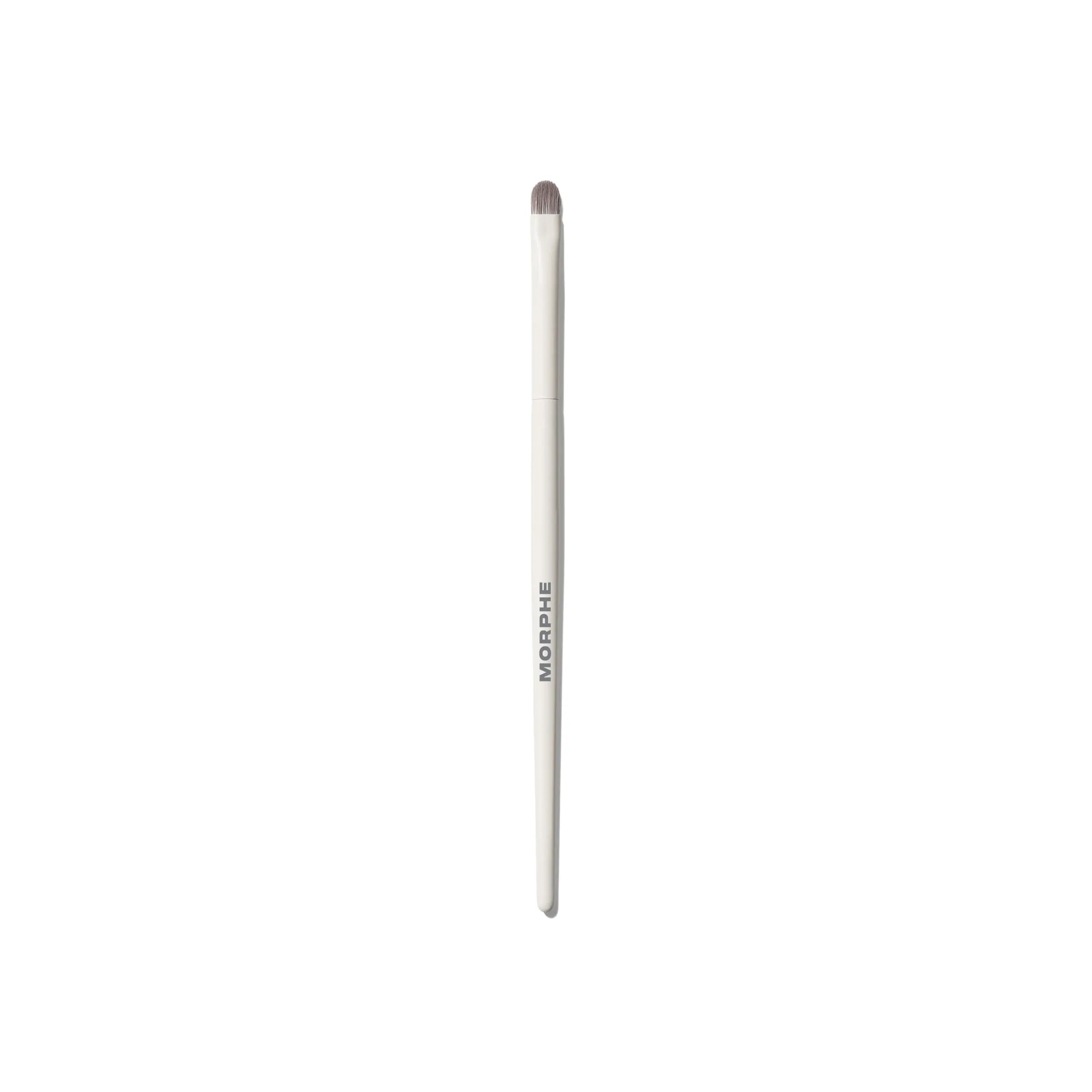
M301 Small Paddle Packer Eyeshadow Brush
Bristle type is equally important. Synthetic bristles are the best choice for liquid and cream products because they don't absorb the product, making them easier to clean and more hygienic. They also tend to be softer and more flexible, which helps with blending. Natural bristles, in contrast, are more porous and can absorb product, leading to waste and uneven application. Always check the brush description for 'synthetic' or 'vegan' bristles when shopping for a foundation brush.
- Dense bristles: more control and coverage, but blend quickly to avoid streaks.
- Synthetic bristles: best for liquid/cream, easy to clean, and product-friendly.
Application Techniques for Cream and Liquid Formulas
The way you apply foundation with a brush can significantly impact the finish. For a natural, skin-like finish, use a domed brush and work in small, circular motions, starting from the center of your face and blending outward. This technique, known as buffing, helps press the product into the skin and minimizes the appearance of pores.
If you prefer a full-coverage, airbrushed look, try stippling with a flat or domed brush. Dip the brush into the foundation, then dab it onto your skin in a stippling motion—this builds coverage without moving the product around too much. For hard-to-reach areas like the nose and around the eyes, an angled brush can provide more precision. Remember to work in sections and blend well to avoid visible lines.
- Buffing: circular motions for a natural finish.
- Stippling: dabbing motions for full coverage.
- Use an angled brush for precision areas.
Decision Rules for Choosing a Foundation Brush
- If you want a quick, natural finish: Choose a domed brush with dense, synthetic bristles. Use circular buffing motions to blend foundation seamlessly. Opt for a domed brush like the M105 for speed and ease.
- If you prefer full coverage and precision: Select a flat or angled brush with dense bristles. Use stippling or patting motions to build coverage without streaks. An angled brush like the Morphe X Ariel A24 offers precision and control.
- If you have sensitive skin or are prone to streaks: Look for extra-soft synthetic bristles and a brush with a rounded tip to minimize irritation and ensure smooth blending. Test the brush on your hand to ensure softness before buying.
Foundation Brushes We Recommend
- M105 Large Domed Foundation & Body Brush: Applies, builds, and blends foundation. Dense brush head. Works with powders, creams, and liquids. Techniques: pressing and buffing. The supersoft, supersized head quickly covers a lot of surface. This brush is ideal for those who want a quick, seamless application for cream or liquid foundation, especially if you prefer a buffed, natural finish. Its large size also makes it great for body makeup.
- Morphe X Ariel A24 Signature Foundation Brush: Densely packed bristles and a rounded tip. Dense brush head for seamless blending. Rounded tip for hugging hard-to-reach areas. This brush offers a balance of density and shape, making it versatile for both cream and liquid foundations. The rounded tip helps you get into contours for a more precise, even application.
Which Brush Should You Choose?
Best for
- Those who want a fast, natural-looking application with minimal effort.
- Makeup enthusiasts who prefer a stippling technique for full coverage.
Not for
- Those who prefer applying foundation with a damp sponge for a dewy, sheer finish.
- People who need a brush for powder foundation only—dense synthetic brushes are not ideal for powders.
Choosing the right foundation brush for cream and liquid formulas comes down to understanding the brush's shape, density, and bristle type. A domed brush offers quick, seamless blending, while a flat or angled brush provides precision and full coverage. Always opt for synthetic bristles to avoid product waste and ensure easy cleaning. With the right brush in hand, you'll achieve a flawless, professional-looking base every time.