Quick answer
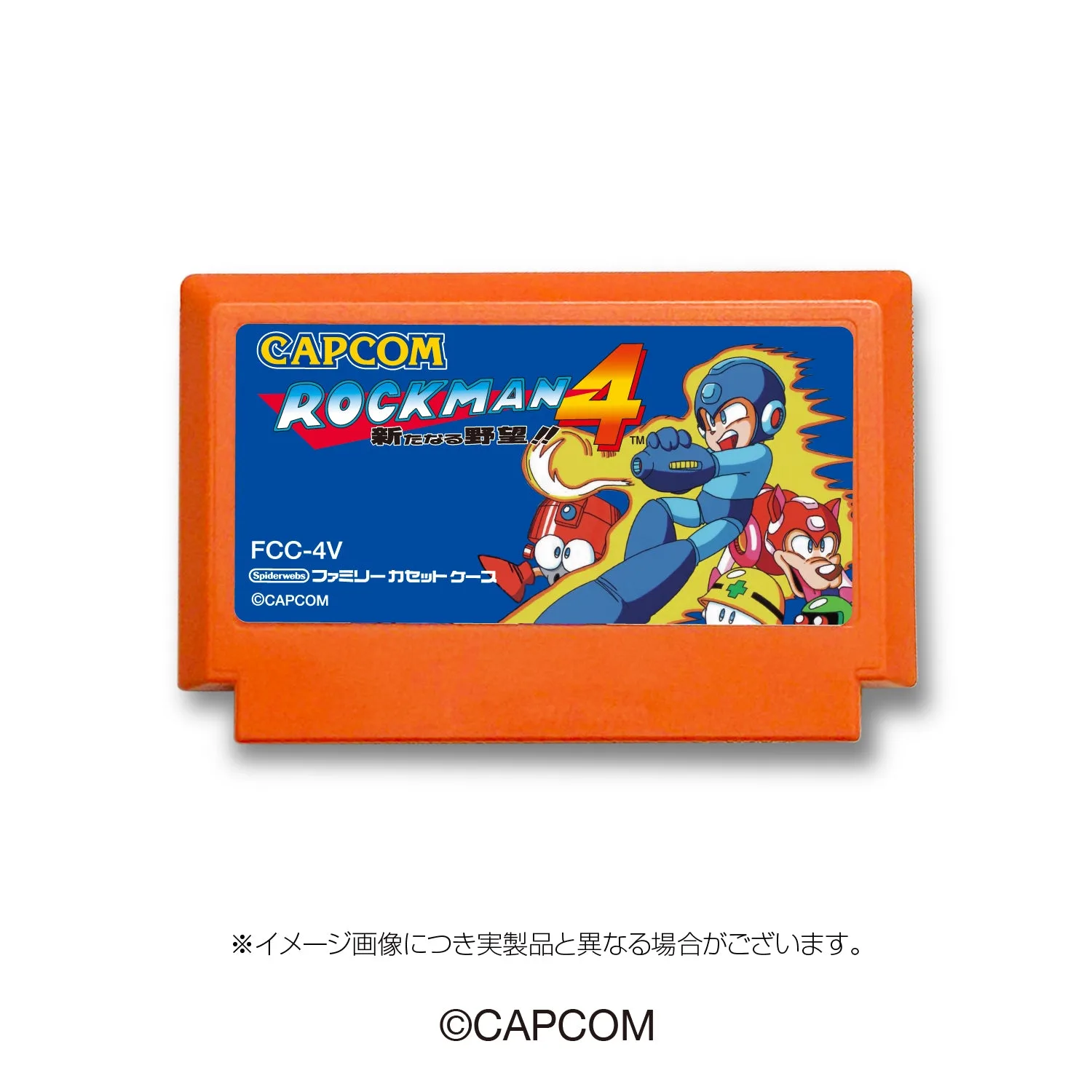
Measure your shelf and your largest cartridge first, then choose a case that matches those dimensions and holds only what you actually use. For loose Family (Famicom) cassettes, a single-cassette case like the Mega Man 4 Family Cassette Case keeps one game protected without forcing you to reorganize everything else.
Start with the space, not the case
Before you compare any storage case, measure the exact spot where it will live: shelf depth, shelf height, and the width you can spare. A case that is slightly too deep will hang off the edge; one that is too tall may not slide under a shelf lip. Write those three numbers down and treat them as hard limits, not suggestions.
Match the case to the cartridge format you own
Storage cases are built around specific cartridge shapes, so a case made for one format will not fit another. Family (Famicom) cassettes are small and flat, while Switch game cards are much thinner. If you collect across formats, decide whether you want one case per format or a mixed case that separates them. A single-format case is usually the safer choice because the internal fit is predictable.
Decide between single-game and multi-game storage
Single-game cases protect one title and make it easy to grab exactly what you want, but they multiply quickly if your collection grows. Multi-game cases save shelf space but can scratch cartridges if they are overfilled or if the inserts are loose. A practical compromise is to keep your most-played games in individual cases and store the rest in a larger box.
Check the material and closure before you buy
Durable plastic is the standard for rigid cartridge cases because it resists crushing and wipes clean. Look at how the case closes: a snap or friction fit that stays shut in a bag is better than a loose lid that opens when you tilt it. If the listing does not state the material or closure type, treat that as a missing detail and ask before ordering rather than assuming.
Plan the label and access system
A case only helps if you can find the game you want without opening five identical boxes. Label the spine or front edge with the title, and group cases by console so you are not mixing formats on the same shelf. If you rotate games often, keep the active ones at eye level and archive the rest higher up or in a drawer.
Steps to choose the right console storage case
- Measure your shelf and cartridge: Record shelf depth, height, and available width, then measure your largest cartridge. Compare both sets of numbers against the case dimensions before ordering. Checkpoint: if the case depth is within half an inch of your shelf depth, it will likely fit without overhang.
- Confirm the cartridge format: Match the case description to the exact format you own, such as Family (Famicom) cassettes or Switch cards. Do not assume a case fits multiple formats unless the listing says so. Common mistake: buying a case for the wrong format because the product photo looked similar.
- Choose single or multi-game capacity: Count how many games you need to store now and expect to add later. Pick single-cassette cases for favorites and a larger case for the rest. Checkpoint: if you are unsure, start with one single case and see how it fits your routine before buying more.
- Verify material and closure: Look for durable plastic and a closure that stays shut when tilted. If the material or closure is not listed, ask the seller rather than guessing. Common mistake: assuming a soft case offers the same crush protection as a rigid plastic one.
- Set up labels and placement: Label each case by title and group by console. Keep frequently played games at easy reach and store the rest in a consistent spot. Next step: once your cases are placed, do a quick reach test to confirm you can pull any game without moving three others.
Product facts
- Mega Man 4 Family Cassette Case: Mega Man 4 Family Cassette Case is a single-cassette storage accessory for standard Family (Famicom) cassettes, made of durable plastic, with approximate dimensions of 4.29 inches (L) x 2.76 inches (W) x 0.67 inches (D). The slim 0.67-inch depth means it fits narrow shelves, and the single-cassette format is ideal if you want one protected game rather than a large box.


