Quick answer
Choose the fabric first, then the fit, then the weight. If you layer and travel often, pick a thin stretch fleece or a light ripstop shell that packs small and slides under a jacket. If you want one hoodie for daily wear and cold-weather layering, choose a midweight stretch fleece with a smooth face. Buy the size that lets you raise your arms and wear a base layer underneath without the hem riding up.
Start with the fabric, not the look
Fabric decides how a hoodie behaves in a layer system. A thin stretch fleece adds warmth with almost no bulk and moves with you, which is why it works under a shell or over a base layer. A polyester ripstop with stretch is lighter and more wind-resistant, so it suits travel and variable weather where you want a little protection without a full jacket. A thicker fleece with a smooth outer face slides under other layers instead of bunching, but it takes more room in a bag.
Check the inside and outside of the fabric separately. A soft, warm inner face feels good against a base layer; a durable outer face resists pilling when you wear a backpack. If a product page does not list a fabric weight or a specific material name, treat that as a gap: you cannot judge warmth or packability from a photo, so ask or choose a model that states its material.
Match weight to your layer position
A hoodie can sit in three places, and each one needs a different weight. As a midlayer under a shell, keep it thin so you do not compress the insulation or restrict movement. As an outer layer on cool, dry days, a midweight fleece gives warmth without a jacket. As a travel piece, lighter is almost always better because you can add a shell on top when the weather turns.
Use one rule: if you plan to wear it under something else, it should add warmth without adding bulk. If you plan to wear it over everything, it can be warmer and more durable. Buying one hoodie for both jobs usually means accepting a compromise, so decide which role matters more before you compare options.
Fit: how a hoodie should actually sit
A layering hoodie should fit close to the body without being tight. You want enough room for a base layer underneath and full arm movement, but not so much fabric that it bunches under a jacket. The hem should stay put when you reach overhead, and the hood should sit comfortably under a shell hood without pushing your collar up.
Try the hoodie on over the base layer you actually wear. Raise both arms, then lower them and check whether the hem rides up or the shoulders pull. If the hoodie is shorter and wider, it tends to work better as a standalone piece; if it is longer and closer to the body, it layers more easily. Sleeve length matters too: cuffs should reach the wrist without covering your hands, so you can still use them with gloves.
Travel and everyday trade-offs
For travel, prioritize low weight, small packed size, and a fabric that resists wrinkles and odors. A light ripstop or thin stretch fleece usually beats a thick fleece here, because you can wear it on the plane and still layer it at the destination. For everyday wear, prioritize comfort and durability: a midweight stretch fleece with a smooth face handles repeated wear and still looks tidy.
The trade-off is real. The lightest hoodies protect less against wind and cold on their own, so you need a shell for bad weather. The warmest fleeces are the most comfortable on a cold day but take up the most space and can feel too hot indoors. If you want one hoodie for both travel and daily wear, choose a thin-to-midweight stretch fleece and treat a packable shell as the weather layer.
Decision rules for buying a hoodie
- If you layer under a shell: Choose a thin stretch fleece or light ripstop with a smooth outer face so it slides under a jacket without bunching. Checkpoint: can you raise your arms without the hem riding up?
- If you travel with one bag: Prioritize low weight and small packed size. A light ripstop hoodie works as a wind layer and layers under a shell when needed. Checkpoint: does it pack down smaller than a midweight fleece?
- If you want one hoodie for daily wear: Choose a midweight stretch fleece with a soft inner face and a durable outer face. It handles repeated wear and cold-weather layering. Checkpoint: does it feel comfortable over a base layer without being tight?
Product facts that matter for this choice
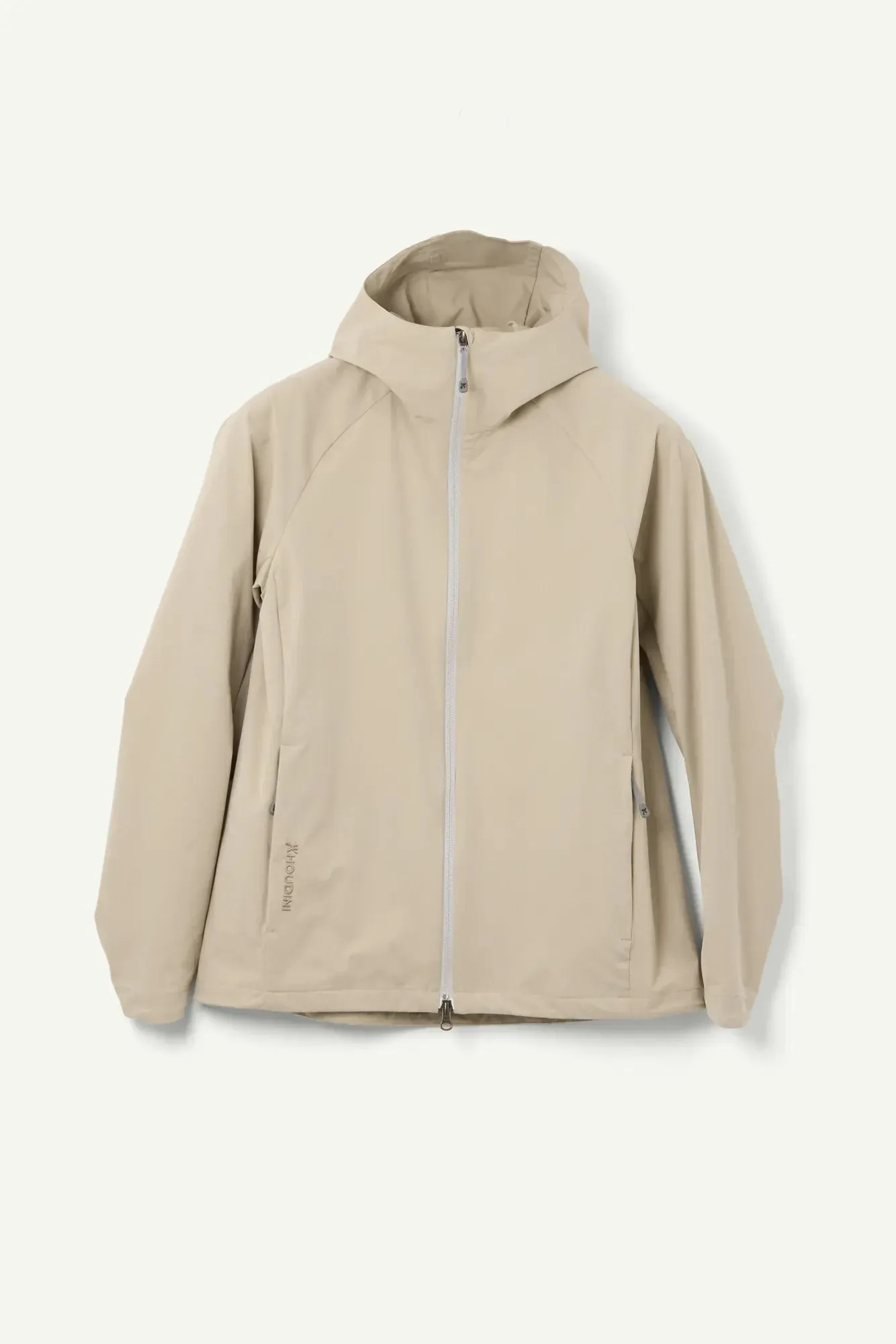
- M's Daybreak Houdi II: Made in stretchy, durable polyester ripstop and described as a thin, wind-resistant jacket for hiking, climbing, cycling, and other demanding activities, with low weight and light weather protection. This is the travel and variable-weather option: it packs small, resists wind, and layers under a shell, but it is not a warm fleece on its own.
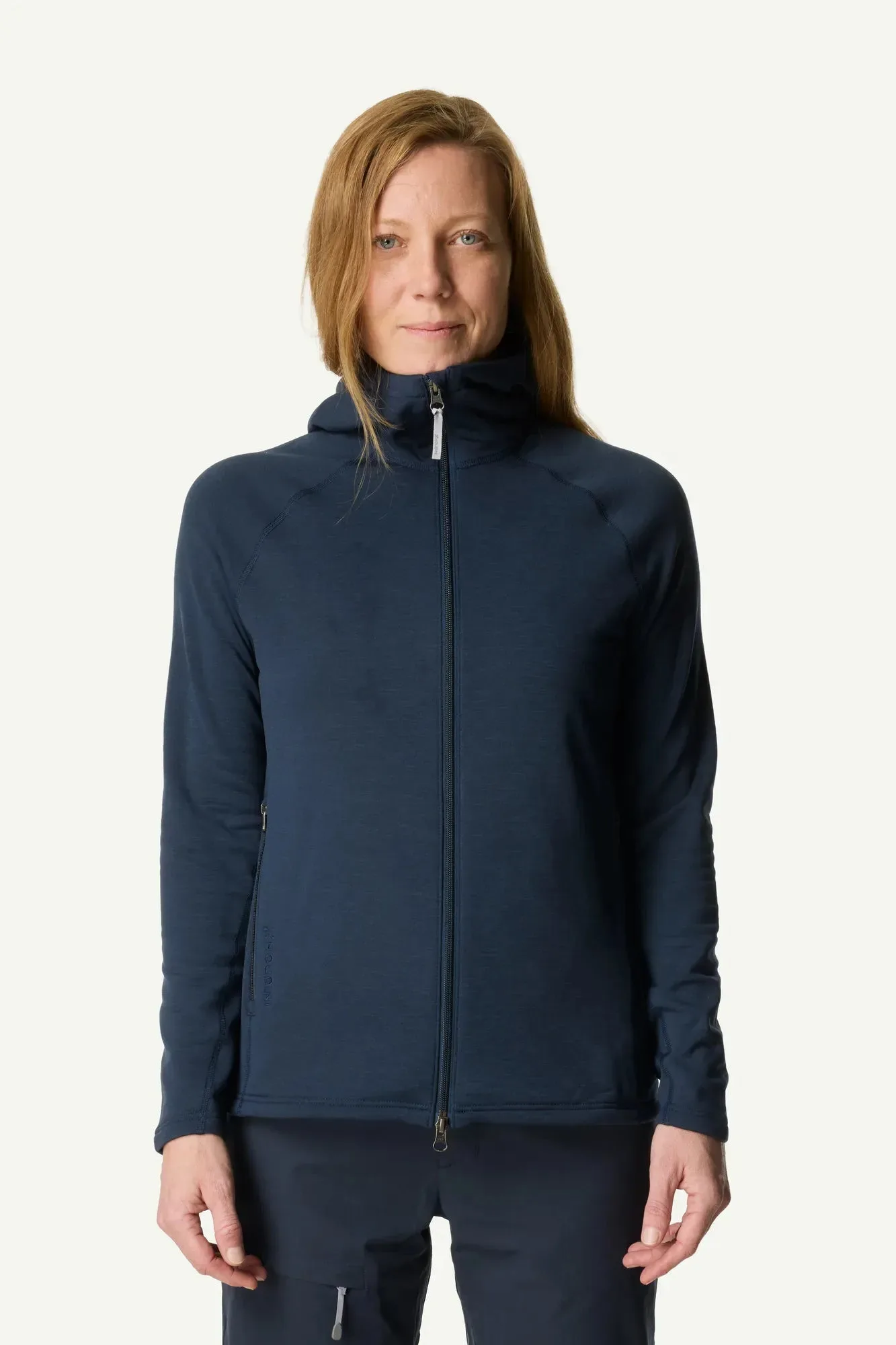
- W's Power Up Light Houdi: A women's thin fleece in Polartec® Power Stretch® Pro Light with a durable outer face and a soft inner face, with a slightly shorter and wider fit than the classic it is based on. A good midlayer for hiking, running, or cycling when you want warmth without bulk; the shorter, wider fit suits standalone wear more than tight layering.
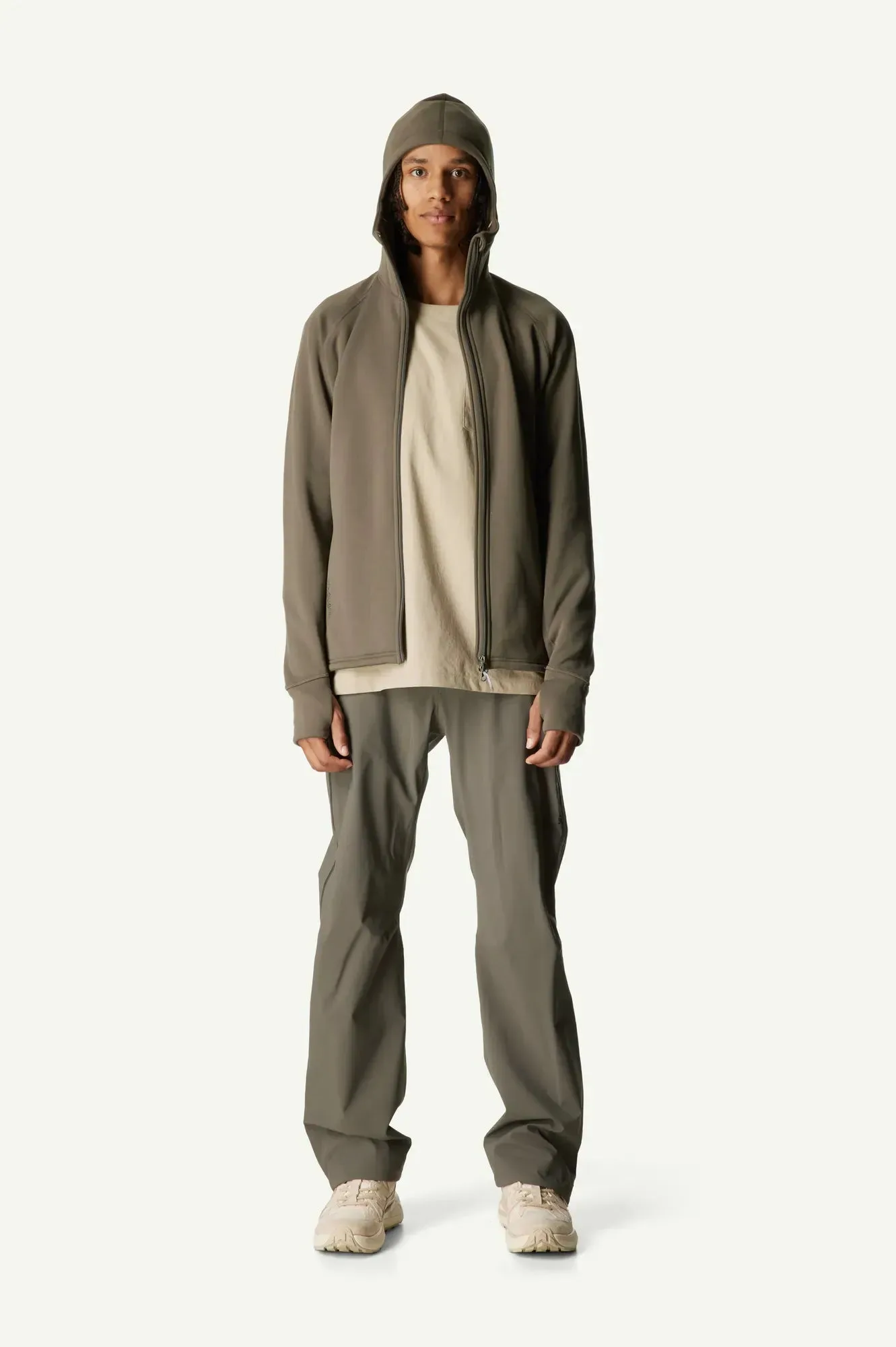
- M's Power Houdi: A hooded fleece in Polartec® Power Stretch® Pro with a smooth outer face and a warm, soft inner face, used by mountain guides, gardeners, and commuters. The everyday and cold-weather layering choice: it slides under other layers and adds real warmth, but it takes more space in a bag than a light ripstop hoodie.
Who this advice fits
Best for
- Hikers, runners, and cyclists who layer a thin hoodie under a shell
- Travelers who want one hoodie that packs small and works in changing weather
- Everyday wearers who want a durable midweight fleece for cool days
Not for
- Buyers who want a single hoodie to replace a warm insulated jacket in cold, wet conditions
- Anyone who needs a waterproof outer layer rather than a hoodie