Quick answer
Choose one focal piece, then keep the rest quiet. For most weddings, a delicate necklace or a single bracelet plus small earrings works better than a full set. Match metal to the dress code and your outfit's hardware, and prioritize comfort you can wear for six or more hours.
Wedding guest jewelry has one job: to make your outfit look intentional without pulling attention from the couple. That usually means choosing one piece to lead and letting the others support it.
The tricky part is that every wedding has different rules. A black-tie evening event and a backyard afternoon ceremony call for different metals, scales, and levels of sparkle. This guide gives you decision rules you can apply to whatever is already in your closet.
Start with the dress code, not the jewelry box
Dress code tells you how much jewelry the room expects. Black tie and formal evenings handle bolder pieces, polished metals, and more sparkle. Cocktail and semi-formal sit in the middle: one statement piece plus simple accents. Casual, beach, and daytime weddings reward lighter, smaller pieces that won't compete with a relaxed setting.
If the invitation doesn't specify a dress code, look at the venue and time. An evening hotel ballroom reads formal; a garden at 2 p.m. reads relaxed. When you're genuinely unsure, choose the quieter option. Under-accessorizing looks elegant; over-accessorizing can look like you misread the event.
- Formal or black tie: one statement piece, fine metals, minimal color contrast
- Cocktail or semi-formal: one focal piece plus small earrings or a thin bracelet
- Daytime or casual: delicate pieces, mixed textures, low sparkle
Match jewelry to your neckline
The neckline decides whether you need a necklace at all. V-necks, scoop necks, and sweethearts leave open space that a pendant or short chain can fill. High necks, halter tops, and heavily embellished bodices usually look better with earrings as the focal point and no necklace.
Off-shoulder and one-shoulder dresses draw the eye across the collarbone. A short chain or a pair of statement earrings follows that line naturally. If your dress has a busy print or heavy beading, treat jewelry as a background element and keep it simple.
- Open necklines: a pendant or short chain adds balance
- High or embellished necklines: skip the necklace, let earrings lead
- Busy prints: choose one small metallic accent, not a full set
Choose metal by outfit, not by trend
Match your jewelry metal to what's already visible on your outfit: zippers, buttons, shoe hardware, or a belt buckle. If your outfit has no visible metal, you're free to choose. Warm gold tones flatter cream, blush, olive, and earth tones; cool silver tones flatter navy, gray, black, and cool pastels.
Mixed metals are fine at most weddings as long as one metal clearly dominates. A silver ring with gold earrings can look deliberate. Equal amounts of both usually look accidental. Pick a dominant metal and let the second one appear once.
- Check shoes, bag hardware, and belt before choosing your metal
- One dominant metal plus one small accent reads intentional
- When in doubt, match the metal you wear most often
Plan for comfort across a long day
Weddings run long: ceremony, photos, dinner, dancing. Heavy earrings start to ache, loose bracelets slide, and rings that fit tightly in the morning can feel tighter after a salty meal. Choose pieces you can forget you're wearing.
For bracelets, a chain style with a secure clasp stays put through hugging and dancing. For rings, a smooth band or a low-profile design won't catch on fabric or hair. If you're between sizes, size up for event jewelry rather than down.
- Test earrings for 30 minutes before the event
- Choose secure clasps over open cuffs for dancing
- Avoid rings with high settings if you'll be hugging and moving a lot
Keep the couple's spotlight in mind
The safest rule for wedding guest accessories is to stay one step below the wedding party. If bridesmaids are wearing bold statement earrings, choose something smaller. If the couple asked guests to wear a specific color, let that color be the statement and keep jewelry neutral.
White and ivory are traditionally reserved for the couple, and that applies to accessories too. A pearl-white bag or an all-white jewelry set can read as competing. Choose cream, champagne, or a colored stone instead.
- Stay one level below the wedding party in scale and sparkle
- Avoid all-white jewelry sets at traditional weddings
- Let a requested guest color lead; keep jewelry neutral
Build the outfit in this order
Start with the dress, then shoes, then bag, then jewelry. Jewelry is the last layer because it responds to everything else. Once the outfit is on, stand in front of a mirror and remove one piece. That's usually the right amount.
For a two-piece jewelry plan, choose one piece near your face (earrings or necklace) and one on your hand or wrist (ring or bracelet). Two focal points on the same body area compete. Splitting them across areas creates balance without effort.
- Dress first, jewelry last
- One piece near the face, one on the hand or wrist
- Remove one piece before you leave the mirror
Decision rules for wedding guest jewelry
- Formal or black-tie evening: Choose one polished focal piece, such as a fine metal necklace or a single bold bracelet, and keep earrings small. Match metal to your bag or shoe hardware. If you can only add one piece, make it the one closest to your face.
- Cocktail or semi-formal: Pick a necklace or statement earrings, not both. Add one thin bracelet or ring if the outfit feels plain. Two focal points on the same body area compete; split them across face and hand.
- Daytime, garden, or casual: Choose delicate pieces in mixed textures. Pearls, thin chains, and small pendants work better than high-shine statement jewelry. If the venue is outdoors, avoid pieces that catch on light fabrics or grass.
- When the dress code is unclear: Look at the venue and time of day. Choose the quieter option and let the outfit lead. Under-accessorizing is almost always the safer mistake.
- When you want to wear a full set: Keep the set in one metal and one scale. A matching necklace, bracelet, and earrings in the same finish looks intentional; mixed finishes and sizes look accidental. If the set feels like too much, remove the necklace and keep the earrings and bracelet.
Pieces that work for wedding guest outfits
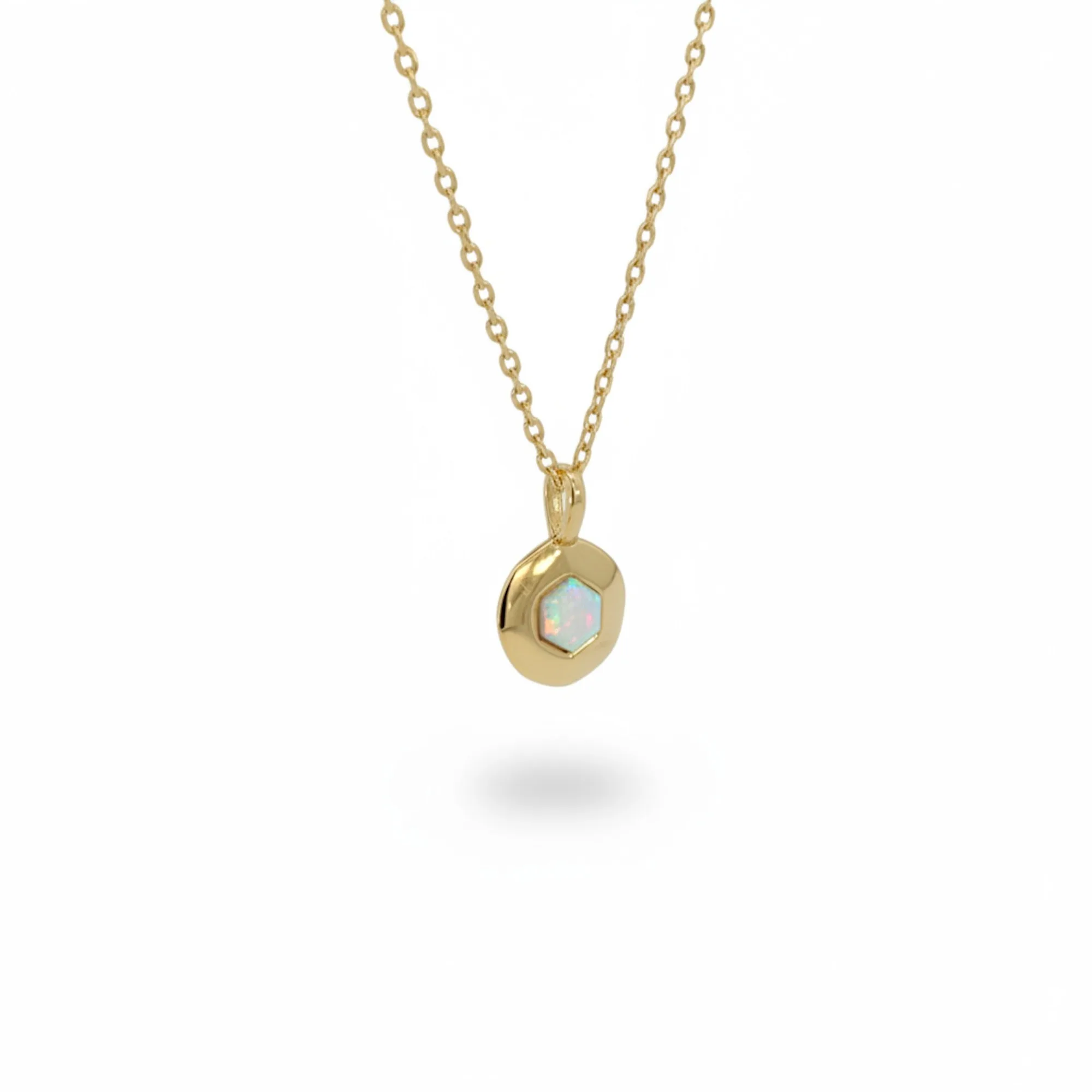
- Carla Opal Necklace: A delicate 18k gold vermeil necklace with a luminous opal centerpiece in a modern geometric pendant, designed for effortless everyday wear. The geometric pendant gives an open neckline a focal point without competing with a patterned or embellished dress, and the warm gold tone suits cream, blush, and earth-tone outfits.
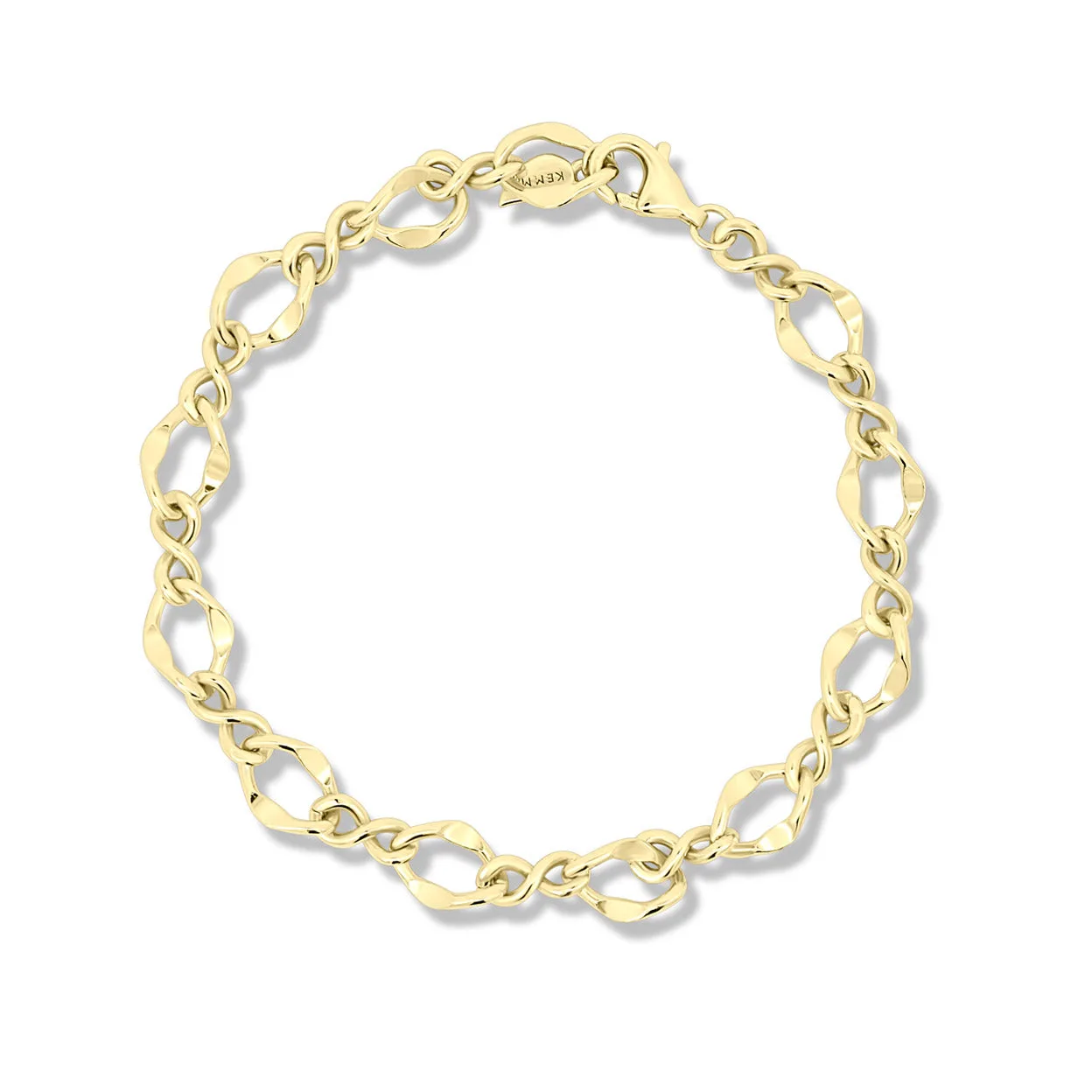
- Harper Chain Bracelet: A bold link chain bracelet available in sterling silver or 14k gold vermeil, 17cm long and 6mm wide, handmade. The secure chain style stays put through dancing and hugging, and choosing the material lets you match the metal to your outfit's hardware.
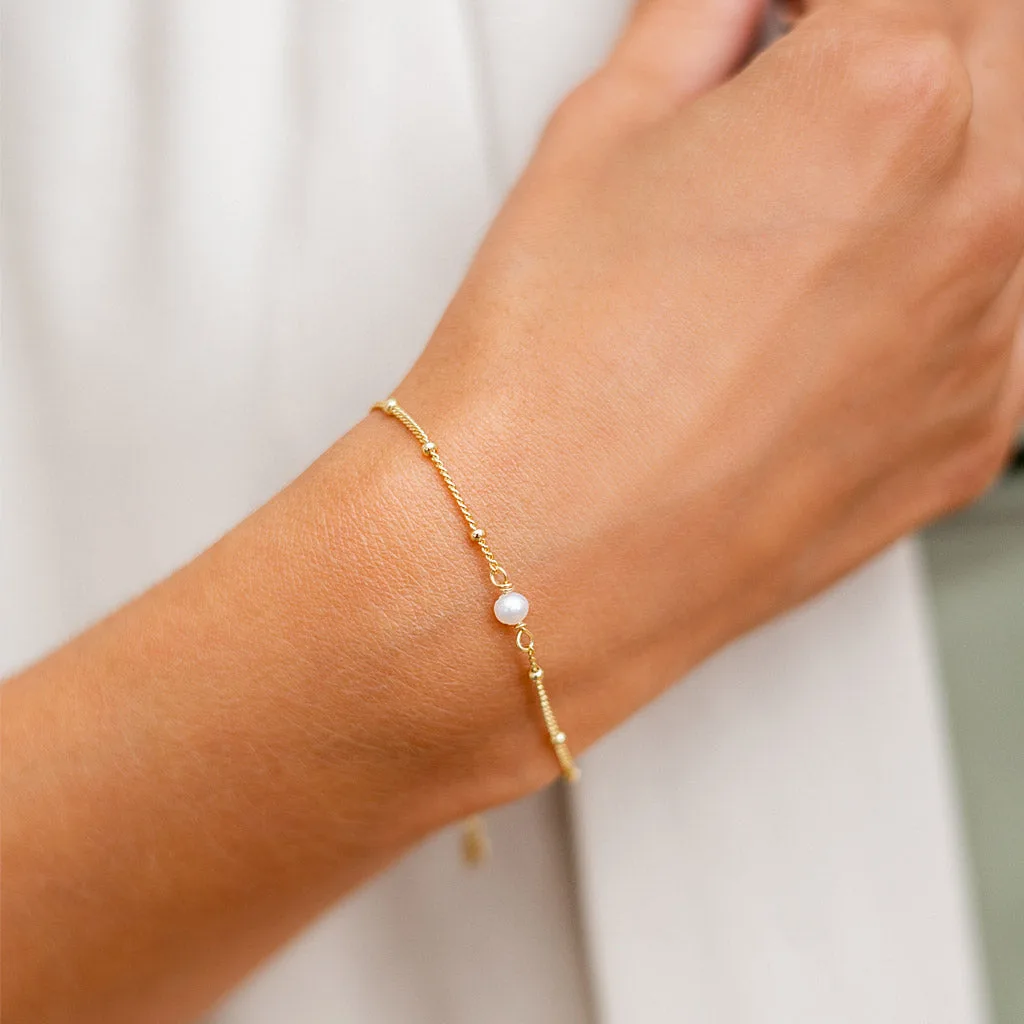
- Single Pearl Bracelet: A classy bracelet featuring natural pearls in a simple design, available in multiple materials. A single pearl reads formal without sparkle, making it a safe choice for daytime, garden, or semi-formal weddings where bold jewelry would feel out of place.
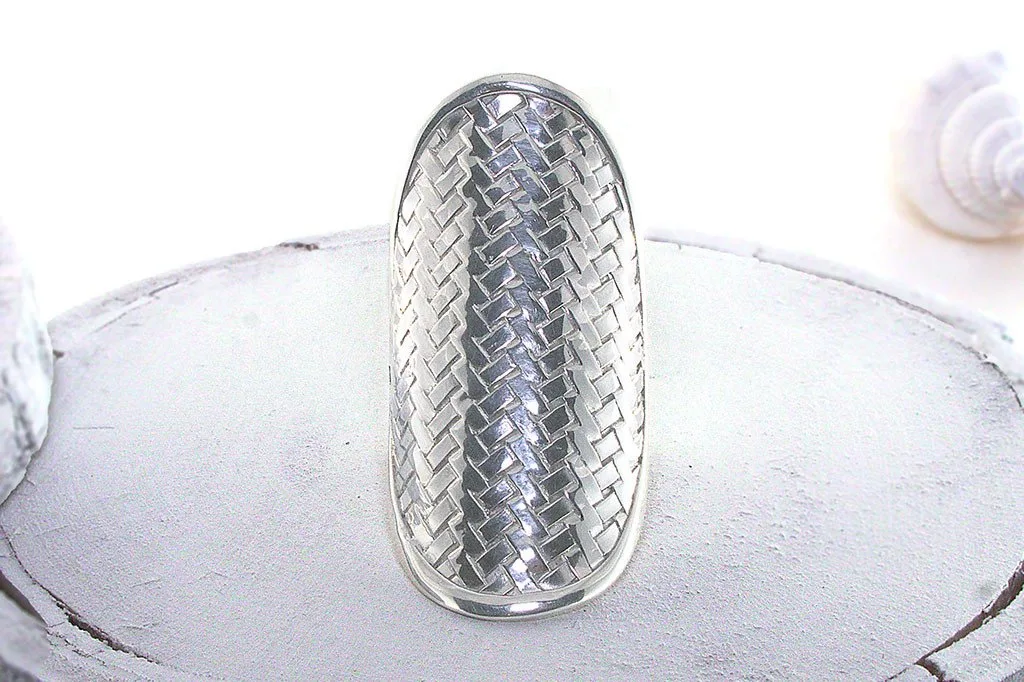
- Silver Sofia Ring: Made of solid sterling silver with woven silver strips resembling an ancient shield, wearable alone as an engagement-style ring or stacked with other jewelry. The woven texture adds interest without a high setting that could catch on fabric, and the silver tone pairs well with cool-colored outfits and mixed-metal looks.
Who this approach works for
Best for
- Guests attending a wedding with a clear dress code who want one reliable formula
- Anyone building a wedding guest outfit from pieces they already own
- People who want jewelry they can wear again to other formal events
Not for
- Brides or members of the wedding party, who usually need to follow a coordinated plan
- Guests at weddings with an explicit jewelry or color request from the couple
- Anyone looking for a single statement piece to be the entire outfit
Wedding guest jewelry works best when it supports the outfit instead of competing with it. Start with the dress code, match your neckline and metal, and choose pieces you can comfortably wear for hours. One well-chosen focal piece will always look more polished than a full set.