Quick answer
For sensitive ears, start with nickel-free metals like 18k gold-finished stainless steel, sterling silver, or 14k gold vermeil, and choose lightweight studs or hoops with smooth, secure closures. If you react easily, stainless steel with an 18k gold finish is the most forgiving everyday choice, while sterling silver and gold vermeil suit dressier moments. Always confirm the material before buying, and avoid unknown alloys.
Sensitive ears usually react to one thing: the metal touching your skin. Nickel is the most common culprit, but weight, closure style, and how often you wear a pair can also trigger irritation. The good news is that you can build a comfortable earring wardrobe without giving up style.
This guide gives you clear decision rules for choosing hypoallergenic earrings. You'll learn which metals to prioritize, how closures and weight affect comfort, and how to match earrings to your lifestyle. We'll also look at real options from the Kemmi collection that put these rules into practice.
Start with the metal, not the design
The metal is the foundation of sensitive-ear comfort. Nickel-free options like 18k gold-finished stainless steel, sterling silver, and 14k gold vermeil are your safest bets. Stainless steel with an 18k gold finish is water-resistant and hypoallergenic, making it ideal for daily wear. Sterling silver is a classic choice, though it can tarnish over time and needs occasional polishing. Gold vermeil offers a luxe look but has a thinner gold layer than solid gold, so it needs gentler handling.
If you know you react to nickel, avoid costume jewelry with unknown base metals. Even "gold-tone" pieces can hide nickel. When a product page doesn't list the material, treat that as a limitation and ask before buying. Your ears will thank you for the extra check.
- Look for explicit terms: nickel-free, hypoallergenic, 18k gold stainless steel, sterling silver, or 14k gold vermeil.
- Stainless steel and titanium are great for high-humidity or sweaty situations.
- Sterling silver and gold vermeil are dressier but require more care.
Match the closure to your daily routine
Closures matter more than most people think. Hinged closures on hoops are secure and easy to put on, which reduces fiddling that can irritate the piercing. Studs with butterfly backs are classic but can poke if the post is too long. For sensitive ears, choose smooth posts and backs that don't trap moisture or bacteria.
If you sleep, shower, or work out in your earrings, prioritize water-resistant materials and secure closures. Hoops with hinge closures stay put during movement, while lightweight studs are less likely to pull. If you have very reactive ears, remove earrings before bed and clean them regularly.
- Hinged hoops are secure and gentle on piercings.
- Avoid heavy drop earrings for all-day wear if your ears are sensitive.
- Clean your earrings and posts with a soft cloth after wearing.
Weigh comfort: lighter is usually better
Weight affects comfort even when the metal is safe. Large statement hoops can look amazing but may tug on the piercing over time. If you love bold looks, choose hollow or lightweight constructions. Studs and small hoops are generally the most comfortable for all-day wear.
For sensitive ears, a good rule is: if you can feel the earring pulling, it's too heavy for long wear. Save heavier pieces for short events and switch to lighter options for work or travel. This simple habit prevents soreness and micro-tears.
- Reserve heavy statement earrings for a few hours, not all day.
- Lightweight studs and small hoops are best for daily wear.
- If a hoop feels tight, size up to avoid pressure on the lobe.
How to test a new pair without risking a reaction
When you try a new pair, start with a short wear test. Put them on for one to two hours at home and see how your ears feel. If there's no redness, itching, or warmth, try a full day. If you notice any reaction, remove them immediately and clean your ears with mild soap and water.
Keep a simple log of which metals and brands work for you. Over time, you'll know which materials to trust. If a pair causes a reaction, don't assume all hypoallergenic earrings are the same; the issue may be a specific alloy or a closure that traps moisture.
- Do a 1–2 hour wear test before committing to a full day.
- Stop wearing immediately if you feel itching or burning.
- Track materials that work and avoid unknown alloys.
Everyday vs. occasional: build a two-tier earring wardrobe
Most people with sensitive ears do best with a two-tier approach. Tier one is your everyday pair: lightweight, water-resistant, and hypoallergenic. Tier two is for occasions: dressier metals like sterling silver or gold vermeil that you wear for a few hours. This way you get variety without constant irritation.
For everyday, 18k gold stainless steel is hard to beat because it resists water and sweat. For occasions, sterling silver and gold vermeil add a polished look. If you want sparkle, CZ stones set in safe metals are a good compromise. Just avoid glued-in stones that can trap moisture.
- Everyday: 18k gold stainless steel studs or hoops.
- Occasional: sterling silver or 14k gold vermeil pieces.
- Sparkle: CZ stones in nickel-free settings.
Decision rules for sensitive ears
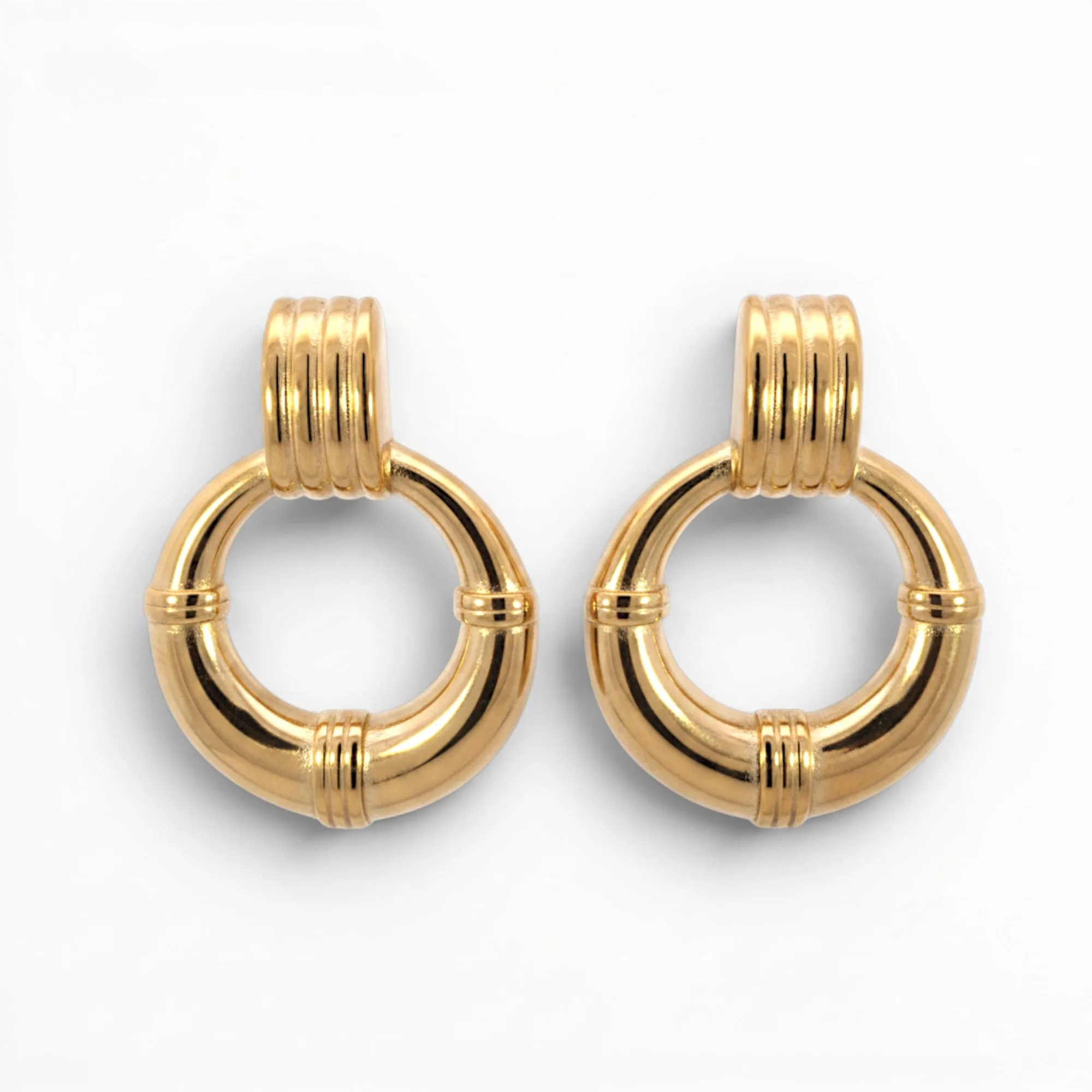
- If you react to most fashion earrings: Choose 18k gold stainless steel or solid gold. These are the least likely to trigger nickel allergies and resist tarnish. Start with Volume Gold Hoops or Aurea Earrings for everyday wear.
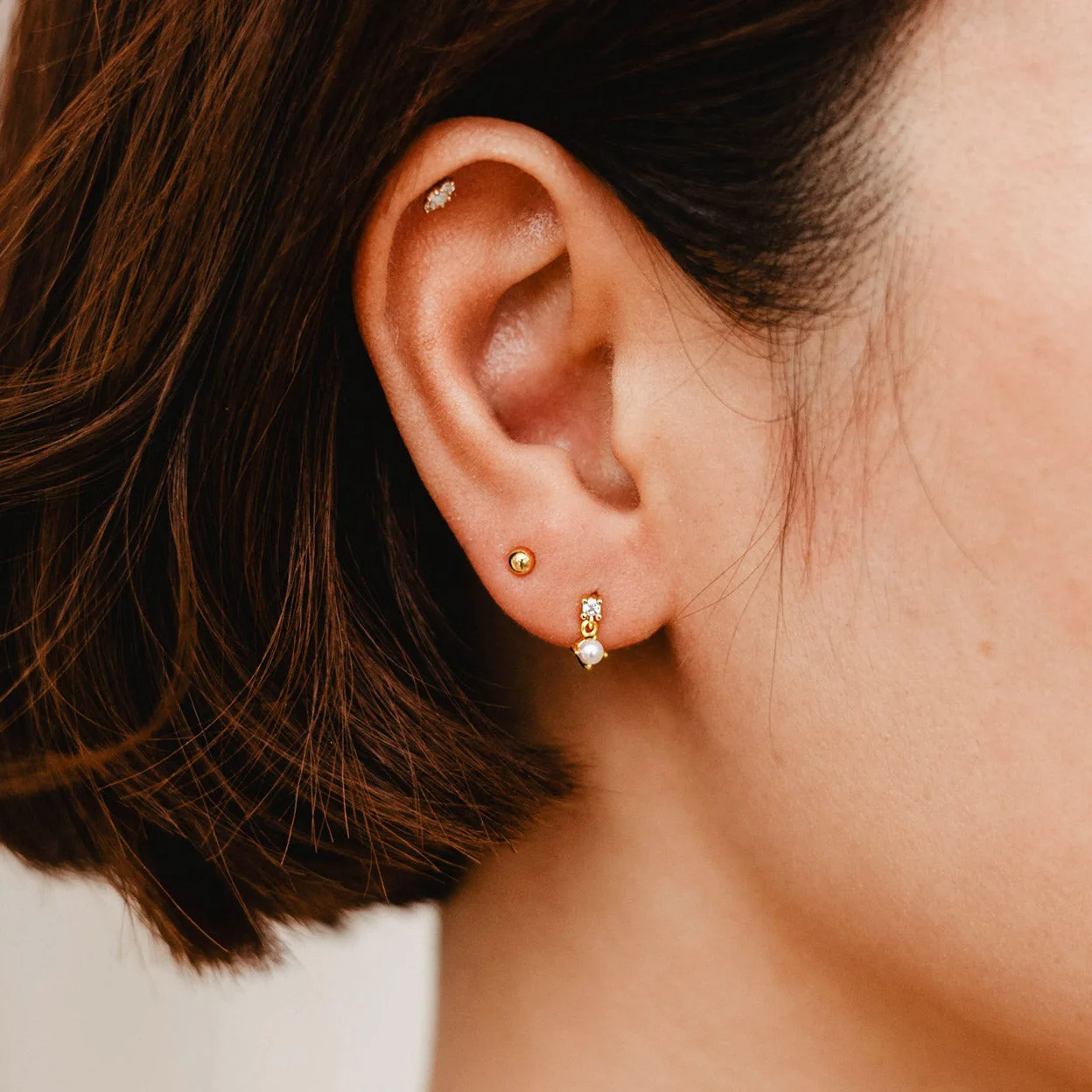
- If you want a dressier option: Sterling silver or 14k gold vermeil are good choices, but they need more careful cleaning and storage. Lena CZ Pearl Stud Earrings come in both metals.
- If you wear earrings 24/7: Prioritize water-resistant, hypoallergenic materials with secure closures. Remove them for sleep if your ears are very sensitive. Stainless steel hoops with hinge closures are the most durable for constant wear.
- If you have heavy earrings you love: Limit wear to a few hours and switch to lightweight studs or small hoops for daily use. Weight management prevents soreness even when the metal is safe.
- If a product doesn't list its material: Treat that as a red flag. Contact the brand or skip it. You can't assume it's nickel-free. Only buy when the metal is clearly stated.
Kemmi earrings that fit sensitive-ear rules
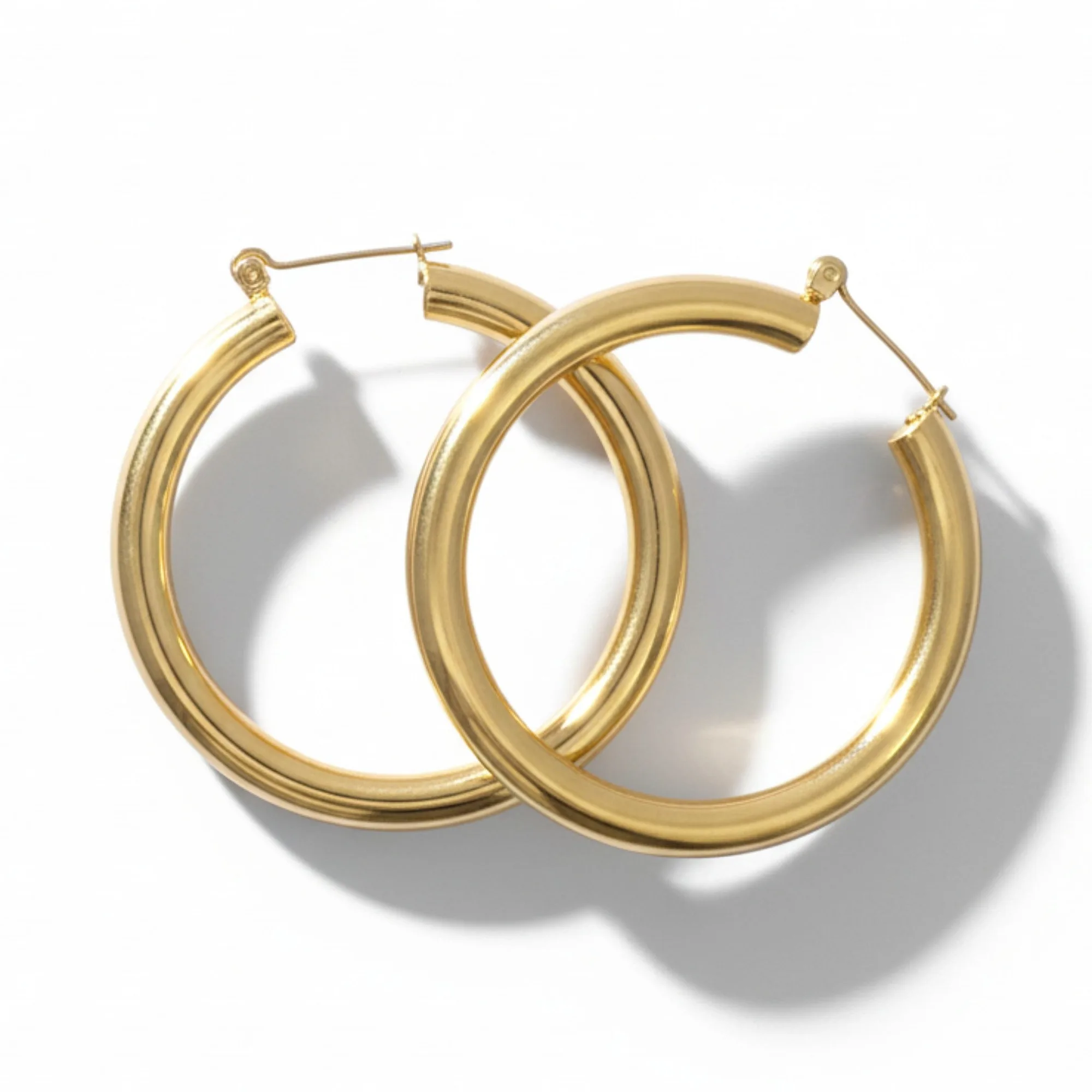
- Volume Gold Hoops: 18k gold stainless steel, hypoallergenic, water-resistant and sweat-proof, won't tarnish, 40 mm inner diameter, 5 mm thickness, hinge closure. A strong everyday choice: the stainless steel base is nickel-free and the hinge closure stays secure, while the water-resistant finish means you can wear them through workouts and showers without worrying about tarnish.
- Aurea Earrings: Crafted in stainless steel with an 18k gold finish, water-resistant, hypoallergenic, and designed to keep their shine over time. Another low-maintenance option for sensitive ears. The sculptural shape is bold but the material is gentle, making these a good pick if you want a statement look without irritation.
- Lena CZ Pearl Stud Earrings: Available in sterling silver or 14k gold vermeil, both of which guarantee a long-lasting luster; designed to go with any attire from business casual to everyday wear. These give you a choice between two sensitive-skin-friendly metals. Sterling silver and gold vermeil are both nickel-free options, but they need more care than stainless steel, so reserve them for days when you're not sweating heavily.
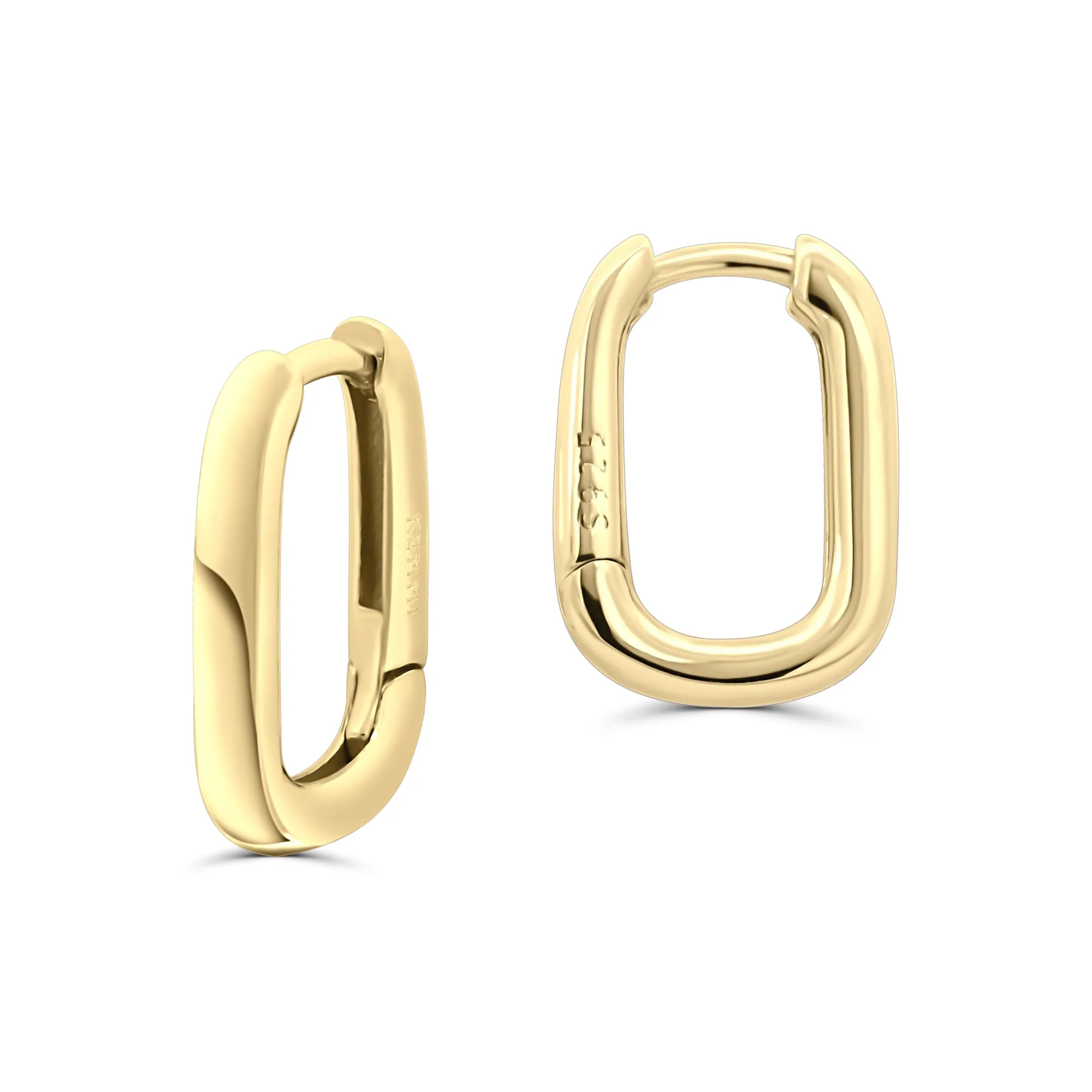
- Solid Gold Oval Hoops: Solid gold hoops that transition from day to night; designed to embody luxury and versatility. Solid gold is the most inert option for sensitive ears, but it's an investment. If you've had reactions to plated metals, solid gold is the safest long-term choice, though it costs more upfront.
Who these earrings are for
Best for
- Shoppers with nickel allergies or sensitive piercings who need hypoallergenic earrings for daily wear
- Anyone who wants water-resistant, tarnish-proof hoops for workouts, travel, or showering
- People building a small earring wardrobe with one everyday pair and one dressier pair
Not for
- Shoppers looking for the absolute lowest price, since nickel-free materials cost more than costume jewelry
- Anyone who prefers heavy, oversized statement earrings for all-day wear
- People who won't clean or store sterling silver and gold vermeil properly
Choosing jewelry for sensitive ears comes down to metal, closure, and weight. Start with nickel-free options like 18k gold stainless steel for everyday, and add sterling silver or gold vermeil for dressier moments. Use the decision rules above to match earrings to your routine, and always check the material before you buy. Your ears will feel the difference.