Quick answer
Start with 300–500 pieces if you're new to puzzles, then move to 1000 pieces for a weekend challenge. For a display-worthy project, 1000-piece double-sided puzzles like those from KINGS WILD PROJECT offer great value and visual reward.
Why Piece Count Matters More Than You Think
Piece count directly affects how long a puzzle takes, how much table space you need, and how challenging the experience feels. A 100-piece puzzle can be finished in under an hour, while a 1000-piece puzzle typically takes several evenings. The number also determines the size of the finished image, which matters if you plan to frame it.
Piece Count Ranges and What They Mean
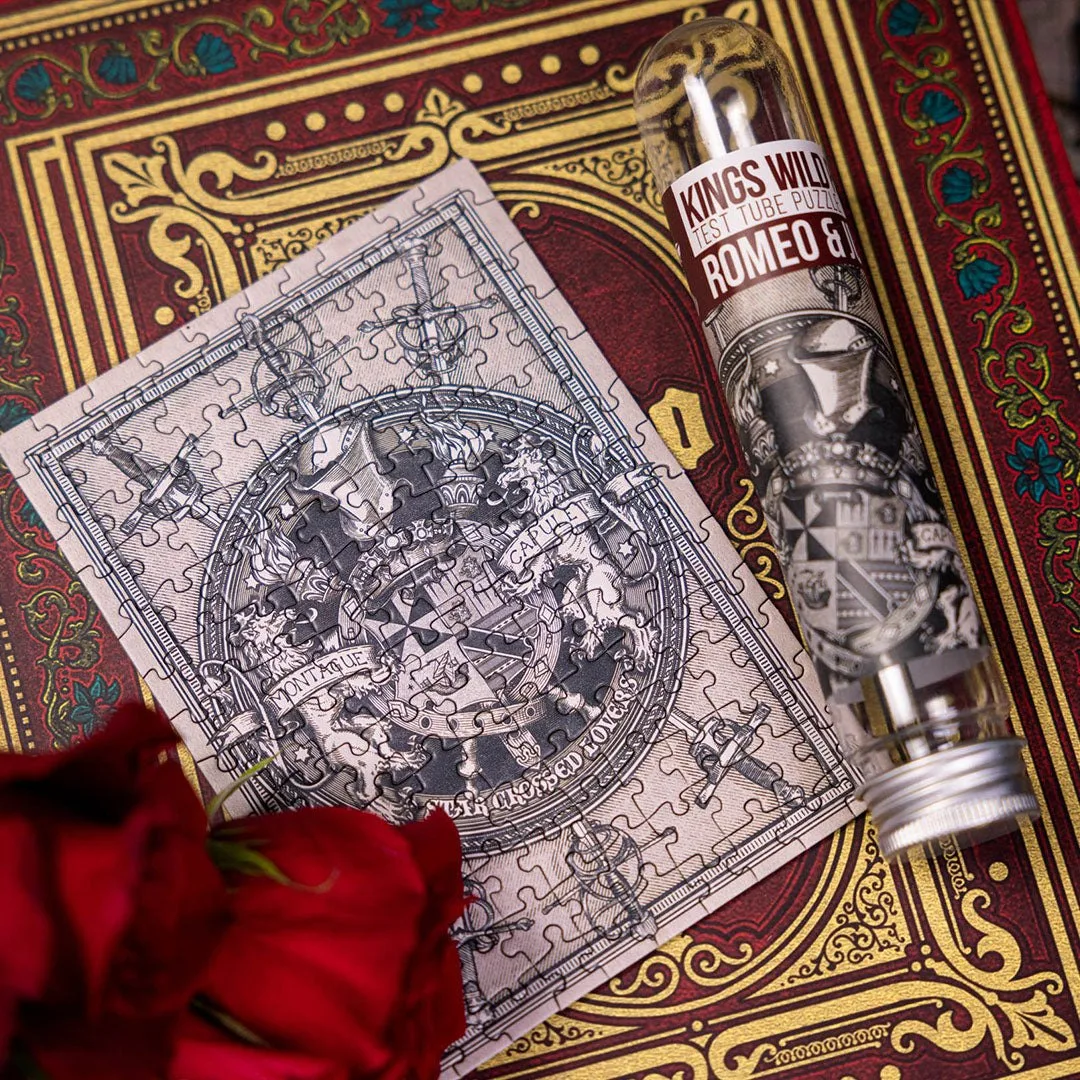
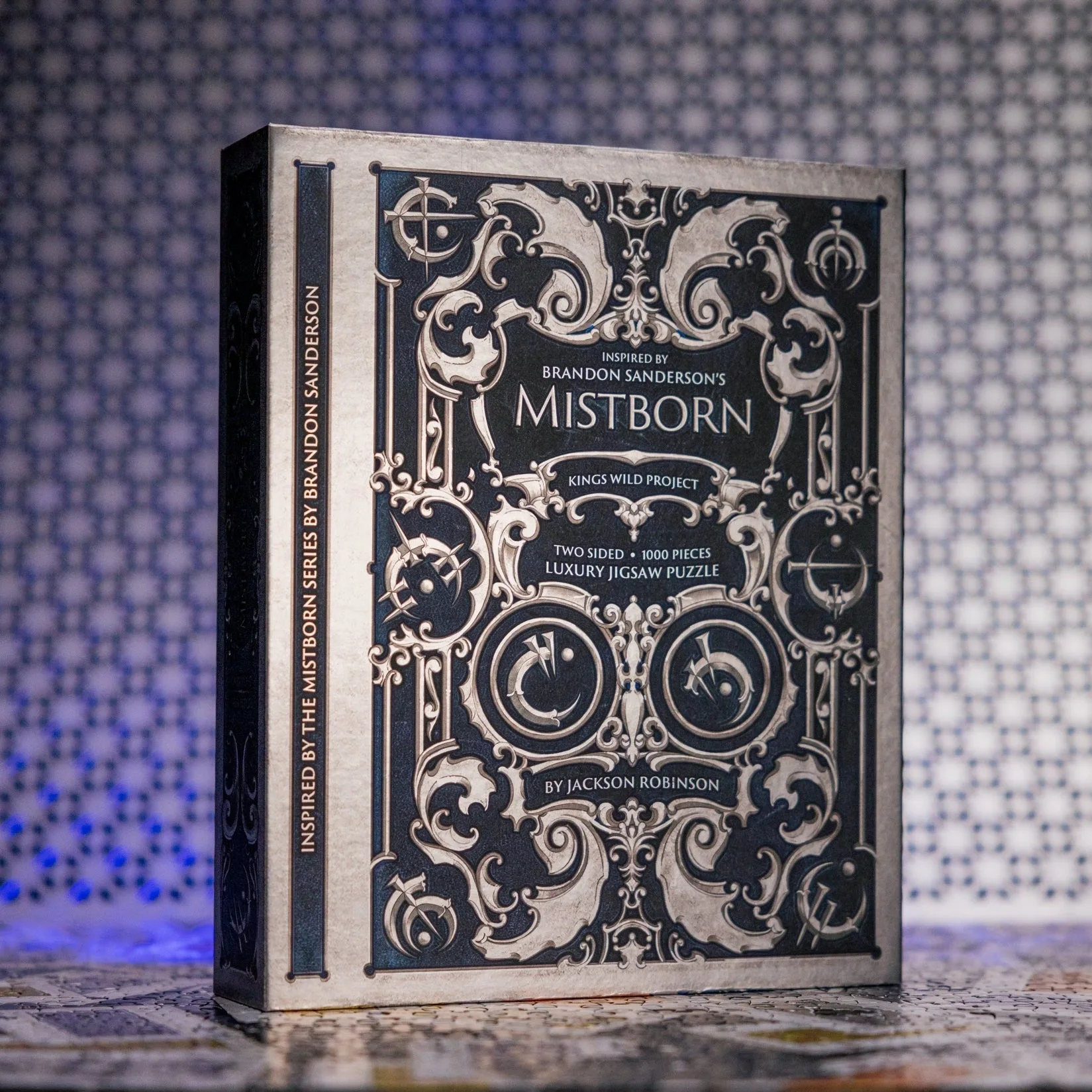
Puzzles under 300 pieces are best for quick fun or for younger solvers. The 300–500 piece range is a sweet spot for casual adult puzzlers who want a relaxing session without a big time commitment. Once you move to 1000 pieces, you're looking at a project that demands focus, good lighting, and a sorting strategy. KINGS WILD PROJECT offers 1000-piece double-sided puzzles that add an extra twist: you get two images in one box, which increases replayability but also requires careful piece management.
How to Match Piece Count to Your Goals
If you want a puzzle to frame and hang, 1000 pieces is the standard size for a 18" x 24" finished image. For a family game night or a gift for a beginner, 300–500 pieces is more approachable. If you're buying for a dedicated puzzler, a 1000-piece double-sided puzzle offers a fresh challenge because the pieces have artwork on both sides, making orientation trickier. This is a feature you won't find in most mass-market puzzles.
Decision Rules for Choosing by Piece Count
- Under 300 pieces: Best for kids, quick breaks, or as a warm-up. Finished size is small (often under 12" x 16"). Not ideal for framing as a centerpiece. Choose this for speed, not display.
- 300–500 pieces: The casual adult sweet spot. Takes 1–3 hours. Fits on a standard coffee table. Good for beginners or relaxed evenings. Great for a first puzzle or a gift for someone new to puzzling.
- 1000 pieces: Standard for serious hobbyists. Finished size is usually 18" x 24". Requires a dedicated table or puzzle board. Expect 4–10 hours total. Best for framed display and for puzzlers who want a weekend project.
- Double-sided twist: Pieces have artwork on both sides, so you can't rely on the back to confirm orientation. This increases difficulty and replay value. Only choose double-sided if you enjoy an extra layer of challenge.
Puzzles That Fit Different Piece-Count Needs
- Robin Hood Jigsaw Puzzle: Volume 3 of our Jigsaw Puzzles is the Robin Hood puzzle. It is 1000 pieces and measures 18" x 24". It is double-sided and features a second image on the reverse side. The double-sided design means you get two puzzles in one, but also requires careful sorting because the pieces have art on both sides. This adds challenge for experienced puzzlers.
- Arkenstone + Palantír Puzzle: The Arkenstone & Palantír puzzle is a double-sided 1000-piece luxury jigsaw puzzle. The front features the Palantír stone surrounded by vignettes of characters, and the reverse depicts the Arkenstone. If you're a Lord of the Rings fan, this puzzle gives you two iconic scenes in one box. The 1000-piece count makes it a substantial project that can be displayed or reassembled on the reverse side.
Which Puzzle Fits You?
Best for
- Casual puzzlers who want a relaxing 1–3 hour session: 300–500 piece puzzles
- Hobbyists who plan to frame and display their work: 1000-piece puzzles like the Robin Hood or Arkenstone + Palantír
Not for
- Anyone with limited table space or who wants a quick 30-minute activity: choose a 100–200 piece puzzle instead
- Puzzlers who dislike sorting pieces with art on both sides: avoid double-sided 1000-piece puzzles