Quick answer
For most kids, choose a keychain that matches a theme they already love, is made from metal or sturdy plastic, and has no small parts that can loosen. If your child is under three, skip keychains entirely or keep them as a supervised decoration. For collectors, start with one series such as animal keychains or keychain fantasy designs so the collection feels intentional.
A keychain is one of the easiest gifts to get right—or wrong. The right one becomes a daily companion on a backpack, lunch bag, or jacket zipper. The wrong one breaks in a week, scratches a phone screen, or gets lost because it never had a secure attachment point.
This guide gives you concrete rules for choosing keychains for kids, from material and size to theme and collectibility. You will also see how a few real products fit those rules, so you can decide whether a single keychain or a small collection makes more sense for your child.
Start With the Attachment Point, Not the Charm
The most common reason a kids keychain disappears is a weak connection between the charm and the ring. Look for a split ring that is thick enough to resist bending, or a lobster clasp that closes with a firm snap. If the ring feels flimsy or the clasp opens with almost no pressure, the keychain will not survive a school term.
Also check how the charm attaches to the ring. A fabric loop can fray; a thin metal loop can pull open. A solid metal loop or a short chain with welded links is more reliable. For younger kids, a shorter chain reduces swinging and snagging.
- Test the ring: bend it gently. If it stays open, it is too soft.
- Avoid long chains for kids under six—they catch on playground equipment.
- Choose a keychain that can be clipped to a bag strap without tools.
Match the Theme to Your Child's Real Interests
A keychain gets used when it reflects something your child already talks about. Animal keychains suit kids who love pets, zoo trips, or nature shows. Keychain fantasy designs—wings, crowns, or magical creatures—work for kids who live in pretend worlds. If your child is more practical, a simple shape or a favorite color will get more daily use than a detailed character.
Themes also help with collecting. A child who starts with one animal keychain often wants a second, then a third. That is fine if you set a boundary: one theme, one display spot, one new keychain per occasion. Without a boundary, keychains become clutter that ends up in a drawer.
- Ask your child to name three things they like before you buy.
- If they cannot choose, buy one keychain and let them trade later.
- Avoid buying a full set at once—collecting works better one at a time.
Material and Size: What Lasts and What Gets Lost
Zinc alloy and other metal keychains feel substantial and resist cracking, but they can be heavier and may scratch surfaces if they swing against a phone or tablet. Plastic keychains are lighter and often cheaper, but thin plastic can snap at the loop. Wooden keychains are warm and quiet, yet they can chip if dropped on concrete.
Size matters more than most parents expect. A keychain longer than about 10 cm (4 inches) becomes a hazard on a backpack because it catches on doors and seats. A keychain smaller than a coin is easy to lose and can be a choking risk for kids who still put objects in their mouths. Aim for a charm roughly the size of a child's palm.
- For under-threes, treat keychains as decorations, not toys.
- For ages 4–7, choose a palm-sized charm with a secure ring.
- For ages 8+, metal keychains handle rougher daily use.
Collectible Keychains: How to Build a Set Without Waste
Collectible keychains work best when they share a clear category—animals, fantasy, food, or travel. A shared category makes the collection feel like a project rather than random purchases. It also makes gift-giving easier because relatives know what to add.
Set a simple rule: one new keychain per season, or one per completed goal. That keeps the collection meaningful and prevents the “buy everything now” trap. If your child loses interest, pause. A collection that stops growing is still a collection.
- Store extras on a small hook or in a shallow box, not loose in a toy bin.
- Photograph the collection so your child can see progress.
- Rotate which keychain goes on the bag each month to keep it fresh.
Safety Checks Before You Hand It Over
Give the keychain a firm tug on the ring and the charm. If anything moves more than a millimeter, it may come apart. Check for sharp edges on metal charms, especially around the loop. For painted or coated keychains, look for chipping; a chipped coating can expose rough material underneath.
If the keychain has a small removable part—a tiny bead, a screw, or a plastic cap—remove it or choose a different keychain for a child under six. You can also attach the keychain to a bag your child does not sleep with, which reduces the chance of it becoming a choking hazard during quiet time.
- Do the tug test before every long trip or school term.
- Retire any keychain with a cracked loop or a loose clasp.
- Never attach a keychain to a crib, stroller, or car seat.
Decision Rules for Buying Keychains for Kids
- Age under 3: Choose a wooden or fabric toy instead of a keychain. If you already own a keychain, keep it on an adult bag or high shelf. Safety first: no loose keychains for mouthing-age kids.
- Age 4–7: Pick a palm-sized keychain with a thick split ring or a firm lobster clasp. Avoid long chains and tiny removable parts. Test the ring before buying; if it bends easily, skip it.
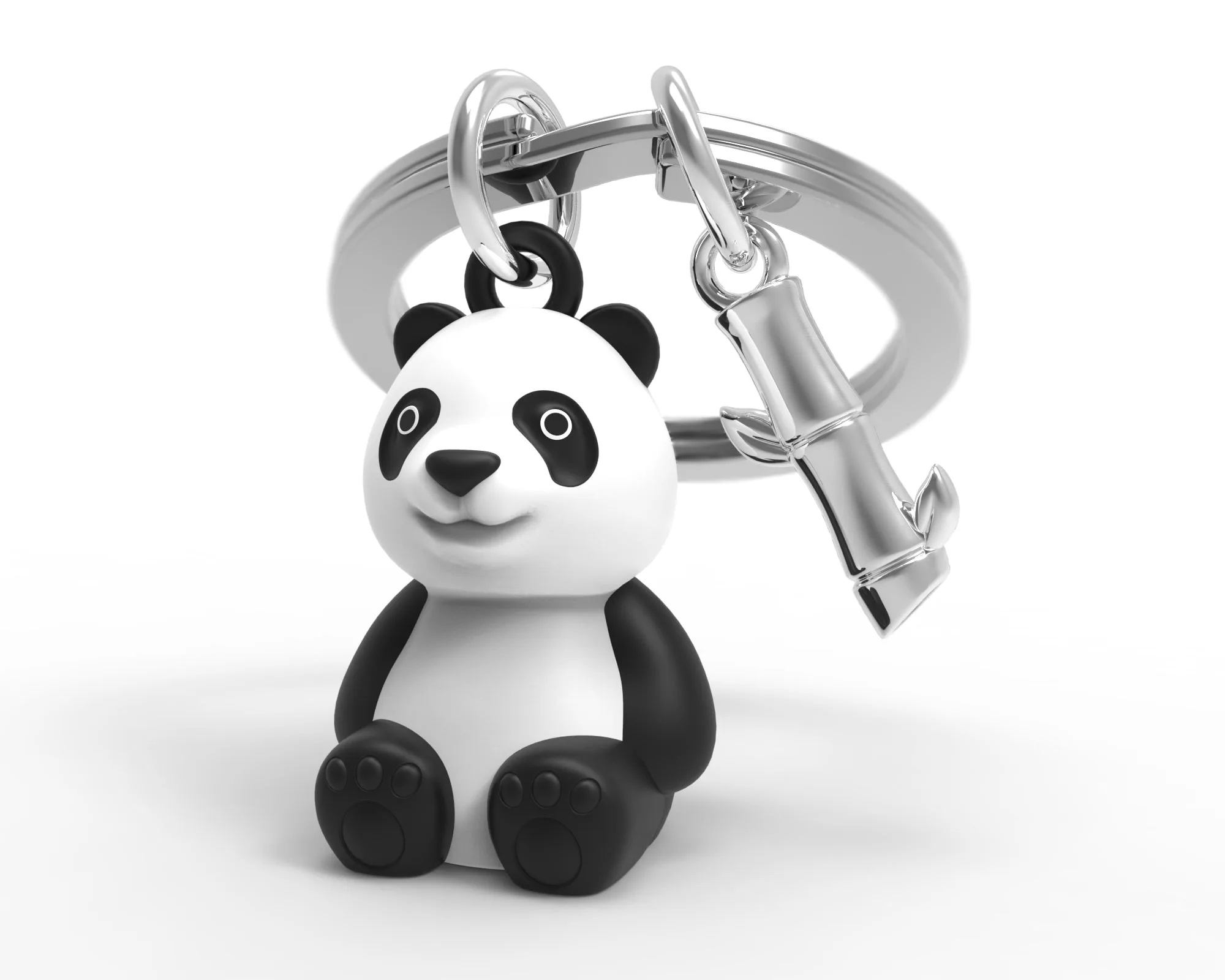
- Age 8+: Metal keychains like the Panda Keychain hold up better to daily backpack use. Let your child choose the theme to increase daily carry. One theme, one display spot, one new keychain per occasion.
- Collector mindset: Start with a single category such as animal keychains or keychain fantasy. Add one at a time and store extras on a hook. A collection grows better when it has a boundary.
- Gift buyer: If you do not know the child's interests, choose a classic animal keychain or a simple bag charm in a neutral color. Animal themes are the safest bet for unknown tastes.
How a Few Real Keychains Fit These Rules
- Panda Keychain: Zinc alloy body with a shiny chrome bamboo stick; black and white design. Metal construction handles daily bag use, and the animal theme suits kids who already like animal keychains. The bamboo stick is a fixed part, so there is no small piece to lose.
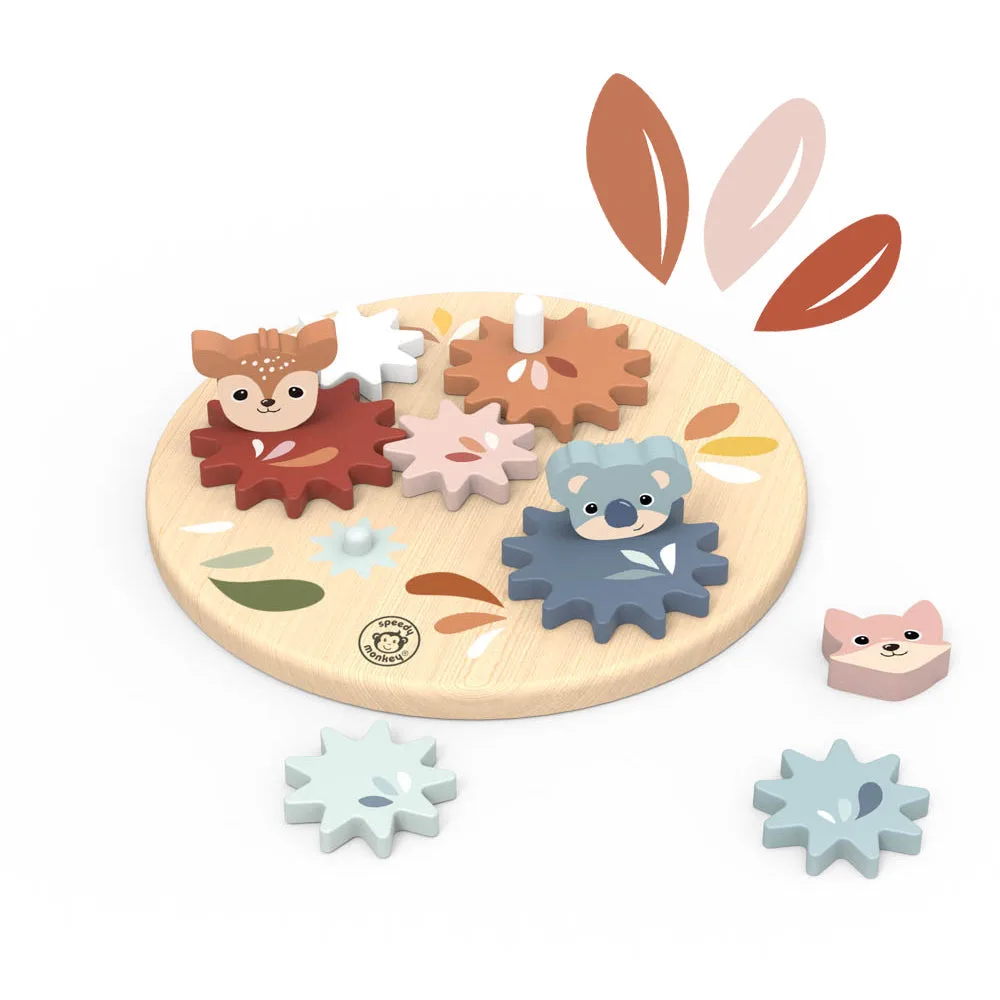
- Gear Toy: FSC Certified Wood from a certified supplier; designed for children 18 months and older; encourages problem-solving, hand-eye coordination, and fine motor skills. Not a keychain, but a useful comparison for younger kids. If your child is under three, a wooden early-learning toy like this is a safer choice than a keychain with a metal ring.
- Josephine crown - Costume Accessory for Kids - Carnival & Festive Use: White crown with golden beads and pearls; made from metal and plastic; comes in a clear gift box. Shows how a keychain fantasy theme can extend into dress-up. If your child loves crowns, a crown keychain or a small crown accessory keeps the theme consistent without buying a full costume.
- Crown Carlyn (mint) Costume Accessory for Kids - Carnival & Festive Use: Mint green princess crown measuring 21x11x6cm. A concrete size reference: this crown is far larger than a palm-sized keychain. Use it to explain why keychains should stay small enough to avoid catching on things.
Who This Guide Is For
Best for
- Parents buying a first keychain for a child aged 4–10
- Gift shoppers looking for a small, useful present under $15
- Families starting a themed collection such as animal keychains or keychain fantasy
Not for
- Parents of children under 3 who still mouth objects—choose a wooden toy instead
- Buyers looking for a full costume; a keychain is an accessory, not a dress-up set
- Anyone who wants a guaranteed long-term collectible value; keychains are for daily fun, not investment
Choose a keychain by attachment point, theme, and size—then do the tug test. If you get those three right, a simple keychain becomes a daily favorite rather than a lost trinket. Start with one, let your child carry it, and add to the collection only when they ask.