Quick answer
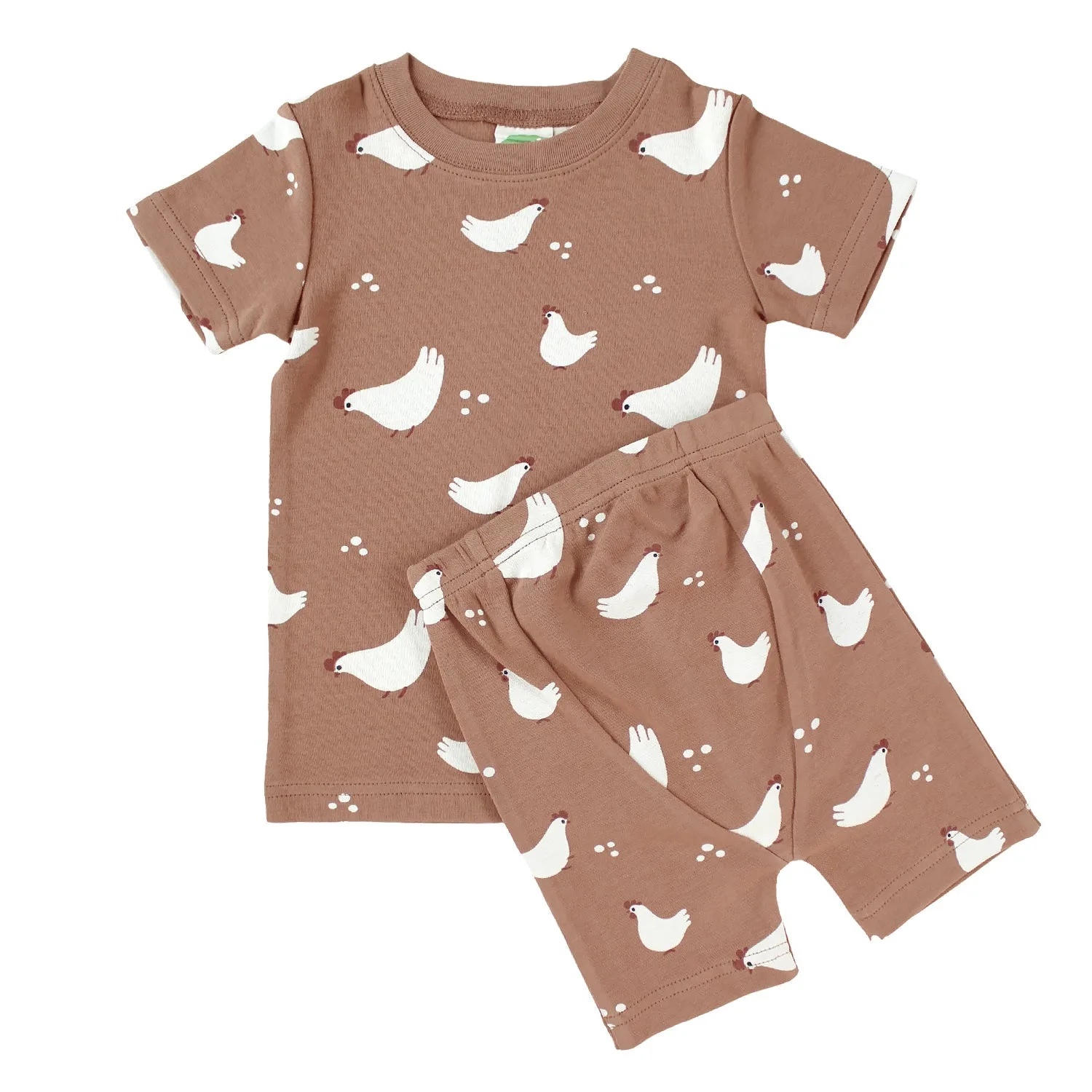
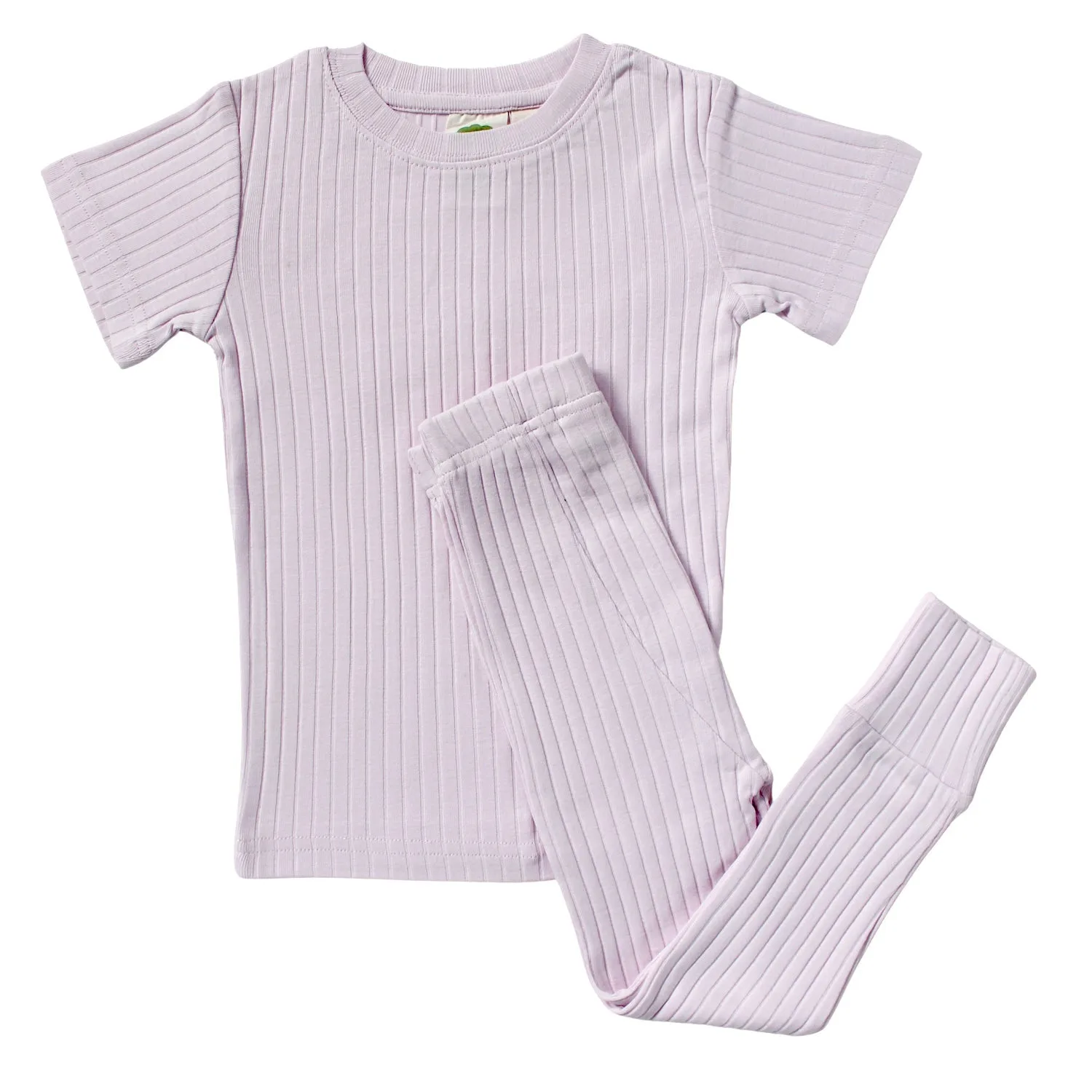
Buy short sleeve, lighter-weight organic cotton pajamas and size them so the fabric skims the body without clinging. A short sleeve set like the "My Jammies" Organic Kids' Pajamas - Short gives hot sleepers airflow at the arms and a lighter cotton than long sleeve Fall/Winter pajamas, while "My Jammies" Organic Rib Knit Kids' Pajamas adds a soft, light, breezy rib knit option. Skip heavy fleece, tight cuffs, and oversized hand-me-downs that bunch up at night.
Start with fabric weight, not just fabric name
Two pairs of organic cotton pajamas can sleep completely differently. The variable that matters most for a hot sleeper is weight: a lighter cotton lets heat escape, while a heavier cotton traps it even when the fiber itself is breathable. Parade's short sleeve Jammies are described as 'Spring weight' - a slightly lighter weight cotton than the long sleeve Fall/Winter pajamas in the same collection. That single difference is often enough to change how a warm-natured kid sleeps.
Rib knit behaves differently again. The ribbed structure stretches and moves with the body, and Parade's all new Rib Knit organic cotton is described as soft, light, and breezy - a lightweight fabric for lounging in pure organic cotton comfort. If your child runs hot but still wants long sleeves, a light rib knit is a smarter starting point than a heavier jersey knit.
Match sleeve length to the room, not the season
Season labels are a rough guide at best. What actually decides comfort is the temperature of the room your child sleeps in, plus whether they kick off blankets. Short sleeve kids pajamas work well when the bedroom stays warm overnight or when your child refuses covers. Long sleeve, lighter-weight cotton is the better pick when the room is cool but your child still overheats under a duvet.
A practical test: if your child wakes up sweaty on the chest and back but has cool arms, they are probably overdressed in a heavy long sleeve set rather than too warm in general. Move down one weight class before you move down a size.
Fit rules that keep air moving
Fit changes airflow more than most parents expect. Pajamas that cling to the skin trap a layer of warm, damp air against the body, which is exactly what a hot sleeper does not want. Pajamas that are far too big bunch up, twist around the torso, and create hot spots at the waist and underarms.
Aim for a close but easy fit: the fabric should skim the body, with room to pinch about a finger's width of fabric at the chest and thigh. Check the armholes and neckline - if the fabric pulls tight when your child raises their arms, the next size up will sleep cooler. If the shoulder seams slide past the shoulder point, the size is too large and will ride up overnight.
Details that quietly add heat
Elastic waistbands that dig in, thick screen-printed panels, and tight ribbed cuffs all reduce airflow or add a layer over the skin. Hand-printed designs are generally a lighter option than heavy plastisol-style prints, because the print sits on the fabric rather than forming a solid rubbery patch.
Also check what the pajamas are worn over. A hot sleeper in a cotton undershirt plus pajamas is wearing two layers before the blanket even goes on. In most warm bedrooms, one layer of breathable pajamas is enough.
How many pairs and which sizes to keep on hand
Hot sleepers sweat more, so pajamas get washed more often. Two or three pairs in the current correct size covers most weeks without forcing you to keep a too-small backup in rotation. When you size up, buy the lighter weight first - a larger heavy set will not solve an overheating problem.
If your child is between sizes, choose the larger size in a lighter fabric and the smaller size in a heavier one. The lighter fabric forgives extra room; the heavier fabric does not.
Decision rules for hot sleepers
- Warm room, kicks off covers: Choose short sleeve, lighter-weight organic cotton, such as the short sleeve Jammies. Start here before trying anything heavier.
- Cool room, still overheats: Choose a light rib knit with longer coverage rather than a heavy long sleeve knit. Keep the weight down and the coverage up.
- Sweaty chest, cool arms: Move down one fabric weight before you change size. Weight is usually the problem, not the fit.
- Between two sizes: Take the larger size in the lighter fabric and the smaller size in the heavier fabric. Lighter fabric forgives extra room.
Products that fit these rules
- "My Jammies" Organic Kids' Pajamas - Short: Short sleeve Jammies described as 'Spring weight' - a slightly lighter weight cotton than the long sleeve Fall/Winter pajamas - made of GOTS certified organic cotton with exclusive hand printed Parade designs. This is the default pick for a hot sleeper in a warm bedroom: lighter cotton plus open arms gives the most airflow without dropping to a thinner, less durable fabric.
- "My Jammies" Organic Rib Knit Kids' Pajamas: Rib Knit organic cotton described as soft, light, and breezy - a lightweight fabric for lounging in pure organic cotton comfort. A good choice when your child runs hot but still wants more coverage than a short sleeve set, because the rib knit stays light while moving with the body.
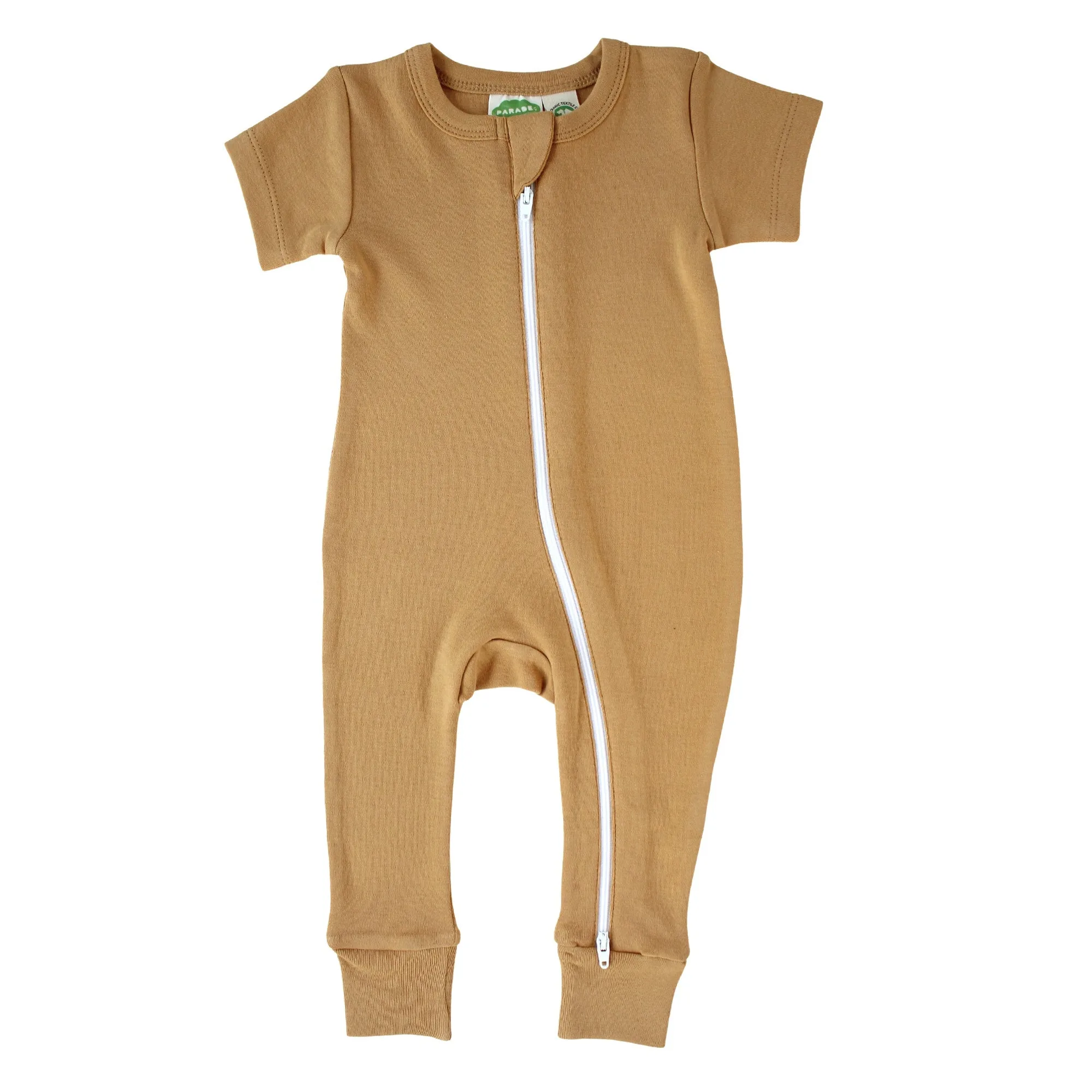
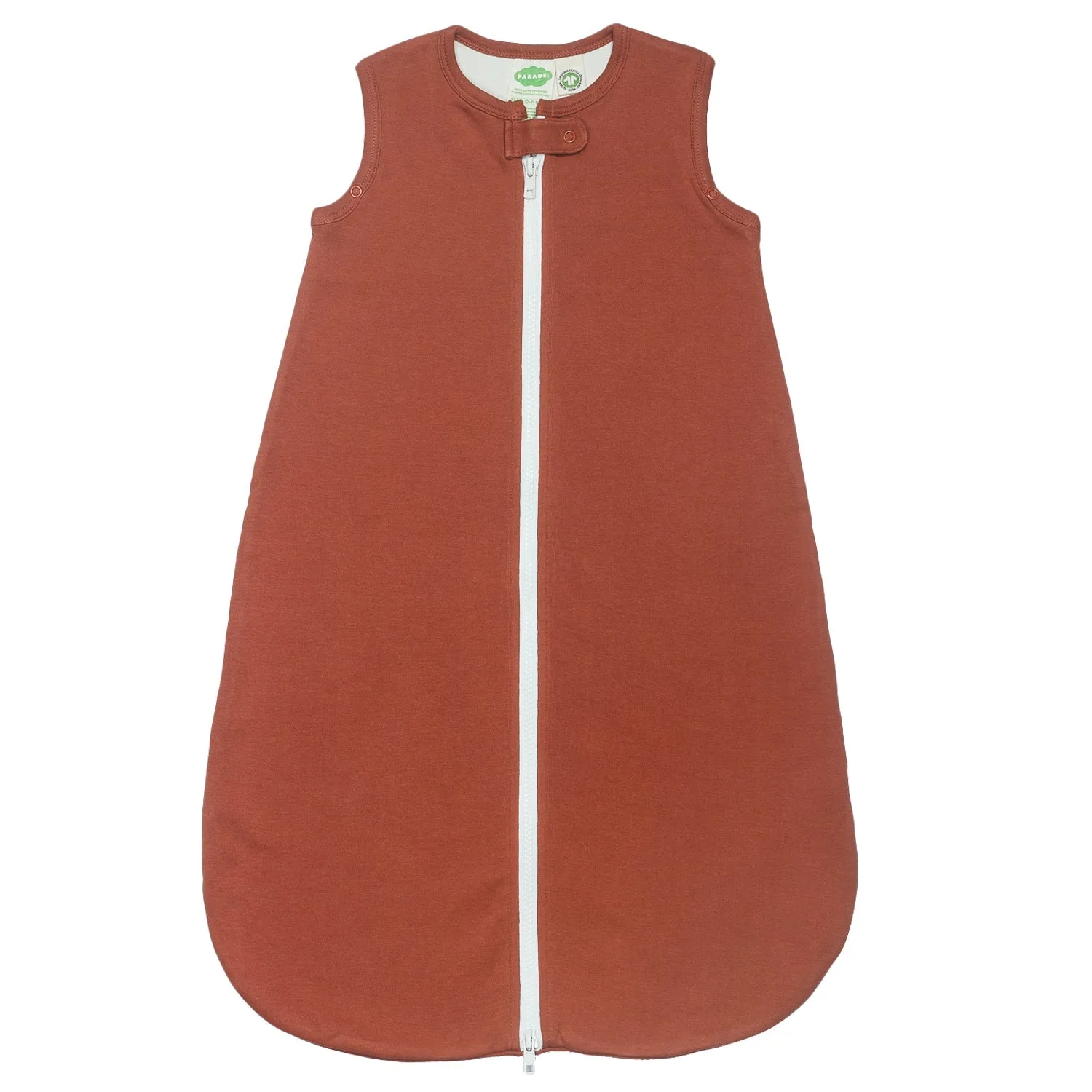
- Organic Essentials '2-Way' Zip Romper - Short Sleeve: Organic cotton '2-way' zip romper with a double zip that opens from the top for dressing and from the bottom for changes, plus inner zipper fabric backing and a neck fold. For babies and toddlers who overheat, the zip design means fewer layers pulled over the head during changes, and the fabric backing keeps the zipper off the skin.
Who these picks suit
Best for
- Children who wake up sweaty or push off blankets most nights
- Warm bedrooms, summer months, and travel to hotter climates
- Parents who want one breathable layer instead of pajamas plus an undershirt
Not for
- Cold bedrooms where a child sleeps still and needs heavier long sleeve coverage
- Kids who feel the cold easily and sleep better in warmer Fall/Winter weight pajamas
- Parents looking for fleece or thermal sleepwear for winter camping or unheated rooms