Quick answer
Start with a sheer, semi-sheer gloss in a tone that matches your undertone rather than your surface color: warm undertones look best in peach, coral, and warm pink; cool undertones in rose, berry, and mauve; neutral can wear either. For fair skin, keep the tint light and let shine do the work. For a safe everyday choice, pick a gloss one or two shades deeper than your natural lip color and layer it over a lipstick when you want more depth.
Identify your undertone before you shop
Undertone is the subtle warmth or coolness under your skin, and it matters more than the surface shade you see in the mirror. A quick check: look at the veins on your inner wrist in natural light. If they read green, you likely lean warm; if blue or purple, cool; if you see a mix, you are probably neutral. You can also hold a gold and a silver piece of jewelry near your face — gold tends to flatter warm undertones, silver tends to flatter cool ones.
Once you know your undertone, translate it into gloss color. Warm undertones usually look harmonious in peach, coral, warm pink, and soft brick. Cool undertones tend to look best in rose, berry, mauve, and cool red. Neutral undertones can borrow from both sides. This is a starting point, not a rule — lighting, hair color, and the rest of your makeup all shift the result.
Match the gloss finish to the effect you want
A sheer gloss adds shine and a wash of color without hiding your natural lip tone, which makes it the easiest place to start if you are unsure. A semi-sheer gloss gives more visible tint while still letting some of your lip show through. If you want full coverage, a lipstick will do that better than a gloss, and you can still add gloss on top for shine.
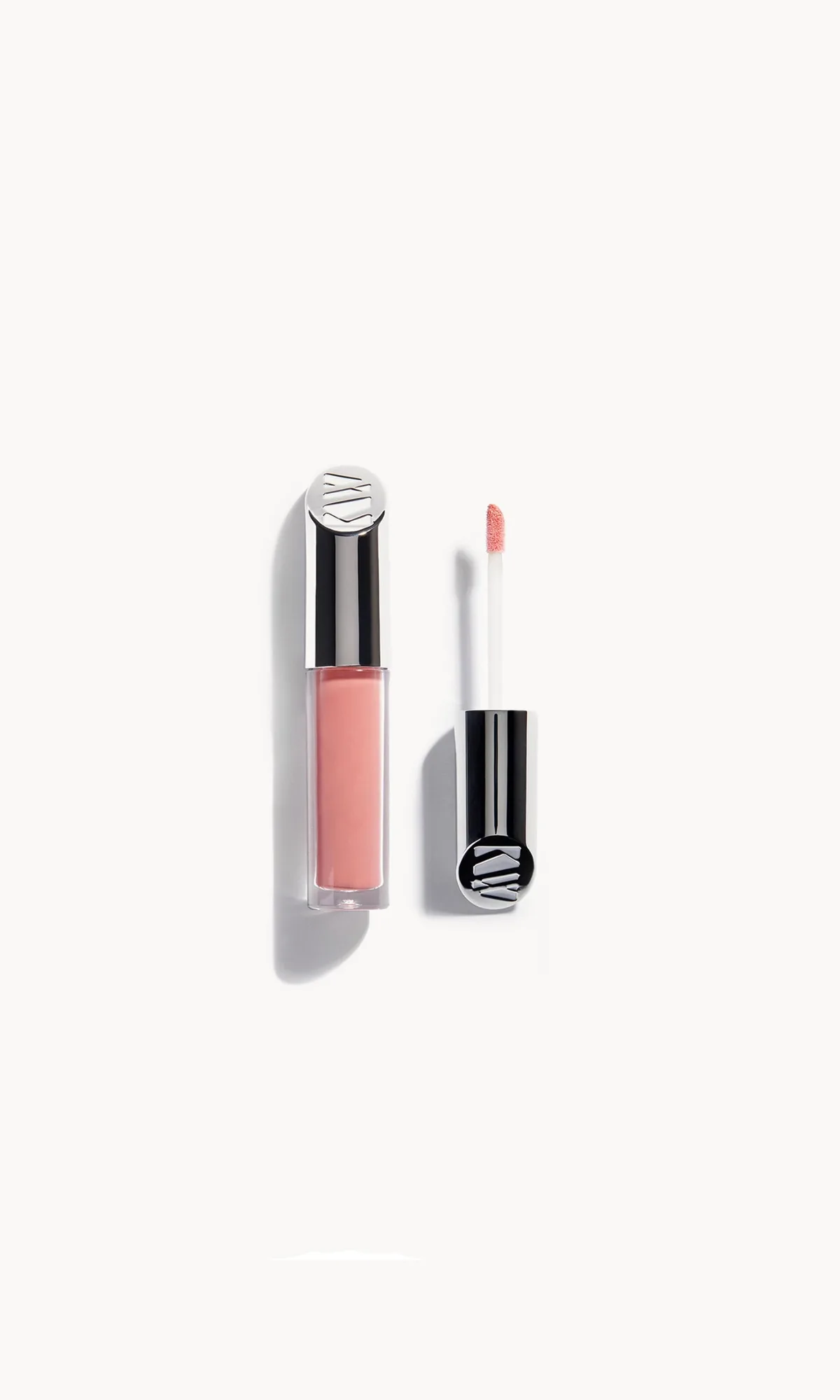
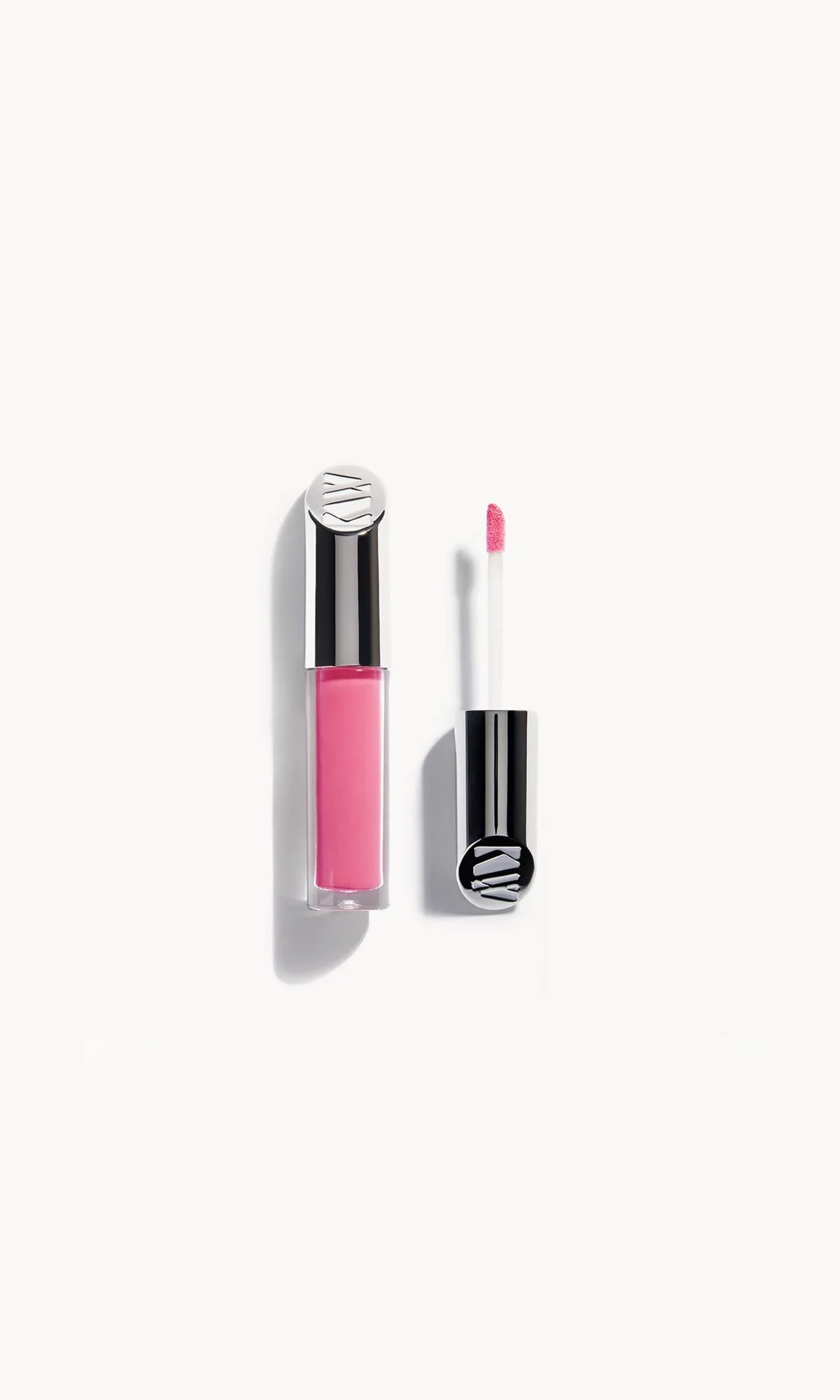
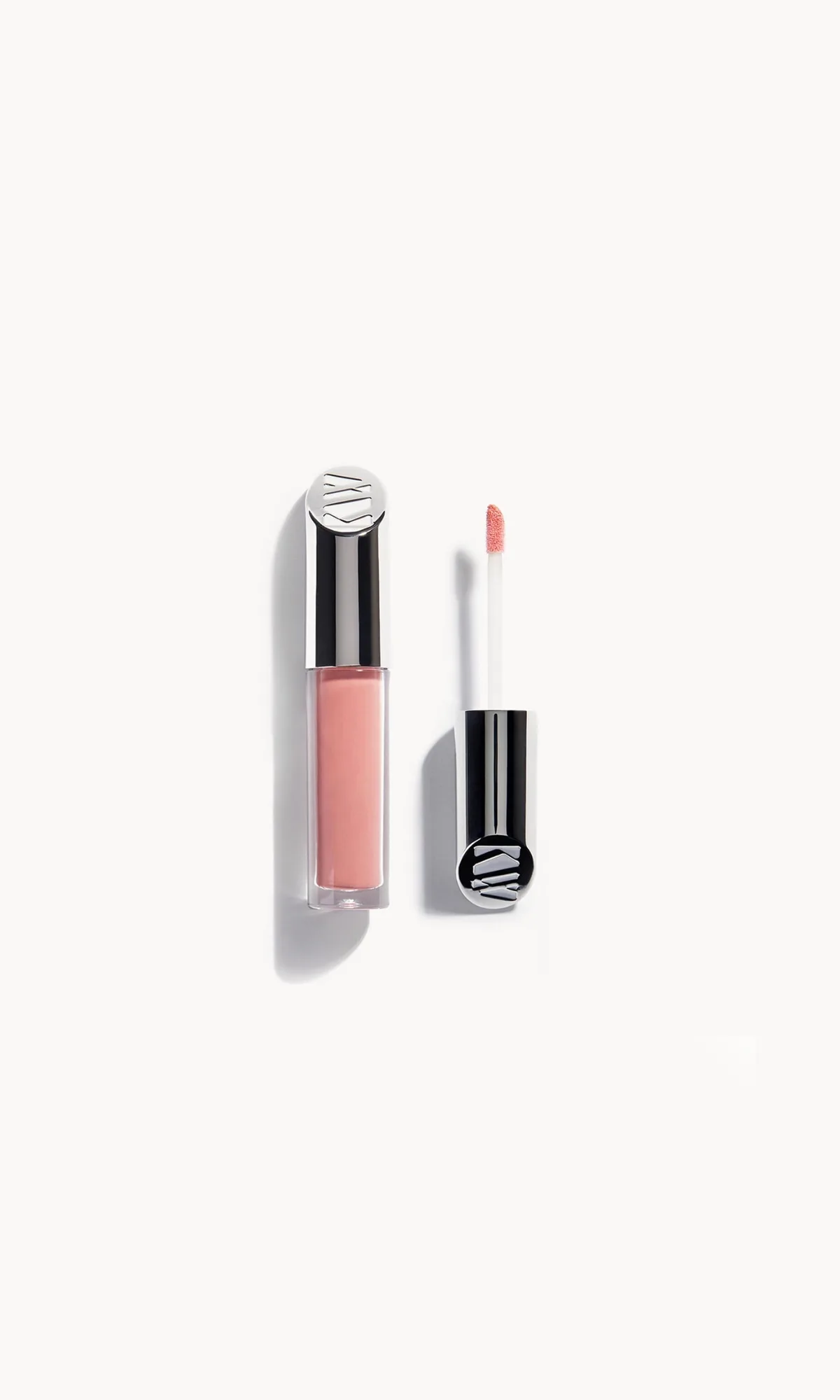
The doe-foot applicator on a product like Lip Gloss / Tenderness is designed for gliding a semi-sheer tint over lips, which is useful when you want a soft, shiny result rather than a painted-on look. If you prefer more color first, apply a lipstick and then tap gloss over the center of the lip for a cushiony highlight.
Fair skin: keep the tint light and the shine high
On fair skin, very dark or highly opaque glosses can look harsh because the contrast is strong. A sheer or semi-sheer gloss in a soft pink, peach, or rose usually reads as fresh rather than heavy. If you want to wear a deeper berry or red, apply it sheerly with a fingertip or blot once so the color stays translucent.
Fair skin also shows cool tones easily, so if you are cool-toned, lean toward rose and mauve rather than orange-based shades. If you are warm-toned, peach and warm pink tend to look more natural. When in doubt, choose the lighter of two options — you can always layer more.
Medium, deep, and rich skin tones
Medium skin tones have more natural pigment, so glosses that look bright in the tube often read as a soft wash on the lips. Berry, rose, and warm caramel tones tend to show up well. Deeper skin tones can carry richer, more saturated gloss colors — plum, wine, brick, and deep berry — because the contrast is lower and the color reads as harmonious rather than overpowering.
If you have deep skin and want an everyday gloss, a warm brown-rose or a sheer berry is a reliable choice. If you want a bold moment, a semi-sheer red or plum gloss over a matching lipstick gives depth without the flatness of a matte.
Layering gloss over lipstick without making a mess
Layering is the fastest way to customize a gloss shade. Start with a lipstick that is close to your natural lip color or one shade deeper, then add gloss only to the center of the lip and blend outward with the applicator or a fingertip. This keeps the edges defined and prevents the gloss from sliding past your lip line.
If you want a softer version of a bold lipstick, apply the lipstick, blot once with a tissue, then add a sheer gloss. The blotting removes excess oil and helps the gloss stay in place longer. For a more precise application, use a lip brush for the lipstick and reserve the doe-foot applicator for the gloss.
Decision rules for picking your gloss shade
- If your veins look green (warm undertone): Choose peach, coral, warm pink, or soft brick glosses. These tones echo the warmth in your skin and tend to look natural rather than ashy. Start with a warm pink or peach in a sheer finish.
- If your veins look blue or purple (cool undertone): Choose rose, berry, mauve, or cool red glosses. Cool tones keep the lips from looking orange or overly warm against your skin. A rose or mauve sheer gloss is the safest first buy.
- If you see a mix of colors (neutral undertone): You can wear both warm and cool shades. Pick based on the rest of your makeup: warm eye and cheek colors pair well with warm gloss, cool ones with cool gloss. Buy one warm and one cool sheer gloss and rotate them.
- If you have fair skin: Keep the tint light and the shine high. Sheer pink, peach, or rose reads fresh; deep opaque colors can look harsh unless applied sheerly. When choosing between two shades, pick the lighter one.
- If you have medium to deep skin: You can carry more saturation. Berry, plum, wine, and warm caramel glosses show up clearly without looking heavy. For everyday, try a warm brown-rose or sheer berry.
- If you want to layer over lipstick: Match the gloss tone to the lipstick tone, or go one shade lighter. Apply gloss only to the center of the lip and blend outward to keep edges clean. Blot lipstick once before adding gloss for better staying power.
Products that fit these rules
- Lip Gloss / Tenderness: Cushiony, voluptuous gloss with a semi-sheer tint of color, and rich conditioning oils. The semi-sheer tint makes it a forgiving choice when you are still figuring out your undertone, and the conditioning oils keep lips comfortable for everyday wear.
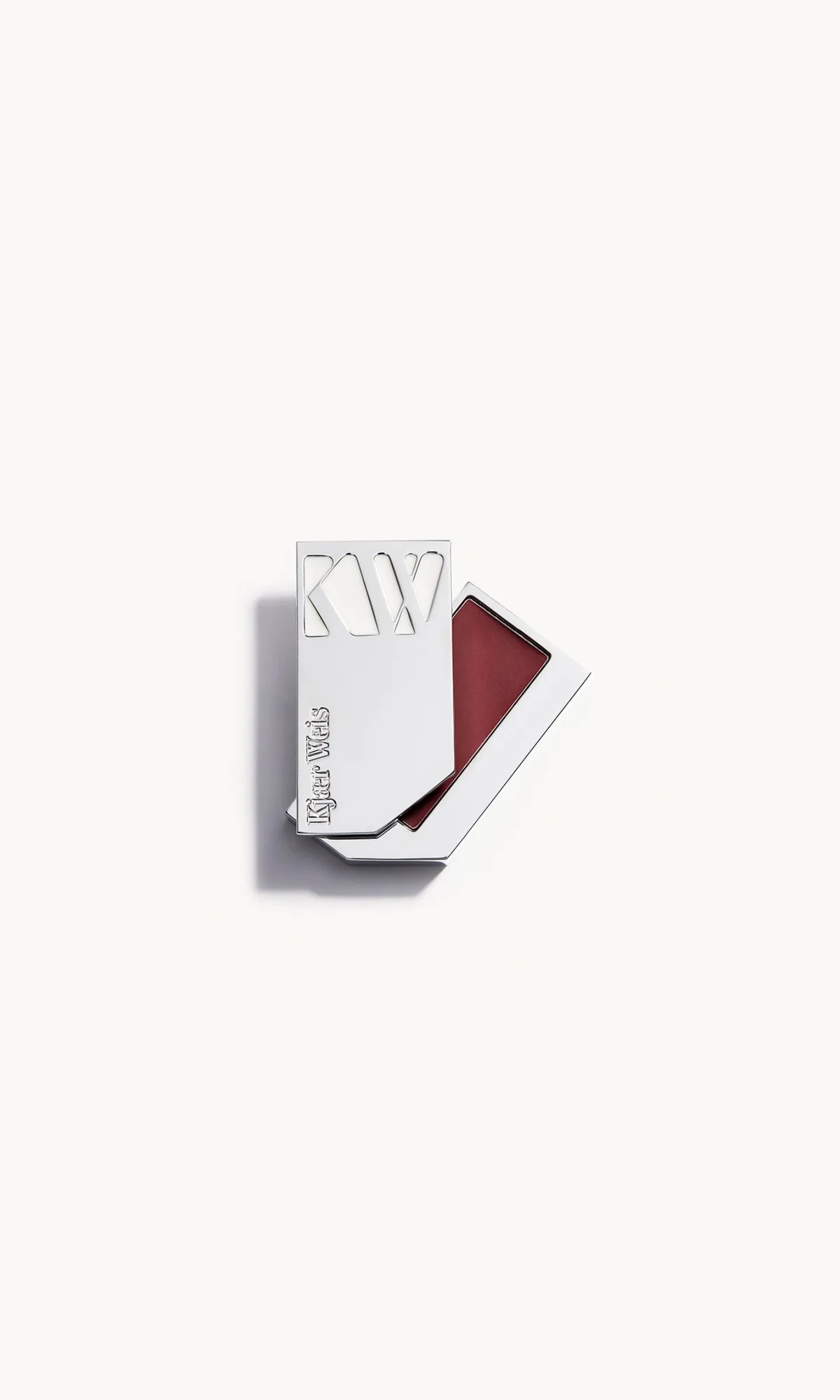
- Lipstick / Calm: Drench your lips in moisture-rich, long-wearing color with a creamy, satin finish. A satin lipstick like this is a good base for layering gloss over the center of the lip when you want more depth than a sheer gloss alone.
- The Toner / 100 ml: An organically formulated essence for restoring your skin's optimal pH, heightened with the glow-boosting power of the Discorea Batatas root. Prepping skin with a balancing toner before makeup helps your overall look stay fresh, though it does not change which gloss shade suits you.
Who this guide is for
Best for
- Anyone buying their first sheer or semi-sheer lip gloss and unsure which shade to pick
- Shoppers who want a simple undertone-based rule instead of guessing from online swatches
- People who already own a lipstick and want to add gloss for shine or depth
Not for
- Shoppers looking for a fully opaque, long-wear liquid lipstick — a gloss will not give that finish
- Anyone who wants a precise color match without seeing the product in person or testing a sample
- People who dislike any shine or slip on the lips