Quick answer
For humid weather, choose a lightweight, non-greasy moisturizer with a watery or gel-cream texture that absorbs quickly, such as Dr. Althea's Aqua Marine Watery Cream. If your skin is oily or sweat-prone, skip heavy creams and occlusive balms during the day. If you use active ingredients like niacinamide or retinol, keep the moisturizer simple and let the treatment do its job.
Why humid weather changes your moisturizer needs
When the air is already saturated with moisture, a heavy cream can feel like it sits on top of your skin instead of absorbing. That trapped layer mixes with sweat and sebum, which can lead to clogged pores, shine, and a greasy feel by midday. A lightweight moisturizer for summer or hot climate skincare still needs to support your moisture barrier, but it should do so without sealing in heat.
The goal in humidity is balance: enough hydration to keep skin comfortable, but a texture that disappears quickly. This is why watery creams and gel creams are often better choices than rich butters or heavy oils in this climate.
Watery cream vs cream: what the texture tells you
A watery cream, like Dr. Althea's Aqua Marine Watery Cream, is formulated to provide lightweight hydration with a refreshing, watery texture that absorbs quickly. It helps maintain skin's moisture balance without a heavy after-feel. A traditional cream is thicker and often includes more emollients or occlusives, which can be helpful in dry or cold weather but may feel suffocating in humidity.
If you are comparing watery cream vs cream humid weather, ask yourself how your skin feels two hours after application. If it feels slick or sweaty, the formula is too heavy for the climate. If it feels tight or dry, you may need a slightly richer texture or a hydrating serum underneath.
Match the formula to your skin type and routine
Oily and combination skin usually do best with gel or watery creams that absorb fast and leave a non-greasy finish. Normal skin can often use a lightweight lotion or watery cream during the day and a slightly richer cream at night if air conditioning dries out the room. Dry skin in humidity may still need more emollience, but it is worth trying a watery cream first and layering a hydrating serum if needed.
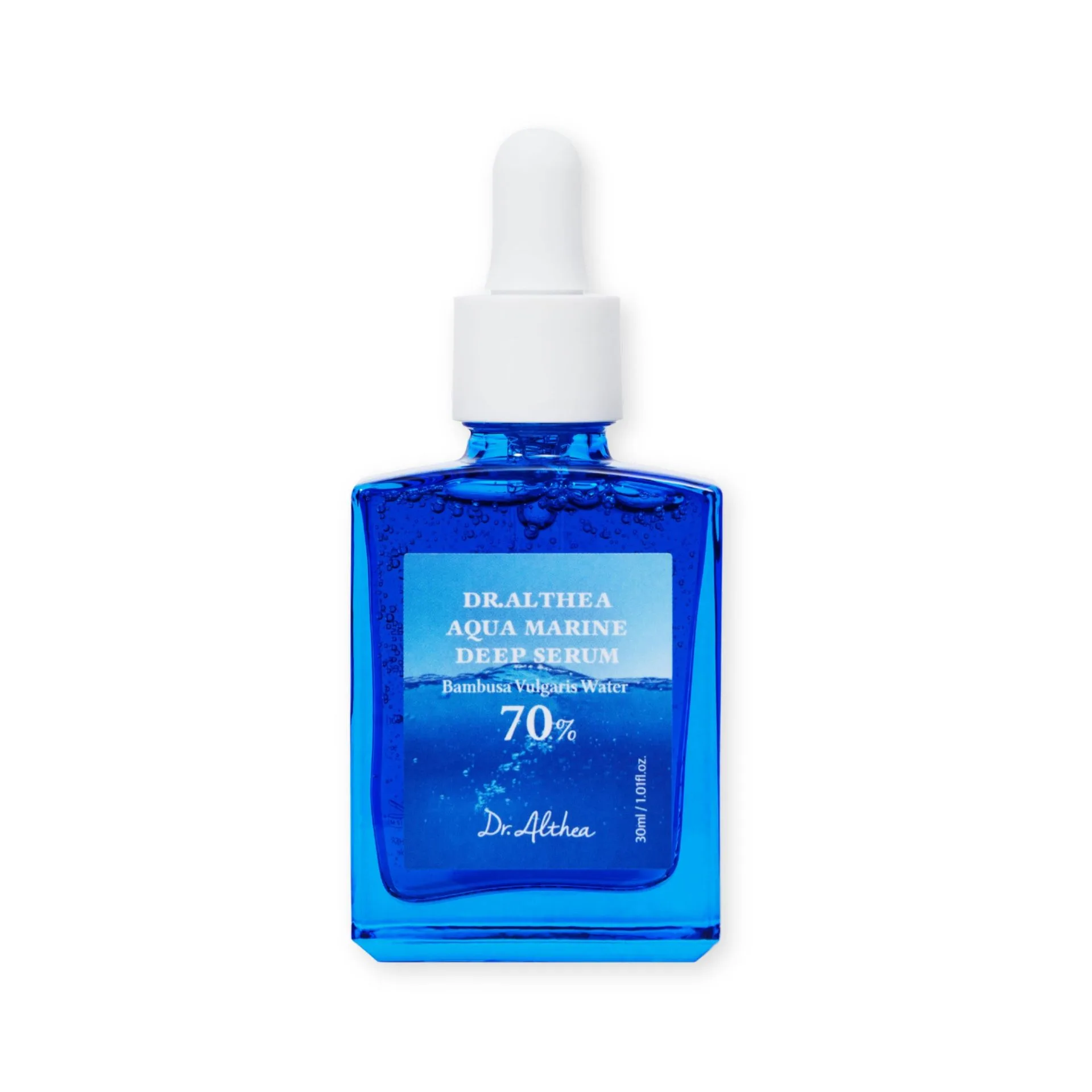
If you use active treatments, keep your moisturizer simple. For example, Dr. Althea's 15% Niacinamide Purity Serum is a concentrated treatment with 15% niacinamide for brightening and pore care, and it has a lightweight, fast-absorbing texture. A lightweight moisturizer on top can support comfort without interfering with the serum's finish. Similarly, if you use the Retinol Flat Iron Eye Roller for the delicate eye area, you can keep the rest of your routine light and non-greasy.
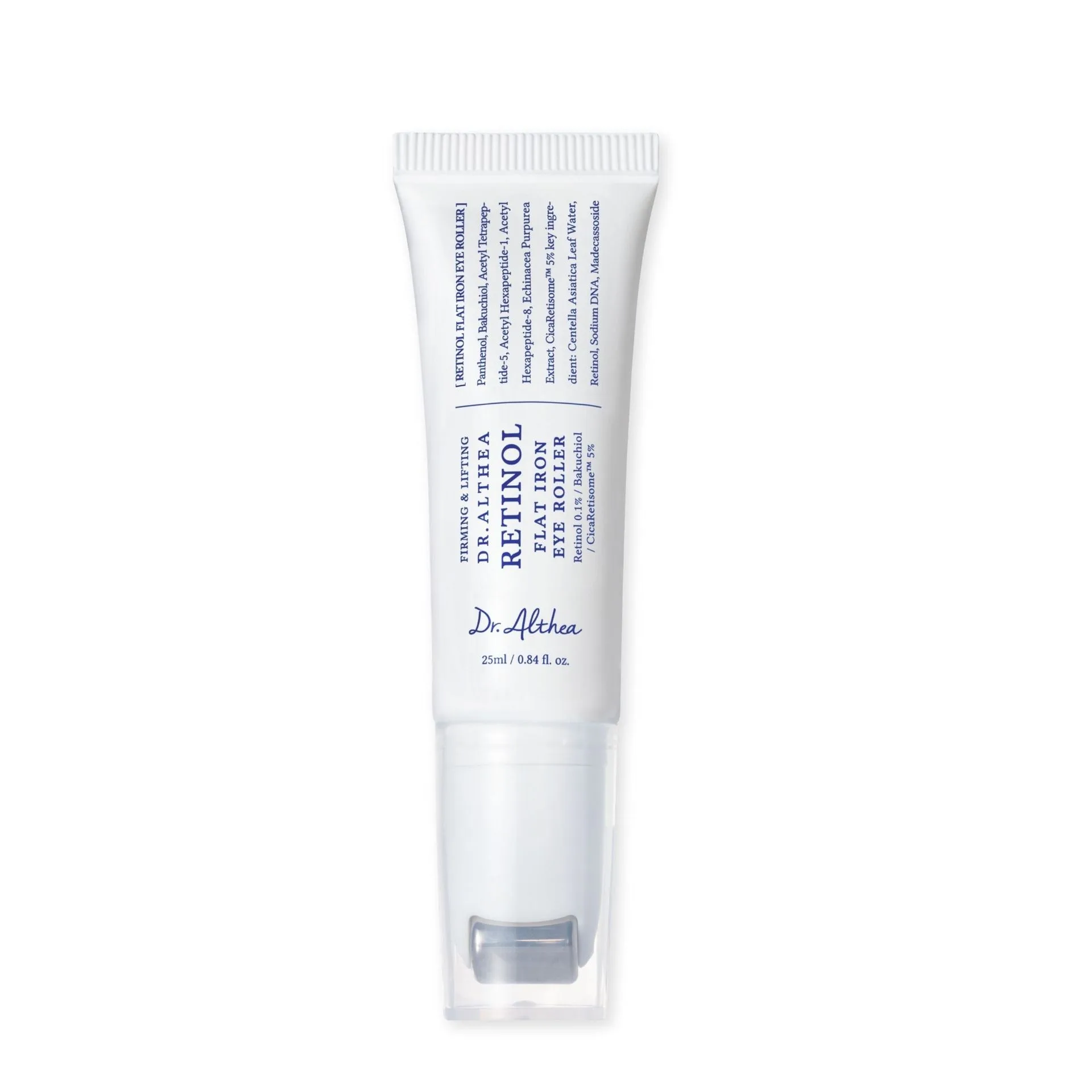
Retinol Flat Iron Eye Roller
How to test a moisturizer before committing
Buying a full-size product for humid weather is a gamble if you have not tried the texture. Start with a small amount on your jawline or neck for two or three days. Apply it in the morning and check how your skin feels at lunchtime: if it is shiny, tacky, or feels like it is sliding, the formula is likely too heavy for daytime humidity.
You can also adjust how much you use. A pea-sized amount of a watery cream often covers the whole face. If that still feels like too much, try applying it only to the drier parts of your face, like cheeks, and leave the T-zone with just your serum or sunscreen.
Decision rules for humid-weather moisturizer
- If your skin feels greasy by midday: Switch to a watery or gel-cream texture and reduce the amount you apply. Heavy creams and occlusive balms are usually the culprit in humidity. Choose a lightweight, non-greasy moisturizer for humidity.
- If your skin feels tight after cleansing: You still need hydration, but you can layer a lightweight serum under a watery cream instead of using a thick cream. Apply while skin is still damp to help lock in water. Hydrate in thin layers rather than one heavy layer.
- If you use active ingredients: Keep your moisturizer simple and lightweight so it does not compete with treatments like niacinamide or retinol. Apply the active first, then moisturizer. Let the treatment work; moisturizer supports comfort.
- If you are unsure: Start with a small size or a bundle that includes a lightweight option, and test it for a few days before committing to a full routine. Test texture in real humidity before buying full size.
Products that fit humid-weather routines
- Aqua Marine Watery Cream: Dr. Althea's Aqua Marine Watery Cream is a moisturizer designed to provide lightweight hydration with a refreshing, watery texture that absorbs quickly into the skin. This is the type of texture that works well in humidity because it hydrates without leaving a heavy or greasy layer that can trap sweat.
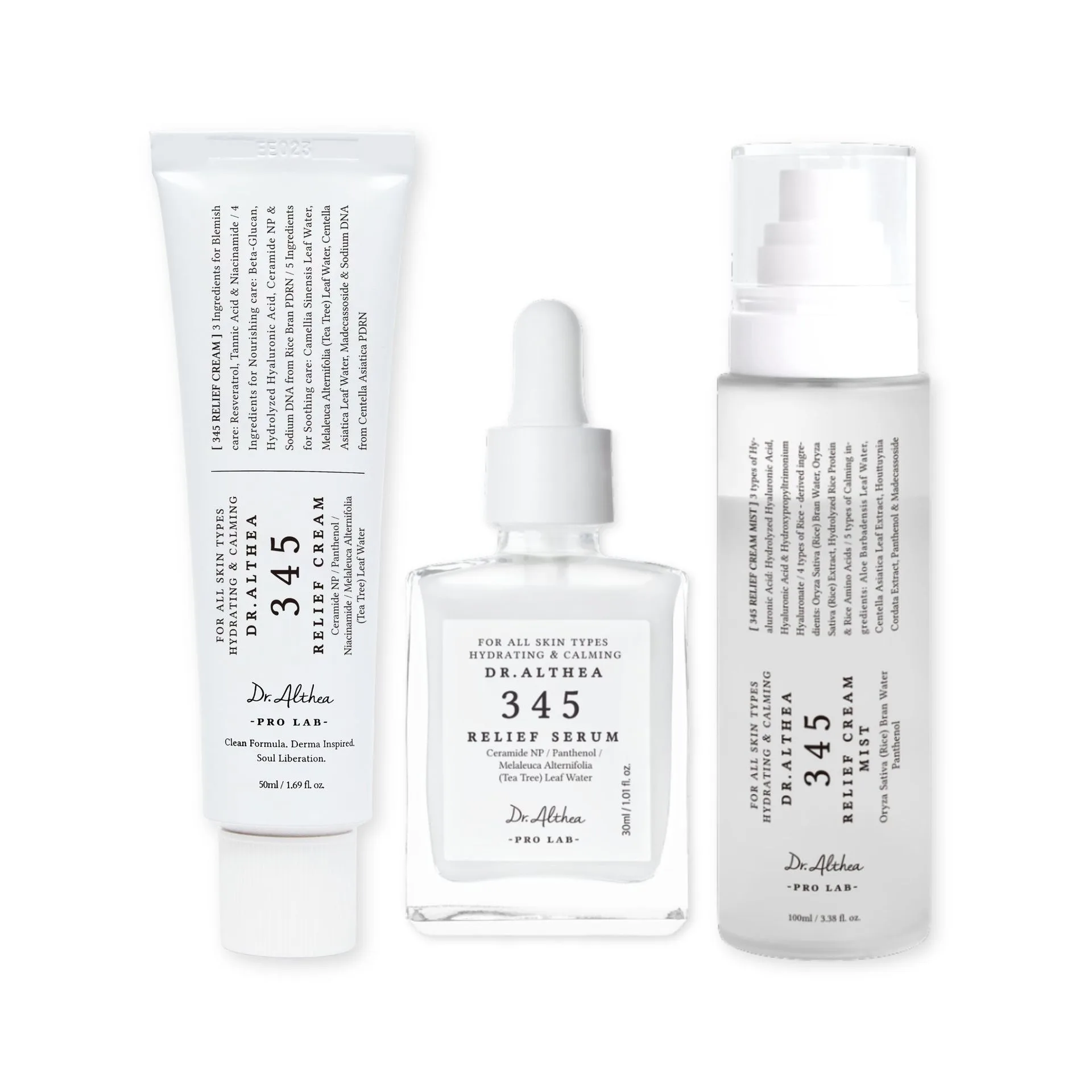
- 345 Relief Trio: The 345 Relief Trio is a curated skincare bundle designed to support your daily routine, bringing together complementary products to help soothe and maintain your skin's comfort. If you are building a hot-weather routine from scratch, a bundle can simplify choices, but check that each product's texture suits humid conditions rather than assuming all three are lightweight.
- 15% Niacinamide Purity Serum: Dr. Althea's 15% Niacinamide Purity Serum is a concentrated treatment with 15% niacinamide and a lightweight, fast-absorbing texture suitable for daily use. A lightweight serum can be a good base under a watery moisturizer in humid weather, letting you address texture and pores without adding heavy layers.
Who this advice fits
Best for
- Oily, combination, or sweat-prone skin in humid climates
- Anyone who wants a lightweight moisturizer for summer or hot climate skincare
- People building a simple routine with active serums or eye treatments
Not for
- Very dry skin that needs rich, occlusive creams even in humidity
- Anyone looking for a heavy night cream to treat flaking or barrier damage
- Shoppers who prefer a single thick balm for both day and night