Quick Answer
For technical terrain, choose a boot that balances weight, warmth, and stiffness based on your objective—lighter for fast alpine climbs, warmer and stiffer for vertical ice and long glacier routes.
Match Boot Weight to Your Pace
Technical terrain rewards speed, but every ounce counts when you're moving fast. A lighter boot helps you cover ground quickly, but it often sacrifices warmth and support. If your objective is a technical route that requires quick movement, a low-cut, lightweight boot may be the right call. For slower, colder objectives like ice climbing, a heavier, insulated boot is worth the extra weight.
Consider Warmth and Insulation
Temperature management is critical on technical routes. Insulated boots keep your feet warm during long belays or cold alpine starts, but they can overheat on strenuous approaches. Think about the climate and duration of your typical climbs. If you're mostly climbing in cold conditions, insulation is non-negotiable. For warmer or high-output activities, a less insulated boot may be more comfortable.
Check Crampon Compatibility
Technical terrain often requires crampons. Ensure the boot you choose is compatible with the crampon style you use. Some boots are designed for automatic crampons with heel and toe bails, while others use semi-automatic or strap-on systems. This is a key factor for ice and mixed climbing.
Decision Rules for Technical Terrain
-
If your objective is a fast alpine climb with minimal ice: Choose a lightweight, low-cut boot like the Aequilibrium Speed GTX. It prioritizes speed and agility, but it may not provide enough warmth for long, cold belays. Assess the coldest part of your route before committing to a lighter boot.
-
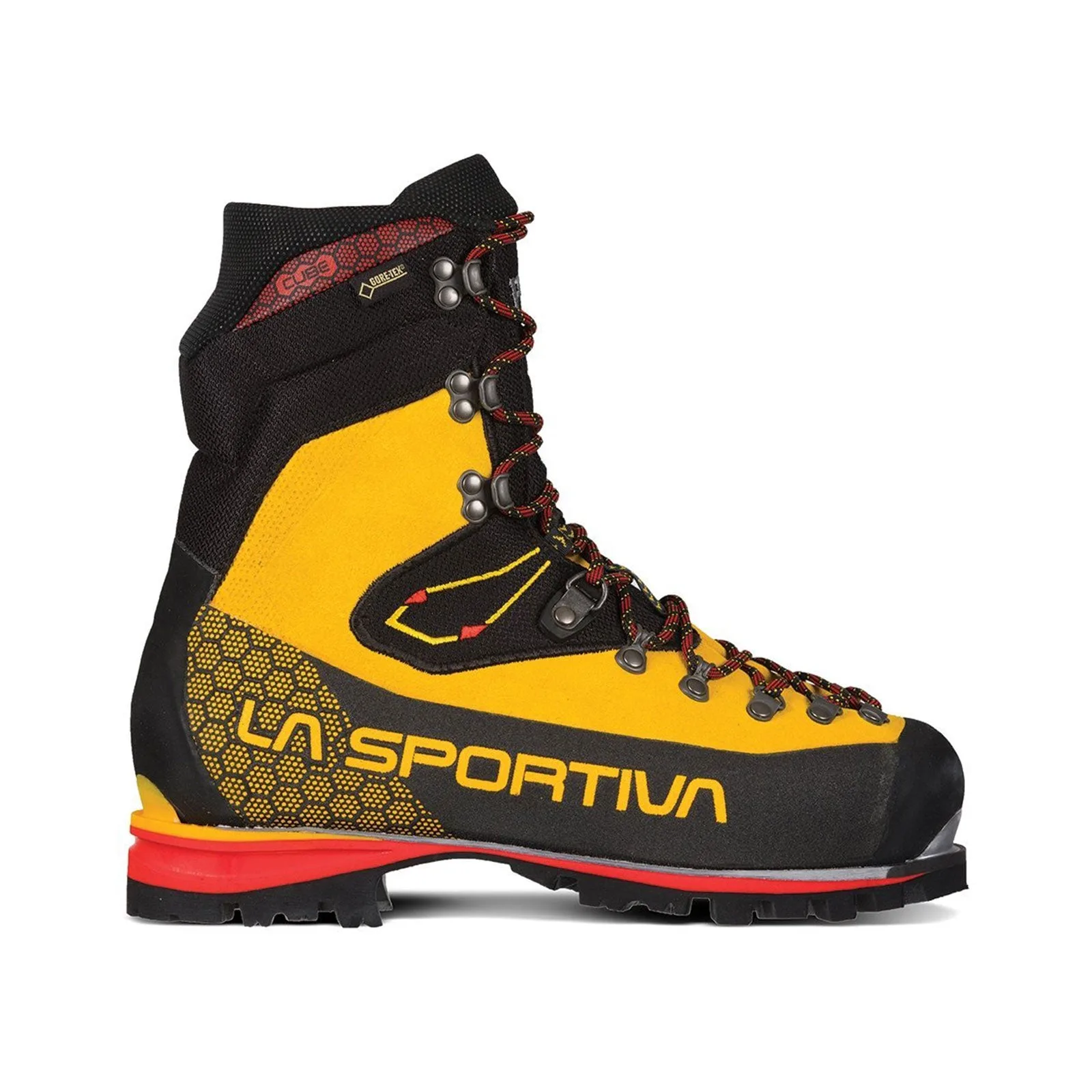
If your objective is vertical ice or mixed climbing in cold conditions: Opt for a warm, technical boot like the Nepal Cube GTX. It's designed for big peaks and vertical ice, offering insulation and a robust build, but it's heavier than a fast-and-light option. Consider the trade-off between warmth and weight for your specific route.
-
If you need a balance between technical performance and modern demands: Explore boots that blend ultralight construction with durable materials, such as the G-Tech. It's built for technical ice climbing and moving fast, but it may be overkill for less demanding terrain. Match the boot's performance level to your most ambitious objectives.
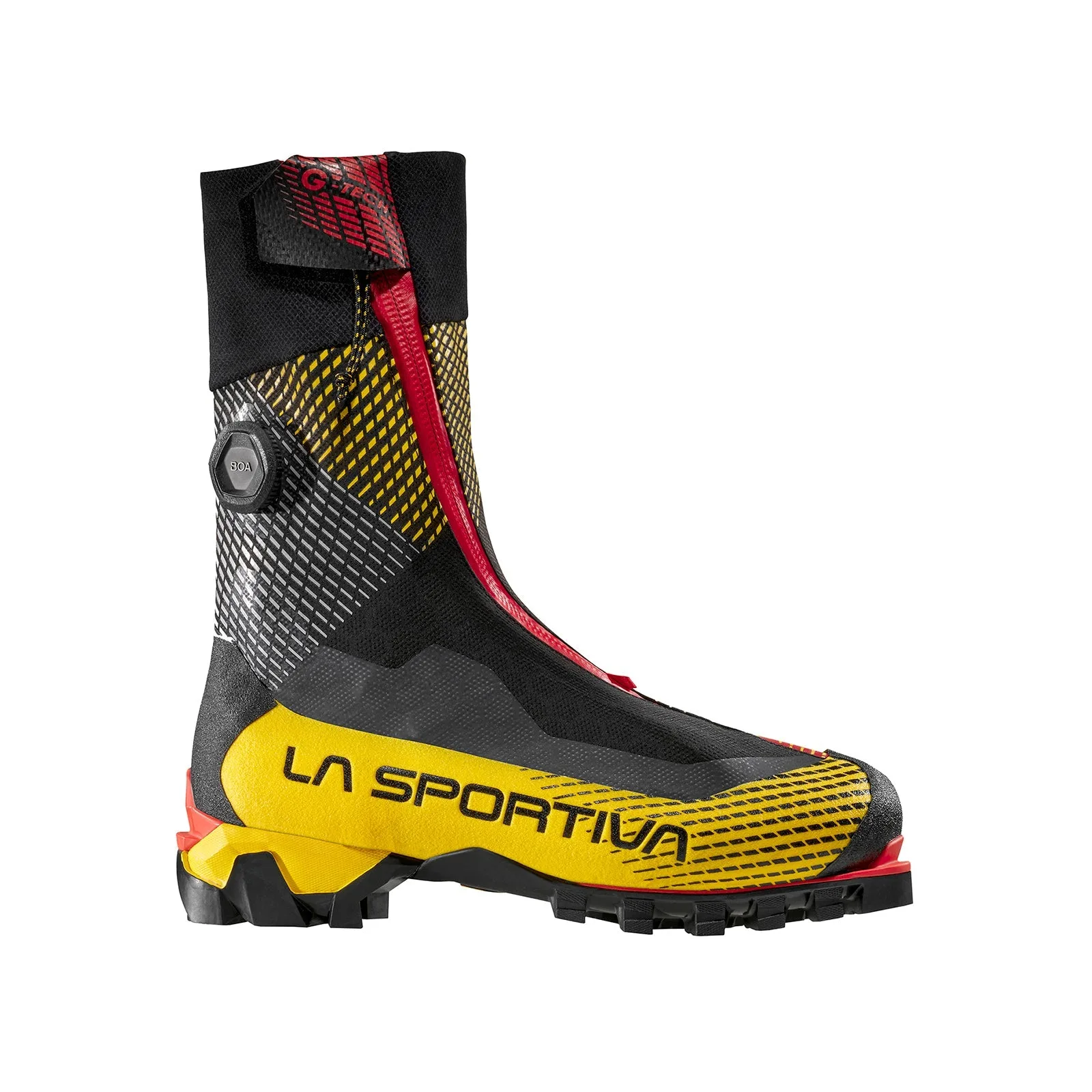
G-Tech
Technical Boots to Compare
-
Aequilibrium Speed GTX (2024): The Aequilibrium Speed GTX is an extremely lightweight and high performing low-cut shoe developed for the most technical mountaineering pursuits. If your goal is moving fast on technical terrain, this low-cut boot minimizes weight while staying crampon compatible and waterproof.
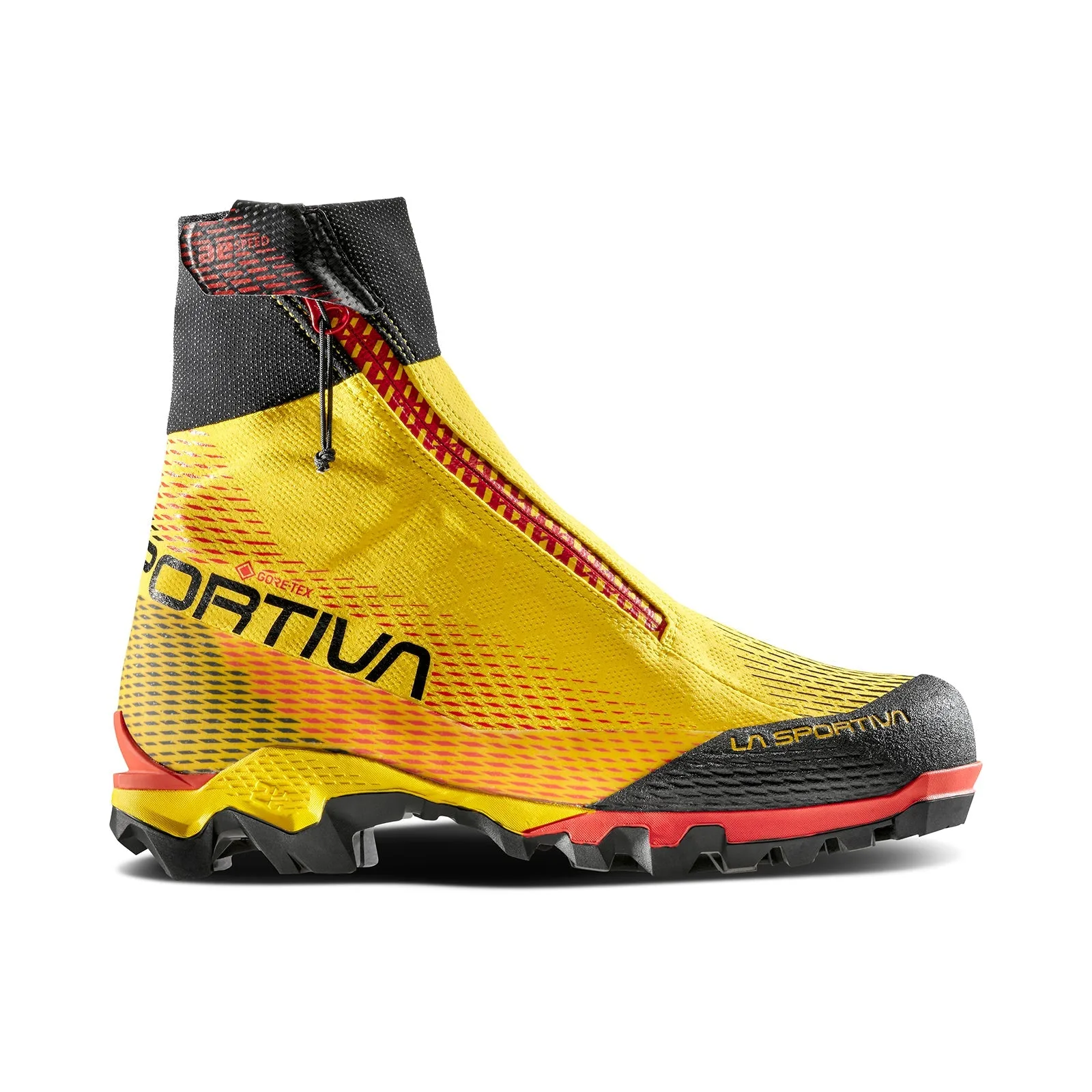
Aequilibrium Speed GTX (2024)
-
Nepal Cube GTX: The Nepal Cube GTX is a warm and technical mountaineering boot designed to tackle big peaks, mixed terrain, glacier travel and vertical ice. For cold, vertical ice and mixed routes, this boot provides the warmth and robust build needed for sustained technical climbing.
Fit Guidance
Best for
- Fast-paced alpine climbers on technical terrain who prioritize weight and agility
- Ice climbers and mixed climbers who need warmth and stiffness for vertical ice
Not for
- Hikers on non-technical trails who don't need crampon compatibility or extreme stiffness
- Climbers on warm, low-altitude routes where insulation would cause overheating