Quick answer
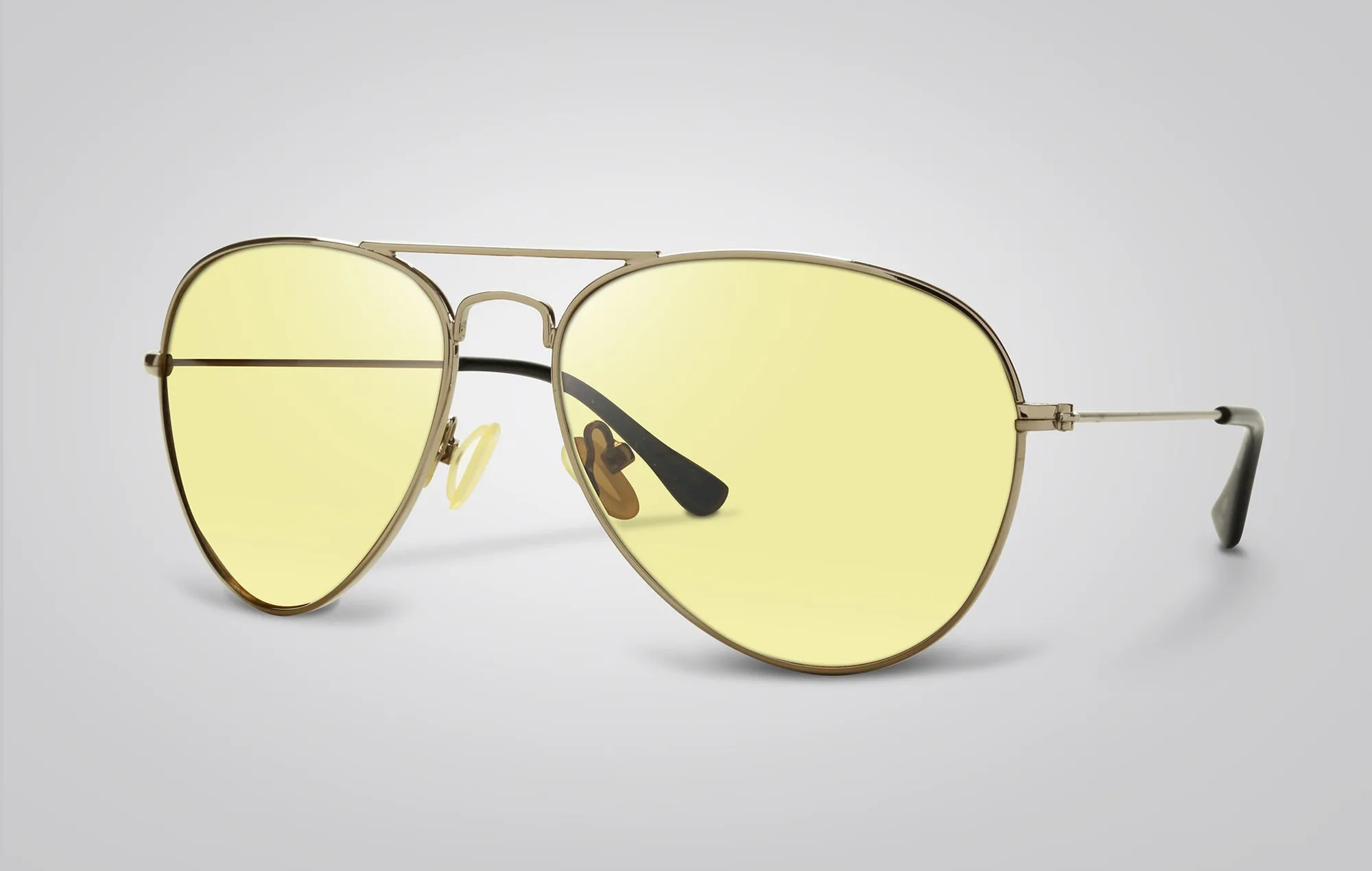
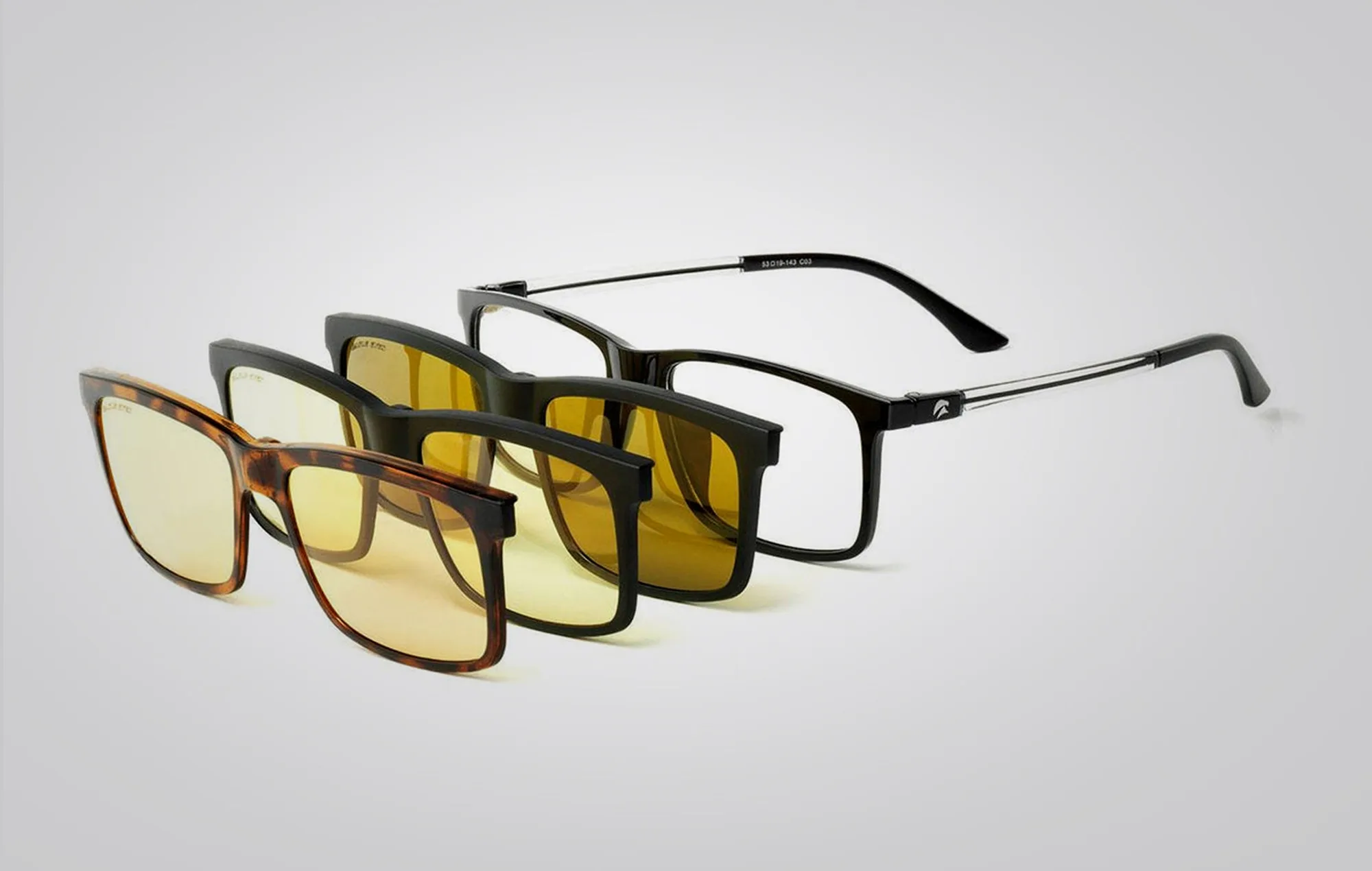
Choose night driving glasses by matching the lens to your actual commute, not to a generic "night vision" claim. If oncoming headlights and LED signage are your main problem, a dedicated low-light lens such as the Night-Lite lenses in the Classic Aviator Night is the most targeted fix. If you drive across day, dusk, and night, a convertible system like the 4in1 Classic lets you swap lens technologies instead of buying several pairs.
Aviator
Start with the light problem you actually have
Night driving complaints usually fall into three buckets: glare from oncoming headlights, glare from LED-lit signage and storefronts, and general dim-light strain. Each points to a different lens behavior, so write down which one bothers you most on your usual route before you shop. A lens built to soften harsh point-source light is doing a different job than a lens built to brighten a dim road.
Decide whether you need one pair or a system
Single-purpose night glasses are simpler and usually cheaper, but they only solve the night half of your driving. If you leave for work in daylight and come home after dark, you either carry two pairs or choose a system with swappable lenses. The tradeoff is real: a system costs more up front and asks you to keep track of extra lenses, while a single night pair keeps your glovebox uncluttered but leaves your daytime drive uncovered.
Check the fit over your prescription glasses
Fit is the step most people skip, and it is the one that ruins an otherwise good pair. Night lenses need to sit centered over your pupils and stay there when you turn your head to check a blind spot. If you wear prescription glasses, look for a clip-on or over-the-frame option rather than a second pair of prescription night lenses, and test the clip grip before you rely on it at highway speed.
Your step-by-step night glasses checklist
- Step 1: Name your worst glare source: Before shopping, note whether oncoming headlights, LED signage, or overall dimness bothers you most on your regular route. That single answer eliminates half the options. Checkpoint: if you cannot name one dominant problem, you are not ready to pick a lens.
- Step 2: Match the lens to the problem: For headlight and signage glare, look for a lens explicitly described as softening harsh light and filtering high glare, such as the Night-Lite lenses in the Classic Aviator Night. Do not assume a dark tint helps at night; a lens meant to cut daytime sun can make a dark road harder to read. Common mistake: buying a dark sunglass tint for night driving.
- Step 3: Choose single-purpose or convertible: If you only drive after dark, one dedicated night pair is enough. If your commute crosses daylight and darkness, a convertible system such as the 4in1 Classic avoids juggling separate pairs. Checkpoint: count how many light conditions you actually drive in during a normal week.
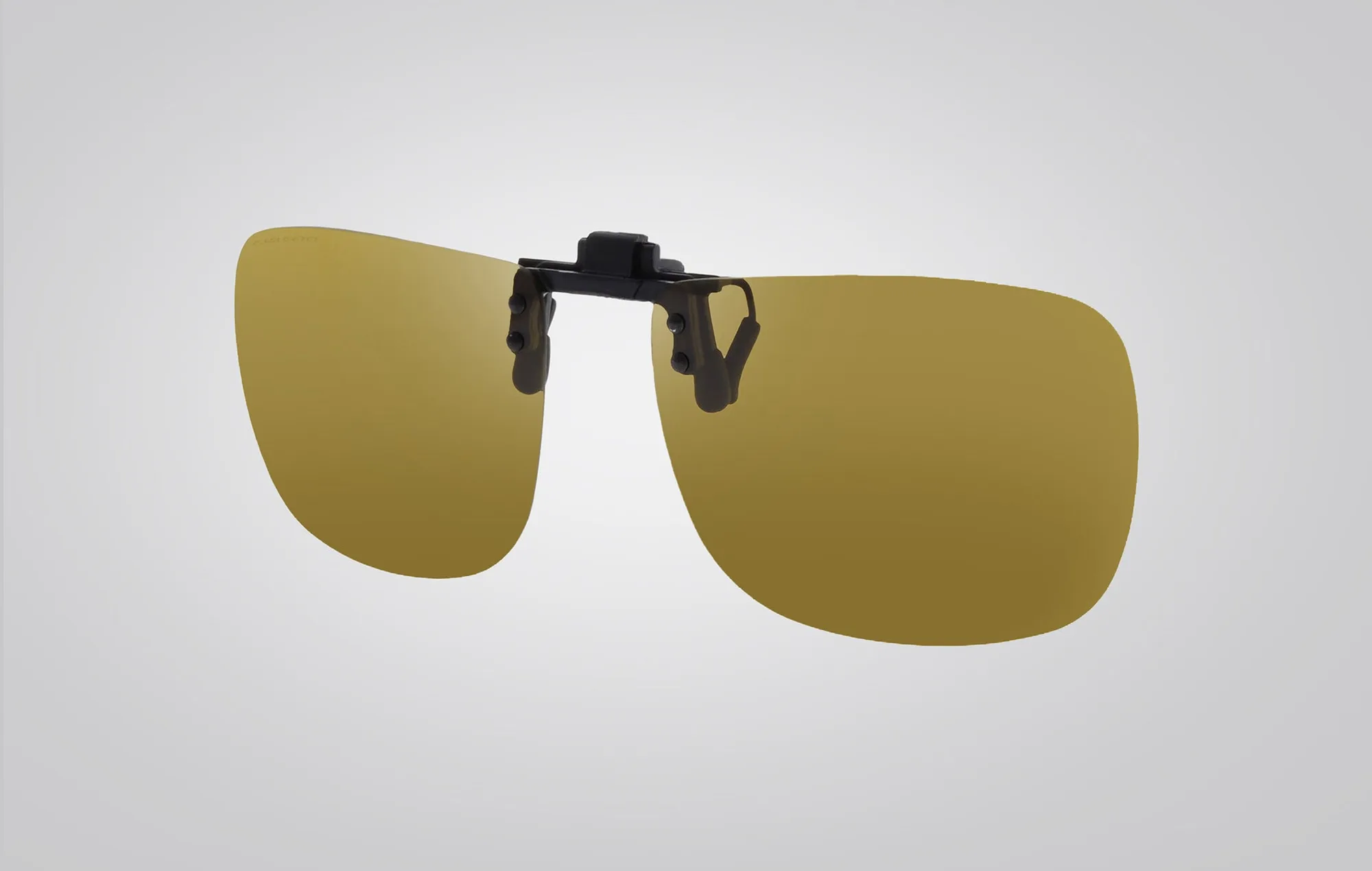
- Step 4: Confirm fit over your prescription glasses: If you wear prescription glasses, a clip-on set like the ClipOn Universal Day & Night Set keeps your correction in place while adding night lenses. If you do not, choose a frame that stays centered when you turn your head. Common mistake: assuming any frame will sit correctly over prescription glasses.
- Step 5: Test before you commit to a long drive: Wear the glasses on a short, familiar route at night first. You are checking two things: whether glare is genuinely reduced and whether the frame stays comfortable and centered for the length of your commute. Next step: if glare is not reduced on a familiar route, the lens is not matched to your problem.
Products that match these steps
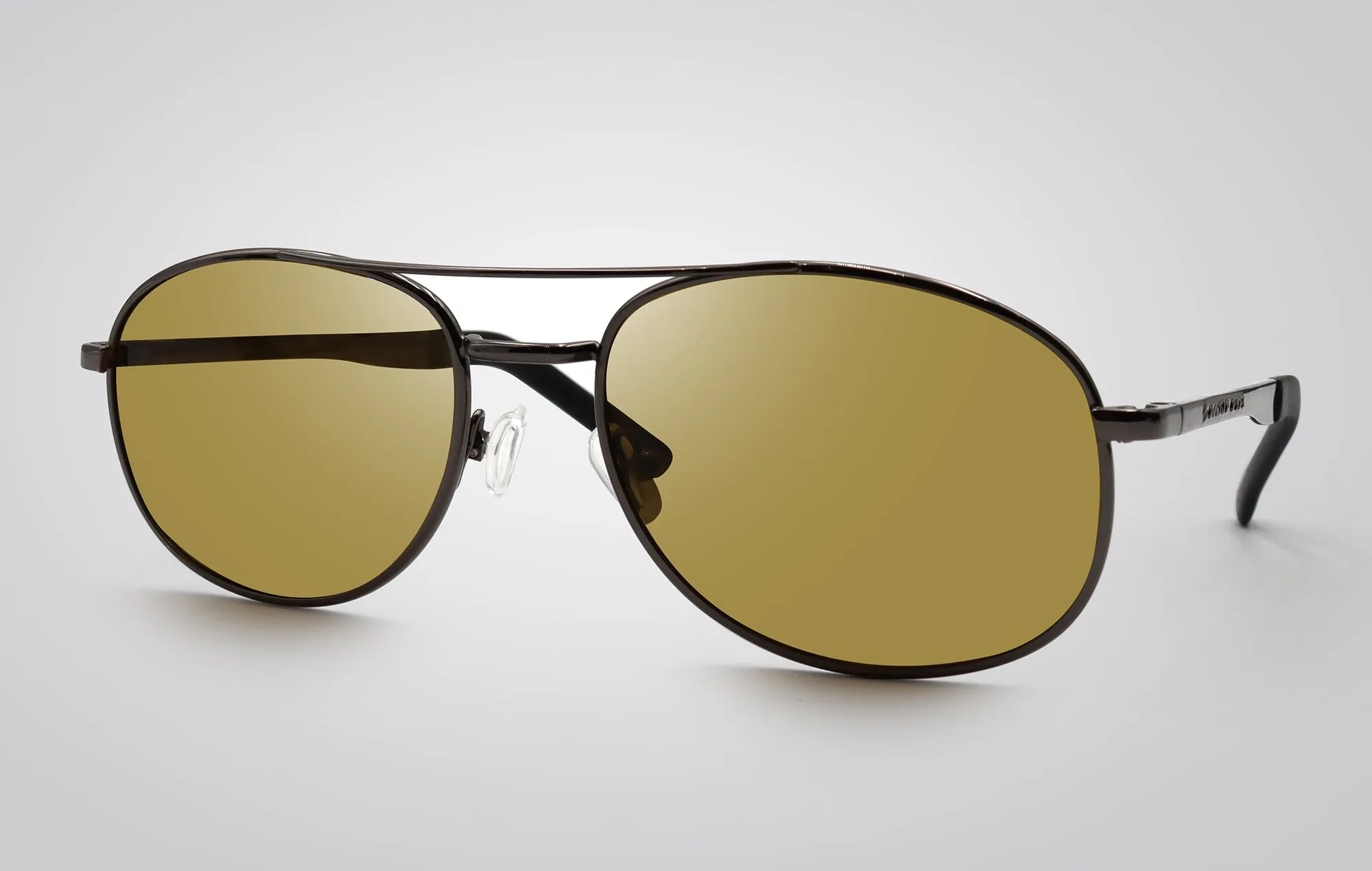
- Classic Aviator Night: Classic Aviator Night pairs a gold aviator frame with Night-Lite lenses designed to soften harsh lights and filter high-glare from oncoming headlights and LED-lit signage. This is the most direct match if oncoming headlights and bright signage are your main night-driving complaint.
- 4in1 Classic: 4in1 Classic is a lightweight frame with multiple lens technologies intended to move from sun to screen to low light to night. A reasonable pick if your driving spans daylight, dusk, and dark and you would rather swap lenses than own several pairs.
- ClipOn Universal Day & Night Set: ClipOn Universal Day & Night Set bundles two rimless clip-on glasses, including a night-low-light model, for people who want one set covering day and night. Useful if you already wear prescription glasses and want to clip night lenses onto them instead of buying a second prescription pair.