Quick answer
Choose optical screws that match your frame's hinge width and prefer a plus head design for secure driver engagement. Self-tapping screws create their own threads in plastic frames, reducing the risk of stripping.
Why screw width matters
Optical screws come in different widths to fit various frame hinge holes. Using the wrong width can either leave the screw loose or force it in and crack the frame.
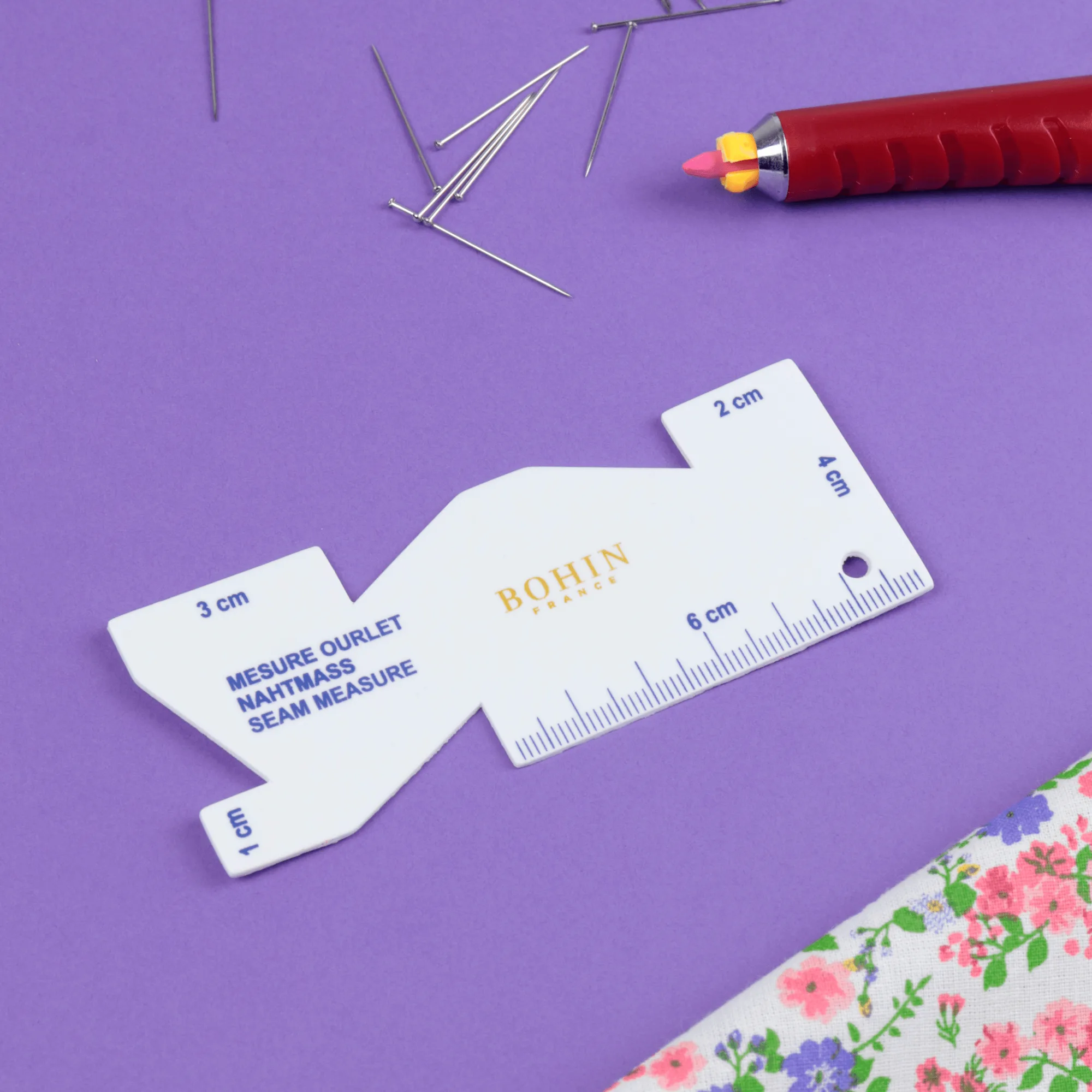
Measure the existing screw's diameter or the hinge hole with a small ruler. Common widths for eyeglass screws are 1.2mm, 1.3mm, and 1.4mm – the same options offered in the Self Tapping Screws with Plus Head from Noblepack UK.
Plus head vs. flat head
A plus head (also called Phillips) design gives the screwdriver a deeper, more secure grip. This reduces the chance of the driver slipping and scratching the lens or frame.
Flat head screws are still common in older frames, but they are harder to drive without cam-out. For most repairs, a plus head screw is the better choice.
Self-tapping screws for plastic frames
Self-tapping screws have a sharp tip and cutting edges that form threads as you drive them into plastic. This means you do not need to pre-tap the hole, and the screw holds firmly even if the original threads are worn.
If you are repairing a plastic frame where the original screw hole is stripped, a self-tapping screw can often save the frame without needing a professional repair.
Decision rules for choosing optical screws
- Measure the existing screw or hole: Use a small ruler or caliper to check the diameter of the current screw or the hinge hole. This tells you whether you need a 1.2mm, 1.3mm, or 1.4mm screw.
- Check the frame material: For metal frames, standard machine screws work fine. For plastic or acetate frames, choose a self-tapping screw to create new threads and avoid stripping. Self-tapping screws are especially useful for worn or stripped holes in plastic frames.
- Prefer plus head over flat head: A plus head (Phillips) design gives better driver engagement and reduces slipping. This is important for small screws where a slip can scratch the lens or frame.
- Buy a multi-size pack: A pack with multiple widths (like the 200-piece pack from Noblepack UK) ensures you have the right size on hand for future repairs without buying separate packs. Store the clear container in your repair kit so you can quickly identify the width you need.
Product facts
-
Self Tapping Screws with Plus Head: Noblepack UK offers Self Tapping Screws with Plus Head in three widths: 1.2mm, 1.3mm, and 1.4mm. Each pack contains 200 screws in a clear container. This gives you one pack that covers the most common eyeglass screw sizes, with a plus head for secure driving and self-tapping ability for plastic frames.
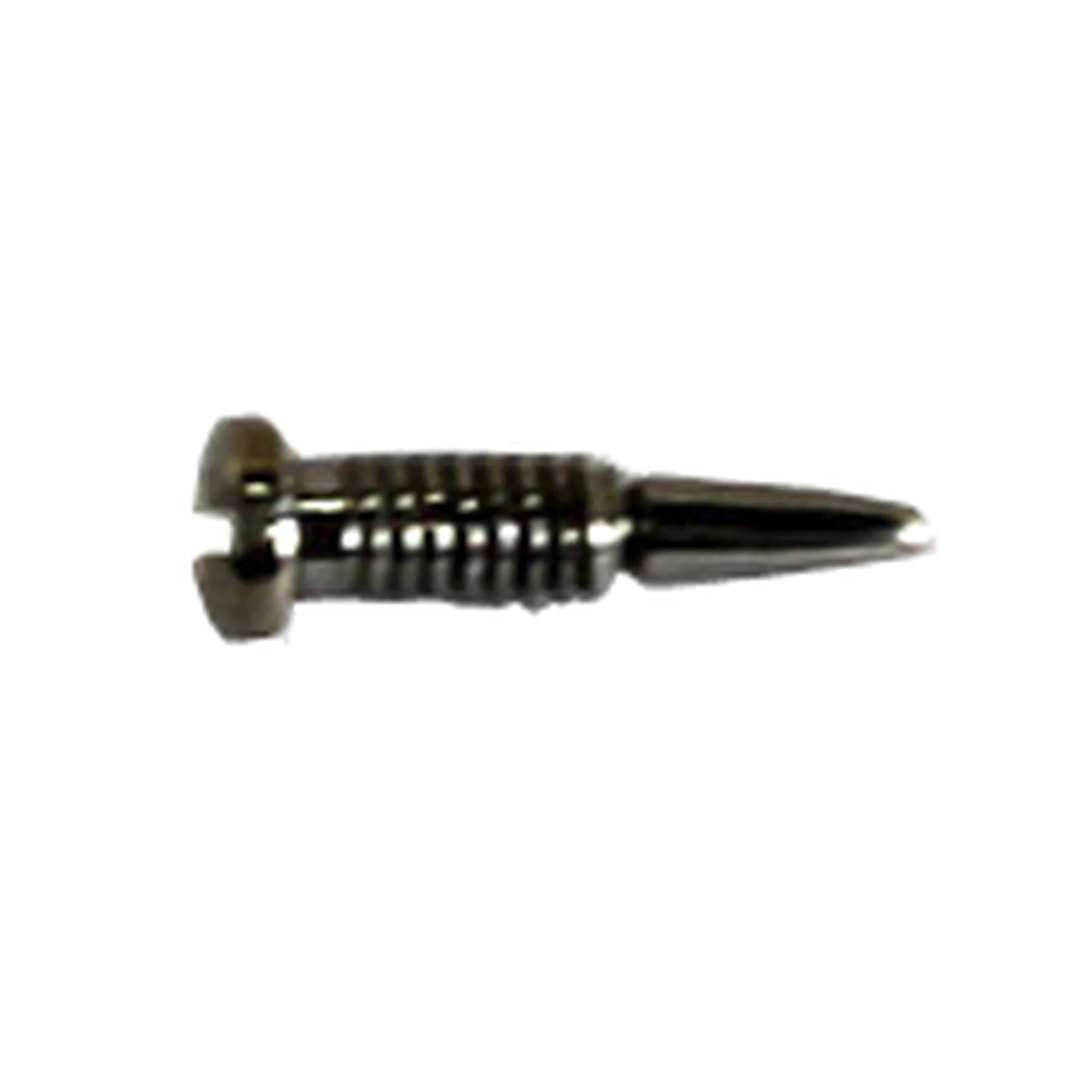
Self Tapping Screws with Plus Head
Who this guide is for
Best for
- DIY eyeglass repair at home
- Repairing plastic or acetate frames with stripped screw holes
- Anyone who wants a single pack covering common screw widths
Not for
- Repairing metal frames that require non-self-tapping machine screws
- Frames that use proprietary or non-standard screw sizes (e.g., some designer hinges)