Quick Answer
When choosing organic baby food pouches, match the texture and ingredients to your child's developmental stage. For younger babies (6-9 months), opt for smooth single-ingredient purees. As your baby grows, introduce blends with more complex flavors and textures. For toddlers, look for pouches with heartier ingredients like proteins and grains that support chewing and self-feeding.
Choosing the right organic baby food pouches can feel overwhelming with so many options on the shelf. But the key is to focus on your child's age and stage of development. From first tastes to toddler meals, each stage has specific nutritional and textural needs.
This guide breaks down what to look for at each age, highlights some excellent choices from Serenity Kids, and gives you practical decision rules to make shopping easier.
Understanding Baby Food Pouches by Age
Babies develop eating skills gradually. Around 6 months, they start with smooth purees that are easy to swallow. By 8-10 months, they begin to manage slightly thicker textures and may enjoy more complex flavors. Toddlers (12 months and up) need foods that encourage chewing and provide sustained energy.
When selecting pouches, consider the ingredient list and texture. For younger babies, single-ingredient or simple blends are best to identify allergies and ease digestion. As your child grows, introduce pouches with a mix of vegetables, fruits, and proteins to expand their palate and meet nutritional needs.
- Start with smooth purees for babies under 8 months.
- Introduce chunkier textures and protein-rich blends around 10 months.
- For toddlers, choose pouches with whole food ingredients and balanced macros.
Key Ingredients to Look For
Organic certification ensures that fruits and vegetables are grown without synthetic pesticides. But beyond that, look for pouches that feature whole food ingredients, such as organic veggies, fruits, and high-quality proteins like grass-fed beef or wild-caught salmon.
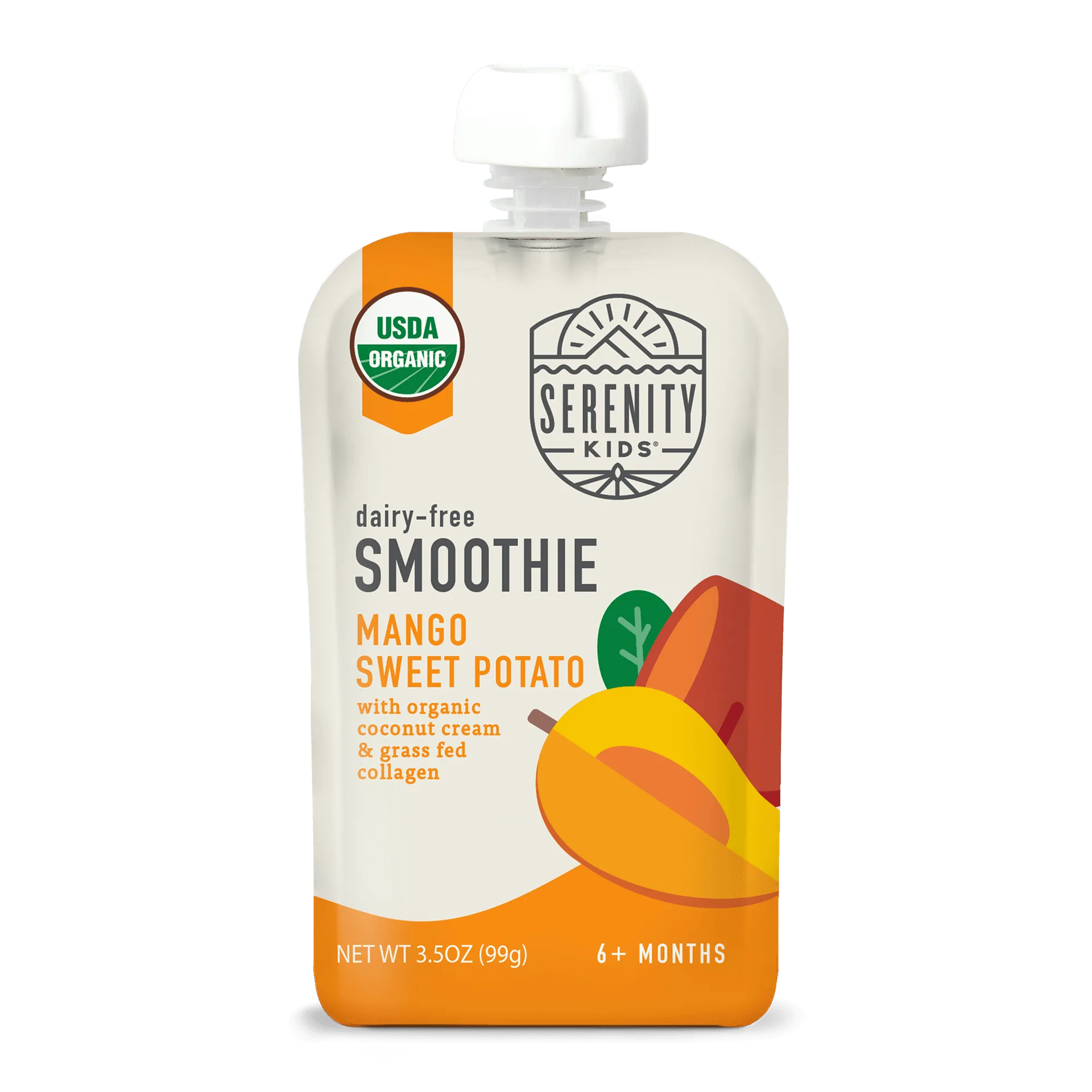
Avoid added sugars and fillers. Many pouches sneak in fruit juice concentrates or starches. Instead, choose options that get their sweetness from whole fruits and vegetables. For example, Serenity Kids uses organic sweet potatoes and mango in their smoothies for natural flavor.
- Check the ingredient list for added sugars or syrups.
- Prioritize pouches with organic vegetables as the first ingredients.
- Include protein sources like grass-fed beef, chicken, or salmon for balanced nutrition.
Texture and Feeding Stage
Texture progression is crucial for oral motor development. For babies starting solids, smooth purees are ideal. As they grow, they need more texture to practice chewing. Some pouches offer chunkier blends with small soft pieces, which are perfect for older babies and toddlers.
Also consider the pouch format. Spout pouches are great for on-the-go and self-feeding, but they can encourage sucking rather than chewing. For older babies, squeeze the pouch onto a spoon or into a bowl to promote spoon-feeding skills.
- For babies under 8 months, choose smooth purees.
- For 8-12 months, gradually introduce thicker blends.
- For toddlers, use pouches as a convenient option but also serve food in bowls to encourage chewing.
Nutritional Needs for Toddlers
Toddlers have higher energy needs and require more iron and protein. Look for pouches that include meat or fish, which provide these essential nutrients. Serenity Kids offers a variety of protein-rich pouches like grass-fed beef and wild-caught salmon, which are excellent for toddlers.
Also, consider the fat content. Healthy fats from ingredients like olive oil or coconut are important for brain development. Many toddler pouches include these beneficial fats, making them a smarter choice than fruit-only options.
- Choose protein-rich pouches for toddlers.
- Look for healthy fats like olive oil or coconut.
- Avoid pouches with high sugar content, even from fruit.
Decision Rules for Choosing Pouches
- Age 6-8 months: Choose smooth, single-ingredient purees or simple blends without added sugar. Look for organic fruits and veggies. Start with something like Organic Mango Sweet Potato Smoothie for a gentle introduction.
- Age 8-12 months: Introduce thicker textures and protein-rich blends. Look for pouches with meat, fish, or beans to support iron needs. Try Grass Fed Beef & Ginger for a new texture and flavor.
- Age 12+ months: Opt for pouches with complex flavors and whole food ingredients that encourage chewing. Consider variety packs for balanced nutrition. The Cozy Bone Broth Pack offers warm, comforting meals for toddlers.
Product Facts and Why They Matter
- Organic Mango Sweet Potato Dairy Free Smoothie with Grass Fed Collagen: Made with organic mango and sweet potato for a naturally delicious taste. Dairy-free, egg-free, and gluten-free for sensitive diets. This smoothie is a great option for babies and toddlers with food sensitivities. The grass-fed collagen adds protein, and the organic fruits provide natural sweetness without added sugar.
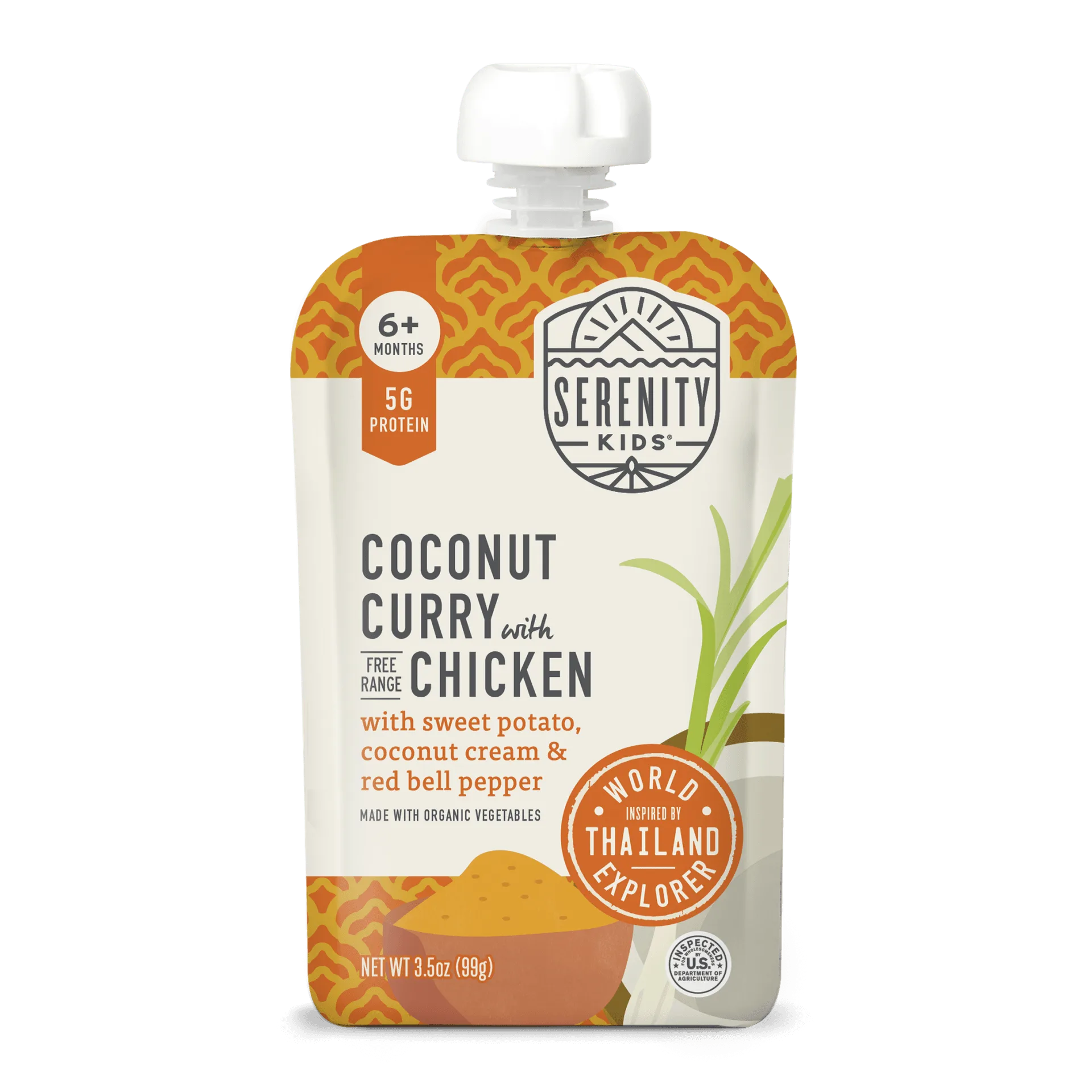
- Coconut Curry Chicken With Organic Veggies & Thai Coconut Curry: A blend of free-range chicken, organic sweet potatoes, red bell peppers, and a creamy coconut base enriched with coconut aminos and gentle Thai-inspired herbs and spices. This pouch introduces complex flavors and textures suitable for older babies and toddlers. The free-range chicken provides high-quality protein, while the veggies offer essential vitamins.
- Chicken Mexican Stew With Organic Veggies & Mexican Spices: Packed with organic butternut, red bell pepper, and an array of carefully selected herbs and spices and chicken baby food. This Mexican-inspired stew offers a unique flavor profile that helps expand your child's palate. The organic veggies and chicken make it a balanced meal for toddlers.
- Grass Fed Beef & Ginger With Organic Veggies: Packed with organic peas, red bell peppers, grass-fed beef, organic broccoli, organic olive oil, and organic ginger. This pouch combines iron-rich grass-fed beef with a variety of organic vegetables, making it an excellent choice for older babies and toddlers needing extra iron and protein.
Fit Guidance
Best for
- Parents seeking convenient, organic pouches that align with developmental stages.
- Families looking for protein-rich, low-sugar options for toddlers.
Not for
- Parents who prefer strictly homemade baby food and avoid packaged options.
- Those needing single-ingredient purees for allergy introduction (check labels for complex blends).
Choosing the right organic baby food pouches doesn't have to be complicated. By focusing on your child's age, texture needs, and nutritional requirements, you can make informed decisions that support healthy growth. Serenity Kids offers a range of pouches that cater to different stages, making it easier to find the perfect fit for your little one.